Your Essential Amsterdam Travel Guide: Beyond the Tourist Trail
Amsterdam pulses with a unique energy, a blend of historic charm and modern vibrancy. While famous for its picturesque canals and world-class museums, navigating the city can feel overwhelming for first-time visitors. This Amsterdam travel guide aims to provide an honest, insider perspective for your 2026 adventure, focusing on practical advice and uncovering those delightful spots most guides miss.
Key Takeaways:
- Discover hidden neighborhood gems like De Pijp and Westerpark.
- Master Dutch cycling etiquette for a truly local experience.
- Explore authentic Dutch cuisine beyond stroopwafels.
- Learn smart booking strategies for major attractions like Anne Frank House.
- Find tips for sustainable and responsible Amsterdam tourism.
Amsterdam Attractions: Mastering the Must-Sees (and the Secrets)
Amsterdam’s skyline is famously punctuated by church spires and gabled houses lining its iconic canals. While the Rijksmuseum and Van Gogh Museum draw massive crowds, understanding how to best experience them is crucial. Booking tickets well in advance, especially for the Anne Frank House, is non-negotiable; tickets for the latter often sell out months ahead and are released on specific dates. Consider purchasing an I amsterdam City Card if you plan to visit multiple museums and use public transport extensively, as it can offer significant savings. For 2026, check for new temporary exhibitions that might align with your interests.
But here’s where most people get it wrong: they plan their days around just these few major sites. My own experience visiting in 2026 highlighted how magical Amsterdam can be when you venture slightly off the beaten path. Instead of rushing from one museum to the next, I found immense joy in simply wandering through neighborhoods like the Jordaan.
Navigating Amsterdam’s Enchanting Canals and Neighborhoods
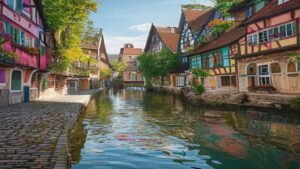
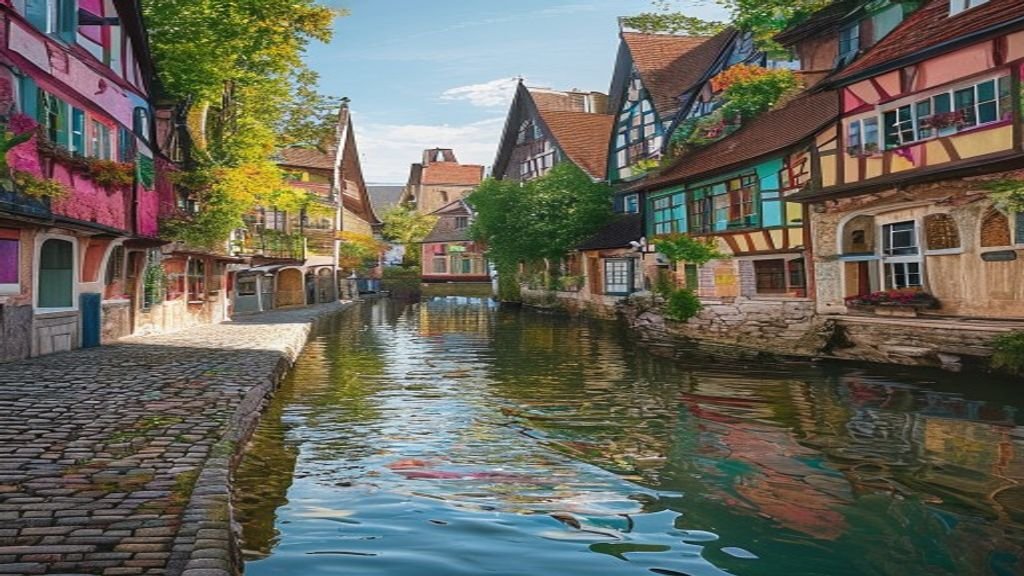
The Amsterdam canals are more than just waterways; they are the city’s lifeblood and a UNESCO World Heritage site. A canal cruise offers a fantastic overview, but exploring them on foot or by bike provides a much more intimate experience. Consider renting a small electric boat for a few hours to navigate at your own pace, perhaps stopping at waterside cafes or simply enjoying the reflections of the historic buildings.
Beyond the central canal belt (Grachtengordel), each neighborhood offers a distinct flavor. The Jordaan, once a working-class area, is now a charming labyrinth of narrow streets, independent boutiques, and cozy pubs. De Pijp, known for its bohemian vibe and the bustling Albert Cuyp Market, is a foodie paradise and a great spot to people-watch. For a more local feel, head to Westerpark, a large urban park surrounding a creative cultural complex housed in former industrial buildings. This contrast between the historic core and the evolving, vibrant neighborhoods is what makes Amsterdam truly special.
The Dutch Cycling Culture: Your Ticket to Authentic Amsterdam
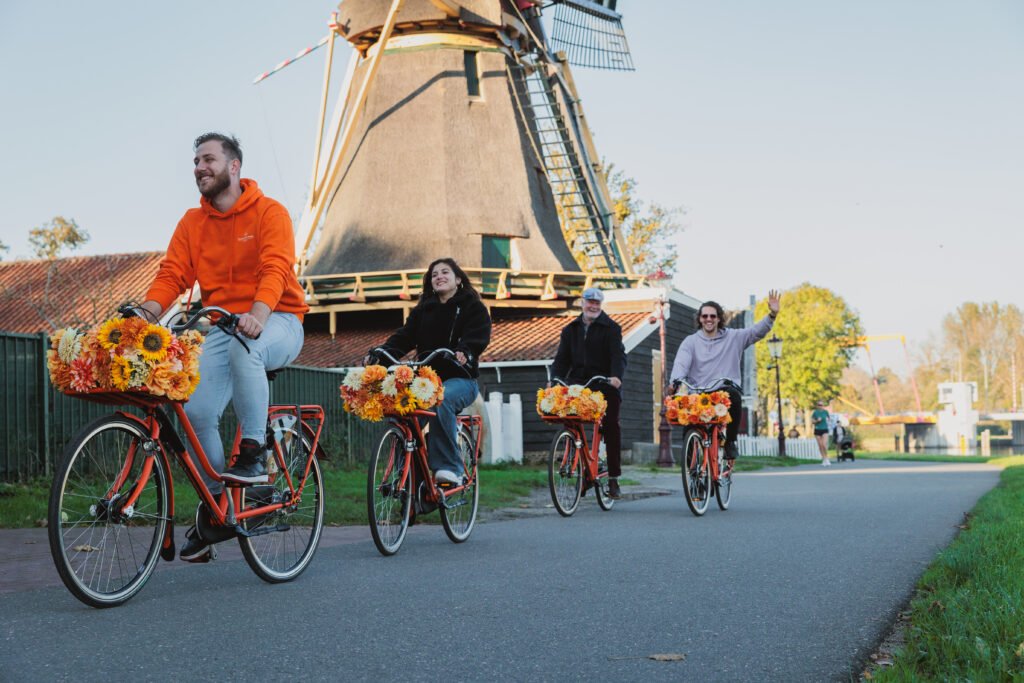
Cycling is not just a mode of transport in Amsterdam; it’s a way of life. Mastering this skill is key to truly experiencing the city like a local. When I first visited, I was intimidated by the sheer volume of bikes, but with a few simple rules, it becomes second nature. Firstly, always signal your turns clearly with your hand.
Always ride on the marked bike paths (fietspaden) and never block them. Be aware of tram tracks – your tires can get stuck. Understand the local etiquette: faster cyclists expect you to keep to the right, and you should always keep an eye on your surroundings. Bike rental shops are plentiful; I found MacBike to be a reliable and well-located option, offering a range of bikes from basic city cruisers to tandems. For families, consider a cargo bike (bakfiets) if you have young children. Trying to bike around during peak commuter hours can be intense, so early mornings or late afternoons offer a more relaxed experience.
Most guides miss this crucial detail: understand the concept of ‘bike rage’. While generally polite, locals can get frustrated with tourists who disregard rules. A simple nod of acknowledgment or a polite ‘dank u wel’ (thank you) goes a long way. If you’re planning a trip to explore Barcelona’s charm or discover historic Rome, cycling might not be as central, but in Amsterdam, it’s essential.
A Taste of Amsterdam: Beyond Stroopwafels and Bitterballen
Dutch cuisine often gets simplified to sweet treats and fried snacks, but there’s a rich culinary landscape to explore. While you absolutely must try a warm, freshly made stroopwafel from a street vendor and sample bitterballen (deep-fried, meat-filled ragout balls) with your beer, venture further. Indonesian rijsttafel (‘rice table’) is a significant part of Dutch food culture, a legacy of colonial history, offering a dazzling array of small, flavorful dishes served with rice.
Seek out ‘stamppot,’ a hearty winter dish of mashed potatoes mixed with vegetables like kale or sauerkraut, typically served with rookworst (smoked sausage). For seafood lovers, ‘haring’ (raw herring) is a national delicacy, often eaten with chopped onions and pickles – a rite of passage for any adventurous eater. De Pijp’s Albert Cuyp Market is a fantastic place to sample a wide variety of street food, from Surinamese roti to Dutch poffertjes (miniature fluffy pancakes).
Here’s what nobody tells you: many traditional Dutch restaurants are family-run and may not have extensive English menus. It’s worth learning a few basic Dutch phrases, like ‘Ik wil graag…’ (I would like…) or ‘De rekening, alstublieft’ (The bill, please). This small effort is often greatly appreciated.
Amsterdam’s Museum Landscape: From Masters to the Modern
Amsterdam boasts an unparalleled density of world-class museums. The Rijksmuseum, home to Rembrandt’s ‘The Night Watch,’ offers a comprehensive journey through Dutch art and history. The nearby Van Gogh Museum houses the largest collection of his works worldwide, providing incredible insight into his life and artistic evolution. For a more poignant experience, the Anne Frank House offers a sobering glimpse into the Secret Annex where Anne and her family hid during WWII.
But the city’s artistic offerings extend far beyond these giants. The Rembrandt House Museum allows you to step into the artist’s former home and studio. FOAM (Fotografiemuseum Amsterdam) is a must-visit for photography enthusiasts, showcasing cutting-edge contemporary and historical exhibitions. For a quirky yet fascinating visit, consider the Museum of Bags and Purses, which chronicles centuries of fashion history through its accessories. These lesser-known gems provide a different perspective on Amsterdam’s rich cultural tapestry and often have shorter queues than their more famous counterparts.
Planning Your Amsterdam Itinerary: Balancing Must-Dos and Serendipity
Crafting an Amsterdam itinerary requires balancing iconic sights with spontaneous exploration. A common mistake is over-scheduling, leaving no room for the unexpected delights the city offers. For a 3-day trip, consider dedicating one day to the major museums (Museumplein), another to exploring the Jordaan and the Anne Frank House, and a third to venturing into De Pijp or Westerpark, perhaps incorporating a canal cruise or a bike tour.
Most guides suggest a rigid day-by-day plan, but I’ve found flexibility is key. Base yourself in a central location, like the Nine Streets (De Negen Straatjes) area, known for its charming boutiques and cafes, making it easy to pop back to your hotel or explore nearby attractions. If you’re extending your stay, consider day trips. Haarlem, a beautiful historic city, is just a 15-minute train ride away. Or perhaps you’d prefer to explore Barcelona’s charm or discover historic Rome as part of a larger European adventure; an Amsterdam itinerary can be the perfect starting point.
Amsterdam Itinerary Example (4 Days):
- Day 1: Arrival, check-in, explore Jordaan neighborhood, Anne Frank House (pre-booked), canal cruise.
- Day 2: Museumplein (Rijksmuseum, Van Gogh Museum – pre-booked), Vondelpark relaxation.
- Day 3: De Pijp exploration, Albert Cuyp Market, Heineken Experience (optional), evening exploring Leidseplein.
- Day 4: Day trip to Haarlem or explore Westerpark, departure.
Best Time to Visit Amsterdam: Weather, Crowds, and Events in 2026
The best time to visit Amsterdam largely depends on your priorities. Spring (April-May) offers blooming tulips and pleasant weather, making it a popular, though potentially crowded, time. Summer (June-August) brings warm temperatures perfect for outdoor activities but also the peak tourist season, leading to higher prices and longer queues. I personally find late spring, around mid-May 2026, to be ideal – the weather is usually good, the tulip season is wrapping up, and the summer crowds haven’t quite hit their peak yet.
Autumn (September-October) provides a beautiful canvas of fall colors, fewer crowds, and moderate temperatures, making it an excellent choice for a more relaxed visit. Winter (November-March) is colder and wetter, but the city is magically lit during the holiday season, and you’ll encounter the smallest crowds and potentially lower accommodation rates. Remember that many indoor attractions mean Amsterdam is a viable destination year-round.
For those interested in specific events, King’s Day (Koningsdag) on April 27th is a massive, city-wide street party, but be prepared for extreme crowds and a very different vibe. The Amsterdam Light Festival typically runs from late November to early January.
Amsterdam Hotels and Accommodation: Finding Your Perfect Base
Choosing the right Amsterdam hotel or accommodation can significantly impact your trip. Central areas like the Grachtengordel or the Nine Streets offer convenience and charm but come with a higher price tag. The Jordaan provides a more local, residential feel with charming boutique hotels and apartments.
De Pijp is a vibrant area with a good selection of mid-range hotels and lively hostels, popular with younger travelers. For families, areas slightly outside the immediate city center, like Amsterdam Noord (accessible by a free ferry), offer larger accommodations and a quieter atmosphere, while still being a short ride from major attractions. Consider booking accommodation well in advance, especially if traveling during peak season or for major events in 2026.
Accommodation Comparison: Central vs. Neighborhood Focus
| Area | Vibe | Pros | Cons | Best For |
|---|---|---|---|---|
| Grachtengordel (Canal Belt) | Historic, Romantic, Bustling | Iconic views, central to attractions, charming atmosphere. | Expensive, very touristy, can be noisy. | Couples, first-time visitors wanting convenience. |
| Jordaan | Bohemian, Picturesque, Local | Independent shops, cozy cafes, quiet streets, authentic feel. | Can be pricier than further out, fewer large hotels. | Art lovers, those seeking a quieter, local experience. |
| De Pijp | Lively, Diverse, Hip | Great food scene, Albert Cuyp Market, good nightlife, well-connected. | Can be noisy, very busy market street. | Foodies, budget-conscious travelers, younger crowds. |
| Amsterdam Noord | Up-and-coming, Industrial Chic, Relaxed | Modern architecture, unique attractions (e.g., EYE Filmmuseum), often more affordable larger spaces. | Requires ferry/tram to reach city center, less historic charm. | Families, those seeking modern stays, longer stays. |
Amsterdam Public Transport and Getting Around
Amsterdam is a remarkably walkable and cyclable city, but its public transport system is efficient for longer distances or reaching the outskirts. The GVB operates trams, buses, and metros. Trams are particularly useful for navigating the central areas and connecting major points of interest. Purchasing a GVB day or multi-day pass is often the most cost-effective option for tourists relying on public transport. You can buy these at GVB ticket machines, counters at major stations, or online.
Amsterdam Airport Schiphol (AMS) is well-connected to the city center by frequent trains, taking approximately 15-20 minutes. Taxis are available but are significantly more expensive. Understanding Amsterdam public transport is key; avoid getting caught out by not validating your ticket or pass, as fines are substantial. If you’re planning a longer European trip, consider how Amsterdam fits into your broader travel plans – perhaps after you explore Barcelona’s charm or before you discover historic Rome.
Amsterdam Safety and Responsible Tourism
Amsterdam is generally a safe city for tourists. However, like any major European capital, petty theft, particularly pickpocketing, can occur in crowded areas such as train stations, popular tourist sites, and on trams. Always be aware of your surroundings, keep valuables secure, and avoid displaying large amounts of cash. The Red Light District, while a well-known attraction, should be approached with respect; photography is strictly prohibited in most areas, and it’s advisable to stick to well-lit, busier streets if exploring at night.
Responsible tourism is increasingly important. Consider the environmental impact of your travel choices. Opt for eco-friendly accommodation, utilize public transport or cycle, and reduce waste. Supporting local businesses and artisans also contributes positively to the community. Amsterdam is committed to sustainability; for example, they aim to have all new buildings be gas-free by 2025, a trend that continues to influence city planning in 2026. Being a mindful tourist ensures the city remains beautiful and livable for residents and future visitors alike.
Frequently Asked Questions
What are the must-see attractions in Amsterdam?
The must-see attractions in Amsterdam typically include the Anne Frank House for its historical significance, the Rijksmuseum for Dutch Masters like Rembrandt, and the Van Gogh Museum. A cruise along the iconic Amsterdam canals is also essential for understanding the city’s layout and beauty.
How do I get around Amsterdam?
Getting around Amsterdam is easiest by foot, bicycle, or public transport (trams, buses, metro operated by GVB). Cycling is a quintessential local experience, but be mindful of traffic rules. Public transport day passes offer convenience for covering longer distances within the city.
What is the best time of year to visit Amsterdam?
The best time to visit Amsterdam is generally spring (April-May) for tulips and pleasant weather, or early autumn (September-October) for fewer crowds and mild temperatures. Summer offers warmth but is peak season, while winter is cold but festive.
What are some good restaurants in Amsterdam?
Amsterdam offers diverse dining, from traditional Dutch ‘stamppot’ at local eateries to Indonesian ‘rijsttafel’ and international cuisine in areas like De Pijp. Exploring the food markets, such as Albert Cuyp Market, is also a great way to sample various foods.
Is Amsterdam safe for tourists?
Amsterdam is generally safe for tourists, but petty theft like pickpocketing can occur in crowded areas. It’s important to be aware of your surroundings, secure your valuables, and exercise caution, especially in busy tourist spots and at night.
What are the top museums to visit in Amsterdam?
Top museums include the Rijksmuseum (Dutch Masters), Van Gogh Museum (Impressionism), and the Anne Frank House (WWII history). Other notable mentions are the Rembrandt House Museum and the Stedelijk Museum for modern and contemporary art.
Ready to plan your own Amsterdam adventure? This guide provides a starting point, but the real magic often lies in the discoveries you make yourself. Safe travels!