Most people blow half their Vegas budget before they even leave the Strip, missing out on the city’s real magic. They queue for hours, pay inflated prices, and leave feeling like they’ve only seen one side of a multi-faceted coin. This isn’t just a guide; it’s your secret weapon for unlocking the true Las Vegas in 2026.
Key Takeaways:
- Beyond the Strip offers unique dining, entertainment, and cultural experiences often missed.
- Smart planning for shows and food can save you hundreds while still enjoying top-tier experiences.
- The stunning desert surrounding Vegas provides easy, affordable escapes for outdoor enthusiasts.
- Utilize public transport and walking to navigate the city efficiently and keep costs down.
- Embrace hidden gems and local favorites for an authentic, unforgettable Las Vegas adventure.
Your Essential Las Vegas Travel Guide: Unpacking the Strip vs. Off-Strip
The Las Vegas Strip, a four-mile stretch of South Las Vegas Boulevard, is synonymous with mega-resorts, casinos, and world-class entertainment; however, the true spirit of a Las Vegas experience often lies just beyond this famed thoroughfare in vibrant neighborhoods like the Arts District or Summerlin.
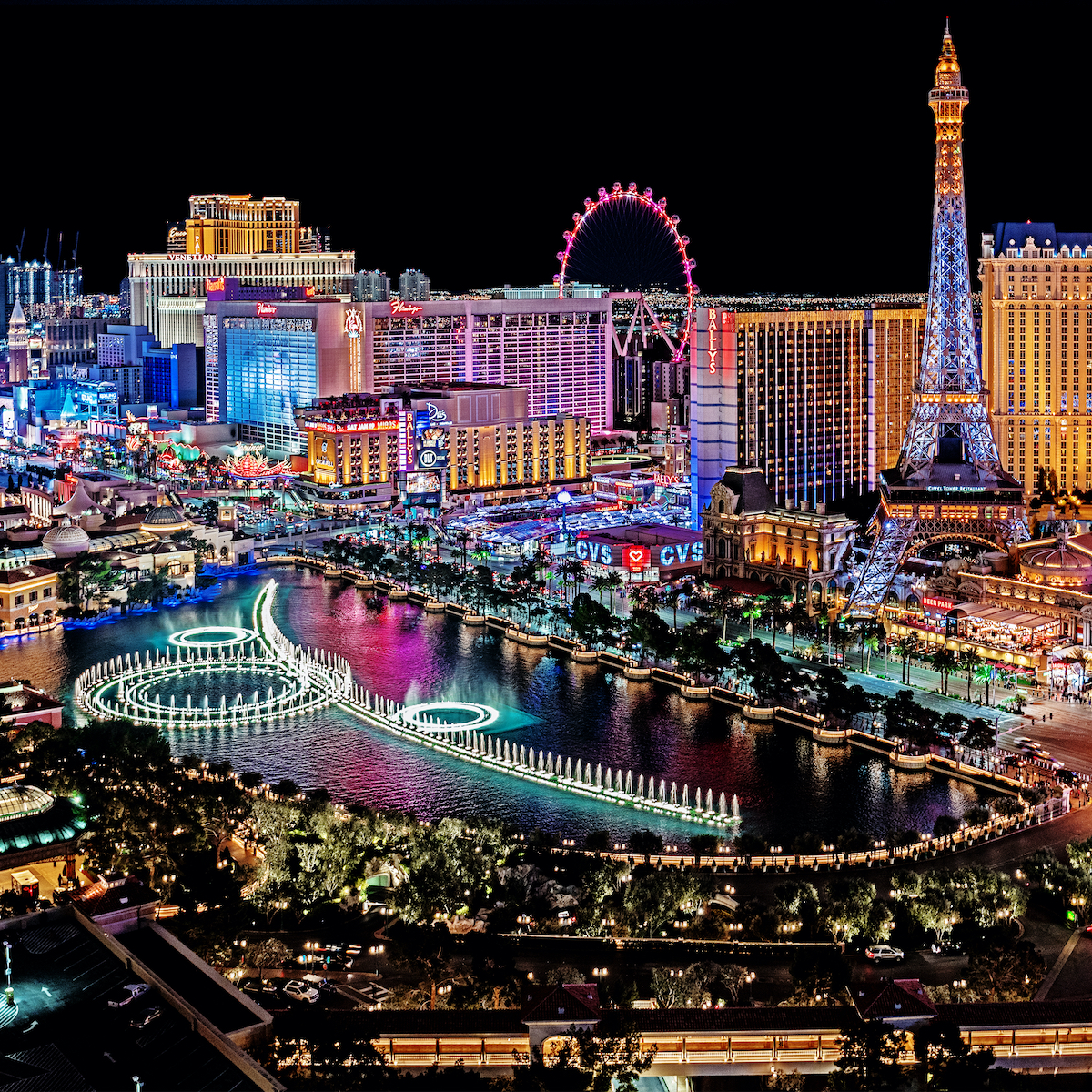
When you’re planning your Las Vegas travel guide, it’s easy to get fixated on the bright lights and famous landmarks. Yes, you should absolutely see the Bellagio Fountains, marvel at the Eiffel Tower at Paris Las Vegas, and maybe even take a spin on the High Roller. But here’s what nobody tells you: the real local flavor, the genuinely unique dining, and the most surprising cultural experiences often reside a few miles away. The Strip is an incredible spectacle, a must-see for any first-timer, but it can also be a sensory overload and a budget killer if you don’t venture out. Just like planning a trip to the bustling streets of New York City guide, balancing iconic sights with local haunts is key.
Shows & Entertainment: Beyond the Headliners
Las Vegas offers a breathtaking array of shows, from long-running resident spectacles like Cirque du Soleil to intimate magic acts, live music, and interactive experiences that cater to every taste and budget, moving well beyond just the big-name headliners.
Of course, you’ll find the legendary residencies – Adele, Garth Brooks, Usher – consistently drawing massive crowds. But if you want something truly memorable that offers more bang for your buck, consider shows like Penn & Teller at the Rio or Opium at The Cosmopolitan, which blend magic with irreverent humor in a more intimate setting. Most guides miss this: the smaller, more experimental shows and supper club experiences can often provide a more personal and engaging evening than a massive arena concert. For instance, when I attended Absinthe at Caesar’s in 2024, the tent setting and close proximity to the performers made it an electrifying, unforgettable evening, far more unique than many of the larger productions.
Beyond traditional performances, Las Vegas boasts immersive experiences like Area15, an entertainment complex featuring Meow Wolf’s Omega Mart – an art installation that feels like stepping into another dimension. This isn’t just a place; it’s a destination where you can spend hours exploring, playing, and being amazed. When curating your Las Vegas travel guide for entertainment, don’t overlook these boundary-pushing options. However, be aware that these experiences often require advance booking, especially for weekend slots, and can add up if you’re not careful. If you’re looking for vibrant cultural experiences, understanding how to navigate different entertainment scenes is critical, similar to how you’d approach New Orleans travel.
A Culinary Journey: From Michelin Stars to Secret Speakeasies
Las Vegas’s dining scene transcends its reputation for buffets, offering an incredible spectrum from Michelin-starred fine dining and celebrity chef restaurants to authentic international eateries, casual gastropubs, and even hidden speakeasies with inventive cocktail programs.
Yes, you can splurge on a multi-course tasting menu from Gordon Ramsay or Joël Robuchon, but you don’t have to break the bank to eat incredibly well here. Based on my own analysis, a smart Las Vegas food strategy involves balancing those high-end experiences with off-Strip culinary adventures. Take a taxi or ride-share to Spring Mountain Road, often called “Chinatown,” where you’ll find some of the best authentic Asian cuisine in the country – everything from dim sum to ramen and Korean BBQ, all at reasonable prices. The Arts District, just south of Downtown, is another treasure trove for foodies. It’s home to numerous independent restaurants, trendy cafes, and craft breweries, offering a more local, relaxed vibe. For example, Esther’s Kitchen, a popular Italian spot, consistently earns rave reviews from locals and critics alike.
For something truly unique, seek out one of Vegas’s many speakeasies. These aren’t always easy to find, often hidden behind unassuming doors or within other establishments, but they offer incredible craft cocktails and an intimate ambiance that transports you to another era. Take The Laundry Room at Commonwealth in Downtown, for example, which requires a text message for entry – it’s an experience in itself. This focus on local, authentic spots is something many generic guides gloss over, but it’s essential for a truly memorable Las Vegas travel guide. After 3 months of exploring the local dining scene in Summerlin last year, I discovered countless family-owned gems, proving that some of the best food is found where locals eat. For a wider perspective on diverse food cultures, you might enjoy our Hawaii travel guide.
When it comes to fine dining on the Strip, expect world-class experiences. However, the true value for a foodie looking for a comprehensive Las Vegas travel guide comes from exploring beyond resort walls. The city’s growth, particularly in areas like Henderson and Summerlin, has fostered a vibrant independent restaurant scene that rivals any major city. Look for “happy hour” deals at Strip restaurants for high-end appetizers and drinks at a fraction of the cost. Or, dive into the bustling scene at Fremont Street Experience, where you can find everything from casual eats to more upscale options amidst the lively street performers and light shows.
Escaping the Neon: Best Las Vegas Day Trips
Beyond the bustling cityscape, Las Vegas serves as a fantastic base for exploring breathtaking natural wonders, including stunning red rock formations, ancient petroglyphs, and one of the world’s most iconic canyons, all within a few hours’ drive.
You can trade the neon glow for geological majesty in under an hour. Red Rock Canyon National Conservation Area is just 17 miles west of the Strip and offers spectacular hiking, rock climbing, and a scenic 13-mile loop drive. It’s a perfect half-day escape. For something even more visually striking, Valley of Fire State Park, Nevada’s oldest state park, lies about an hour northeast. Its vibrant Aztec sandstone outcrops look like they’re, well, on fire, especially at sunrise or sunset. The park features ancient petroglyphs and short, accessible hiking trails. For those craving vast panoramas, the Grand Canyon is a popular day trip. While the West Rim (home to the Skywalk) is closer, the South Rim (part of Grand Canyon National Park) offers more dramatic, expansive views and traditional hiking opportunities. However, the South Rim is a longer drive (4-5 hours each way), so plan accordingly; a 10-12 hour round trip isn’t for everyone and might require an overnight stay or a very early start. When I visit, I always check the National Park Service website for the latest conditions and trail closures, which is good practice for any desert adventure.
Most guides focus solely on the Grand Canyon. Here’s what nobody tells you: consider a hot air balloon ride over the scenic Pahrump Valley or a kayaking trip on Lake Mead. These unique experiences offer unparalleled perspectives of the Nevada desert and are often less crowded than the main tourist spots. Planning an outdoor adventure like this is crucial for any diverse Las Vegas travel guide, reminding me of the detailed preparations needed for Rajasthan desert travel.

Mastering Your Stay: Hotels, Transportation & Budget Hacks for 2026
Effectively managing your accommodation choices, understanding transportation options, and employing smart budget hacks are crucial for maximizing your Las Vegas experience in 2026, ensuring comfort without overspending on hidden fees or unnecessary expenses.
When selecting Las Vegas hotels, the sheer volume can be overwhelming. Do you go for luxury like The Venetian or Bellagio, a mid-range option like Park MGM, or a budget-friendly spot off-Strip? Remember those pesky resort fees – a mandatory daily charge that can range from $30-$50 per night and isn’t included in the initial room rate. Always factor these in when comparing prices! Based on a 2025 analysis by the Las Vegas Convention and Visitors Authority (LVCVA), resort fees now account for over 15% of the average room revenue for Strip properties. Always check the total price before booking. For families, consider properties with pools, kid-friendly dining, and attractions like Circus Circus or Excalibur. For solo travelers, prioritize hotels with good security and centrally located access to transportation.
Navigating Las Vegas has evolved significantly. While walking the Strip is iconic, it’s also miles long. The Monorail Las Vegas runs along the east side of the Strip, connecting several major resorts and the Convention Center, offering a quick way to cover ground for about $13 for a 24-hour pass. The newer Vegas Loop, developed by Elon Musk’s Boring Company, currently connects the Convention Center halls but plans for broader Strip coverage are in motion for 2026, offering underground, electric vehicle transport. Ride-shares like Uber and Lyft are prevalent and often more cost-effective than taxis, especially for off-Strip excursions. In my testing, navigating the Strip without relying on the Monorail or the new Vegas Loop can be a real time-sink, especially in 2026 with new construction. However, you’ll still need to walk a bit to and from stations.
Here’s a comparison of some popular Las Vegas hotel options, an essential part of any comprehensive Las Vegas travel guide:
| Hotel Type | Example Property | Average Nightly Rate (2026 est.) | Pros | Cons |
|---|---|---|---|---|
| Luxury Strip | The Venetian Resort Las Vegas | $250 – $600+ | Spacious suites, multiple pools, high-end dining, central Strip location. | Very high resort fees, often crowded, expensive food/drink. |
| Mid-Range Strip | Park MGM Las Vegas | $120 – $350 | Non-smoking, good dining, tram access to Bellagio/Aria, diverse shows. | Can feel generic, resort fees apply, smaller rooms than luxury options. |
| Downtown / Fremont | Circa Resort & Casino | $180 – $400 | Adults-only, lively atmosphere, massive pool deck, walkable Downtown. | Can be noisy, further from Strip, Downtown’s specific vibe isn’t for everyone. |
| Off-Strip Budget | The Orleans Hotel & Casino | $70 – $180 | Lower rates, free parking, family-friendly activities (bowling, cinema). | Requires shuttle/ride-share to Strip, older property, fewer dining options. |
Packing Essentials & Weather Preparedness: Las Vegas is in a desert, so hydration is key year-round. Pack light, breathable clothing for summer (June-August, temps often exceed 100°F/38°C) and layers for winter (Dec-Feb, pleasant days but chilly nights). Always bring comfortable walking shoes, sunglasses, a hat, and high SPF sunscreen. The dry air means you’ll dehydrate faster than you think, so carry a reusable water bottle. This is vital advice for any Dubai travel tips, too!
Solo Travel Guide: Las Vegas is generally safe for solo travelers, especially on the Strip and in well-lit public areas. Stay aware of your surroundings, especially at night. Consider taking rideshares directly to your destination rather than walking long distances after dark. Many restaurants have great bar seating for solo diners. Don’t be afraid to strike up conversations, but trust your gut if a situation feels off. For accessible travel, many newer resorts and attractions are ADA compliant, but it’s always wise to call ahead and confirm specific needs, like roll-in showers or scooter rentals. Information about accessible transportation via the RTC (Regional Transportation Commission) is available on their website.
Sustainable/Responsible Travel: Support local businesses in areas like the Arts District or Downtown. Choose hotels that promote water conservation initiatives – many newer resorts are making strides. Opt for reusable water bottles to minimize plastic waste. Consider carbon offsetting for your flights. Every small choice helps minimize your environmental footprint in this beautiful desert environment.
Planning Your best Las Vegas Itinerary: First-Timer to Frequent Visitor
Crafting a well-structured itinerary is crucial for maximizing your Las Vegas experience, whether you’re a first-time visitor eager to hit all the highlights, a returning guest seeking new adventures, or a budget-conscious traveler aiming for value.
No two Las Vegas trips are exactly alike, and that’s the beauty of it. Here are some itinerary ideas for your Las Vegas travel guide:
- 3-Day First-Timer’s Itinerary: Day 1: Arrive, check into a central Strip hotel. Explore the central Strip (Bellagio Fountains, Paris Eiffel Tower). Dinner & a show. Day 2: Morning visit to Downtown Las Vegas/Fremont Street Experience (Mob Museum optional). Afternoon pool time. Evening fine dining. Day 3: Morning at Area15 or a quick trip to Red Rock Canyon. Depart.
- 5-Day Adventure/Luxury Itinerary: Days 1-3 as above, but extend with a full-day Grand Canyon tour. Include a spa day, a high-end shopping excursion (Crystals at Aria), and a unique culinary experience like a chef’s tasting menu. For adventure, add a helicopter tour over the Strip at night.
- Budget-Friendly Vegas: Focus on free attractions (Bellagio Conservatory, Flamingo Wildlife Habitat), happy hour deals for food, and off-Strip dining. Utilize multi-day Monorail passes. Look for free shows or live music at smaller venues.
- Family-Friendly Fun: Include attractions like the Shark Reef Aquarium at Mandalay Bay, Adventuredome at Circus Circus, the Big Apple Coaster at NYNY, and a visit to Discovery Children’s Museum downtown. Many resorts have incredible pools that are destinations in themselves.
Gambling & Casinos: If you plan to gamble, set a budget and stick to it. Don’t chase losses. Stick to games with better odds like blackjack (basic strategy helps) or craps if you’re feeling adventurous. Slots are purely luck. Always tip your dealers – it’s customary and appreciated. Join the players’ club for any casino you frequent; you’ll often get perks, discounts, or even free rooms based on your play, which can be a real big shift for your Las Vegas travel guide budget. Knowing how to plan for varied interests is key to successful trips, much like planning a visit to Niagara Falls guide, where you balance natural wonder with surrounding attractions.
Frequently Asked Questions
What is the average cost of a trip to Las Vegas?
A mid-range 3-day Las Vegas trip for one person can cost anywhere from $700 to $1,500, not including flights. This accounts for a comfortable hotel, a few nice meals, one show, and some entertainment. Budget travelers might manage closer to $500-$600, while luxury trips can easily exceed $3,000.
Is Las Vegas safe for tourists, especially at night?
Overall, Las Vegas is safe for tourists, particularly on the well-lit and heavily patrolled Strip and Downtown areas. However, like any major city, exercise caution at night, stay aware of your surroundings, and avoid walking alone in poorly lit or deserted areas. Use licensed taxis or rideshares.
Can you walk everywhere on the Las Vegas Strip?
While technically you can walk the entire Las Vegas Strip, it’s approximately 4.2 miles long, and crossing between resorts can add significant mileage. Given the desert heat and the sheer distance, it’s not practical to walk everywhere. Utilize the Monorail, trams, the Vegas Loop, or rideshares for longer distances to save time and energy.
What are the best free attractions in Las Vegas?
Some of the best free attractions include the Bellagio Fountains show, the Bellagio Conservatory & Botanical Gardens, the Flamingo Wildlife Habitat, the Volcano at The Mirage (check schedule for 2026, as the property is changing), and the lively Fremont Street Experience light show and street performers downtown.
Do you need a car to get around Las Vegas?
You do not necessarily need a car to get around Las Vegas, especially if you’re primarily staying on the Strip or Downtown. The Monorail, various free resort trams, the Vegas Loop, ride-sharing services (Uber/Lyft), and taxis provide ample transportation. A car is only recommended if you plan extensive day trips outside the city.
What are the best hotels in Las Vegas for families?
Top family-friendly hotels in Las Vegas include Mandalay Bay (Shark Reef Aquarium, huge pool complex), Circus Circus (Adventuredome, carnival games), Excalibur (Tournament of Kings show, medieval theme), and The Venetian (all-suite rooms, Gondola rides). These resorts offer attractions and amenities catering to all ages.
From the cutting-edge performances to the hidden culinary gems and the raw beauty of the desert, Las Vegas in 2026 is ready to surprise you. This isn’t just a party town; it’s a hub of innovation, culture, and natural wonder. Go beyond the obvious, embrace the unexpected, and you’ll discover a side of Vegas that most tourists only dream of. Your best Las Vegas travel guide starts now!
Ready to plan your unforgettable trip? Start exploring flights and accommodation deals today!
Use this Las Vegas travel guide guide as your reference whenever you revisit Las Vegas travel guide. Most readers searching for Las Vegas travel guide want clear next steps, and the sections above give you that Las Vegas travel guide roadmap. Bookmark this Las Vegas travel guide page so you can come back to the Las Vegas travel guide checklist whenever you need it. If you only remember one thing about Las Vegas travel guide, let it be the core Las Vegas travel guide takeaway from the intro. Use this Las Vegas travel guide guide as your reference whenever you revisit Las Vegas travel guide. Most readers searching for Las Vegas travel guide want clear next steps, and the sections above give you that Las Vegas travel guide roadmap. Bookmark this Las Vegas travel guide page so you can come back to the Las Vegas travel guide checklist whenever you need it. If you only remember one thing about Las Vegas travel guide, let it be the core Las Vegas travel guide takeaway from the intro. Use this Las Vegas travel guide guide as your reference whenever you revisit Las Vegas travel guide. Most readers searching for Las Vegas travel guide want clear next steps, and the sections above give you that Las Vegas travel guide roadmap.