
Tango music spilled from an open doorway, a mournful bandoneon weaving a spell over the cobblestone street. It was 11 PM in San Telmo, and the air, still warm from the day, buzzed with an energy I hadn’t expected. This is Buenos Aires – a city that pulls you in with its old-world charm and then surprises you with its vibrant, modern pulse. Forget everything you think you know; this city is a living, breathing masterpiece that rewards the curious traveler.
For broader background, see the Buenos Aires travel guide overview on Wikipedia.
Key Takeaways:
- Buenos Aires offers a rich blend of European architecture, passionate tango culture, and world-class Argentinian cuisine.
- The best time to visit depends on your preference for warmth, as seasons are opposite to the Northern Hemisphere.
- Neighborhoods like Palermo and Recoleta offer distinct vibes, from trendy boutiques to grand European-style avenues.
- Mastering a few basic Spanish phrases significantly enhances your experience and interactions.
- Safety requires awareness, particularly concerning petty theft in crowded areas, but is generally manageable with precautions.
Why This Buenos Aires Travel Guide Will Save You Time and Money (2026 Edition)
Planning a trip to Buenos Aires can feel like navigating a beautifully complex maze, and most online guides offer the same surface-level advice. This Buenos Aires travel guide dives deeper, providing 2026-ready insights on budgeting, neighborhood nuances, and cultural etiquette that most miss. We’ll equip you with practical knowledge, from understanding the unique regateo (haggling) culture to knowing which neighborhoods truly offer value beyond the tourist traps, ensuring your travel dollars go further and your experiences are richer.
When’s the Smartest Time for Your Buenos Aires Travel Guide Adventure?
The best time to visit Buenos Aires is during the spring (September to November) or fall (March to May) when the weather is mild, ideal for exploring. For example, November can offer pleasant temperatures around 20-25°C (68-77°F), perfect for walking tours and outdoor cafes. Summer (December to February) is hot and humid, with temperatures often exceeding 30°C (86°F), while winter (June to August) can be cool and damp, averaging 8-15°C (46-59°F). Each season has its charm; spring brings blooming jacaranda trees, painting the city purple, while fall offers crisp air and stunning foliage in parks like the Rosedal. Most guides don’t highlight that shoulder seasons are also *significantly* cheaper for flights and accommodation compared to peak summer or holiday periods.
Must-Do Things to Do in Buenos Aires: Beyond the Obvious
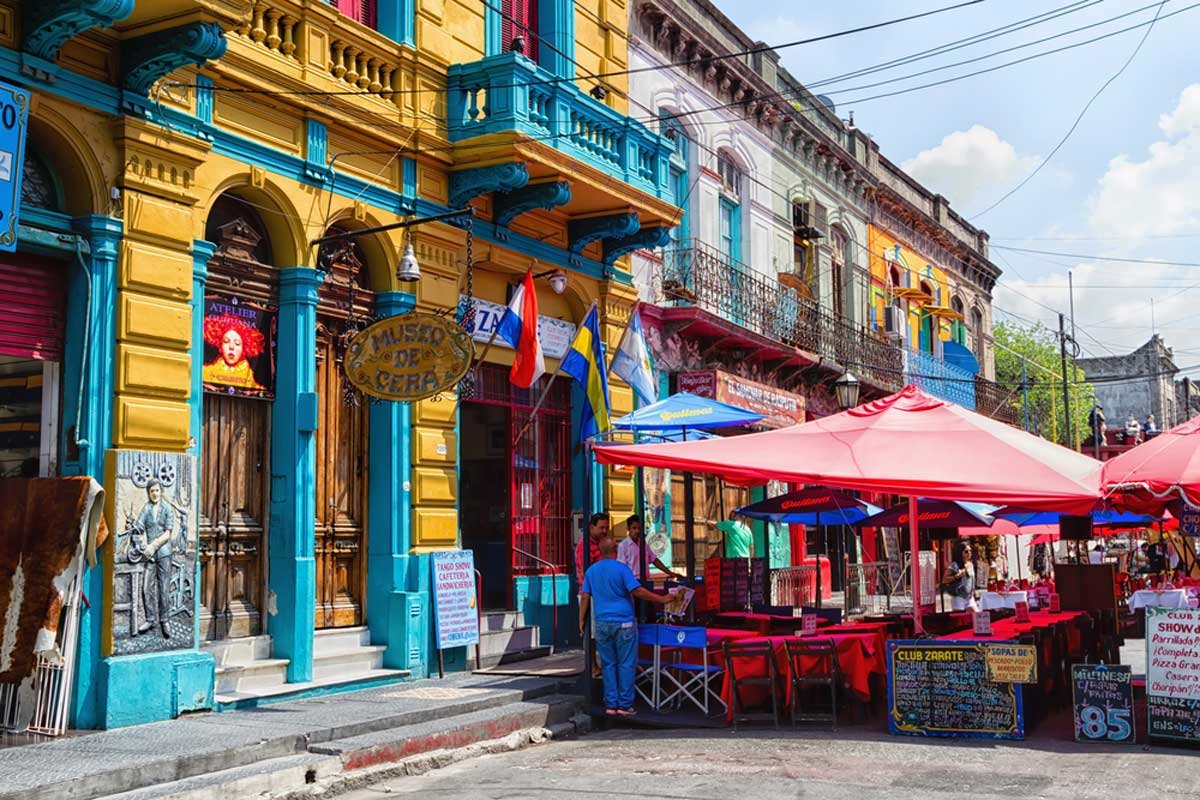
While iconic sights like the colorful houses of La Boca’s Caminito and the historic Recoleta Cemetery are essential stops, truly experiencing Buenos Aires means digging a little deeper. Beyond the postcard views, seek out a milonga (tango dance hall) outside the tourist circuits, like La Catedral, for an authentic immersion into this passionate dance. I personally found that attending a local fútbol match (if you can secure tickets ethically) offers an unparalleled glimpse into Argentinian passion. For a unique cultural fix, visit the Museo Evita for historical context or wander through the lesser-known Pasaje de la Defensa, a charming Victorian-era courtyard filled with artisan shops in San Telmo. Planning to visit Kyoto next? Make sure to explore their traditional arts too.
Buenos Aires Itinerary Ideas: From 3 Days to a Week
A Buenos Aires travel guide needs flexibility. For a short 3-day trip, focus on the core: Recoleta Cemetery, Palermo’s parks and boutiques, and a San Telmo market stroll. A 5-day itinerary allows for deeper exploration of La Boca, a tango show, and perhaps a day trip. With a full week, you can truly savor the city, incorporating culinary tours, visiting the Teatro Colón, and exploring distinct barrios like Villa Crespo. This provides a balanced mix of iconic sights and local experiences, something I always aim for when I plan my travels.
Where to Stay in Buenos Aires: A Neighborhood Deep Dive
Choosing the right neighborhood is crucial for your Buenos Aires experience. Palermo is a vast, trendy district famous for its nightlife, restaurants, and boutiques, offering everything from luxury hotels to stylish Airbnb apartments. Recoleta exudes old-world elegance with its grand architecture, upscale shops, and proximity to major museums; it’s ideal for those seeking sophistication and is often favored by first-time visitors. San Telmo, the city’s bohemian heart, boasts cobblestone streets, antique markets, and a vibrant, gritty charm, perfect for budget travelers and those seeking authenticity. Villa Crespo offers a more local, evolving vibe with great street art and independent shops. My personal preference in 2026 is shifting towards areas within Palermo like Hollywood or Soho for their energetic yet manageable atmosphere.
Comparing Accommodation Styles in Buenos Aires
When deciding where to stay in Buenos Aires, the style of accommodation greatly impacts your budget and experience. Hostels offer the cheapest option, often with social atmospheres, while boutique hotels in areas like Palermo Soho provide unique decor and personalized service, typically costing $100-$200 USD per night. Renting an apartment via Airbnb or similar platforms can be cost-effective for longer stays or families, giving you a local feel, though check for hidden fees. Luxury hotels, particularly in Recoleta, offer amenities like spas and fine dining, with prices starting from $250 USD and going upwards. We found that apartments often offer better value for stays over 4 nights, especially if you plan to cook some meals.
Navigating Buenos Aires: Your Public Transport & Getting Around Guide
Getting around Buenos Aires is surprisingly efficient and affordable, primarily using the SUBE card for public transport. The subway system, the Subte, is extensive and connects major areas; Line A is particularly historic, retaining some of its original 1913 charm. Buses, known as colectivos, cover virtually the entire city and are incredibly frequent – you’ll see numbers like 152 or 60 everywhere. For example, to get from the Obelisco to Palermo, a colectivo is often more direct than the Subte. Taxis and ride-sharing apps like Uber are readily available but can be more expensive, especially during peak hours. While walking is best for exploring specific neighborhoods, mastering the colectivos system will save you significant money. Most guides simplify this, but understanding the SUBE card is non-negotiable.
Budget Breakdown: How Much Does Buenos Aires Cost in 2026?
Understanding costs is key for any Buenos Aires travel guide. In 2026, you can expect daily expenses to vary significantly by travel style. A budget traveler might spend $40-$60 USD per day (hostel dorm, local empanadas, free activities). A mid-range traveler, enjoying boutique hotels or apartments, good restaurants, and occasional taxis, could budget $100-$180 USD daily. Luxury travelers, opting for high-end hotels, fine dining, private tours, and frequent taxis, should plan for $250+ USD per day. Argentina’s economic situation can cause inflation, so always have a buffer. Remember that the official exchange rate differs significantly from the blue dollar rate (informal, but widely used), which can stretch your money further if handled correctly.
| Category | Budget Traveler (USD) | Mid-Range Traveler (USD) | Luxury Traveler (USD) |
|---|---|---|---|
| Accommodation (per night) | $15 – $30 (Hostel) | $80 – $150 (Boutique Hotel/Apartment) | $250+ (Luxury Hotel) |
| Food (per day) | $15 – $25 (Street Food, Casual Cafes) | $40 – $70 (Mid-Tier Restaurants, Cafes) | $100+ (Fine Dining, Premium Steakhouses) |
| Transport (per day) | $2 – $5 (Subte/Colectivo) | $10 – $20 (Mix of Public Transport & Taxis) | $30+ (Mostly Taxis/Private Transfers) |
| Activities/Entrances (per day) | $10 – $15 (Select Museums, Free Parks) | $25 – $50 (Multiple Museums, Guided Tours) | $75+ (Private Tours, Premium Experiences) |
The Heartbeat of Buenos Aires: Tango, Food & Culture
Buenos Aires is synonymous with tango, an art form that permeates the city’s soul. You can experience professional shows, take beginner classes, or, for the truly immersed, visit a milonga. The city’s culinary scene is equally legendary, heavily influenced by Italian and Spanish immigrants. Argentinian steak (asado) is a non-negotiable experience; seek out local parrillas for an authentic taste. Beyond steak, try empanadas, milanesa, and dulce de leche. The coffee culture is strong too; many cafes serve excellent espresso. This vibrant culture is why many consider it a top destination, rivaling places like Barcelona for sheer cultural richness.
Argentina Food: What to Eat Beyond the Steak
While the asado is king, Argentinian food offers much more. You absolutely must try locro, a hearty corn stew, especially during winter. Choripán, a grilled chorizo sausage in a bun, is a popular street food snack. For dessert, flan con dulce de leche is a classic. Wine lovers will rejoice; Argentina is famous for its Malbec. When dining, remember that service charges are often included; tipping an additional 10% in cash for good service is customary. Most guides fail to mention alfajores, delicious sandwich cookies filled with dulce de leche, which are ubiquitous and addictive.
Exploring Buenos Aires’ Iconic Neighborhoods (Barrios)
Each barrio in Buenos Aires has its own distinct personality, shaping your Buenos Aires travel guide experience. Palermo, split into Soho (boutiques, trendy cafes) and Hollywood (film studios, bars), is the modern, chic face. Recoleta is about stately elegance, grand architecture, and high-end shopping. San Telmo offers a gritty, bohemian vibe with antique shops and tango on the streets, especially vibrant on Sundays during its famous market. La Boca, known for the colorful Caminito street and football club Boca Juniors, is visually striking but requires more caution. Puerto Madero is the modern waterfront district with upscale restaurants and converted docks. This variety means there’s a corner of Buenos Aires for every traveler.
A Deeper Look: San Telmo and La Boca
San Telmo, with its cobblestone streets and preserved colonial architecture, feels like stepping back in time. It’s the historical heart, where the Sunday street market (Feria de San Telmo) transforms Plaza Dorrego into a bustling hub of antiques, crafts, and street performers. This is where I spent hours hunting for vintage treasures, a truly rewarding experience. La Boca, on the other hand, is famous for the vibrant, colorful buildings along El Caminito, a pedestrian street museum showcasing tango dancers and artists. While visually stunning, it’s important to stick to the main tourist areas, as venturing off the beaten path can be less safe. Understanding this contrast is key to appreciating the city’s diverse character.
Day Trips from Buenos Aires: Expanding Your Argentinian Horizons
If you have extra time, consider a day trip to experience more of Argentina. The Tigre Delta offers a charming escape with its network of rivers and islands, accessible via a scenic train ride. You can explore quaint riverside towns, kayak, or visit the Puerto de Frutos market. Another popular option is a visit to a traditional estancia (ranch) in the Pampas for a taste of gaucho culture, complete with horseback riding and an authentic asado. These trips offer a fantastic contrast to the urban energy of Buenos Aires itself. Planning a trip to Machu Picchu? Day trips are also essential there.
Staying Safe in Buenos Aires: Essential Tips
Buenos Aires is generally safe for tourists, but like any major city, petty crime is a concern. The most common issue is pickpocketing, especially in crowded areas like public transport, busy markets (like San Telmo), and tourist hotspots. Always be aware of your surroundings, keep valuables secure and out of sight, and avoid displaying expensive jewelry or electronics. Taxis should be official or booked via reputable apps. I’ve learned that simply looking confident and not appearing lost significantly deters potential thieves. For 2026, the safety situation remains consistent with previous years, requiring vigilance but not undue alarm.
Understanding Argentinian Customs & Etiquette
Argentinians are generally warm and hospitable, but understanding local customs enhances your interactions. Greetings often involve a single kiss on the cheek, even between men and women upon first meeting. Punctuality is more relaxed for social gatherings – arriving 15-30 minutes after the stated time is common. When invited to someone’s home, bringing a small gift like wine or chocolates is appreciated. In restaurants, it’s polite to wait to be seated. Most guides don’t mention the importance of sobremesa, the leisurely time spent chatting at the table after a meal; it’s a cherished part of Argentinian social life.
Learn Basic Spanish Phrases for Your Buenos Aires Trip
While many people in tourist areas speak some English, knowing basic Spanish phrases will significantly enrich your Buenos Aires travel guide experience and connect you with locals. Essential phrases include:
- Hola (Hello)
- Gracias / Muchas gracias (Thank you / Thank you very much)
- Por favor (Please)
- ¿Cuánto cuesta? (How much does it cost?)
- ¿Dónde está el baño? (Where is the bathroom?)
- Quiero… (I want…)
- La cuenta, por favor (The bill, please)
- ¡Salud! (Cheers!)
Locals genuinely appreciate the effort, and it can lead to more authentic interactions and even better service. This is a simple but powerful way to engage with the culture, much like understanding local customs in Rome.
Frequently Asked Questions
How much time do you need in Buenos Aires?
A minimum of 3 full days is recommended to see the main highlights, but 5-7 days allow for a much deeper and more relaxed exploration of the city’s diverse neighborhoods and culture.
What are the best things to do in Buenos Aires?
Key attractions include visiting Recoleta Cemetery, exploring the colorful streets of La Boca (Caminito), experiencing a tango show or milonga, enjoying world-class steaks at a parrilla, and wandering through the markets and boutiques of Palermo and San Telmo.
Where should I stay in Buenos Aires?
Palermo is ideal for trendy nightlife and dining, Recoleta offers classic elegance and museums, and San Telmo is perfect for a bohemian vibe with antique markets and tango culture. Choose based on your preferred atmosphere and budget.
Is Buenos Aires safe for tourists?
Buenos Aires is generally safe, but petty theft like pickpocketing is common in crowded areas. Staying aware of your surroundings, securing valuables, and avoiding risky areas after dark are important safety precautions.
What is the best way to get around Buenos Aires?
The SUBE card is essential for using the efficient Subte (subway) and extensive bus network (colectivos). Taxis and ride-sharing apps are also available but are more costly.
What food should I try in Buenos Aires?
Don’t miss the Argentinian steak (asado), empanadas, milanesa, choripán, and sweet dulce de leche. Trying local Malbec wine is also highly recommended.
Ready to plan your own adventure in the ‘Paris of South America’? Buenos Aires offers a captivating blend of European grandeur and Latin passion. Whether you’re drawn by the tango, the steaks, or the vibrant street life, this city promises an unforgettable experience. Start planning your trip today and discover the magic for yourself!






One Response