
Forget everything you thought you knew about this city. The classic neon signs might be thinning out, but the raw, unpolished energy of Kowloon at midnight? That hasn’t changed a bit.
If you are searching for a highly practical, completely updated Hong Kong travel guide for 2026, you are in the right place. Most older resources still tell you to stand in massive queues at the airport to buy a physical transit card. They completely ignore the massive post-2024 cultural shifts. They either write exclusively for broke backpackers or billionaire shoppers.
We are going to do things differently.
This Hong Kong travel guide bridges the gap. We are breaking down exactly how to navigate the city using your smartphone, where to find world-class dim sum without the tourist markups, and how to balance the concrete jungle with the actual, literal jungle covering 70% of the territory.
Let’s get into it.
Table of Contents
- 1. The 2026 Vibe Check
- 2. Pre-Trip Logistics: The Digital Octopus Hack
- 3. Getting Around: An MTR Masterclass
- 4. Where to Stay: Neighborhood Breakdown
- 5. Top Things to Do in Hong Kong
- 6. Foodie Blueprint: Dim Sum & Cha Chaan Tengs
- 7. Done-For-You Itineraries (Including Macau)
- 8. 2026 Hong Kong Budget Breakdown
- 9. Accessibility & Navigating the Hills
- 10. Frequently Asked Questions
The 2026 Vibe Check: What to Expect Right Now
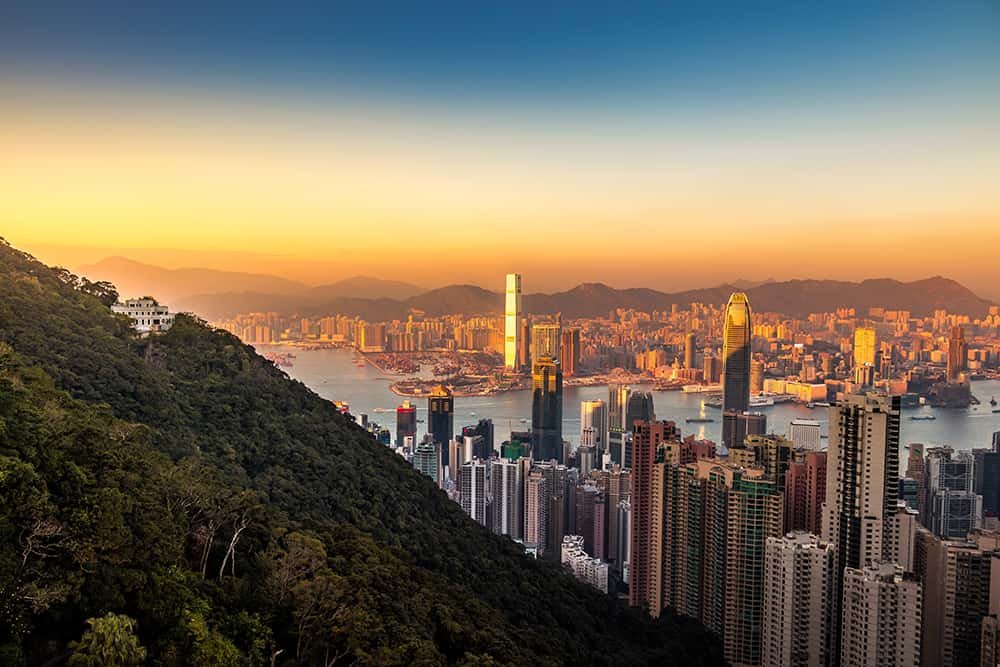
Hong Kong hits different today. Over the past few years, a massive wave of development has transformed the harborfront. If you read a Hong Kong travel guide written in 2019, you won’t hear a whisper about the West Kowloon Cultural District. Today, it is the beating heart of the city’s modern art scene.
You still have the traditional incense smoke swirling through Man Mo Temple. You still have the ding ding trams rattling through Central. But now, it is overlaid with a highly digitized, extremely efficient infrastructure.
Expect thick humidity. Expect chaotic, shoulder-to-shoulder street markets. Expect to eat better than you ever have in your life.
Pre-Trip Logistics: The Digital Octopus Hack
Every single old Hong Kong travel guide tells you to land at Chek Lap Kok, find the Airport Express counter, and buy a tourist Octopus card. Stop doing this.
As of 2026, the entire city runs on contactless payment, and setting this up before your plane even touches the tarmac is the single best travel hack you can use.
The Apple Wallet / Google Pay Setup
You can add a Tourist Octopus Card directly to your Apple Wallet or Google Wallet. Open your wallet app, tap the ‘+’ sign, search for transit cards, and select Hong Kong. You can top it up instantly using your home credit card via Apple Pay. When you arrive, you just tap your phone on the turnstiles. You do not even need to wake your screen.
Visas and Connectivity
Most Western passports still get visa-free entry for 90 days. But do not rely on public Wi-Fi. Download an eSIM (like Airalo or Holafly) a week before you fly. Activate it when you land. Having instant access to Google Maps is non-negotiable because this city is built vertically, and getting lost in multi-level malls is a daily occurrence.
Getting Around: An MTR Masterclass
Hong Kong has arguably the greatest public transit system on planet Earth. The MTR (Mass Transit Railway) is spotlessly clean, heavily air-conditioned, and runs with terrifying punctuality.
But here is a secret missing from every generic Hong Kong travel guide: Pay obsessive attention to the exit letters.
MTR stations are massive underground labyrinths. Central Station has over a dozen exits (A, B, C, D1, D2, etc.). Taking Exit B instead of Exit C might spit you out three blocks away from your destination, forcing you to cross six lanes of heavy traffic on a sweaty pedestrian bridge. Always check Google Maps for the exact exit letter.
Other transport modes you must use:
- The Star Ferry: It costs less than a dollar. It crosses Victoria Harbour. It offers the best skyline views in the world. Ride it at sunset.
- The Ding Ding: The double-decker trams on Hong Kong Island are slow, incredibly cheap, and perfect for sightseeing from the top deck.
- The Airport Bus (A11/A21): While the Airport Express train is faster (24 minutes), the double-decker A-buses give you a phenomenal front-row view of the Tsing Ma bridge and the city skyline as you arrive.
Where to Stay: Neighborhood Breakdown
Choosing your base dictates your entire trip vibe. If you want pure isolation and quiet beaches, you are better off reading our Maldives travel guide. Hong Kong is dense, loud, and proud of it.
Central / Sheung Wan (Hong Kong Island)
Best for first-timers with a higher budget. You are surrounded by high-end dining, expat bars in Soho, and easy access to the Peak Tram. It is hilly, though. Expect a leg workout.
Tsim Sha Tsui (Kowloon)
Best for iconic views. TST sits right on the harbor facing the island skyline. It is packed with luxury malls, budget guesthouses inside the infamous Chungking Mansions, and incredible museums.
Mong Kok (Kowloon)
Best for street food and sensory overload. This is one of the most densely populated places on earth. Neon signs, sneakers markets, and night markets make it a photographer’s dream.
Top Things to Do in Hong Kong (Beyond the Obvious)
A good Hong Kong travel guide balances the heavy-hitters with local favorites.
The Modern Cultural Boom (Post-2024)
The West Kowloon Cultural District is massive. You must visit the M+ Museum, Asia’s first global museum of contemporary visual culture. The architecture alone is worth the trip. Right next door is the Hong Kong Palace Museum, displaying priceless artifacts from Beijing’s Forbidden City.
The Icons You Actually Shouldn’t Skip
Some tourist traps are traps for a reason. The Victoria Peak Tram is fully revamped for 2026 with larger capacity cars. Go early in the morning to beat the crowds. The Tian Tan Buddha (Big Buddha) on Lantau Island requires a scenic glass-bottom cable car ride that is wildly beautiful.
Concrete Jungles to Actual Jungles
Did you know 70% of Hong Kong is protected green space? Skip the city for a day.
- Dragon’s Back Hike: An easy, undulating ridge hike that ends at Big Wave Bay. Grab a beer and jump in the ocean.
- Sai Kung: A coastal town known for fresh seafood and volcanic rock formations in the Geopark. Rent a kayak and explore the empty beaches.
Foodie Blueprint: Cha Chaan Tengs & Dim Sum Hong Kong
You cannot write a Hong Kong travel guide without dedicating serious real estate to the food. The culinary scene here is staggering.
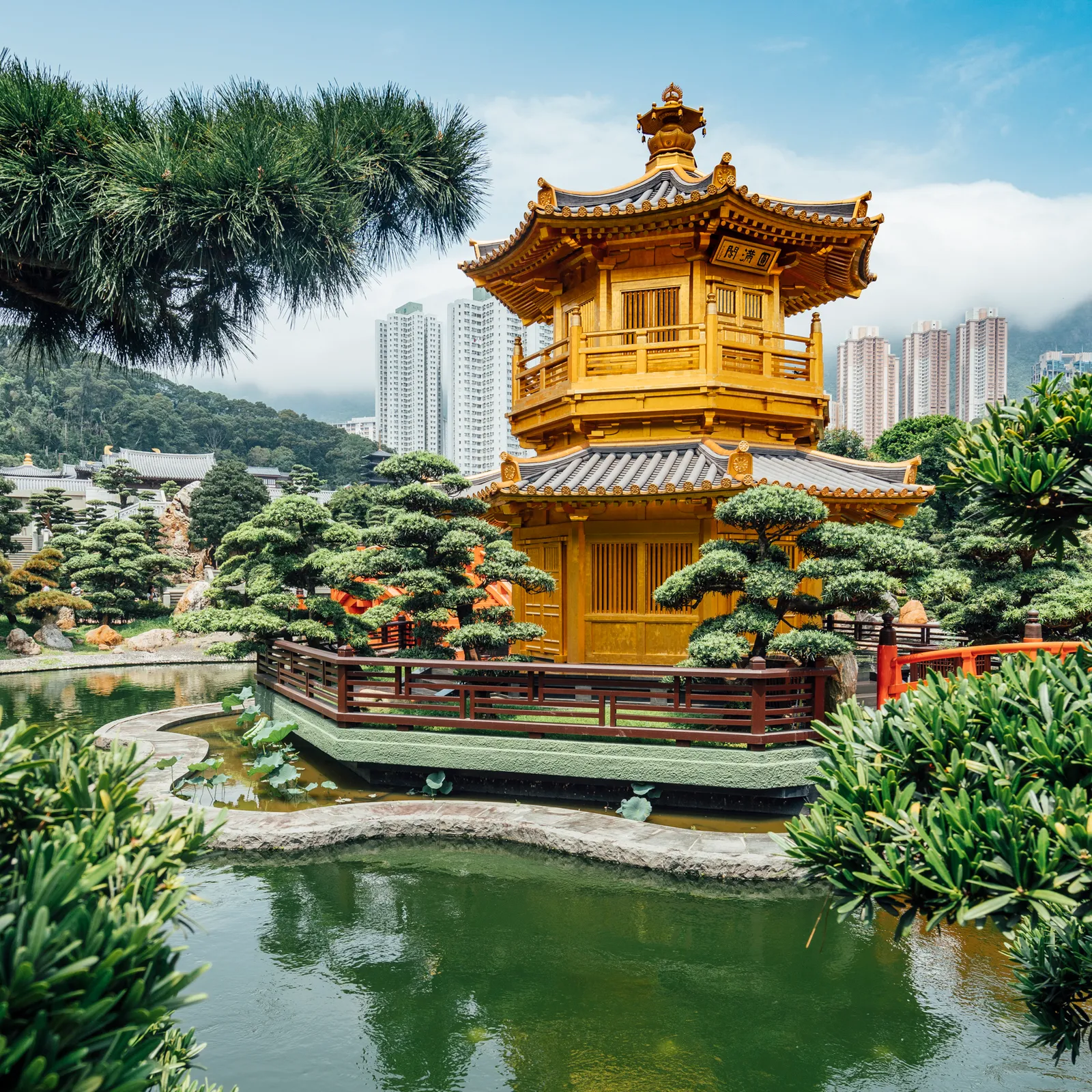
Let’s talk about the Cha Chaan Teng (local diner). These places are loud, fast, and completely unapologetic. You will sit in a booth with strangers. The waiter will slam a glass of hot tea on the table. Do not drink it.
Local etiquette dictates you use this first cup of hot tea to wash your chopsticks and bowls. Pour the tea over your utensils into a large plastic bowl provided. Then, order a crispy pineapple bun with a thick slab of cold butter, paired with iced milk tea. It is a sugary, caloric masterpiece.
When it comes to dim sum Hong Kong is obviously the world capital. From hole-in-the-wall joints in Sham Shui Po to three-Michelin-starred dining rooms in Central, the rules remain the same. Tap two fingers on the table to silently say “thank you” when someone pours your tea. Never leave your chopsticks sticking upright in your rice. Try the Har Gow (shrimp dumplings) and Siu Mai (pork dumplings) everywhere you go.
Done-For-You Hong Kong Itinerary (Including Macau)
Crafting a Hong Kong itinerary is all about grouping neighborhoods so you don’t spend half your day on the MTR.
The 3-Day Hit List
Day 1 is all about the Island. Take the Peak Tram up in the morning. Wander down through Soho and Central. Grab lunch at a local noodle shop. Take the Star Ferry across the harbor at sunset to watch the Symphony of Lights from Tsim Sha Tsui.
Day 2 focuses on Kowloon culture. Start at the M+ Museum. By afternoon, head north to Mong Kok. Walk the Goldfish Market, the Ladies Market, and eat your way through the street food stalls on Dundas Street.
Day 3 brings you to Lantau Island. Ride the Ngong Ping 360 cable car to the Big Buddha. Hike around the monastery, then take a bus to Tai O, a traditional fishing village built on stilts.
The 5-Day Explorer (Add a Macau Day Trip)
If you have five days, you must squeeze in a Macau day trip. Much like planning logistics in our Niagara Falls travel guide, border crossings require a bit of planning.
Macau is just a one-hour ferry ride (Cotai Water Jet or TurboJET) away, or a quick bus ride across the massive HZMB bridge. You don’t need a separate visa for most passports. Spend the morning eating Portuguese egg tarts in the historic ruins of St. Paul’s, and the afternoon wandering the massive casino floors of the Cotai Strip.
The 7-Day Deep Dive
With a full week, dedicate two days entirely to nature. Hike the rugged trails of Sai Kung or take a ferry to Lamma Island. Lamma is car-free, deeply relaxed, and packed with hippie cafes and incredible seafood restaurants right on the docks.
2026 Hong Kong Budget Breakdown
A major flaw in every other Hong Kong travel guide on page one of Google is that they hide the real costs. Let’s be transparent. Hong Kong is not cheap. It is comparable to New York or London when it comes to accommodation.
Here is a realistic daily budget breakdown (per person) for 2026, calculated in USD:
| Expense Category | Backpacker ($) | Mid-Range ($$) | Luxury ($$$) |
|---|---|---|---|
| Accommodation | $35 – $60 (Hostel/Pod) | $120 – $250 (Boutique Hotel) | $400+ (5-Star Harbor View) |
| Food & Drink | $20 – $35 (Street food, noodles) | $60 – $100 (Sit-down meals, drinks) | $200+ (Michelin dining, cocktails) |
| Transportation | $5 (MTR, Trams, Ferries) | $15 (MTR + occasional Uber) | $50+ (Private cars, Taxis) |
| Activities | $10 (Free museums, hiking) | $30 (Peak Tram, Cable Car) | $100+ (Private tours, spa) |
| Daily Total | $70 – $110 | $225 – $395 | $750+ |
Accessibility & Navigating the Hills
Most blogs skip this entirely. Traveling with a stroller or a wheelchair in Hong Kong presents unique challenges. The geography of Hong Kong Island is essentially a steep mountain dropping into the sea.
Central and Soho are connected by the Mid-Levels Escalator system, but side streets often have steep stairs. Stick to the coastal areas (Tsim Sha Tsui, West Kowloon, Wan Chai) for flatter, highly accessible promenades.
The MTR system is actually fantastic for accessibility. Every major station has clearly marked elevators from the street level down to the platform level. The Discover Hong Kong official website offers excellent updated maps highlighting step-free routes for tourists.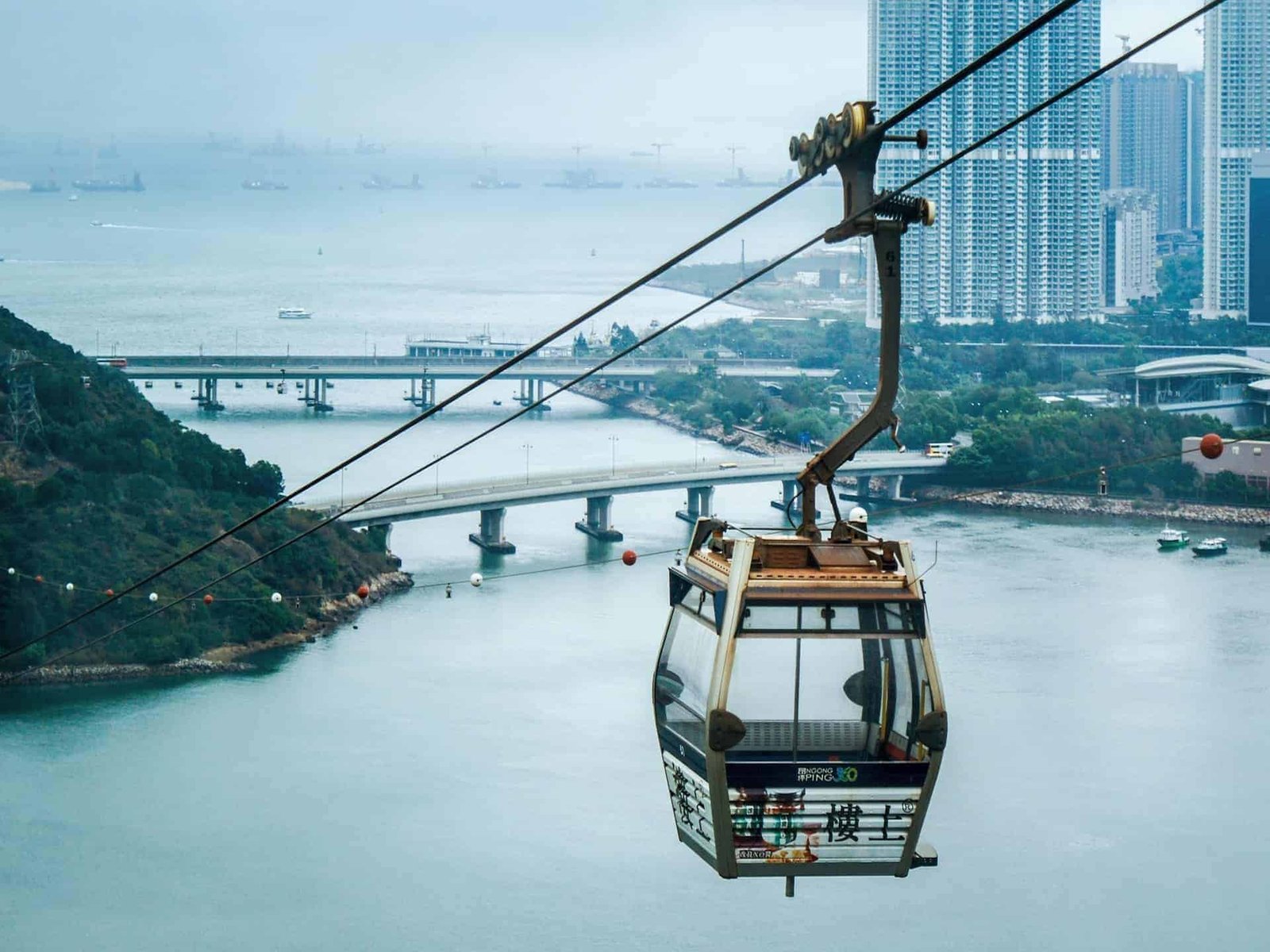
Frequently Asked Questions
To wrap up this Hong Kong travel guide, let’s cover a few rapid-fire Hong Kong tips that first-timers always ask.
What is the best month to visit Hong Kong?
Late October through early December is the golden window. The brutal summer humidity breaks, typhoon season ends, and the skies are clear and blue. Spring is very foggy, and summer (July/August) is punishingly hot.
Do I need cash in Hong Kong in 2026?
Barely. Your digital Octopus card on your phone will cover 90% of your expenses (MTR, buses, 7-Eleven, most local restaurants). However, you should carry about 500 HKD in cash for very old-school street food stalls or traditional wet markets.
Is tipping expected in Hong Kong?
Not really. Most sit-down restaurants automatically add a 10% service charge to your bill. You do not need to add more. For cha chaan tengs or street food, you simply pay the exact amount listed. No tip required.
How long does a Macau day trip take?
A proper Macau day trip requires at least 10 to 12 hours. The ferry takes 60 minutes each way, but you need to factor in passport control on both sides. Leave your Hong Kong hotel by 8:00 AM to maximize your time.
Is English widely spoken in Hong Kong?
Yes. English is an official language alongside Chinese (Cantonese). All street signs, MTR announcements, and restaurant menus are bilingual. You will have zero issues navigating the city using only English.
That concludes the best Hong Kong travel guide you’ll read this year. Stop stressing over the planning, download your digital transit card, and get ready to eat your weight in dumplings. Safe travels.








2 Responses