Your Essential Rome Travel Guide: Unlocking the Eternal City’s True Magic
Imagine this: you’ve dreamt of Rome, seen the postcards, maybe even watched a classic movie or two. But when you finally arrive, you’re faced with endless queues, confusing public transport, and the nagging feeling you’re missing out on the real, authentic experience. It’s a common problem, isn’t it?
Trust me, planning a trip to Rome can feel like an impossible task, with so much history, art, and delicious food packed into one incredible city. However, I’ve spent countless hours wandering its ancient streets, sipping espresso in hidden piazzas, and discovering its true heart. And now, I’m here to share every secret, every proven tip, so your visit to Rome, following this Rome travel guide, doesn’t just scratch the surface, but dives deep into its ancient soul.
This isn’t just another checklist of tourist spots. This is your personal handbook to navigate the Eternal City like a local, packed with practical advice, cultural insights, and those little nuggets of information that make all the difference. Get ready to experience Rome, not just see it, with this comprehensive Rome travel guide.
Why Rome Casts Such a Powerful Spell
Rome, oh Rome! It’s a city that practically hums with history, where every cobblestone has a story and every archway whispers tales of emperors and gladiators. Seriously, you can’t walk five feet without tripping over an ancient ruin or a baroque masterpiece. From the mighty Colosseum to the serene Vatican City, it’s a living museum, yet it pulses with vibrant, modern life. This Rome travel guide will help you understand why.
There’s a reason people come back again and again. It’s the unique blend of the ancient and the contemporary, the solemn and the joyful, the familiar and the surprising. It really gets under your skin, in the best possible way, and while this Rome travel guide will certainly point you to the highlights, it aims to help you feel that magic too..
The Unmissable Icons: Things to Do in Rome
Let’s be honest, you can’t come to Rome and skip the big hitters. These are the places that define the city, and for good reason. Just remember, a little planning goes a long way to avoid the biggest crowds.
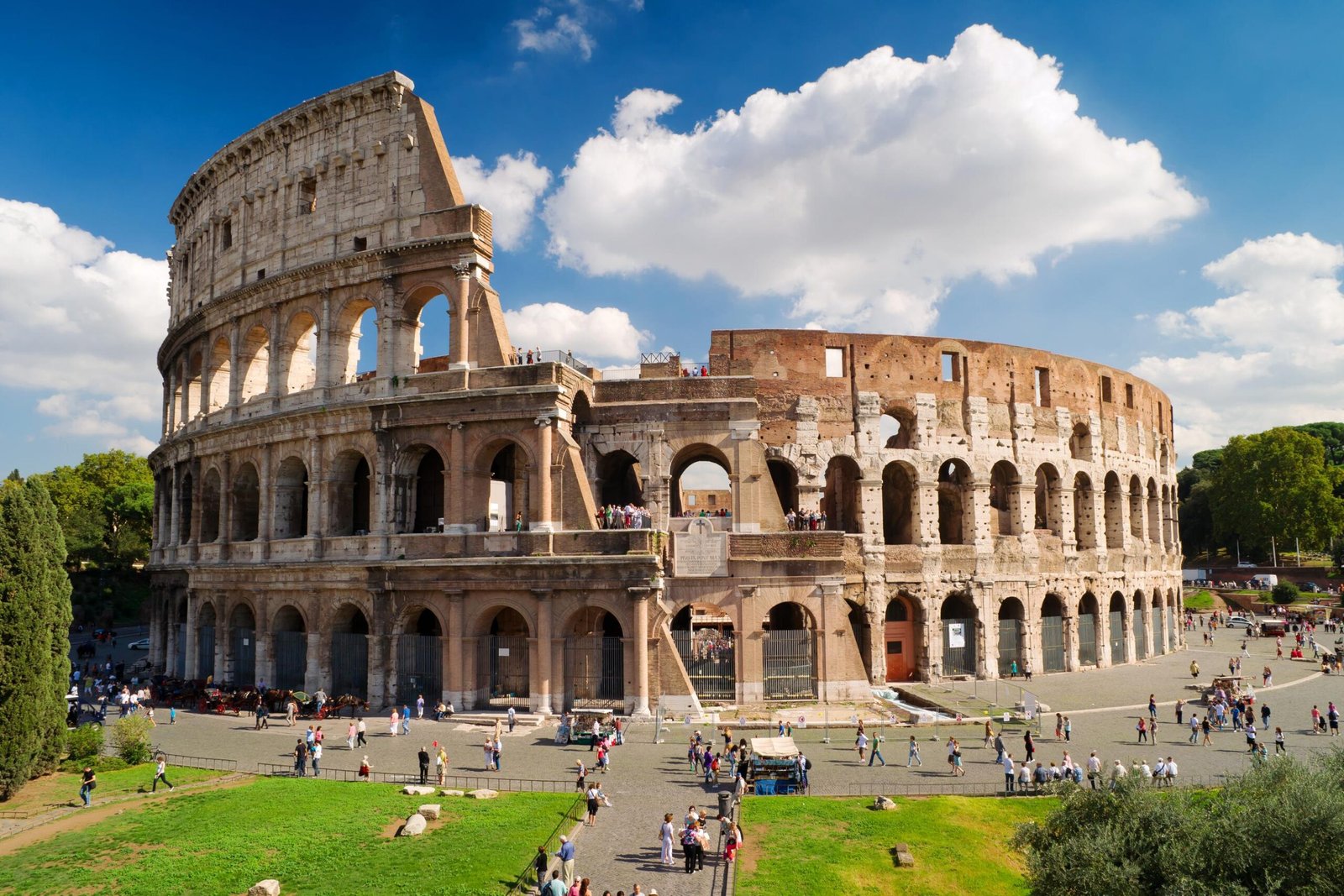
- The Colosseum & Roman Forum: Step back in time, literally thousands of years. The sheer scale of the Colosseum will blow your mind, and wandering through the ruins of the Roman Forum, where Caesar once walked, is an experience you won’t soon forget. Book timed entry tickets well in advance – this is non-negotiable! Consider a joint ticket that includes Palatine Hill for even more historical immersion.
- Vatican City: An independent state within Rome, home to the Pope, St. Peter’s Basilica, and the Vatican Museums (including the Sistine Chapel). The art here is astounding. Again, pre-book your tickets for the Vatican Museums; the lines can be brutal. Remember the strict dress code for both the Basilica and Museums: shoulders and knees must be covered for all visitors, men and women alike.
- The Pantheon: This ancient Roman temple, now a church, boasts the largest unreinforced concrete dome in the world, and it’s been standing for nearly two millennia. It’s free to enter, but expect crowds. Pop in early morning or late afternoon for a quieter visit, or simply admire its grandeur from Piazza della Rotonda.
- Trevi Fountain: Throw a coin, make a wish! This Baroque masterpiece is stunning, especially when lit up at night. Be prepared for crowds, but it’s worth it for the photo op and the tradition. Just don’t try to actually swim in it (you’ll get a hefty fine!).
- Spanish Steps: A grand staircase connecting Piazza di Spagna with the Trinità dei Monti church. A popular spot to sit, people-watch, and enjoy the atmosphere, though sitting on the steps themselves is now prohibited. The piazza below is still lively and perfect for enjoying the Roman vibe.
Crafting Your Rome Itinerary: More Than Just Sightseeing
How many days do you really need? It’s the age-old question, isn’t it? While you could spend a lifetime exploring Rome, most visitors have a few days. Here are a few itinerary ideas, tailored for different vibes, as part of your comprehensive Rome travel guide.
A Quick Glimpse: Rome in 3 Days
This Rome itinerary is perfect for first-timers who want to hit the major highlights without feeling too rushed. Planning a trip to Rome for a short stay needs smart choices!
- Day 1: Ancient Rome. Morning: Colosseum & Roman Forum (pre-booked tickets!). Afternoon: Walk to Capitoline Hill for great views, then head to the Pantheon. Evening: Dinner in the lively Monti neighborhood, famous for its independent boutiques and trattorias.
- Day 2: Vatican & Baroque Beauty. Morning: Vatican Museums & St. Peter’s Basilica (again, pre-booked!). Afternoon: Castel Sant’Angelo, then across the Tiber to Piazza Navona and the Trevi Fountain. Evening: Grab a pizza and stroll through Trastevere, soaking in its evening atmosphere.
- Day 3: Art, Shopping & Sweet Treats. Morning: Borghese Gallery & Gardens (must book weeks ahead, they limit entry!). Afternoon: Spanish Steps, explore Via del Corso for some shopping. Evening: Gelato crawl and a farewell aperitivo in a charming piazza.
Itineraries for Every Traveler
Your Rome travel guide shouldn’t be one-size-fits-all. Let’s customize!
- Family-Friendly Itinerary: Focus on engaging experiences. Think Gladiator School for kids, a pizza-making class, exploring the catacombs (a fascinating, slightly spooky adventure), Villa Borghese for bike rentals, and plenty of gelato breaks. The Explora Children’s Museum is also a hit, offering hands-on learning.
- Art Lover’s Itinerary: Beyond the Vatican, explore Galleria Borghese, Palazzo Doria Pamphilj, the MAXXI Museum (contemporary art), and the countless churches adorned with Caravaggio and Bernini. Don’t forget the incredible street art in areas like Ostiense, offering a different artistic perspective.
- Budget Traveler’s Itinerary: Embrace free attractions like the Pantheon, Trevi Fountain, Spanish Steps, and St. Peter’s Basilica. Picnics in parks (Villa Borghese is great!), free walking tours, market visits (like Campo de’ Fiori), and plenty of cheap, delicious street food (pizza al taglio!) are your friends. This allows you to soak up the city’s atmosphere without breaking the bank.
Where to Stay in Rome: Finding Your Perfect Perch
Choosing the right neighborhood can really shape your experience. Do you want bustling nightlife, quiet charm, or easy access to major sites? A good Rome travel guide always considers accommodation options carefully.
- Trastevere: Cobblestone streets, vibrant nightlife, fantastic food scene. It’s charming but can be noisy in the evenings. Great for a romantic vibe or if you love dining out, and often features quaint boutique hotels.
- Monti: Hip, bohemian, full of independent boutiques and cool bars. Close to the Colosseum and Roman Forum, but still feels local. It’s my personal favorite if you’re looking for a stylish yet relaxed atmosphere, with great transport links.
- Prati: Upscale, elegant, close to Vatican City. Quieter than central areas, with lovely shops and restaurants. Perfect if you prefer a more refined stay and easier access to St. Peter’s.
- Testaccio: Authentic, food-focused, less touristy. This is where locals go for real Roman cuisine, particularly famous for its traditional trattorias and the bustling Testaccio Market. If you want to eat incredibly well and experience true Roman life, consider Testaccio.
When searching for luxury hotels Rome or budget stays, always check reviews carefully, especially regarding noise levels and proximity to public transport. Location is key for convenience and enjoyment!
The Real Deal: Your Rome Food Guide
Oh, the food! Roman cuisine is simple, honest, and utterly delicious. Forget everything you know about Olive Garden; this is the real deal. No Rome travel guide is complete without a deep dive into its incredible food scene.
- Pasta: Four must-try dishes: Cacio e Pepe (cheese and pepper, deceptively simple but incredibly flavorful), Carbonara (eggs, guanciale, pecorino romano – no cream, ever!), Amatriciana (guanciale, tomato, pecorino), and Gricia (guanciale and pecorino, often called the “white Amatriciana”).
- Pizza: Roman pizza is typically thin-crust and crispy, unlike the Neapolitan chewy style. Try a Pizza al Taglio (pizza by the slice) for a quick, cheap, and tasty lunch – perfect for on-the-go exploration.
- Gelato: Not all gelato is created equal. Look for small, artisanal shops (gelaterie artigianali) that store their gelato in covered metal containers, not brightly colored, piled-high mounds. My favorite? Pistachio and Hazelnut, always, for their rich, authentic flavors.
- Supplí: Fried rice balls, often with tomato sauce and a melted mozzarella center. A perfect Roman street snack, especially before dinner or as an appetizer.
- Breakfast: A classic Italian breakfast is a cornetto (croissant, often filled with cream or jam) and a cappuccino. Remember, don’t order a cappuccino after 11 AM; it’s strictly considered a breakfast drink by locals!
To find the best restaurants Rome has to offer, venture slightly off the main tourist paths. Look for places packed with Italian speakers. A truly local gem, I’ve found, often doesn’t have an English menu prominently displayed, which is usually a good sign.
“Rome is not like any other city. It’s a big, messy, beautiful, complicated family dinner, and you’re invited to the table. Embrace the chaos, savor every bite, and let it charm you.”
Smart Moves: Practical Tips for Planning a Trip to Rome
A little preparation avoids a lot of frustration. This section of your Rome travel guide is packed with essential advice for planning a trip to Rome.
Getting Around: Your Comprehensive Public Transportation Guide
Rome’s public transport system (ATAC) includes buses, trams, and a metro. It’s extensive, though sometimes a bit chaotic due to traffic and frequent strikes (though these are usually announced in advance).
- Metro: The fastest way to cover long distances, with three lines (A, B, C). Line A connects the Vatican and Spanish Steps, while Line B serves the Colosseum and Termini Station. It’s efficient for hitting major landmarks quickly.
- Buses & Trams: Excellent for shorter distances and reaching areas not served by the metro. Google Maps is your friend here for real-time routes and schedules. Be aware that buses can be very crowded during peak hours.
- Tickets: You’ll need a BIT (Biglietto Integrato a Tempo) for 100 minutes of travel, or a daily, 48-hour, 72-hour (ROMACARD), or weekly pass. Buy them at metro stations, tabacchi (tobacco shops, identifiable by a prominent ‘T’ sign), or newsstands. Crucially, validate your ticket immediately upon boarding a bus/tram or entering a metro station. Fines for unvalidated tickets are hefty!
Here’s a quick comparison of your main transport options in Rome:
Choosing the right transport is key for your Rome travel guide adventure.
| Option | Pros | Cons | Best For | Cost (approx.) |
|---|---|---|---|---|
| Walking | Free, see hidden gems, truly soak it in, often the fastest in congested areas | Tiring, slow for long distances, cobblestones can be tricky | Short distances, exploring neighborhoods like Trastevere or Monti | Free |
| Metro | Fast, avoids traffic, good for major sites & connections | Limited coverage (only 3 lines), can be very crowded, especially Line A | Vatican City, Colosseum, Termini connections, airport transfers | €1.50 per 100 min ticket |
| Bus/Tram | Extensive network, scenic routes, good for specific neighborhoods | Traffic delays, less predictable schedules, can be crowded with pickpockets | Mid-range distances, reaching specific areas like Testaccio or Gianicolo Hill | €1.50 per 100 min ticket |
| Taxi/Ride-share | Convenient, door-to-door, good for late nights or heavy luggage | Expensive, traffic can be bad, potential for scams if not official | Airport transfers (fixed rates apply), late-night returns, group travel | €10-€30+ per ride |
| E-scooter/Bike | Fun, flexible, cover ground faster than walking, enjoy outdoor air | Cobblestones are tricky, need awareness of traffic, safety concerns | Short to medium distances, leisure rides along Tiber, exploring parks | Hourly/daily rates apply via apps |
Safety Tips & Common Scams to Avoid
Rome is generally safe, but like any major tourist city, petty crime exists. Stay vigilant and smart, and this Rome travel guide will help you avoid common pitfalls!
- Pickpockets: These are the most common threat, especially on crowded buses (like the 64 to the Vatican), metro lines, and at major attractions (Trevi Fountain, Colosseum). Keep bags zipped, worn cross-body, or in front of you. Don’t keep wallets in back pockets. Be wary of distractions.
- “Friendly” Strangers: Beware of people offering “help” with tickets at train stations, trying to put bracelets on your wrist near tourist sites, or offering roses. They expect payment and can be very persistent. Politely but firmly say “No, grazie.”
- Taxi Scams: Use official white taxis with meters. Confirm the fare before you go, especially for airport transfers (fixed rates apply from Fiumicino and Ciampino airports). Avoid unofficial drivers who approach you directly at the airport or train station.
- Restaurant Bill “Mistakes”: Always check your bill carefully, especially for extra items or inflated prices. A “coperto” (cover charge) or “servizio” (service charge) might be added, but should be clearly stated on the menu. If in doubt, ask.
Emergency Numbers: 112 (General Emergency, works across Europe), 113 (Police), 118 (Medical Emergency). Keep these handy!
Cultural Etiquette & Essential Italian Phrases
A little effort goes a long way with locals, and it definitely enhances your Rome travel guide experience!
- Greetings: Always say “Buongiorno” (good morning/afternoon until about 4 PM) or “Buonasera” (good evening) when entering a shop or restaurant, and “Grazie” (thank you) when leaving. “Ciao” is informal and best for people you know well.
- Tipping: Not as mandatory or expected as in the US. Round up your bill at restaurants to the nearest euro or leave a few euros (€5-€10 for good service) if service was excellent. For coffee, a small coin (20-50 cents) on the bar is appreciated.
- Dress Code: Smart casual is generally fine for exploring the city. For churches, remember to cover shoulders and knees, regardless of gender. It’s a sign of respect.
- Eating Times: Lunch is typically 1 PM – 2:30 PM, dinner 8 PM – 10 PM or later. Eating too early (e.g., dinner at 6 PM) might mean fewer options or tourist-trap restaurants.

Rome City
Here are a few phrases to get you started: “Per favore” (please), “Scusi” (excuse me), “Parla inglese?” (Do you speak English?), “Quanto costa?” (How much does it cost?). “Dov’è il bagno?” (Where is the bathroom?). Locals really appreciate the effort, even if your accent isn’t perfect.
Visa Requirements & Entry Information
For most US citizens, Italy is part of the Schengen Area. You can stay for up to 90 days within any 180-day period without a visa for tourism or business. However, always check the U.S. Department of State website or the official Italian Embassy’s site for the most up-to-date information before you travel, as rules can change. This detailed Rome travel guide helps ensure a smooth experience for everyone.
Accessibility Information
Rome, being an ancient city, presents challenges for travelers with mobility issues. Cobblestone streets, uneven sidewalks, and many stairs are common. However, efforts are being made:
- Metro: Most metro stations have elevators, though some older ones might not be fully accessible.
- Buses: Many newer buses are equipped with ramps. However, navigation can be difficult due to crowds and traffic.
- Attractions: Major sites like the Colosseum offer accessibility routes. The Vatican Museums also provide specific routes for wheelchairs and can offer assistance. Always check official websites for specific details before visiting and consider contacting them in advance.
- Accommodation: Look for hotels specifically marketing themselves as accessible and read reviews from other travelers with similar needs.
Digital Nomad / Remote Work Resources
Rome might not be Berlin or Lisbon for digital nomads, but it’s growing! You’ll find good Wi-Fi in most hotels and many cafes. Co-working spaces are popping up, especially in areas like Termini and Ostiense. Search for places like Talent Garden or CoWo Roma. Just be mindful of cafe etiquette; an espresso is for a quick sip, not a 3-hour work session, unless you’re ordering regularly and ideally at a larger establishment that encourages lingering. Also, always have a portable Wi-Fi hotspot as a backup!
Beyond the Postcards: Local’s Guide & Hidden Gems
Want to truly experience Rome like a local? An excellent Rome travel guide should also highlight these less-trodden paths, away from the main tourist circuit.
- Centrale Montemartini: A former power plant transformed into a museum, housing ancient Roman sculptures alongside industrial machinery. It’s cool, unique, and rarely crowded, offering a fascinating juxtaposition of history and modernity.
- Quartiere Coppedè: A fantastical, fairy-tale-like architectural complex hidden within the Trieste neighborhood. It’s like stepping into a different world, with whimsical buildings and intricate details, perfect for an afternoon stroll.
- Gianicolo Hill (Janiculum): For breathtaking panoramic views of the entire city, especially at sunset, or for the daily cannon firing at noon. It’s less crowded than some other viewpoints and offers a more serene experience.
- The Keyhole on Aventine Hill: Peek through the Knights of Malta keyhole for a perfectly framed view of St. Peter’s Basilica. It’s a classic New York City secrets style hidden gem, small but delightful.
- Appian Way Regional Park: Rent a bike and cycle along this ancient Roman road, lined with cypress trees, ruins, and catacombs. It’s a fantastic escape from the urban bustle.
When to Visit Rome: Best Time & Seasonal Activities
Timing is everything for your Rome travel guide. Choosing the right time is crucial for any Rome travel guide worth its salt.
- Spring (April-May): Pleasant weather, blooming flowers, but crowds start to pick up, especially around Easter and late May. Temperatures average 60-70°F (15-20°C). Perfect for long walks.
- Autumn (September-October): Similar to spring, with comfortable temperatures and fewer tourists than summer. Wine harvests and food festivals begin, making it my personal favorite time to visit for foodies.
- Summer (June-August): Hot, humid, and very crowded. August can see many locals leave for vacation (Ferragosto), and some smaller shops might close. However, there are outdoor concerts and events like ‘Estate Romana’ (Roman Summer) which offer a lively atmosphere.
- Winter (November-March): Cooler temperatures, fewer crowds, and often cheaper flights/accommodation. Rome can be surprisingly festive around Christmas and New Year’s Eve. Expect highs around 50-60°F (10-15°C).
Don’t forget local holidays like Ferragosto (August 15th) or national celebrations, which can impact openings and public transport. For those who want a completely different vibe, you might also consider an Santorini island guide for summer or perhaps even a trip to a winter wonderland destination.
Exploring Rome’s Rich History and Culture
The history of ancient Rome isn’t just in museums; it’s literally under your feet. From the founding myths of Romulus and Remus to the grandeur of the Roman Empire, the city has witnessed millennia of human drama. Spend time in the Capitoline Museums for a deep dive, or simply observe the layers of history as you walk through areas like Campo de’ Fiori, where ancient ruins sit alongside medieval buildings and bustling markets. This truly helps planning a trip to Rome for history buffs. If you enjoy history, perhaps you’d also like to check out a Cairo travel essentials guide.
Your Adventure Starts Now
Rome is a city that demands to be explored with curiosity, a good pair of walking shoes, and an empty stomach. It’s a place that will challenge you, charm you, and ultimately, capture a piece of your heart. From the awe-inspiring Colosseum to the quiet magic of a backstreet trattoria, every moment here is an opportunity for discovery.
Don’t just dream of the Eternal City. Start planning your unforgettable journey with this Rome travel guide, and make those dreams a reality. Remember this Rome travel guide for your next Italian escape. If you’re considering other exciting destinations, why not check out an best Tokyo guide or a Sydney city guide for more inspiration?
Frequently Asked Questions About Your Rome Travel Guide
What are the absolute must-see attractions in Rome?
The absolute must-see attractions in Rome include the Colosseum and Roman Forum, Vatican City (St. Peter’s Basilica, Vatican Museums), the Pantheon, Trevi Fountain, and the Spanish Steps. These iconic sites offer a profound sense of the city’s history and grandeur and are essential stops for any Rome travel guide.
How many days are ideal for visiting Rome?
While you could spend a lifetime exploring, 3 to 5 full days are ideal for a first-time visit to Rome. This allows enough time to see the major attractions, explore a neighborhood or two, and enjoy the Roman cuisine without feeling too rushed, providing a balanced Rome itinerary.
What is the most convenient way to get around Rome?
The most convenient way to get around Rome depends on your destination. For long distances, the Metro is fastest. Buses and trams cover more ground, while walking is best for exploring specific neighborhoods and discovering hidden gems. Taxis are good for convenience but can be costly.
Is Rome an expensive city to visit?
Rome can be as expensive or as budget-friendly as you make it. Accommodation and high-end dining can be pricey, but there are plenty of free attractions, delicious street food, and affordable local restaurants. A mid-range budget allows for a comfortable and enjoyable trip, as detailed in this Rome travel guide.
What are some authentic Roman dishes I must try?
You absolutely must try the four classic Roman pasta dishes: Cacio e Pepe, Carbonara, Amatriciana, and Gricia. Also, don’t miss out on Supplí (fried rice balls), thin-crust Roman pizza, and authentic artisanal gelato for a true taste of Roman cuisine, as highlighted in any good Rome food guide.
When is the best time of year to visit Rome to avoid crowds?
To avoid the biggest crowds, the best time to visit Rome is during the shoulder seasons: April to early May or late September to October. The weather is pleasant, and while there are still tourists, it’s generally less overwhelming than the peak summer months of June-August.