
Dreaming of sun-drenched beaches, iconic architecture, and vibrant city life? Sydney, New South Wales, delivers all that and more. This comprehensive Sydney travel guide will help you unpack the best of this incredible Australian city, from its famous landmarks to its charming local secrets. Forget those generic lists; we’re diving deep into what makes Sydney tick, whether you’re planning a quick weekend getaway or an extended adventure.
I’ve spent a fair bit of time down under, and let me tell you, Sydney’s charm is infectious. It’s a city that effortlessly blends stunning natural beauty with a sophisticated urban buzz. You’ll find yourself marveling at the dazzling Sydney Opera House one minute and digging your toes into the golden sands of Bondi Beach the next. It’s pretty special.
Things to See and Do in Sydney: Your Ultimate Itinerary
Sydney boasts an incredible array of attractions. Deciding what to see and do can be overwhelming, so I’ve broken it down with some specific itineraries to help you make the most of your time. This Sydney travel guide aims to cover all the bases.
Iconic Sydney Attractions You Can’t Miss
- Sydney Opera House: It’s more than just a building; it’s an experience. Take a tour, catch a show, or simply marvel at its unique architecture from afar. The view from Circular Quay is classic.
- Sydney Harbour Bridge: Conquer new heights with a BridgeClimb or enjoy breathtaking views from a pylon lookout. Even just walking across it is an epic experience.
- Bondi Beach: Yes, it’s famous, and for good reason. Learn to surf, take a dip, or simply soak up the sun. Don’t miss the Bondi to Coogee Coastal Walk – it’s spectacular.
- The Rocks: Wander through Sydney’s oldest neighborhood. It’s full of history, charming pubs, and weekend markets. It’s where the city’s story began.
- Darling Harbour: A lively precinct with museums, aquariums, and plenty of dining options. It’s great for families and offers a different vibe from Circular Quay.
Detailed Sydney Itineraries for Every Trip Length
3-Day Sydney Itinerary: The Highlights Reel
If you’re short on time, this plan hits all the big ones.
Day 1: Icons and History
- Morning: Start at Circular Quay. Take a ferry to Taronga Zoo for incredible views of the city skyline and harbour. Alternatively, do a Sydney Opera House tour.
- Afternoon: Explore The Rocks, grab lunch at a historic pub.
- Evening: Dinner near Circular Quay, enjoy the illuminated Sydney Opera House and Sydney Harbour Bridge.
Day 2: Beach and Coastal Beauty
- Morning: Head straight to Bondi Beach. Enjoy the sand, maybe a surf lesson.
- Afternoon: Walk the stunning Bondi to Coogee Coastal Walk. It’s about 6km, but absolutely worth it for the views.
- Evening: Dinner in Bondi, lots of trendy spots there.
Day 3: City and Culture
- Morning: Explore Darling Harbour. Visit SEA LIFE Sydney Aquarium or Madame Tussauds.
- Afternoon: Visit the Royal Botanic Garden, then perhaps the Art Gallery of New South Wales.
- Evening: Enjoy a sunset cruise on Sydney Harbour.
5-Day Sydney Itinerary: Deeper Dive
With five days, you can add more depth and discover some local favorites.
Follow the 3-day plan, then add:
Day 4: Inner City Gems & Markets
- Morning: Explore Paddington’s charming streets, boutique shops, and Victorian terraces. If it’s a Saturday, check out Paddington Markets.
- Afternoon: Visit the Powerhouse Museum (applied arts and sciences) or the Australian Museum (natural history).
- Evening: Discover Surry Hills for fantastic dining and vibrant bars.
Day 5: Northern Shores & Park Life
- Morning: Take a ferry to Manly Beach. Relax, swim, or walk to Shelley Beach.
- Afternoon: Explore the Sydney Olympic Park, or for a nature fix, visit Sydney Harbour National Park.
- Evening: Enjoy dinner in Manly, watching the ferries come and go.
7-Day Sydney Itinerary: The Full Experience
A week gives you plenty of time to explore Sydney proper and even venture out for a day trip.
Follow the 5-day plan, then add:
Day 6: Blue Mountains Adventure
- Full Day: Take a day trip to the Blue Mountains. See the Three Sisters, ride the Scenic World railway, and enjoy bushwalking. More on this later in the day trips section.
Day 7: Local Lifestyle & Hidden Views
- Morning: Explore Newtown, known for its street art, independent shops, and diverse food scene. Grab brunch at a local cafe.
- Afternoon: Relax at a less-crowded beach like Balmoral Beach or take the ferry to Watson’s Bay for fish and chips with an incredible view back toward the city. Visit the Macquarie’s Chair for another iconic photo op.
- Evening: Farewell dinner, maybe a show at the Sydney Opera House if you haven’t seen one yet, or a rooftop bar for final views of the city.
Family Travel with Children in Sydney
Sydney is fantastic for families! There’s so much to keep kids of all ages entertained.
- Taronga Zoo: Incredible animal encounters and one of the best zoo views in the world.
- SEA LIFE Sydney Aquarium: Located in Darling Harbour, it’s a hit with little ones.
- Australian National Maritime Museum: Interactive displays and real ships to explore.
- Wild Life Sydney Zoo: Also in Darling Harbour, offering a great chance to see Australian native animals up close.
- Centennial Park: Huge park with playgrounds, bike paths, and plenty of space to run around. You can even hire bikes or rollerblades.
- Luna Park: An old-school amusement park with classic rides and a wonderfully creepy smiling face at the entrance!
When to Visit Sydney / Best Time to Travel
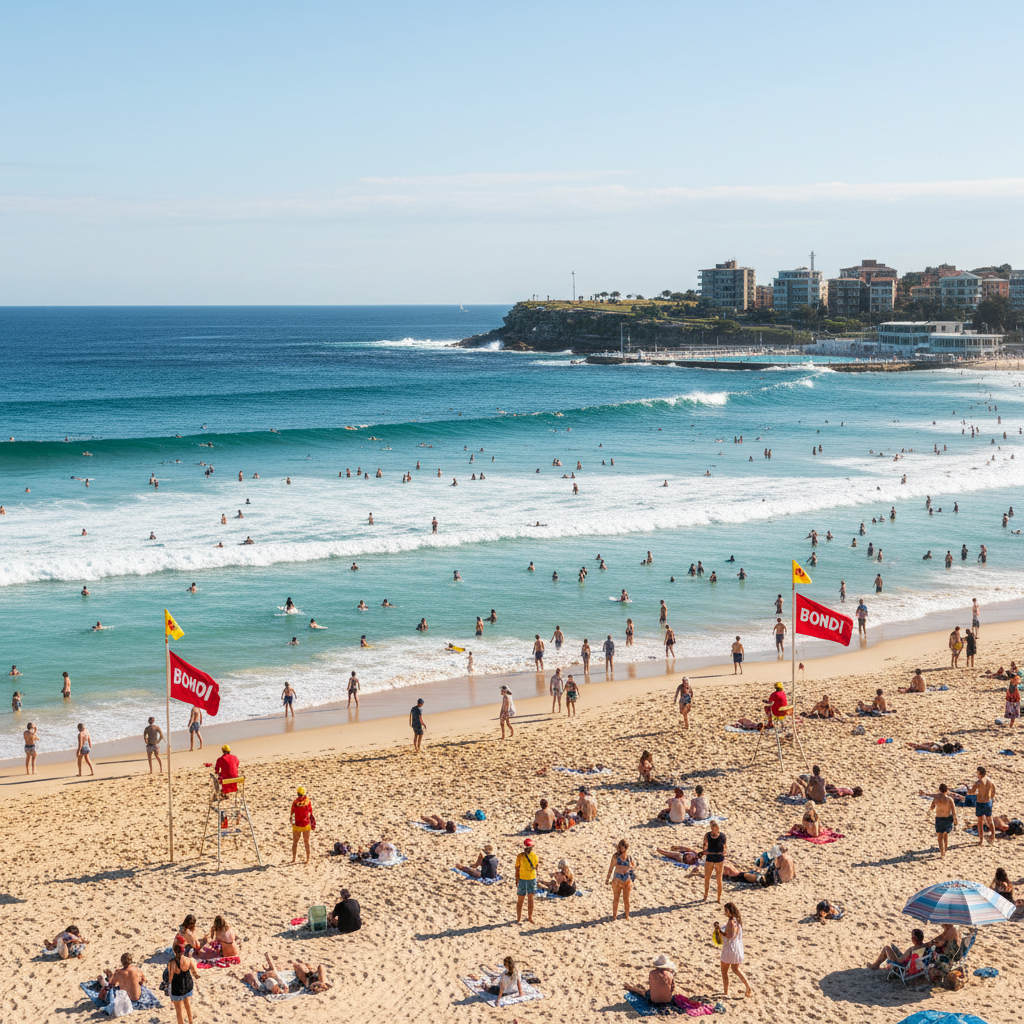
Sydney enjoys a temperate climate, making it a great destination year-round. However, the best time to visit Sydney really depends on what you’re after.
Summer (December-February): This is peak season. It’s hot, humid, and perfect for the beaches. Expect crowds and higher prices, especially around Christmas and New Year’s Eve (the fireworks over Sydney Harbour are legendary!).
Autumn (March-May): My personal favorite. Milder temperatures, less humidity, and fewer crowds. The weather is usually glorious, perfect for exploring both the city and the coast. Vivid Sydney, a spectacular light festival, often happens in late May.
Winter (June-August): Cool, but generally sunny. It’s not beach weather, but it’s great for sightseeing without sweating. Deals on flights and accommodation are more common. The average daily temperature is around 60°F (15°C).
Spring (September-November): Another excellent time. The weather warms up, flowers are in bloom, and the city is buzzing with events. Still less crowded than summer, but getting busier. This is also a good shoulder season for Australia travel in general.
Getting Around Sydney / Transportation
Getting around Sydney is surprisingly easy, thanks to a comprehensive public transport network. This Sydney travel guide wouldn’t be complete without explaining your options.
The Opal card is your best friend. It’s a reusable smart card you can top up for trains, buses, ferries, and light rail. You can buy one at most convenience stores (like 7-Eleven) or train stations. Alternatively, you can tap on with a contactless credit/debit card directly.
- Trains: Efficient for longer distances, connecting the city center to suburbs and the airport.
- Buses: Extensive network, great for getting to areas not serviced by trains.
- Ferries: A must-do! Not just transport, but a fantastic way to see Sydney Harbour. The ferry from Circular Quay to Manly is a scenic delight.
- Light Rail: Connects key areas like Central Station, Darling Harbour, and Surry Hills.
- Walking: Many central areas like The Rocks, Circular Quay, and Darling Harbour are very walkable.
- Taxis/Rideshares: Readily available, but can be expensive, especially during peak times.
“Sydney’s public transport system is one of the best ways to experience the city. Not only is it efficient, but iconic ferry rides offer unparalleled views of the Sydney Opera House and Sydney Harbour Bridge—it’s sightseeing and commuting rolled into one.”
Where to Stay in Sydney / Accommodation
Where you plant yourself in Sydney can really shape your trip. Here are some popular neighborhoods, catering to different budgets and travel styles in this Sydney travel guide.
- Circular Quay & The Rocks: Best for first-timers wanting to be close to the Sydney Opera House, Sydney Harbour Bridge, and ferries. Upscale hotels, historic pubs.
- Central Business District (CBD): Good for business travelers, shopping, and proximity to major attractions. Mix of luxury and mid-range hotels.
- Darling Harbour: Excellent for families, with many attractions within walking distance. Mid-range to upscale hotels.
- Surry Hills: Trendy, vibrant, and known for its restaurants and cafes. Boutique hotels and guesthouses. Great if you like a bit of a creative buzz.
- Potts Point & Elizabeth Bay: Leafy, elegant, and residential, but still close to the city. Art Deco buildings, charming cafes.
- Bondi Beach: If your priority is the beach and a laid-back, surfy vibe, this is it. Mix of hostels, apartments, and boutique hotels, but can be pricier.
- Newtown: Budget-friendly, bohemian, and a hub for live music and alternative culture. Hostels and independent stays.
Finding Affordable Accommodation from the US
Booking in advance is your best bet, especially during peak season. Consider staying just outside the immediate city center in areas like Ultimo, Pyrmont, or even North Sydney (easily accessible by train) for better value. Don’t discount serviced apartments, especially if you’re staying for longer or traveling with family. They often come with kitchens, which can save on food costs.
Typical Costs / Budgeting for Sydney
Sydney is a fantastic city, but it’s no secret that it can be a bit pricey. Here’s a breakdown to help you budget for your Sydney travel guide adventure.
Below is a general guide to daily expenses in Sydney. Remember, these are averages, and your actual costs can vary wildly depending on your choices.
| Category | Budget Traveler | Mid-Range Traveler | Luxury Traveler | Notes |
|---|---|---|---|---|
| Accommodation | $40 – $70 (hostel dorm) | $120 – $250 (3-4 star hotel) | $300+ (5-star hotel) | Hostels are common. Hotels in CBD are pricier. |
| Food & Drink | $30 – $50 (supermarket, food trucks) | $70 – $120 (casual restaurants, cafes) | $150+ (fine dining, multiple cocktails) | Brunch is a big deal in Sydney! |
| Transportation | $10 – $15 (Opal card) | $10 – $20 (Opal card, occasional taxi) | $20 – $50 (taxis, rideshares) | Public transport Sydney is efficient. |
| Activities/Sightseeing | $20 – $40 (free walks, parks, one museum) | $50 – $100 (tours, multiple attractions) | $100+ (Opera House show, BridgeClimb) | Many free things to do Sydney offers! |
| Total Daily Estimate | $100 – $175 | $250 – $490 | $600+ | Excludes major shopping/splurges. |
Tips for Finding Affordable Flights from the US
- Be Flexible: Flying mid-week or during the shoulder seasons (spring/autumn) usually yields better prices.
- Book in Advance: For Australia travel, flights are always cheaper when booked months ahead.
- Use Flight Comparison Sites: Google Flights, Skyscanner, Kayak are your friends. Set up price alerts!
- Consider Layover Cities: Sometimes, flying to a hub like Los Angeles and taking a separate flight to Sydney can save money, but be mindful of connection times.
- Fly into Sydney (SYD): It’s the main international airport, so typically has the most options.
Day Trips from Sydney
While this Sydney travel guide focuses on the city, don’t miss out on exploring some of the stunning regions just beyond its borders.
- Blue Mountains: (90 minutes by car/train) Famous for the Three Sisters rock formation, vast eucalypt forests, and charming towns like Leura and Katoomba. Hike, ride the Scenic World cableway, or just enjoy the crisp mountain air.
- Hunter Valley: (2 hours by car) New South Wales’ premier wine region. Go on a wine-tasting tour, enjoy gourmet food, and see picturesque vineyards.
- Port Stephens: (2.5 hours by car) Known for its stunning beaches, dolphin watching cruises, and sandboarding down massive dunes.
- Royal National Park: (1 hour by car/train) The world’s second-oldest national park. Hike coastal trails, swim in pristine natural pools (like the Figure Eight Pools, but check tide times!), or simply enjoy the bushland.
Sydney Neighborhoods and Districts: Beyond the Obvious
Beyond the main tourist hotspots, Sydney’s neighborhoods offer distinct flavors and experiences. Exploring them is one of my favorite things to do.
- Newtown: (Inner West) Bohemian, edgy, and full of street art, vintage shops, and fantastic cheap eats. Great for people-watching.
- Paddington: (Eastern Suburbs) Chic, with tree-lined streets, Victorian terraces, boutique shopping (especially on Oxford Street), and great cafes. Don’t miss the Saturday markets.
- Surry Hills: (Inner East) A foodie paradise, with top-notch restaurants, trendy bars, and a buzzing atmosphere. Lots of creative agencies call this home.
- Manly: (Northern Beaches) A ferry ride away, Manly offers famous surf beaches, a laid-back vibe, and a lively Corso pedestrian mall. It feels like a holiday town.
- Balmain: (Inner West) Historic village feel, with grand sandstone pubs, artisan shops, and stunning harbor views. A more relaxed pace.
Food and Drink in Sydney: A Culinary Journey
Sydney’s food scene is incredibly diverse and vibrant. From casual beachside cafes to world-class fine dining, your taste buds are in for a treat.
Must-Try Australian Delights
- Meat Pie: A classic Aussie snack. Get one from a bakery (Harry’s Cafe de Wheels is legendary) or a sporting event.
- Fish & Chips: Best enjoyed by the beach. Grab a takeaway from a local shop.
- Flat White: Australia’s coffee contribution to the world. Seriously, the coffee game here is strong.
- Aussie Brunch: Smashed avocado, incredible eggs, fresh juices. Sydneyites take brunch very seriously.
- Fresh Seafood: Oysters, prawns, barramundi – Sydney Harbour means fresh catches.
Local-Favorite Spots & Hidden Gems
To really get a feel for Sydney’s culinary pulse, venture beyond the main drag.
- Cafe Sydney (Circular Quay): Not exactly ‘hidden,’ but undeniably one of the best views of the Sydney Opera House while you dine. Book well in advance.
- A Tavola (Darlinghurst): Fantastic, authentic Italian pasta dishes in a cozy setting. Consistently excellent.
- Automata (Chippendale): For a truly special dining experience, this industrial-chic spot offers an adventurous tasting menu.
- Grounds of Alexandria (Alexandria): A sprawling, Instagram-worthy venue with a cafe, bakery, market, and even farm animals. Great for brunch or a lazy afternoon.
- Ester (Chippendale): Modern Australian food with wood-fired cooking. It’s often on ‘best restaurant’ lists, and for good reason.
- Mr. Crackles (Darlinghurst): For a late-night crunchy pork roll. Trust me on this one after a few drinks.
- A’Mare (Barangaroo): High-end Italian with exquisite service and a beautiful water-front location. Perfect for a splurge.
“Sydney’s culinary landscape is as diverse as its population. From vibrant Vietnamese pho in Cabramatta to upscale Modern Australian cuisine in Surry Hills, the city is a feast for the senses. Don’t be afraid to explore beyond the tourist traps for some truly memorable meals.”
Practical Tips for Traveling to Sydney
A little preparation goes a long way for any trip, especially for a long-haul international one like this Sydney travel guide suggests.
Visa Requirements & Entry Procedures for US Citizens
US citizens traveling to Australia for tourism must obtain an Electronic Travel Authority (ETA) or a visitor visa. The ETA is the easiest option for short stays (up to 3 months) and can be applied for online, often approved within minutes. Ensure your passport is valid for at least six months beyond your planned departure date. Always check the official Australian Department of Home Affairs website for the most current requirements.
Language and Currency
- Language: English is the official language. You’ll likely encounter a mix of accents, but communication is easy.
- Currency: Australian Dollar (AUD). Credit cards are widely accepted, but it’s good to have some cash for smaller purchases or markets.
Cultural Etiquette and Social Norms
- Tipping: Not generally expected in Australia and isn’t mandatory. For exceptional service in upscale restaurants, a small tip (10%) is appreciated but not customary.
- Casual Dress: Australians tend to dress quite casually. Smart casual is usually appropriate for most dining and events.
- “No Worries”: You’ll hear this a lot. It means ‘no problem’ or ‘you’re welcome.’ It sums up the relaxed Aussie attitude. For a different vibe, check our Paris travel guide.
- Loudness: Australians are generally friendly and outgoing, but excessive loudness or public intoxication can be frowned upon, especially in residential areas.
- Sun Safety: The Australian sun is intense. Always ‘Slip, Slop, Slap’ (Slip on a shirt, Slop on sunscreen, Slap on a hat). This is serious advice.
Sustainable Tourism Practices
Sydney’s natural beauty is a huge part of its appeal, so let’s keep it that way!
- Use Public Transport: Sydney’s excellent network reduces your carbon footprint.
- Support Local: Choose local businesses, eat at local restaurants, and buy locally made souvenirs.
- Reduce Waste: Carry a reusable water bottle, coffee cup, and shopping bag.
- Respect Wildlife & Nature: Stay on marked trails, don’t feed wild animals, and take all your rubbish with you. When exploring places like the Solomon Islands guide, this is especially important.
- Mind Your Water Use: Australia can suffer from droughts, so be mindful of water consumption.

Visitor’s guide to Sydney – Credit: City of Sydney

Sydney’s Beaches: Beyond Bondi
While Bondi Beach is famous worldwide, Sydney offers a spectacular coastline with dozens of stunning beaches, each with its own character.
- Bondi Beach: Iconic, bustling, great for people-watching, learning to surf.
- Manly Beach: A beautiful ferry ride away, relaxed, great for swimming and eating.
- Coogee Beach: More family-friendly than Bondi, with a lovely promenade and ocean pools. Part of the coastal walk.
- Shelly Beach (Manly): Protected cove, perfect for snorkeling and calm swimming.
- Balmoral Beach: On the North Shore, calm harbor waters, sophisticated vibe, great for picnics and paddleboarding.
- Palm Beach: Further north, famous as the setting for “Home and Away,” upscale and beautiful.
Festivals and Major Events in Sydney
Sydney knows how to throw a party! Beyond the iconic New Year’s Eve fireworks, here are some key events.
- Vivid Sydney (May/June): A mesmerizing festival of light, music, and ideas. The Sydney Opera House and Sydney Harbour Bridge are transformed by projections. It’s truly spectacular.
- Sydney Gay and Lesbian Mardi Gras (February/March): One of the world’s largest LGBTQ+ celebrations, culminating in a huge parade.
- Sculpture by the Sea (October/November): An outdoor sculpture exhibition along the Bondi to Tamarama coastal walk. Stunning art against a stunning backdrop.
- HOTS: Sydney Harbour Regatta (March): Witness spectacular yacht racing on the iconic harbor.
- Sydney Festival (January): A major cultural event showcasing theater, music, dance, and art across the city.
- Australia Day (January 26): National holiday with events, parades, and fireworks on Sydney Harbour. There are often discussions around the date and its impact on Indigenous Australians. For a different national day celebration, see our Queenstown travel guide.
Frequently Asked Questions
What are the must-see attractions in Sydney?
The absolute must-sees include the Sydney Opera House, Sydney Harbour Bridge, and Bondi Beach. Don’t forget to explore The Rocks for history and Darling Harbour for family fun and dining. A ferry ride on Sydney Harbour is also essential.
What is the best time of year to visit Sydney?
Autumn (March-May) and Spring (September-November) are generally considered the best times. You’ll find pleasant temperatures, less humidity, and fewer crowds compared to the peak summer season, making it perfect for exploring all the things to do Sydney offers.
How do I get around Sydney using public transport?
Sydney has an excellent public transport system. The easiest way to get around is by using an Opal card, which works on trains, buses, ferries, and light rail. You can also tap on and off directly with a contactless credit or debit card.
Is Sydney an expensive city to visit?
Sydney can be an expensive city, especially for accommodation and dining. However, by utilizing public transport Sydney, seeking out deals, and enjoying free attractions like parks and coastal walks, you can manage your travel budget Sydney effectively. Eating from local markets and cafes can also save you money.
What are some popular day trips from Sydney?
The most popular day trip is to the Blue Mountains, known for its hiking trails and the Three Sisters rock formation. Other great options include the Hunter Valley (wine region), Port Stephens (beaches and dolphins), and the Royal National Park (coastal walks and nature).
What kind of food should I try in Sydney?
You absolutely must try a classic Australian meat pie, fresh fish and chips by the beach, and the ubiquitous flat white coffee. Sydney also excels in diverse international cuisine, amazing brunch spots, and fantastic fresh seafood. Don’t skip trying some of the local restaurants Sydney has to offer in areas like Surry Hills or Newtown.
Ready for Your Sydney Adventure?
I hope this comprehensive Sydney travel guide has given you a solid foundation for planning an unforgettable trip. Sydney is a city that truly has something for everyone, blending iconic sights with hidden gems, pristine natural beauty with a dynamic urban core. Get ready to explore this incredible Australian metropolis!







2 Responses