Best Barcelona Travel Guide: Gaudí, Beaches & Stunning Tapas Spots
admin
May 31, 2026
5:45 am
Ever felt completely overwhelmed trying to plan a trip to a city as vibrant, historic, and downright delicious as Barcelona? You’re not alone. Figuring out where to start, what to see, and how to avoid common tourist traps can feel like a full-time job.
That’s why I’ve put together this comprehensive Barcelona travel guide, packed with everything you need to know for an unforgettable adventure. We’re talking Gaudí’s mind-bending architecture, sun-drenched beaches, and enough authentic tapas to make your taste buds sing. Forget the generic advice; this is your blueprint for experiencing the real Barcelona.
Your Essential Barcelona Travel Guide: Gaudí, Beaches & Beyond
Barcelona isn’t just a destination; it’s an experience. This city hits you with a sensory overload in the best possible way. There’s the scent of the Mediterranean Sea mingling with sizzling garlic, the cacophony of street artists on Las Ramblas, and the sheer visual feast of modernist buildings around every corner. It’s truly special.
Top Attractions & Things to Do in Barcelona
Let’s kick things off with the big hitters, the must-see spots that make Barcelona famous. You simply can’t visit without seeing these architectural and cultural gems, they really define the city’s character. Prepare to be amazed.
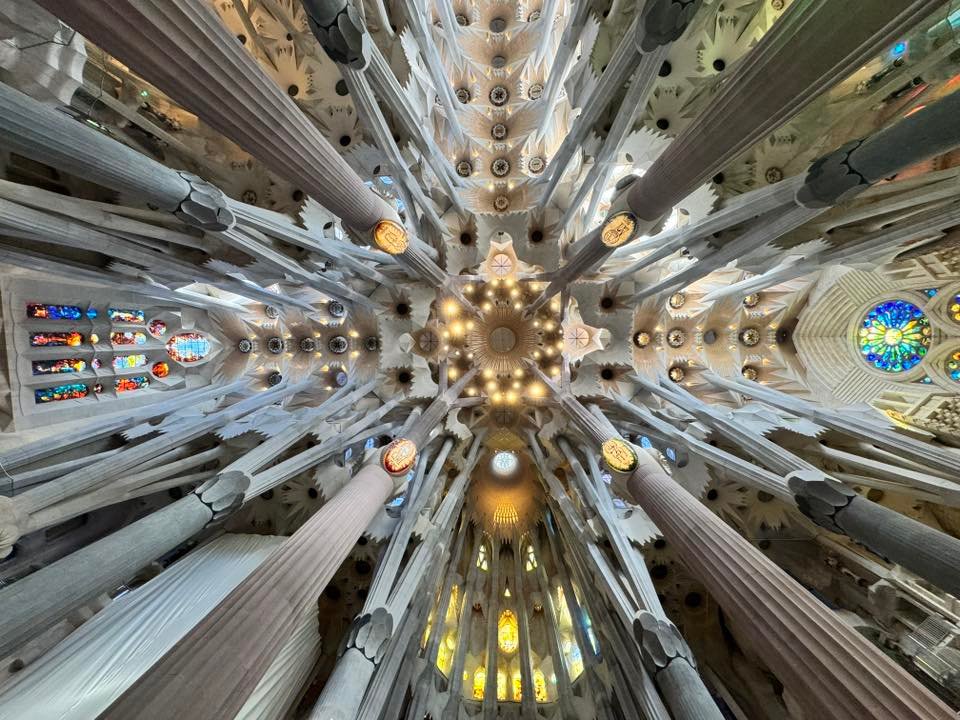
Sagrada Familia: Antoni Gaudí’s unfinished masterpiece is a sight that will honestly take your breath away. Its towering spires, intricate facades, and kaleidoscopic stained glass are unlike anything else in the world. Plan to spend at least two hours here, and seriously, book your tickets online well in advance. Don’t show up without one, or you’ll be waiting forever. Check the official Sagrada Familia website for current ticket prices and opening hours.
Park Güell: Another Gaudí marvel, this whimsical park offers stunning panoramic views of the city. Stroll through the mosaic-covered benches, quirky gingerbread-like houses, and lush gardens. Again, timed entry tickets are essential here, especially during peak season.
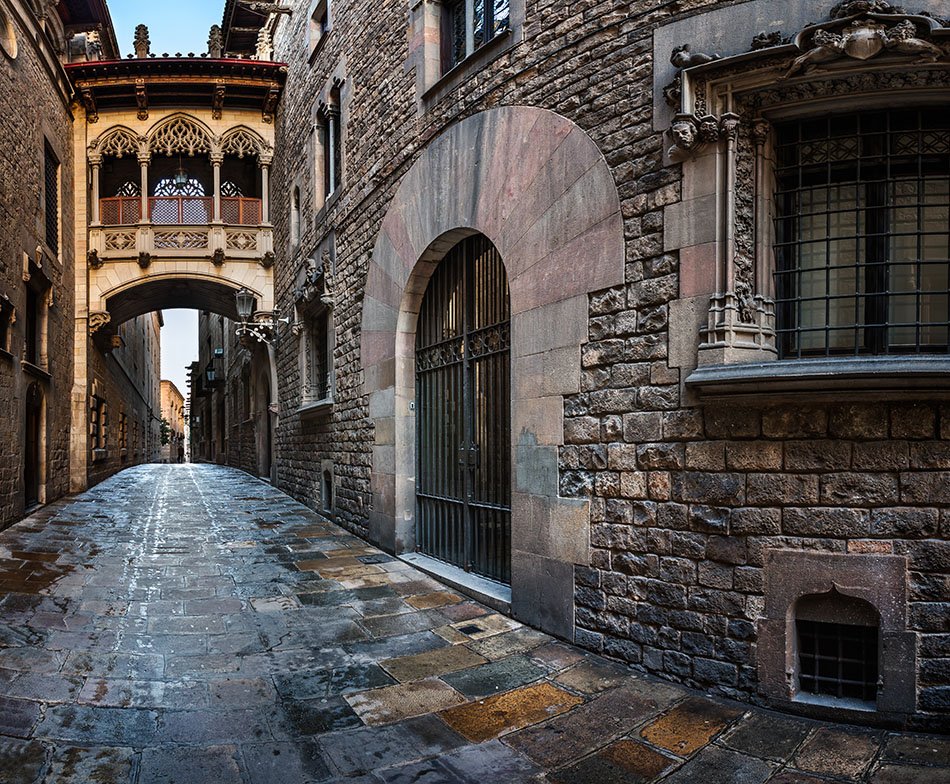
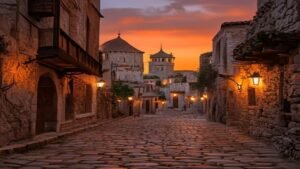
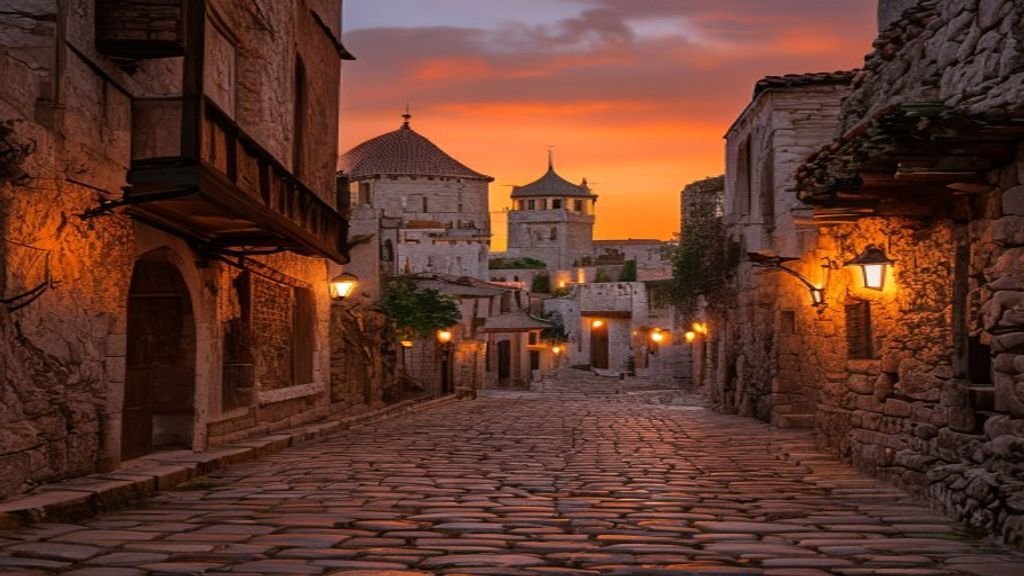
Gothic Quarter (Barri Gòtic): Get lost in the narrow, labyrinthine streets of Barcelona’s oldest neighborhood. Discover hidden plazas, ancient Roman walls, and the grand Barcelona Cathedral. It’s best explored on foot, and you’ll stumble upon something new around every corner.
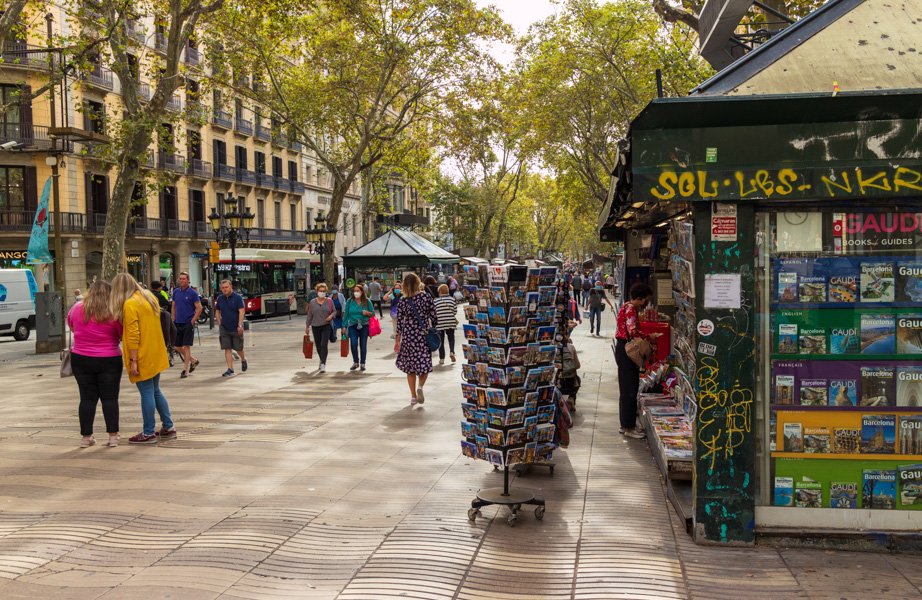
Las Ramblas: This famous tree-lined boulevard buzzes with energy, street performers, flower stalls, and outdoor cafes. It connects Plaça de Catalunya with the Christopher Columbus Monument at Port Vell. It’s iconic, but stay aware of your surroundings; pickpockets are common here.
La Boqueria Market: Just off Las Ramblas, this vibrant public market is a feast for the senses. Sample fresh fruit juices, local cheeses, cured meats, and incredible seafood. It’s a great spot for a quick, authentic bite to eat.
Picasso Museum: Located in the El Born neighborhood, this museum houses one of the most extensive collections of artworks by the 20th-century Spanish artist Pablo Picasso. It focuses on his early years, which is fascinating to see.
Barceloneta Beach: After all that sightseeing, relax on Barcelona’s urban beach. It’s perfect for sunbathing, people-watching, or enjoying a refreshing dip in the Mediterranean Sea.
Barcelona City
Barcelona Itineraries: Making the Most of Your Trip
How much time do you really need in Barcelona? It depends on your pace, of course, but here are some proven itineraries to help you plan your journey. This Barcelona itinerary can be adjusted easily.
1-Day Whirlwind
If you only have a day, focus on Gaudí. Start early at Sagrada Familia (pre-booked ticket, please!), then head to Park Güell. In the afternoon, explore the Gothic Quarter and finish with a sunset stroll down Las Ramblas, grabbing some tapas in El Born.
3-Day Immersion
Day 1: Gaudí’s Grandeur. Sagrada Familia, Casa Batlló, Casa Milà (La Pedrera), and Park Güell. Have dinner in the Eixample district. Day 2: Historic Heart & Beach Vibes. Morning in the Gothic Quarter, visit the Barcelona Cathedral, and enjoy lunch at La Boqueria. Spend the afternoon relaxing at Barceloneta Beach. Evening tapas tour in El Born or Poble Sec. Day 3: Montjuïc Magic & Art. Take the Montjuïc Cable Car up to Montjuïc Castle for incredible views. Visit the Magic Fountain of Montjuïc (check show times) and the Picasso Museum. Enjoy a farewell dinner in Gràcia.
5-Day Deep Dive
Follow the 3-day plan, then add: Day 4: Neighborhood Exploration & Shopping. Explore the charming Gràcia district, known for its plazas and independent boutiques. Discover unique shopping experiences, focusing on local crafts. Later, maybe consider a cooking class to learn Catalan cuisine. Day 5: Day Trip Adventure. Head out of the city for a day trip. Montserrat is a popular choice, or you could visit the stunning beaches of the Costa Brava. We’ll talk more about day trips soon.
Where to Stay: Best Neighborhoods & Hotel Recommendations
Choosing the right neighborhood can really shape your experience in Barcelona. It affects everything from your daily commute to your evening dining options.
Gothic Quarter (Barri Gòtic): Perfect if you want to be in the heart of the action, surrounded by history. It’s lively and central but can be noisy. Hotels tend to be boutique and charming.
Eixample: Known for its elegant modernist architecture, wide boulevards, and upscale shopping. It’s centrally located, well-connected, and generally quieter than the Gothic Quarter. This is where you’ll find many of Barcelona’s classic Barcelona hotels.
Gràcia: A former village, Gràcia has a bohemian, independent vibe with lovely plazas, local shops, and a vibrant dining scene. It’s further out but feels very authentic and less touristy.
El Born: Trendy and stylish, El Born is packed with independent boutiques, cool bars, and fantastic restaurants. It’s close to the Picasso Museum and Parc de la Ciutadella.
Barceloneta: Ideal if you want to be right by the beach and enjoy a more relaxed, coastal atmosphere. It can be quite touristy, especially in summer.
“Barcelona is a city where you can truly find something for everyone, whether you’re a history buff, a beach bum, or a foodie. The trick is knowing where to look, and how to plan smart.” – A Local Guide
Barri Gothic Quarter and Bridge of Sighs in Barcelona, Catalonia, Spain
Practical Travel Tips for Barcelona: Getting Around, When to Visit, Budgeting
Barcelona boasts an excellent public transportation system. The Metro is your best friend: it’s efficient, clean, and covers most major attractions. Buses are also reliable. Consider purchasing a T-Casual card (10 trips) if you’re staying for a few days, it’s much cheaper than single tickets. Walking is often the best way to explore individual neighborhoods, especially the Gothic Quarter.
When to Visit
Spring (April-May) & Fall (September-October): This is arguably the best time to visit Barcelona. The weather is pleasant (think 60s-70s F), and the crowds are more manageable than in summer.
Summer (June-August): Hot and very crowded, especially July and August. Prices for accommodation and flights tend to be highest. However, the beach scene is buzzing.
Winter (November-March): Cooler temperatures (often 40s-50s F) and fewer tourists. Great for museum visits and enjoying the city without the hustle. Christmas and New Year bring festive decorations.
Budgeting Your Barcelona Travel Guide Trip
Barcelona can be as affordable or as luxurious as you make it. Expect to pay around $150-250/night for a decent mid-range hotel. Meals can range from €15 for a casual tapas lunch to €50+ for a nice dinner. Public transport is quite cheap. A good daily budget for a comfortable trip (excluding flights) might be $150-250 per person.
Gaudí’s Masterpieces & Modernist Architecture: A Deep Dive
Antoni Gaudí wasn’t just an architect; he was a visionary, and his work defines Barcelona’s unique aesthetic. His buildings aren’t just structures; they’re organic, flowing sculptures inspired by nature and religion.
Beyond Sagrada Familia and Park Güell, make sure to see:
Casa Batlló: Known as the ‘House of Bones’ or ‘Dragon House,’ this building on Passeig de Gràcia features a colorful, mosaic facade and unique skeletal-like balconies. The interior is just as mesmerizing.
Casa Milà (La Pedrera): A UNESCO World Heritage site, this apartment building is famous for its undulating stone facade and peculiar rooftop chimneys, which look like warriors.
Palau de la Música Catalana: While not Gaudí’s work, this stunning concert hall by Lluís Domènech i Montaner is another breathtaking example of Catalan Modernism. Its stained glass, mosaics, and sculptures are simply incredible.
Here’s a quick comparison of some of Gaudí’s most famous works to help with your Barcelona travel guide planning:
Landmark
Neighborhood
Key Feature
Estimated Entry Fee (Adult)
Quick Tip
Sagrada Familia
Eixample
Grand, organic basilica, stained glass
€26-€36
Book far in advance; plan for 2+ hours inside.
Park Güell
Gràcia
Whimsical mosaics, city views
€10-€15
Go early morning or late afternoon for smaller crowds.
Casa Batlló
Eixample
‘Dragon House’ facade, colorful tiles
€35-€45
Opt for the premium ‘Gold’ ticket for faster entry if available.
Casa Milà (La Pedrera)
Eixample
Undulating stone facade, warrior chimneys
€25-€35
Don’t miss the rooftop for unique sculptures and views.
Oh, the food! Barcelona food is a highlight for many visitors. Catalan cuisine is rich, fresh, and utterly delicious. Forget everything you know about Spanish food; Catalan dishes have their own distinct flavors.
Tapas: This is non-negotiable. Head to a local bodega for patatas bravas (fried potatoes with spicy sauce), pimientos de padrón (blistered peppers), pan con tomate (bread with tomato), and incredible cured Iberian ham. Try La Cova Fumada in Barceloneta for a real, no-frills experience.
Paella: While often associated with Valencia, you can find great seafood paella in Barcelona, especially near the port. Just be wary of tourist traps; look for places where locals are eating.
Vermut: The aperitif culture is huge. Before lunch, enjoy a glass of local vermut (vermouth) with some olives or anchovies. Bar del Pla in El Born is a fantastic spot for this.
Seafood: Being on the Mediterranean, fresh seafood is abundant. Try fideuà (a paella-like dish made with noodles instead of rice) or fresh grilled fish.
Desserts: Don’t leave without trying Crema Catalana, a creamy custard dessert similar to crème brûlée.
Exploring Barcelona’s Unique Neighborhoods
Barcelona is a city of distinct neighborhoods, each with its own personality. Getting out of the main tourist zones and exploring these areas will give you a much richer experience.
Gràcia: As mentioned, it’s like a village within the city. Its charming squares (Plaça del Sol, Plaça de la Vila de Gràcia) are perfect for people-watching with a coffee or a drink.
El Born: A trendy, historic area right next to the Gothic Quarter. It’s full of artisan shops, cool bars, and the Picasso Museum. It’s perfect for a leisurely afternoon stroll.
Poble Sec: Often overlooked, this neighborhood is gaining fame for its excellent tapas bars, especially along Carrer de Blai. It’s also home to several theaters.
Sant Antoni: Another up-and-coming area, particularly known for its revitalized market and brunch spots. It’s got a very local, authentic feel.
Barcelona Art
Beyond the City: Day Trips from Barcelona
If you have five days or more, escaping the city for a day can offer a fantastic change of scenery. These day trips are easy to manage from Barcelona.
Montserrat: Just an hour by train, this stunning mountain range is home to a Benedictine monastery. The views are spectacular, and you can hike or take a cable car. It’s truly a spiritual and natural marvel.
Costa Brava: Head north to this ruggedly beautiful coastline. Charming fishing villages like Tossa de Mar or Cadaqués offer pristine beaches and delicious seafood.
Tarragona: An hour south by train, this ancient city boasts incredibly well-preserved Roman ruins, including an amphitheater overlooking the sea. It’s a UNESCO World Heritage site and a must for history buffs.
Girona: Famous for its medieval walls, winding river, and a stunning Jewish Quarter, Girona is a beautiful city that you can reach by high-speed train in under 40 minutes. You might recognize some spots if you’re a Game of Thrones fan!
A Deeper Look: History & Culture of Barcelona
Barcelona’s history is long and layered, from its Roman origins as Barcino to its medieval maritime power, and then its explosion of Modernism. It’s also the capital of Catalonia, a region with its own distinct language, traditions, and a strong sense of identity. Learning a little about the local culture before you go can really enrich your visit. The city’s resilience and creativity are deeply embedded in its past.
Transportation Guide: Getting Around Barcelona Like a Local
Once you arrive, getting around is surprisingly straightforward. Understanding the local transport options is key to a smooth transportation in Barcelona experience.
From Barcelona Airport (BCN) to City Center
Aerobus: The quickest and easiest option, departing every 5-10 minutes. It drops you off at key city points like Plaça de Catalunya.
Metro: The L9S line connects the airport to the city. You’ll likely need to transfer once or twice to reach your final destination.
Train (Rodalies R2 Nord): This train connects Terminal 2 (T2) to Estació de Sants and Passeig de Gràcia. If you arrive at T1, you’ll need to take a free shuttle bus to T2.
Taxi: Convenient, but more expensive. Expect to pay around €30-€40.
Public Transport within the City
The integrated public transport system includes metro, buses, trams, and local trains. The T-Casual card offers 10 journeys at a discounted price and can be used by multiple people. Individual tickets are also available. Google Maps is excellent for planning routes using public transport.
Barcelona After Dark: Nightlife & Live Music Spots
Barcelona truly comes alive after sunset. Whether you’re into electronic music, live jazz, or just a quiet drink, you’ll find it here. Dinner often starts late, around 9 PM or 10 PM, and the party continues well into the early morning hours.
Gothic Quarter/El Born: These areas are fantastic for charming cocktail bars and traditional Spanish taverns. Head to Carrer de l’Argenteria or Carrer dels Banys Vells for a wide selection.
Gràcia: Offers a more relaxed, local nightlife scene with plenty of cozy bars and outdoor terraces in its many squares. Plaça del Sol is always buzzing.
Poble Sec: Carrer de Blai is famous for its ‘pintxo’ bars, where you can graze on small bites and drinks. It’s a vibrant, lively spot.
Clubs: For serious clubbing, check out Razzmatazz (five different rooms with various music styles) or Sala Apolo (known for indie and electronic nights). Both are huge venues drawing international DJs.
Live Music: For jazz, try Jamboree Jazz & Dance Club in Plaça Reial. For flamenco (though not native to Catalonia, Barcelona has some great venues), try Tablao Flamenco Cordobes.
Sustainable & Accessible Travel in Barcelona
Barcelona, like many popular European cities, faces challenges with overtourism. Being a responsible traveler helps preserve its charm for everyone. Additionally, the city has made strides in accessibility.
Sustainable Travel Tips
Use Public Transport: Minimize your carbon footprint by relying on Barcelona’s excellent metro and bus system.
Support Local: Eat at local bodegas, shop at independent boutiques, and visit neighborhood markets.
Reduce Waste: Carry a reusable water bottle and coffee cup. Say no to plastic bags.
Respect Locals: Keep noise down, especially late at night in residential areas. Learn a few Catalan phrases.
Stay Longer, See More: Instead of rushing through, consider a longer stay to truly experience the city and its surrounding areas, like if you decide to visit Copenhagen or discover Santorini.
Accessible Travel in Barcelona
Barcelona is one of Europe’s most accessible cities. Many metro stations have elevators, and most buses are equipped with ramps. Major attractions like Sagrada Familia, Park Güell (partially), and the Picasso Museum offer accessibility features. The tourist information offices provide detailed maps and guides for accessible routes and services. Many newer hotels are built with accessibility in mind, so ask when booking. It’s getting easier for everyone to enjoy this fantastic city.
Unique Shopping Experiences: Local Crafts & Boutiques
Beyond the big-name brands on Passeig de Gràcia, Barcelona offers a treasure trove of unique shopping finds. If you’re looking for souvenirs with soul or a one-of-a-kind fashion piece, you’re in luck.
Gràcia: Explore Carrer Verdi and its surrounding streets for independent fashion boutiques, artisan workshops, and quirky gift shops.
El Born: This area is fantastic for designer boutiques, jewelry stores, and art galleries. Look for locally made leather goods and ceramics.
Markets: Aside from La Boqueria for food, check out the weekly Mercat de Sant Antoni for books, stamps, and collectibles on Sundays, or the Flea Market (Els Encants Vells) for antiques and second-hand treasures.
Speaking Like a Local: Catalan & Spanish Phrases + Etiquette
While most people in Barcelona speak Spanish, Catalan is the official language of the region. Knowing a few basic phrases in both will go a long way and is a sign of respect.
Basic Phrases:
Hello: Hola (Spanish) / Bon dia (Catalan)
Goodbye: Adiós (Spanish) / Adéu (Catalan)
Please: Por favor (Spanish) / Si us plau (Catalan)
Thank you: Gracias (Spanish) / Gràcies (Catalan)
Excuse me: Perdón (Spanish) / Disculpi (Catalan)
Yes/No: Sí/No
Cultural Etiquette:
Dining: Dinner is usually late (9 PM or later). Tipping isn’t as prevalent as in the US; rounding up the bill or leaving a few euros for good service is common, but not obligatory.
Greetings: A handshake is standard for formal introductions. Friends often greet with two kisses on the cheek (right then left).
Volume: Spaniards can be quite loud, but try to keep your voice down in quiet residential areas, especially at night.
Stay Safe & Healthy: Essential Tips for Your Barcelona Visit
Barcelona is generally a safe city, but like any major tourist destination, it has its issues. A bit of caution and common sense can prevent most problems.
Pickpockets: This is the most common crime. Be extremely vigilant in crowded areas (Las Ramblas, metro, major attractions) and busy cafes. Keep your bag zipped, phone secure, and wallet out of back pockets. Never leave your phone or wallet unattended on a table.
Emergency Numbers: The universal emergency number in Spain is 112 for police, ambulance, or fire services.
Medical Facilities: Spain has excellent healthcare. If you need medical attention, ask your hotel for the nearest farmacia (pharmacy) for minor ailments, or a CAP (Centre d’Atenció Primària) for general doctor visits. For serious emergencies, head to a hospital (hospital). Make sure your travel insurance covers medical emergencies.
Tap Water: Barcelona’s tap water is safe to drink, though many locals prefer bottled water for taste.
Festivals & Celebrations: What’s On in Barcelona
Timing your visit with a local festival can add an incredible layer to your trip. Barcelona loves to celebrate!
La Mercè (September): The city’s main annual festival, honoring its patron saint. Expect parades, human towers (castells), street art, and free concerts.
Sant Jordi (April 23): Catalonia’s version of Valentine’s Day. It’s a beautiful tradition where people exchange books and roses. The streets are filled with stalls.
Festa Major de Gràcia (August): The Gràcia neighborhood transforms as its streets compete to create the most stunning decorations. It’s lively, creative, and totally unique.
Carnival (February/March): While not as famous as Rio or Venice, Barcelona’s Carnival is a vibrant week of parades, fancy dress, and parties.
Barcelona for Digital Nomads: Work & Play
Barcelona is a magnet for digital nomads, offering a fantastic quality of life, excellent weather, and a thriving international community. If you’re looking for an extended stay, this Barcelona travel guide will help you get started.
Co-working Spaces: The city is packed with options. Check out places like Atticgo, Impact Hub, OneCoWork, or MOB (Makers of Barcelona) for reliable Wi-Fi, community events, and a productive environment.
SIM Cards: You can easily pick up a local SIM card from providers like Vodafone, Orange, or Yoigo. They offer affordable data plans.
Visa Considerations: For stays longer than 90 days, you’ll need a visa. Spain offers a digital nomad visa now, so research the requirements well in advance. Consider also checking out a guide to Rome or how to plan a trip to Paris if you are looking for other European destinations.
Cost of Living: While generally more affordable than cities like London or Paris, Barcelona’s rent prices have risen. Groceries and public transport remain reasonable.
There you have it! Barcelona is a city that keeps on giving, and with this guide, you’re now armed with the honest, real-world advice you need to plan an incredible trip. Don’t just dream about it; make it happen.
Frequently Asked Questions
What are the top 3 must-see attractions in Barcelona?
The absolute must-sees are Sagrada Familia, Park Güell, and the Gothic Quarter. These three offer a perfect blend of Gaudí’s architectural genius, stunning city views, and Barcelona’s rich history.
How many days should I spend in Barcelona for a first-time visit?
For a first-time visit, I’d recommend at least 3 to 5 days. Three days lets you hit the major highlights, while five days allows for a more relaxed pace, deeper neighborhood exploration, and potentially a day trip.
What is the best way to get from Barcelona airport (BCN) to the city center?
The Aerobus is generally the best way; it’s fast, frequent, and drops you at central locations like Plaça de Catalunya. The Metro L9S is another option, requiring a transfer, or you can take the Rodalies R2 Nord train from Terminal 2.
Is Barcelona an expensive city to visit, and how can I budget my trip?
Barcelona can be moderately expensive, similar to other major European cities. You can budget by staying in hostels or guesthouses, eating tapas or ‘menu del día’ for lunch, using public transport, and taking advantage of free attractions like the beach or strolling through neighborhoods.
What are some traditional Catalan dishes and local foods I should try?
You absolutely must try ‘pan con tomate’ (bread with tomato), ‘escalivada’ (roasted vegetables), and ‘crema catalana’ for dessert. And of course, endless tapas like ‘patatas bravas’ and ‘pimientos de padrón’ are everywhere.
Is it safe to walk around Barcelona at night, especially in tourist areas?
Generally, it’s safe to walk around tourist areas like the Gothic Quarter or Eixample at night. However, always be aware of your surroundings, stick to well-lit streets, and be extra vigilant against pickpockets, especially on crowded Las Ramblas or in busy bars. Don’t flash valuables.






2 Responses