
Let’s get straight to the point. You want to see the Indian Ocean the way it looked fifty years ago. Before the mega-resorts. Before the selfie sticks and the crowded beach bars. You want untouched white sand, raw adventure, and a place where nature still rules.
Enter Pemba.
Often overshadowed by its louder, more famous neighbor to the south, this lush, green paradise is the ultimate Zanzibar alternative. But how do you actually get there? Where do you stay without blowing your life savings? And what makes this island so special?
That is exactly why I put together this comprehensive Pemba Island Tanzania guide. Most online articles simply try to sell you a $1,500-a-night underwater hotel room. They ignore the independent travelers, the backpackers, and the mid-range explorers.
Not this time.
If you are reading this Pemba Island Tanzania guide, you are about to get the honest, ground-level logistics. We will cover the cheap ferries, the hidden local guesthouses, and the absolute best spots for Pemba Island diving. Grab a cup of coffee. Let’s start planning your escape to one of the most incredible Tanzania islands.
Quick Facts: Pemba Island
- Best Time to Visit: June to October (Dry Season)
- Language: Swahili & English
- Currency: Tanzanian Shilling (TZS) & US Dollars
- Vibe: Extremely quiet, rustic, nature-focused
- Suggested Stay: 4 to 6 days
Table of Contents
- Pemba Island vs. Zanzibar: Which is Right for You?
- Top Things to Do: Your Ultimate Pemba Island Tanzania Guide Experience
- Exactly How to Get to Pemba Island in 2024
- Getting Around Pemba Island Without Going Crazy
- Where to Stay on Pemba Island (Luxury to Budget)
- Suggested Pemba Island Itineraries
- Practical Tips for Your Survival
- Frequently Asked Questions (FAQ)
Pemba Island vs. Zanzibar: Which is Right for You?
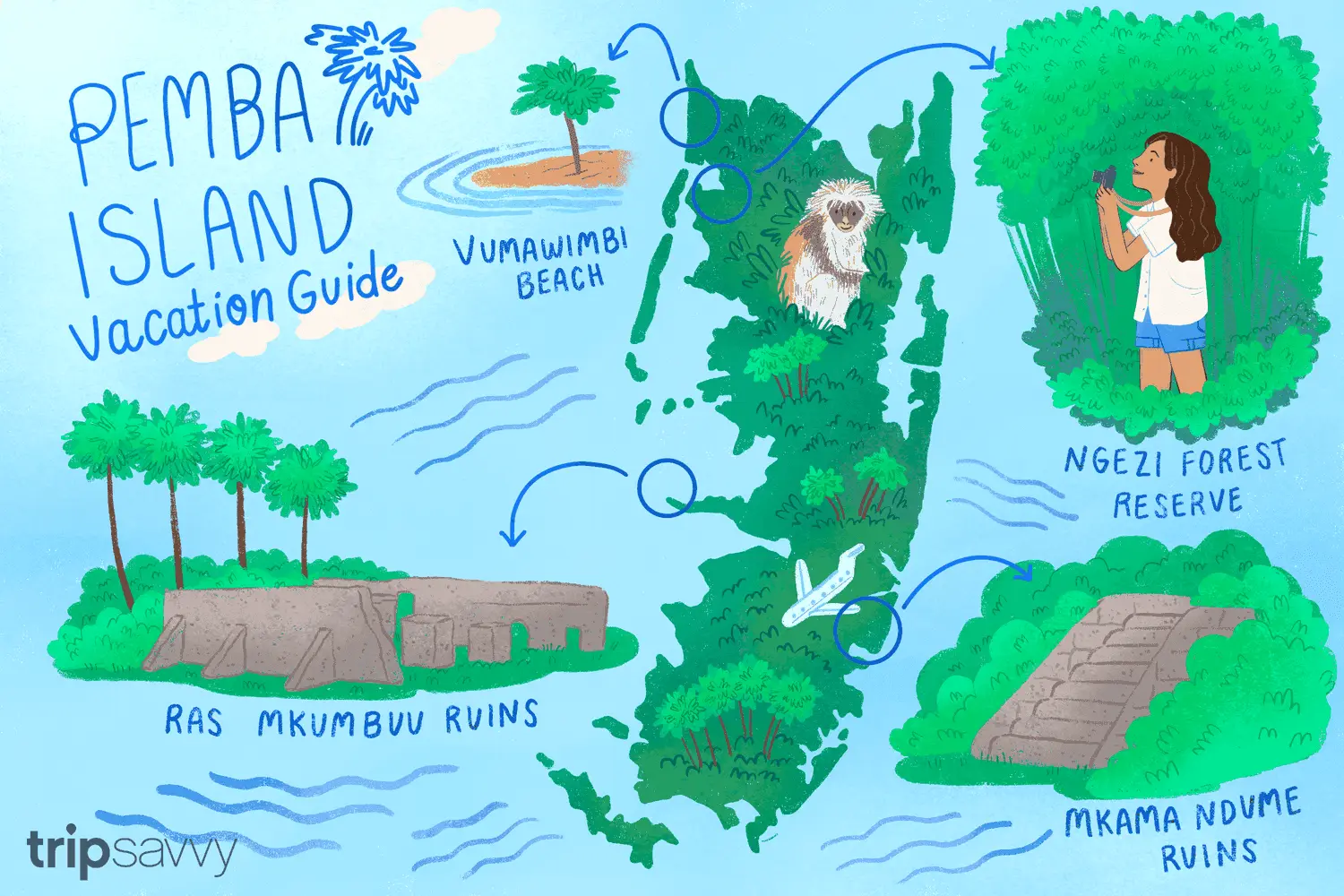
Many people searching for a Pemba Island Tanzania guide are actually trying to answer one specific question. Should I go to Zanzibar or Pemba?
Zanzibar is the life of the party. It has the famous Stone Town, endless restaurants, full-moon parties, and infrastructure built entirely around tourism. Pemba is the mysterious artist sitting quietly in the corner. It is highly agricultural, heavily forested, and sees only a tiny fraction of the tourists.
Here is a quick breakdown to help you decide:
| Feature | Zanzibar | Pemba Island |
|---|---|---|
| Overall Vibe | Bustling, tourist-friendly, energetic | Quiet, untouched, highly authentic |
| Cost | Options for every single budget | Can be pricier due to limited mid-range options |
| Beaches | Wide, endless white sand (often crowded) | Smaller coves, mangrove-lined, completely empty |
| Scuba Diving | Good, but reefs can be damaged | World-class sheer drop-offs and pristine coral |
| Nightlife | Beach clubs, bars, and late-night parties | Virtually non-existent. You will be in bed by 9 PM. |
If you want easy transport and lots of dining choices, pick Zanzibar. If you want a genuine, off-the-grid adventure, keep reading this Pemba Island Tanzania guide.
Top Things to Do: Your Ultimate Pemba Island Tanzania Guide Experience
You did not come all the way to this remote corner of East Africa to just sit in a hotel room. Pemba is an island of action, agriculture, and ocean life. Every good Pemba Island Tanzania guide needs a hit list. Here are the absolute non-negotiables.
World-Class Scuba Diving & Snorkeling at Misali Island
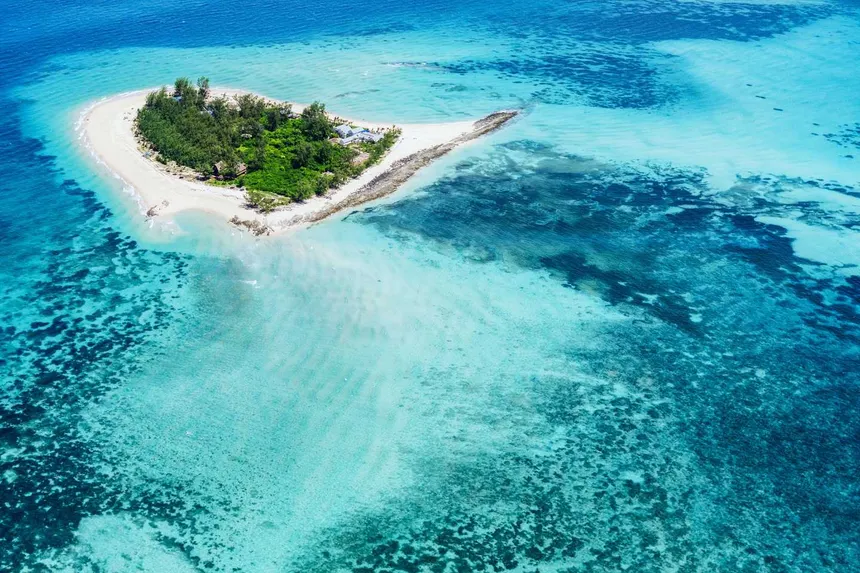
Let’s talk about Pemba Island diving. It is legendary. While Zanzibar offers decent beginner dives, Pemba drops off into an abyss. The Pemba Channel acts as a massive funnel for nutrient-rich waters, bringing pelagic fish, manta rays, and dolphins.
Misali Island is the crown jewel. Located just off the west coast, it is a protected marine reserve. You will find some of the healthiest Indian Ocean coral left on the planet. Expect sheer wall dives that plummet hundreds of meters into the dark blue. If you are an avid diver, checking out the official PADI website for local dive center ratings is a smart move before you arrive.
Explore the Untamed Ngezi Forest Reserve
Unlike the flat, sandy shores of neighboring islands, Pemba is hilly and intensely green. It even earned the Arabic nickname “Al Khudra” (The Green Island). The Ngezi Forest is a dense, prehistoric-feeling rainforest located in the north.
Take a guided walking tour. You will spot the endemic Pemba flying fox (a massive fruit bat with a wingspan over a meter), vervet monkeys, and rare owls. It is humid, muddy, and incredibly beautiful.
Clove Farms, Spice Tours, and Deep Cultural Roots
You simply cannot write a comprehensive Pemba Island Tanzania guide without mentioning cloves. Pemba produces a massive portion of the world’s clove supply. During the harvest season (roughly July to December), the entire island smells like a giant cup of spiced chai.
Take a local spice tour. Unlike the highly commercialized tours in Zanzibar, a Pemba spice tour feels like wandering through a local farmer’s backyard. You will also learn about the island’s deep-rooted history with traditional medicine. Pemba is famous throughout East Africa for “Juju” (traditional healing and magic). Respect the local Swahili culture and ask questions gently.
Sleep Under the Sea at The Manta Resort
Okay, we have to mention it. The Manta Resort put Pemba on the modern tourist map. They have a floating underwater room where your bedroom sits totally submerged beneath the waves.
Fish swim past your glass windows while you sleep. It is absurdly expensive and completely luxurious. Even if you cannot afford the underwater room, the resort itself is stunning and offers great day trips.
Exactly How to Get to Pemba Island in 2024
The biggest failure of almost every other Pemba Island Tanzania guide is a complete lack of logistics. They tell you to “just catch a flight.” But how? And how much does it cost? Let’s break it down.
Flights from Zanzibar & Dar es Salaam
This is the easiest and most popular route. You fly into Chake Chake Airport (PMA), a tiny, single-runway airstrip in the middle of the island.
- Airlines: Coastal Aviation and Auric Air are the main operators.
- Duration: About 30 minutes from Zanzibar, or 1 hour from Dar es Salaam.
- Cost: Generally between $100 and $180 USD one-way.
The planes are tiny Cessna Caravans holding 9 to 13 people. The views over the coral reefs are spectacular. Keep your camera ready.
Taking the Ferry (For the Adventurous)
Are you traveling on a budget? The ferry is your answer. Azam Marine operates ferries between Zanzibar and Pemba. However, do not expect a luxury cruise.
The ferry runs a few times a week. It docks in Mkoani, the southern port town of Pemba. Tickets cost around $35 to $50 USD. Be warned: the Pemba Channel is notoriously rough. If you get seasick, take medication beforehand. It takes about 5 to 6 hours, but it will save you a ton of cash.
Getting Around Pemba Island Without Going Crazy
You have landed. Now what? Any realistic Pemba Island Tanzania guide will warn you: getting around is not easy. The roads are heavily potholed once you leave the main highway connecting the three major towns (Chake Chake, Mkoani, and Wete).
Taxis: You will not find Ubers here. Taxis are usually arranged through your hotel. Because petrol is expensive and tourists are few, taxi rides cost a premium. Expect to pay $40 to $60 USD for a cross-island trip.
Daladalas: These are the local shared minibuses. They are incredibly cheap (less than $1 USD). They are also incredibly crowded, hot, and slow. If you have time to kill and want a true local experience, jump on a daladala. If you are on a tight schedule, pay for the taxi.
Where to Stay on Pemba Island (Luxury to Budget)
Here is the truth. Most online writers who publish a Pemba Island Tanzania guide only stay at free press-trip resorts. They ignore the rest of the island. Let’s fix that by breaking down accommodation by budget.
Luxury & Honeymoon Retreats
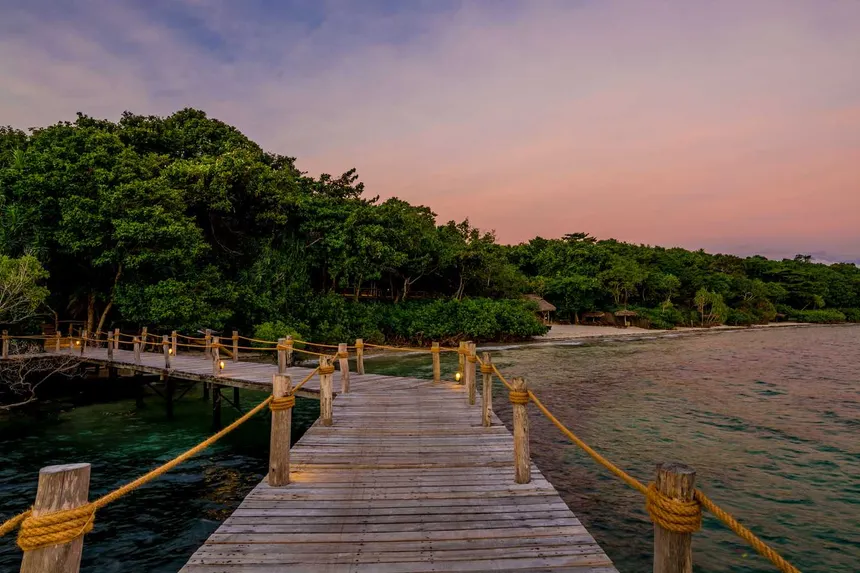
If you want to be pampered, you have two primary choices. The Manta Resort in the far north is famous for its underwater room and chic, eco-luxury vibe. Down in the south, Fundu Lagoon offers incredible canvas-and-thatch tents built onto wooden decks stretching over the water. Both will cost you upwards of $500 to $1,000+ per night. They are strictly all-inclusive and cater heavily to honeymooners.
Mid-Range Eco-Lodges
Finding a mid-range spot is the trickiest part of any Pemba Island Tanzania guide. Pemba Lodge on Shamiani Island (just off the southern tip) is a fantastic rustic, eco-friendly option. It runs on solar power and focuses heavily on sustainability. Expect to pay around $150 to $250 a night. Another great choice is Afro Beach Bungalows, which offers a very relaxed, barefoot vibe without the massive price tag.
Budget & Local Guesthouses
Backpackers, take note. You do not have to skip Pemba. Head to the town of Mkoani and check into Lala Lodge. It sits right on the water, offers decent Wi-Fi, incredibly friendly staff, and clean rooms for roughly $40 to $60 a night. From here, you can arrange local boat trips to nearby sandbanks for a fraction of resort prices.
Suggested Pemba Island Itineraries
Don’t just wing it. To make the most of this Pemba Island Tanzania guide, follow a structured plan. Here are two plug-and-play itineraries depending on your time limit.
The 3-Day Quick Escape
- Day 1: Arrive in Chake Chake via morning flight. Take a taxi to your hotel, drop your bags, and head straight for a local spice farm tour. Smell the cloves. Eat dinner at your lodge.
- Day 2: Dedicate this entire day to Misali Island. Book a boat early. Snorkel the vibrant Indian Ocean coral, eat a packed picnic lunch on the empty white beach, and return by late afternoon.
- Day 3: Head north to the Ngezi Forest. Walk through the ancient trees, spot the flying foxes, and catch an afternoon flight back to the mainland.
The 5-Day Explorer
- Day 1 & 2: Follow the same plan as above (Spice tours and Misali Island).
- Day 3: Move to a different part of the island. If you started south, go north. Visit the remote Vumawimbi Beach. It is a massive, completely empty stretch of sand.
- Day 4: Get cultural. Visit the Ndagoni ruins, an ancient 14th-century settlement. Take a traditional wooden Dhow sunset cruise in the evening.
- Day 5: Do a final morning scuba dive or simply relax by the mangroves before catching the afternoon ferry or flight out.
Practical Tips for Your Survival
No Pemba Island Tanzania guide is complete without a dose of reality. You are traveling to a very remote, highly traditional area. Here is what you need to know to stay out of trouble and stay healthy.
Cash is King: ATMs are incredibly rare on the island. There are a couple in Chake Chake, but they frequently run out of money or break down. Bring all the cash you think you will need. US Dollars are widely accepted at hotels, but you need Tanzanian Shillings for local markets and daladalas.
Dress Codes: Pemba is deeply conservative and almost entirely Muslim. Do not walk around the local towns in a bikini or short-shorts. It is highly disrespectful. Cover your shoulders and knees when outside your resort.
Health & Malaria: Pemba is in a malaria zone. You must take this seriously. Consult your doctor about anti-malarial pills before you leave. Bring heavy-duty mosquito repellent with DEET. For up-to-date health information, always check the CDC guidelines for Tanzania.
Alcohol: Because of the Islamic culture, you will not find alcohol in local shops or restaurants. You can only buy drinks at tourist hotels and specific expat bars. Plan accordingly.

Frequently Asked Questions (FAQ)
Even with a massive Pemba Island Tanzania guide, people always have lingering questions. Here are the most common things travelers ask before booking their tickets.
1. Is Pemba Island safe for tourists?
Absolutely. In fact, it is considered much safer than mainland Tanzania or busy parts of Zanzibar. Violent crime is extremely rare. The locals are incredibly welcoming, though they are shy. As long as you respect local customs and dress modestly, you will have a perfectly safe trip.
2. How does the cost compare in this Pemba Island Tanzania guide versus Zanzibar?
Your day-to-day spending on local food or transport will be cheaper in Pemba. However, accommodation can be more expensive because there is a massive lack of mid-range options. You are usually forced to choose between highly basic guesthouses or ultra-luxury resorts.
3. Do I need a visa to visit Pemba?
Yes. Pemba is part of the United Republic of Tanzania. You need a standard Tanzanian tourist visa. You can easily apply for this online via the official government e-visa portal before your trip. It usually costs $50 ($100 for US citizens).
4. What is the absolute best time of year to use this Pemba Island Tanzania guide?
The best time to visit is during the dry seasons: from June to October, and then again from late December to February. Avoid the heavy rains in April and May, as many lodges close down entirely and the roads become muddy nightmares.
5. Are the beaches actually nice on Pemba?
Yes, but they are different from Zanzibar. Zanzibar has long, flat, unbroken stretches of sand. Pemba’s coastline is rugged. It is filled with hidden coves, mangrove forests, and massive tidal shifts. The beaches at Vumawimbi and Misali Island, however, are picture-perfect white sand.
There you have it. You now possess the most honest, detailed Pemba Island Tanzania guide available. You know how to get there, where to sleep, and how to avoid the expensive luxury echo chamber. Now stop reading. Book your flight, pack your bags, and go experience the raw magic of East Africa.
One Response