
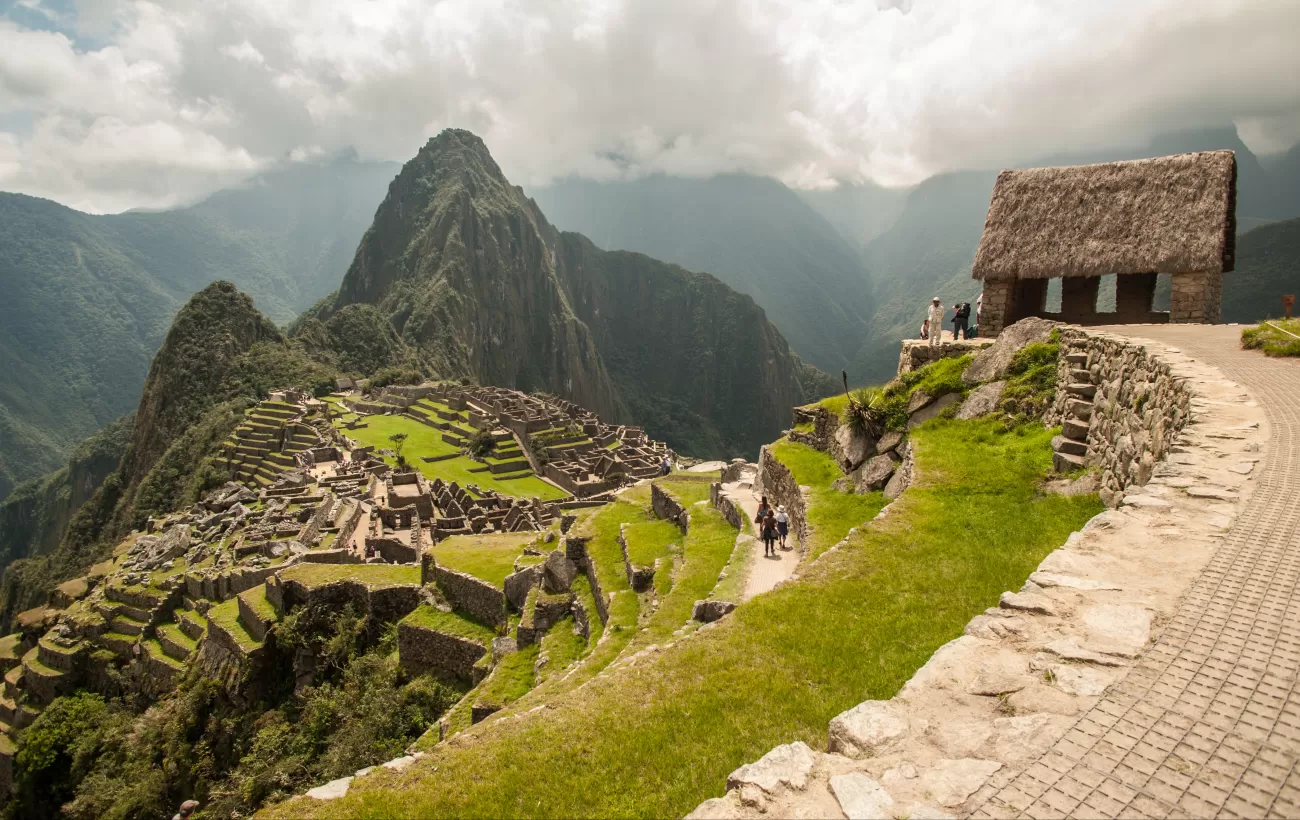
The first time I saw it, an almost unbelievable sight unfolded before me. Mist swirled around emerald peaks, revealing ancient stone city walls clinging precariously to a mountainside, a place whispering secrets of a lost empire. That’s Machu Picchu Travel guide, and while countless photos try to capture its magic, nothing prepares you for the sheer scale and mystery of standing there yourself. But here’s the honest truth: getting to this wonder isn’t as simple as booking a flight. It requires careful planning, navigating permits, understanding logistics, and making smart choices that can improve your entire Peru travel experience from ‘good’ to ‘absolutely life-changing’.
As an avid traveler, I’ve learned that the secret to a stress-free, deeply rewarding trip lies in the details. This isn’t just another checklist; it’s a comprehensive, genuinely useful guide forged from personal experience and extensive research. Consider this your go-to resource for making your Machu Picchu dream a reality.
Why Machu Picchu? Your Essential Machu Picchu Travel Guide
So, why is Machu Picchu consistently ranked among the world’s most desired destinations? Beyond its undeniable visual splendor, it’s a profound connection to a civilization that engineered marvels without modern tools, a testament to human ingenuity and spiritual devotion. Visiting this ancient Inca citadel isn’t just sightseeing; it’s stepping back in time, feeling the energy of a place so perfectly integrated with its natural surroundings.
For me, the draw isn’t just the history. It’s the sheer natural beauty of the Andean mountains, the challenge of the journey, and the incredible warmth of the Peruvian people. This Machu Picchu travel guide aims to arm you with everything you need to know, from the moment you land in Cusco to the moment you stand awestruck at the Sun Gate.
Getting There: Your Journey to the Lost City
Reaching Machu Picchu is an adventure in itself, often involving a multi-step journey through some of Peru’s most stunning landscapes. The main gateway cities are Cusco and Ollantaytambo.
Cusco to Ollantaytambo: The Gateway
Most travelers start their Machu Picchu journey in Cusco, the former capital of the Inca Empire. From Cusco, you’ll need to make your way to Ollantaytambo, a charming town in the Sacred Valley. You have a few options:
- Collectivo (Shared Van): This is the most budget-friendly option, costing around 10-15 soles ($3-5 USD) per person. Vans depart frequently from Calle Pavitos in Cusco and take about 1.5-2 hours.
- Taxi: A private taxi will cost around 80-120 soles ($20-35 USD) and offers more comfort and flexibility. It’s a good choice if you’re traveling with a group or have a lot of luggage.
- Tour Bus: If you’re on a Sacred Valley tour, it’ll typically include a stop in Ollantaytambo before dropping you at the train station.
Ollantaytambo to Aguas Calientes: The Scenic Route
From Ollantaytambo, the only way to Aguas Calientes (also known as Machu Picchu Town) is by train. Two main companies, Peru Rail and Inca Rail, operate this route. The journey is incredibly scenic, winding alongside the Urubamba River with dramatic mountain views. It takes about 1.5-2 hours.
Pro Tip: Book your train tickets well in advance, especially during peak season! They sell out quickly, and prices increase as availability shrinks.
Remember, there are different classes of service, from basic ‘Expedition’ to luxury ‘Hiram Bingham’. Choose one that fits your budget and comfort level. You can also catch trains directly from Poroy (near Cusco) but these are less frequent and often more expensive than starting from Ollantaytambo.
Aguas Calientes to Machu Picchu: The Final Ascent
Once you’re in Aguas Calientes, you’re just a stone’s throw from the ancient citadel. To reach the entrance of Machu Picchu, you have two choices:
- Bus: A fleet of buses runs continuously from Aguas Calientes up a winding road to the Machu Picchu entrance. The ride takes about 25-30 minutes and costs $12 USD one-way or $24 USD round-trip. You can buy tickets in town or at the bus station.
- Walk: If you’re feeling adventurous and fit, you can hike up the approximately 1,600 steps. It’s a challenging climb, taking about 1-1.5 hours, and it’s free. However, save your energy if you plan to explore the ruins thoroughly or hike Huayna Picchu.

Machu Picchu
Booking Your Adventure: Machu Picchu Tickets & Permits
This is arguably the most critical part of your trip planning. Don’t underestimate the importance of securing your Machu Picchu tickets and any trekking permits early. Daily visitor limits are strictly enforced to preserve the site.
Understanding Ticket Types: Entrance, Huayna Picchu, Machu Picchu Mountain
When you look for Machu Picchu tickets, you’ll find a few options:
- Machu Picchu Citadel Only: This is your standard entrance ticket, granting access to the main ruins.
- Machu Picchu + Huayna Picchu: This ticket includes access to the main citadel plus a permit to climb Huayna Picchu, the iconic peak behind the ruins. This hike is steep and challenging but offers incredible views. Permits are extremely limited (only 400 per day) and sell out months in advance.
- Machu Picchu + Machu Picchu Mountain: This option includes the main citadel and a climb up Machu Picchu Mountain (not the same as the citadel itself). It’s a longer, less steep hike than Huayna Picchu, offering panoramic views of the entire site and surrounding valleys. Again, permits are limited (800 per day) but slightly easier to secure than Huayna Picchu.
- Machu Picchu + Huchuy Picchu: A newer option, this combines the citadel with a short, easy climb to a lower peak.
Inca Trail Permits: The Big Catch
If you dream of hiking the classic Inca Trail, you need to understand one crucial thing: permits are insanely competitive. Only 500 permits are issued per day (including porters and guides!), and they often sell out 6-8 months in advance, sometimes even a year out for peak season. You *must* book through a licensed tour operator. No independent hiking is allowed on the Inca Trail.
When and Where to Book
My advice? As soon as your travel dates are firm, book your tickets. For standard Machu Picchu entrance, aim for 2-3 months out. For Huayna Picchu or Machu Picchu Mountain permits, try 4-6 months out. For the Inca Trail, seriously consider booking 8-12 months in advance.
You can purchase tickets directly from the official Peruvian Ministry of Culture website, but it can be tricky to navigate. Many travelers opt for reputable travel agencies or tour operators, especially if booking complex packages or Inca Trail permits. Just be sure they are legitimate and licensed.
Crafting Your Itinerary: How Long Do You Really Need?
Your ideal Machu Picchu itinerary depends on your time, budget, and desired level of immersion. Most people spend 1-3 days focused on the region.
The Quick Dash: 1-Day Machu Picchu Blitz
This is possible but intense. You’d typically take an early morning train from Ollantaytambo (or Poroy) to Aguas Calientes, catch the bus up to Machu Picchu, spend 4-5 hours exploring the ruins, and then take an afternoon/evening train back to Ollantaytambo or Cusco. It’s a whirlwind, leaving little room for error or relaxation.
The Sweet Spot: 2-Day Machu Picchu Deep Dive
This is what I recommend for most first-time visitors. Travel to Aguas Calientes the day before your Machu Picchu visit, allowing you to relax, explore the town, and get an early start the next morning. This way, you’re at the Machu Picchu gates right at opening (or shortly after), beating some of the crowds and enjoying the morning light. You can comfortably explore the citadel, perhaps do a Huayna Picchu or Machu Picchu Mountain hike, and still catch an evening train back to Ollantaytambo. This pace makes all the difference for enjoying the Machu Picchu experience.
The Full Experience: 3+ Days with Sacred Valley
If you have more time, dedicate an extra day or two to the Sacred Valley. This allows you to visit incredible sites like Pisac, Moray, Chinchero, and the Ollantaytambo ruins without feeling rushed. You could even spend a night in Ollantaytambo before your train journey. This truly enriches your Peru travel experience beyond just Machu Picchu.
Cracking the Code: Cost Breakdown & Budgeting for Machu Picchu
Visiting Machu Picchu isn’t a budget trip for most, but it doesn’t have to break the bank either. Here’s a realistic look at costs for US travelers.
To give you a clearer picture of what you might spend, here’s a comparison of typical costs for a 2-day independent trip focusing on Machu Picchu versus a 4-day guided Inca Trail trek.
| Expense Category | 2-Day Independent Machu Picchu | 4-Day Classic Inca Trail Trek | Notes |
|---|---|---|---|
| International Flights (USA-Cusco) | $600 – $1200 | $600 – $1200 | Highly variable by season/booking time |
| Machu Picchu Tickets | $45 – $60 (Citadel only) | Included in trek package (Permit + Citadel) | Huayna Picchu/Machu Picchu Mtn extra |
| Train Tickets (Ollantaytambo-Aguas Calientes R/T) | $120 – $200 | Not applicable (trek starts elsewhere) | Peru Rail or Inca Rail, depends on class |
| Bus to Machu Picchu (Aguas Calientes R/T) | $24 | Included in trek package (final day) | Mandatory unless you hike up |
| Accommodation (Cusco/Aguas Calientes) | $50 – $150 per night | Included in trek (tents/hostels) | Based on 3-star hotel average |
| Food & Drink | $40 – $70 per day | $10 – $20 per day (trek includes meals) | Cusco can be pricier, local eateries cheaper |
| Inca Trail Permit & Tour (if applicable) | N/A | $700 – $1500+ | Includes guides, porters, food, equipment |
| Misc. (Tips, Souvenirs, Local Transport) | $50 – $150 | $100 – $250 | Porters/guides tips on treks are significant |
Smart Money-Saving Tips
- Travel Off-Season: Prices for flights and accommodation can drop significantly during the wet season (November-April), though you risk rain.
- Book in Advance: Especially for flights and trains, early booking almost always means better prices.
- Eat Local: Skip tourist traps and seek out local ‘menu del día’ (set lunch menus) for delicious and cheap meals in Cusco and Aguas Calientes.
- Consider Collectivos: For transport between Cusco and Ollantaytambo, shared vans are a fraction of the cost of taxis.
- Walk When You Can: Hiking up from Aguas Calientes to Machu Picchu saves $24.
Inside the Citadel: What to See and Do at Machu Picchu
Once you’ve made it through the entrance gates, you’ll be greeted by the breathtaking expanse of the ancient city. It’s bigger than you think, and there are specific circuits to follow.
Key Circuits: Navigating the Site
To help preserve the site and manage crowds, visitors must follow one of four designated circuits. These are one-way routes, so pay attention to your guide (if you have one) or your map. Circuit 2 is generally the most comprehensive, covering many key sites and giving you those classic postcard views.
Must-See Spots: From the Sun Gate to the Temple of the Sun
No matter which Machu Picchu circuits you follow, aim to see these highlights:
- The Caretaker’s Hut & Terraces: Offering the iconic panoramic views of the entire citadel. This is where most people snap their classic photos.
- The Main Gate & Urban Sector: See the residential areas and workshops.
- The Temple of the Sun: A magnificent curved structure, thought to be used for astronomical observations.
- The Intihuatana Stone: A finely carved stone sundial, believed to have been an astronomical calendar.
- The Sacred Plaza: Home to the Temple of the Three Windows and the Principal Temple.
- The Sacred Rock: A large carved stone that mirrors the shape of the mountain behind it, a powerful spiritual spot.
- The Sun Gate (Intipunku): If you arrive via the Inca Trail, this is your grand entrance. Otherwise, it’s a pleasant (though uphill) walk from the main site and offers incredible distant views of Machu Picchu.
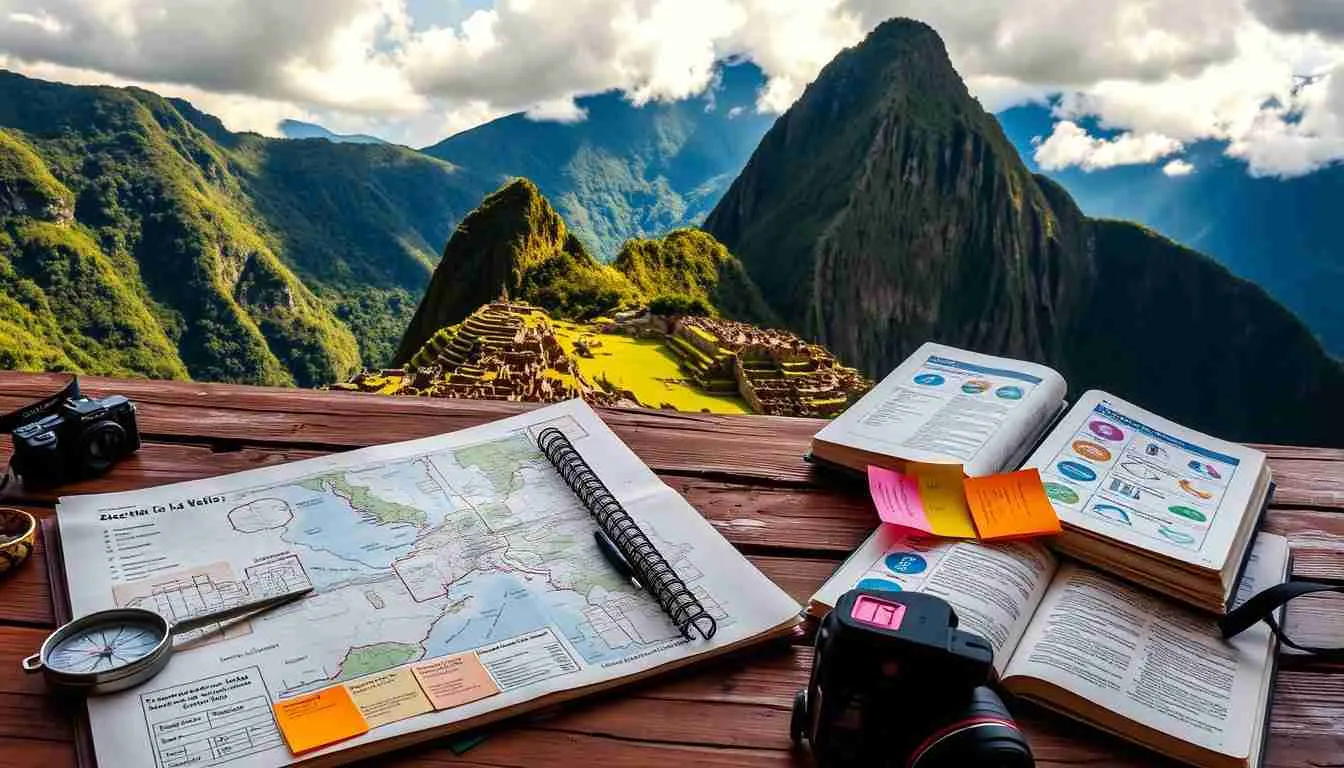
Beyond the Train: Trekking Options to Machu Picchu
While the train is convenient, nothing quite compares to earning your view of Machu Picchu by foot. Trekking offers a deeper connection to the landscape and the Inca experience.
The Classic: Inca Trail
This is the most famous trek, a 4-day, 3-night journey through cloud forests and over high passes, ending with an unforgettable sunrise arrival at the Sun Gate. It’s challenging but incredibly rewarding. Remember the permit situation: book far, far in advance through a licensed operator.
The Adventurer’s Pick: Salkantay Trek
Often considered the best alternative to the Inca Trail, the Salkantay Trek is a 5-day adventure known for its stunning mountain scenery, including glaciers and high-altitude passes. It’s generally more physically demanding than the Inca Trail but doesn’t require permits as restrictive as the Inca Trail and can be booked closer to your travel date.
Other Paths Less Traveled: Lares, Jungle Trek
There are several other fantastic trekking routes. The Lares Trek offers a cultural experience, passing through traditional Andean villages. The Inca Jungle Trek is a multi-sport adventure involving biking, rafting, and hiking. Each offers a unique way to experience the region before reaching Aguas Calientes.
Timing is Everything: Best Time to Visit Machu Picchu
When you visit significantly impacts your experience. Consider both weather and crowds.
Wet Season vs. Dry Season
- Dry Season (May to October): This is peak tourist season. Expect sunny skies, less rain, and comfortable temperatures. However, also expect larger crowds and higher prices for flights, trains, and accommodation. Booking well in advance is essential.
- Wet Season (November to April): You’ll encounter fewer crowds and often lower prices. The landscape is lush and green, but rain is frequent, and sometimes heavy. January and February can be very wet, and the Inca Trail closes for maintenance in February. Don’t let the ‘wet’ label entirely deter you; showers are often short, and the mist can add a magical, mysterious atmosphere to the ruins.
Crowd Control: When to Go for Solitude
To avoid the densest crowds, aim for the shoulder seasons (late April, early May, late October, early November). Within any day, the earliest morning slots (6-8 AM) and late afternoon slots (3-5 PM) generally see fewer people. Be prepared for crowds around midday, regardless of the season.
Where to Rest Your Head: Accommodations Near Machu Picchu
Your choice of where to stay can significantly impact your travel logistics and overall comfort.
Cusco: The Hub
Most travelers base themselves in Cusco for at least a few days, both for acclimatization and to explore the city itself. Cusco offers a wide range of accommodation, from luxury hotels to budget-friendly hostels. It’s a vibrant city with great food and history, a perfect starting point before you begin your journey towards Machu Picchu.
Aguas Calientes (Machu Picchu Town): The Base Camp
Staying overnight in Aguas Calientes is a smart move if you want to visit Machu Picchu early in the morning. The town is tourist-oriented, with numerous hotels, restaurants, and souvenir shops. It’s not the most charming town, but it’s incredibly convenient.
Sacred Valley: The Tranquil Escape
For a more relaxed pace and stunning scenery, consider staying in one of the Sacred Valley towns like Ollantaytambo or Urubamba. This allows you to explore the valley’s sites more thoroughly and can also help with acclimatization to altitude before heading to Machu Picchu.
Echoes of the Past: The History and Significance of Machu Picchu
Machu Picchu, meaning ‘Old Mountain’ in Quechua, was built around 1450 CE at the height of the Inca Empire. It’s believed to have been an estate for the Inca emperor Pachacuti, a sacred religious site, or perhaps both. Astonishingly, it remained largely unknown to the outside world until American explorer Hiram Bingham III ‘rediscovered’ it in 1911. Its purpose is still debated by historians, adding to its mystique. Learning about the Inca Empire and its impressive advancements truly enhances your visit to Machu Picchu. Discover more about the fascinating history of the Inca civilization.
Before You Go: Essential Pre-Trip Prep
A little preparation goes a long way in Peru. Here are some key considerations.
Visa & Entry for US Citizens
Good news for US citizens: you do not need a visa for tourist stays up to 183 days in Peru. You just need a valid passport. However, make sure your passport is valid for at least six months beyond your planned departure date from Peru. Always carry a physical or digital copy of your passport and immigration card (usually given upon arrival) with you.
Conquering the Peaks: Preventing Altitude Sickness
This is a serious concern, especially if you’re flying directly into Cusco (elevation ~11,150 feet or 3,400 meters). Machu Picchu itself is lower (~7,970 feet), but you’ll spend time at high altitudes in Cusco and on many treks.
Here’s how to manage it:
- Acclimatize: Spend at least 2-3 days in Cusco or the Sacred Valley before any strenuous activity. Take it easy the first day, avoid alcohol and heavy meals.
- Hydrate: Drink plenty of water and coca tea (available everywhere).
- Medication: Consult your doctor about Diamox (acetazolamide), a prescription medication that can help prevent and treat altitude sickness symptoms.
- Listen to Your Body: Headaches, nausea, dizziness are common. If symptoms worsen, descend to a lower altitude if possible and seek medical advice.
Eating Well: Culinary Delights in Peru
Peruvian cuisine is globally renowned, and you’re in for a treat! In Cusco and Aguas Calientes, don’t miss these local specialties:
- Ceviche: Fresh raw fish marinated in lime juice, often with onions and chili.
- Lomo Saltado: A delicious stir-fry of beef, onions, tomatoes, and French fries, typically served with rice.
- Aji de Gallina: Creamy chicken stew made with yellow chili peppers, cheese, and walnuts.
- Cuy (Guinea Pig): A traditional Andean delicacy, often roasted whole. Adventurous eaters, give it a try!
For a fantastic local experience, check out the San Pedro Market in Cusco. For a great travel experience, similar to what you might find if you travel to Hoi An, seek out small, family-run restaurants. And if you’re exploring ancient temples, just as you would when exploring ancient temples elsewhere, look for authentic local eats nearby.
Travel with Heart: Ethical Tourism
Responsible travel is vital. Here’s how you can make a positive impact:
- Support Local: Buy souvenirs from local artisans, eat at locally-owned restaurants, and hire local guides.
- Respect Culture: Ask for permission before taking photos of people, dress modestly in religious sites, and learn a few basic Quechua or Spanish phrases.
- Minimize Impact: Stick to marked trails, pack out all your trash, and conserve water and energy.
- Be Mindful of Beggars: It can be tough, but often giving money directly can perpetuate cycles of poverty rather than help. Consider donating to reputable local charities instead.
Staying Safe: Tips for Travelers
Peru is generally safe for tourists, but common sense precautions are always wise, much like when you guide to Cairo, Egypt. Here are a few tips:
- Guard Valuables: Be aware of pickpockets in crowded areas like markets and bus stations. Use a money belt or secure bag.
- Trusted Transport: Only use licensed taxis (look for official markings) or ride-sharing apps like Uber or InDriver in larger cities. Avoid hailing unmarked cars at night.
- Solo Female Travelers: Peru is generally welcoming, but always be aware of your surroundings, especially at night. Inform someone of your itinerary and consider group tours.
- Food & Water: Stick to bottled water. Be cautious with street food unless it’s busy and freshly prepared.
Accessibility: Travel for Everyone
Machu Picchu presents challenges for travelers with physical limitations due to its uneven terrain, numerous steps, and high altitude. However, it’s not impossible.
- Wheelchair Access: Limited to the lower parts of the main citadel. Special assistance and prior arrangements with tour operators are essential.
- Families with Young Children: The bus from Aguas Calientes is suitable, but navigating the site with strollers is difficult. Consider baby carriers for infants and be prepared for lots of walking for older children. Keep altitude sickness in mind for everyone, especially kids.
Your best Checklist: Packing for Machu Picchu
Packing smart is crucial for a comfortable trip to Machu Picchu and Peru. The weather can change rapidly in the Andes!
Day Pack Essentials
- Passport: You need it to enter Machu Picchu.
- Machu Picchu Tickets: Printed or on your phone.
- Water Bottle: Stay hydrated!
- Snacks: Energy bars, nuts, fruit.
- Sunscreen & Hat: The sun is intense at altitude.
- Insect Repellent: Especially if visiting in warmer months.
- Rain Jacket/Poncho: Even in the dry season.
- Camera: With extra batteries.
- Small First-Aid Kit: Pain relievers, bandaids, any personal meds.
- Hand Sanitizer & Toilet Paper: Always useful.
Trekking Pack Essentials (for Inca Trail, Salkantay, etc.)
In addition to day pack items, you’ll need:
- Sturdy Hiking Boots: Broken in!
- Layered Clothing: Quick-drying t-shirts, fleece, down jacket.
- Hiking Pants: Convertible ones are great.
- Warm Hat & Gloves: For cold nights/high passes.
- Headlamp/Flashlight: For camping and early morning starts.
- Sleeping Bag: Often rented from tour operators.
- Trekking Poles: Save your knees, especially on descents.
- Water Purification Tablets/Filter: For refilling from streams.
Seasonal Adjustments
- Dry Season: Focus on layers that can be shed easily. Nights are cold, days are warm.
- Wet Season: Prioritize waterproof outerwear, waterproof hiking boots, and dry bags for electronics.
Post-Machu Picchu Adventures: Explore Beyond
Don’t stop your Peruvian adventure at Machu Picchu! The country offers so much more, and you can easily extend your trip.
- Amazon Rainforest: Fly from Cusco to Puerto Maldonado or Iquitos for an incredible wildlife experience in the Amazon. Imagine spotting monkeys, macaws, and caimans!
- Lake Titicaca: Head south to Puno and visit Lake Titicaca, the highest navigable lake in the world, home to the Uros floating islands and ancient Aymara communities.
- Nazca Lines: Fly over these enigmatic geoglyphs in the Nazca Desert, a truly mysterious sight.
- Lima: Spend a few days in Peru’s capital, known for its incredible culinary scene, colonial architecture, and Pacific coastline. Just like you would plan your Rome trip, consider extending your stay to explore more deeply.
Frequently Asked Questions
How much does a trip to Machu Picchu typically cost for a US traveler?
For a US traveler, a trip focused solely on Machu Picchu (2-3 days) can range from $1,000 to $2,500 per person, excluding international flights. This estimate includes Machu Picchu tickets, train, bus, accommodation, and food. However, a multi-day trek like the Inca Trail or Salkantay, combined with flights and longer stays, can easily push costs to $2,500 – $4,000+.
What is the best time of year to visit Machu Picchu for good weather and fewer crowds?
The dry season (May to October) offers the best weather with sunny days and less rain. However, this is also peak season, meaning more crowds and higher prices. For a balance of decent weather and fewer crowds, aim for the shoulder seasons: late April/early May or late October/early November.
Do I need a tour guide to visit Machu Picchu, or can I go solo?
You are required to enter Machu Picchu with a licensed guide for your first visit. You can hire one at the entrance, though it’s often better to pre-book through an agency. However, after your initial guided entry, you are generally free to re-enter and explore independently if you have additional tickets for the same day or a multi-day pass, depending on current regulations.
What are the different ways to get from Cusco to Machu Picchu town (Aguas Calientes)?
The most common route is taking a shared van (collectivo) or taxi from Cusco to Ollantaytambo (about 1.5-2 hours), and then catching a train (Peru Rail or Inca Rail) from Ollantaytambo to Aguas Calientes (about 1.5-2 hours). Some trains also depart from Poroy, closer to Cusco, but are less frequent. From Aguas Calientes, you take a bus or hike up to Machu Picchu’s entrance.
How far in advance should I purchase my Machu Picchu entrance tickets and train tickets?
For standard Machu Picchu entrance tickets, I recommend booking 2-3 months in advance. If you want to hike Huayna Picchu or Machu Picchu Mountain, book 4-6 months out, as these permits are very limited. Train tickets should also be booked 2-3 months ahead, especially for peak season, to ensure availability and better pricing.
What should I include in my packing list for a trip to Machu Picchu and the Inca Trail?
For Machu Picchu, pack layers (quick-dry t-shirts, fleece, light jacket), sturdy walking shoes, a rain jacket/poncho, sun protection (hat, sunscreen), insect repellent, a water bottle, snacks, and your passport with tickets. If trekking the Inca Trail, add hiking boots, a warm sleeping bag, trekking poles, warm hat/gloves, and water purification tablets.
Final Thoughts & Your Next Step
Machu Picchu is more than just a destination; it’s an experience that stays with you long after you’ve left the Andes. It’s a place that challenges your senses, ignites your curiosity, and offers a profound glimpse into a magnificent past. With this Machu Picchu travel guide, you’re now equipped with the knowledge to plan a trip that’s not just memorable, but truly extraordinary.
So, what are you waiting for? Start mapping out your adventure, secure those Machu Picchu tickets, and get ready for the journey of a lifetime. The Lost City of the Incas awaits!




2 Responses