
You step off the bus, and the air hits you. It’s warm, a little humid, carrying a faint scent of incense and cooking spices. Then you see them: hundreds, maybe thousands, of vibrant silk lanterns strung across narrow streets, glowing softly as dusk settles. This isn’t a dream sequence; this is Hoi An, Vietnam, and it’s even more enchanting than the pictures. It’s a place that just feels different, a UNESCO World Heritage Site where time seems to slow down.
I’ve visited Hoi An several times, and each trip reveals another layer of its charm. From the bustling market mornings to the serene river evenings, it’s a sensory feast. If you’re planning a trip, consider this your personal Hoi An travel guide, packed with everything I’ve learned, from the best street food stalls to navigating its ancient alleys without missing a beat.
Sure, it can get busy, especially around the Japanese Bridge, but there are still plenty of quiet corners and genuine experiences to be had. Stick with me, and we’ll unveil the secrets to making your visit unforgettable. Let’s dive in!
How to Get to Hoi An & Local Transport
Hoi An doesn’t have its own airport, so most travelers arrive via Da Nang International Airport (DAD), which is about 30 kilometers (18 miles) away. Getting from Da Nang to Hoi An is pretty straightforward:
- Taxi/Grab: This is the easiest and quickest option. A metered taxi or a ride-sharing service like Grab (Vietnam’s Uber equivalent) will cost you roughly 350,000-500,000 VND (about $15-20 USD). It takes about 45 minutes.
- Private Transfer: Many hotels and guesthouses offer private car services. It’s a bit pricier but great for comfort, especially if you have a lot of luggage.
- Shuttle Bus: Some companies offer regular shuttle services from Da Nang to Hoi An for a more budget-friendly grouped option. Ask your accommodation for recommendations.
- Local Bus: The cheapest way is the public bus, but it’s slower and can be crowded. Look for bus route #1 on Lê Duẩn Street (near Da Nang train station) or Nguyễn Tri Phương Street in Da Nang, heading to Hoi An.

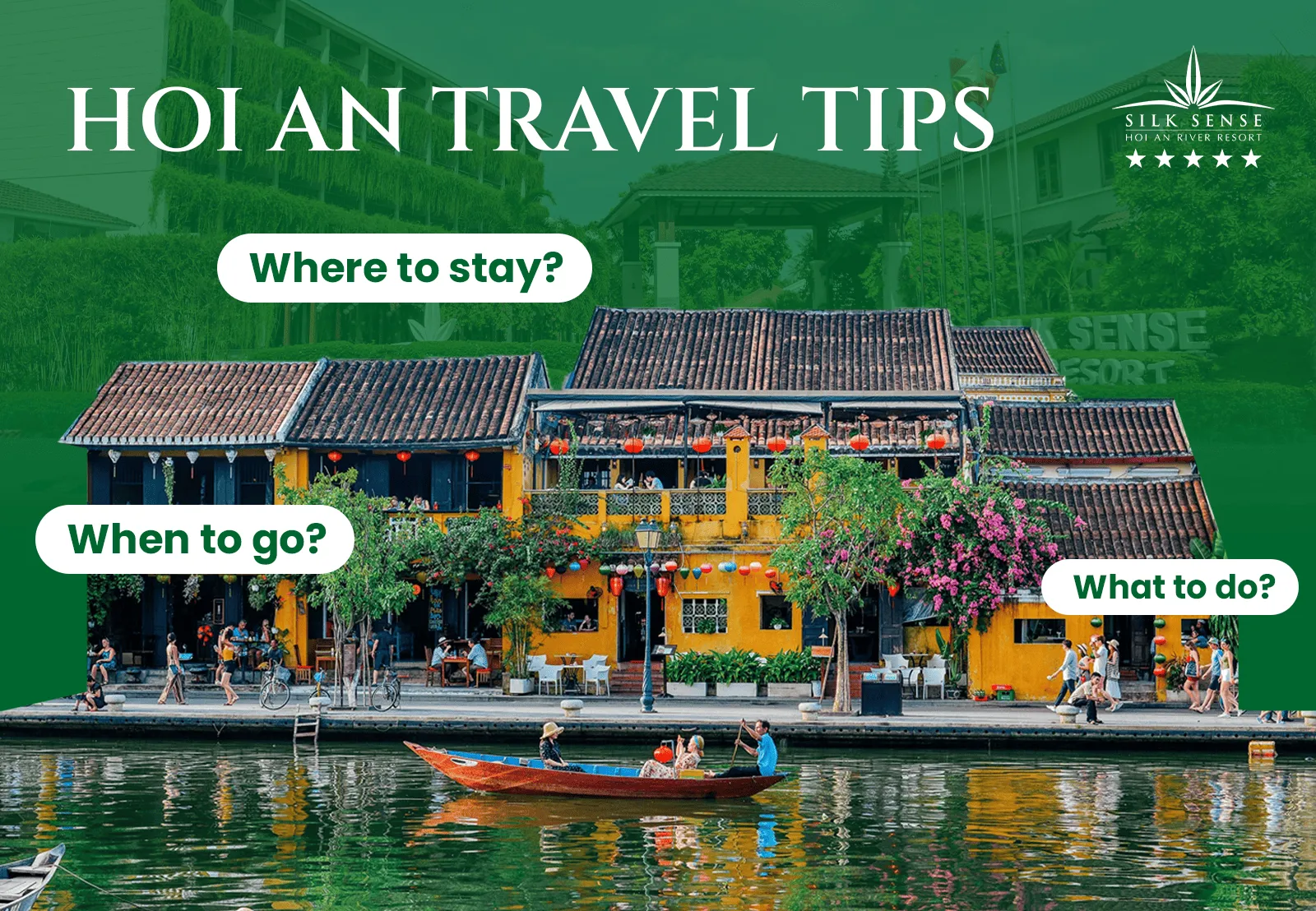
Hoi An Credit: SilkSense
Getting Around Hoi An Ancient Town
Once you’re in Hoi An, you’ll find the Ancient Town is largely pedestrianized and incredibly walkable. That’s part of its magic. But for venturing further:
- Walking: Embrace it! This is the best way to soak in the atmosphere, explore hidden alleyways, and stumble upon charming shops.
- Bicycle: Many hotels and guesthouses offer free bicycle rentals. It’s fantastic for exploring the outskirts, heading to the beach, or just feeling like a local.
- Cyclo: For a leisurely, traditional experience, hop on a cyclo. Negotiate the price beforehand, usually per hour. It’s a great way to see the main sights without tiring your feet.
- Electric Car: Small electric cars operate routes around the Ancient Town, especially useful if you’re staying just outside the main pedestrian zone.
Best Things to Do in Hoi An
Hoi An is packed with unique experiences. Here’s what you absolutely shouldn’t miss:
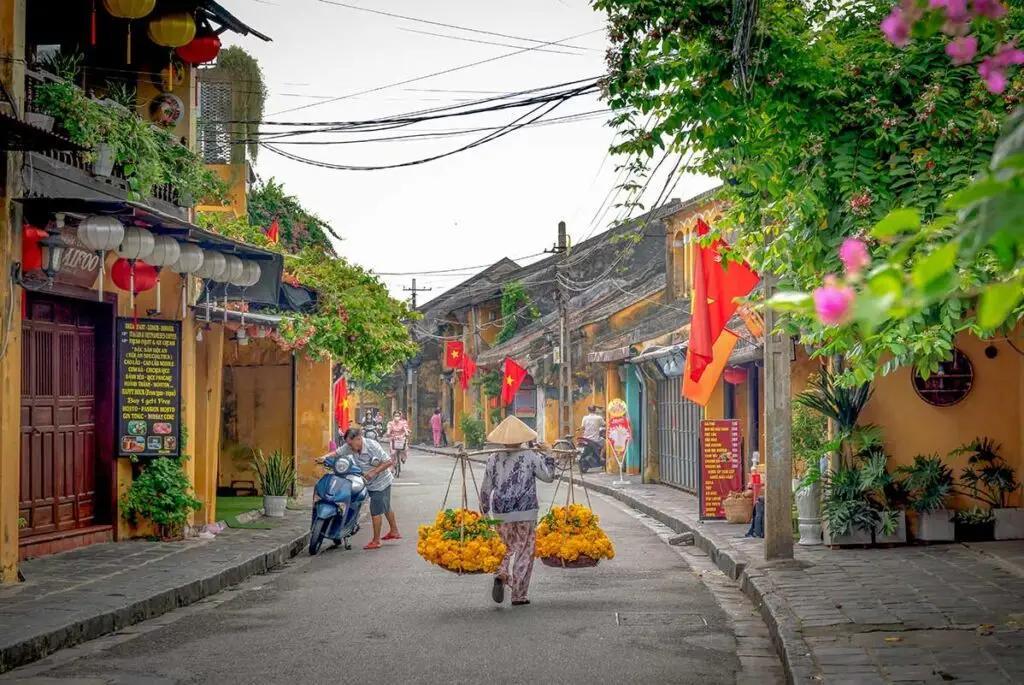
1. Explore Hoi An Ancient Town
This is where the heart of Hoi An beats. A UNESCO World Heritage Site, it’s a living museum of history. Wander through the narrow streets, admire the fusion of Vietnamese, Chinese, Japanese, and European architecture. You’ll need a ticket to enter some of the main historical sites, but strolling the streets is free and utterly captivating.
2. Cross the Japanese Bridge
The iconic Japanese Bridge, built in the 16th century, is the symbol of Hoi An. It’s a small, ornate covered bridge with a pagoda on one side – definitely a must-see. Go early in the morning to avoid the crowds and get some great photos.
3. Glide Along the Thu Bon River
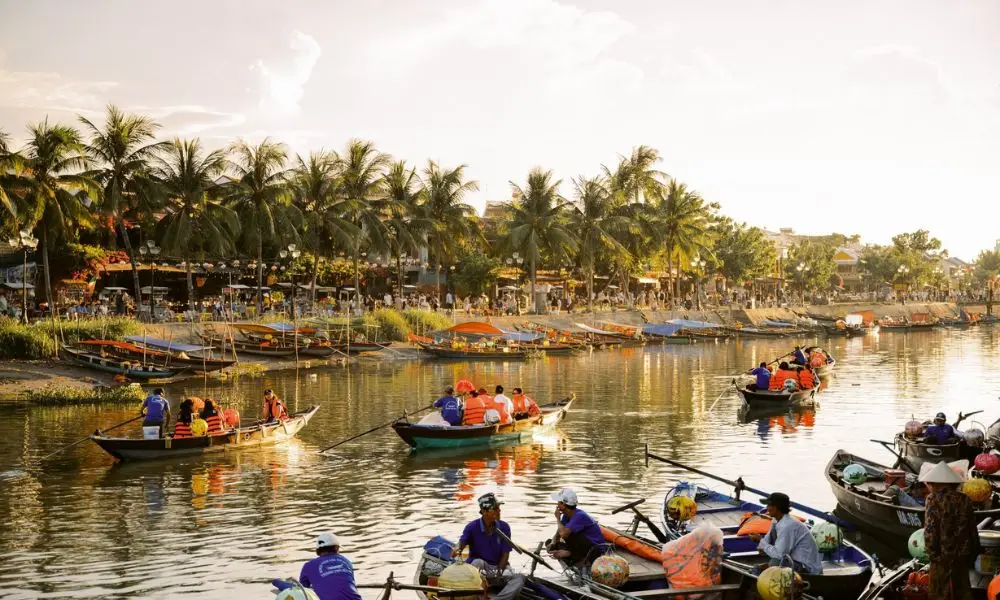
A boat ride on the Thu Bon River, especially at sunset, is pure magic. You can light a paper lantern and set it afloat, making a wish as it drifts downstream. It’s touristy, yes, but incredibly beautiful and atmospheric.
4. Get Custom Clothes Made by Hoi An Tailors
Hoi An is famous for its hundreds of tailors. You can get anything from a custom-made suit or dress to a pair of shoes in just 24-48 hours. I’ve had a few items made myself, and the quality for the price is incredible. Be prepared to bargain a little, and allow time for fittings. Yaly Couture and A Dong Silk are popular, but many smaller shops offer great quality too.
5. Take a Cooking Class
Vietnamese food is legendary, and learning to cook it is an experience in itself. Many cooking class options include a market tour to pick fresh ingredients, followed by hands-on instruction. You’ll learn classics like spring rolls, phở, and even the local specialties like Cao Lau.
6. Go on a Coconut Boat Tour
Head to the Bay Mau Coconut Forest for a truly unique experience: a coconut boat tour. Locals expertly paddle you through the water coconut groves in round basket boats. It’s often accompanied by some energetic spinning (if you dare!) and sometimes even fishing demonstrations. It’s super fun and a bit quirky.
7. Visit a Traditional Craft Village
Hoi An is surrounded by traditional craft villages. Thanh Ha Pottery Village is just a few kilometers away, where you can see artisans making ceramics using age-old techniques. Another is Kim Bong Carpentry Village, known for its skilled woodcarvers. These offer a glimpse into local life beyond the Ancient Town.
Hoi An Food: A Culinary Adventure
Oh, the food! Hoi An’s culinary scene is a star. You absolutely have to try these local specialties:
- Cao Lau: This is my absolute favorite. It’s a noodle dish unique to Hoi An, said to get its distinct flavor from water sourced from an ancient well. Thick, chewy noodles, slices of pork, crispy cracklings, fresh greens, and a savory broth – perfection.
- Bánh Mì: Forget any other sandwich. Vietnamese bánh mì, especially from Madam Khanh (the ‘Banh My Queen’) or Banh Mi Phuong, is life-changing. Crispy baguette, pâté, various meats, fresh herbs, and pickled veggies.
- White Rose Dumplings (Bánh Bao Vạc): Delicate, translucent dumplings made from rice flour, filled with seasoned ground shrimp or pork, and steamed. They resemble small white roses.
- Com Ga (Chicken Rice): Shredded chicken mixed with turmeric-stained rice, served with herbs and a light broth. So simple, so comforting.
“The flavors of Hoi An are a direct reflection of its history – a beautiful blend of cultures creating something entirely new and unforgettable.” – Chef Anthony Bourdain (paraphrased)
Hoi An Accommodation: Where to Stay
Hoi An offers a fantastic range of accommodation for every budget. I generally recommend staying within walking or cycling distance of the Ancient Town to maximize your experience.
| Category | Description & Location | Approx. Price Range (per night USD) |
|---|---|---|
| Budget | Guesthouses, homestays, and hostels slightly outside the Ancient Town but easily bikeable or walkable. Think friendly hosts, basic amenities, and local charm. | $10 – $30 |
| Mid-Range | Boutique hotels or larger guesthouses with pools, AC, and often breakfast included. Many are a stone’s throw from the Ancient Town or along the river. | $30 – $80 |
| Luxury | High-end resorts, often with larger pools, spas, and river views. Some are a short drive from the Ancient Town, offering a tranquil escape. | $80 – $250+ |
Hoi An Shopping: Beyond the Tailors
While the Hoi An tailors are a major draw, don’t miss out on other shopping opportunities:
- Silk Lanterns: The silk lanterns are iconic. You can buy ready-made lanterns or even attend a workshop to make your own. They make beautiful souvenirs!
- Local Art: There are many art galleries showcasing local artists.
- Handicrafts: Look for pottery, wood carvings, textiles, and intricate embroidery.
- Hoi An Night Market: Cross the bridge from the Ancient Town to An Hoi islet for the bustling night market, filled with food stalls, souvenirs, and, of course, countless lanterns.
Hoi An Beaches & Beach Activities
When you need a break from the charming chaos of the Ancient Town, Hoi An offers some lovely beaches nearby.
- An Bang Beach: This is the most popular and easily accessible beach, about 5km from the Ancient Town. It’s got soft sand, calm waters, and a lively strip of beachside restaurants and bars. Perfect for swimming, sunbathing, or enjoying a fresh seafood meal with your toes in the sand.
- Cua Dai Beach: Once Hoi An’s premier beach, it’s suffered quite a bit from erosion. While efforts are being made to restore it, An Bang is generally the better choice these days.
You can easily get to the beaches by bicycle (a pleasant ride through rice paddies), taxi, or Grab.
Day Trips from Hoi An
Hoi An is a great base for exploring central Vietnam.
- My Son Sanctuary: This UNESCO World Heritage Site is a collection of Hindu temples built by the Champa Kingdom between the 4th and 14th centuries. It’s often compared to Angkor Wat, though on a smaller scale. A fascinating historical site.
- Da Nang: Vietnam’s third-largest city, Da Nang, offers a modern contrast to Hoi An. Explore its impressive Dragon Bridge, relax on My Khe Beach, or visit the Marble Mountains.
- Cham Islands (Cu Lao Cham): A biosphere reserve, these islands are great for snorkeling, diving, and enjoying pristine beaches. Day trips typically include transport and lunch.
Hoi An with Kids
Hoi An is incredibly kid-friendly! The pedestrianized Ancient Town is safe for little ones to roam. Kids usually love the lantern-making workshops, the excitement of the coconut boat tour, and splashing around at An Bang Beach. Many hotels have pools, which are always a hit. Just be mindful of the heat during midday and plan activities accordingly.
Best Time to Visit Hoi An & Weather
Hoi An has a tropical climate, with two main seasons:
- Dry Season (February to August): This is generally considered the best time to visit. Temperatures are warm, and there’s plenty of sunshine. March to May is particularly pleasant. June to August can be very hot and humid.
- Wet Season (September to January): Expect more rain and potential typhoons or flooding, especially in October and November. However, rain usually comes in short bursts, and you can still have beautiful sunny days. Plus, the Ancient Town takes on a different, often quieter, charm in the rain.
No matter when you go, it’s truly a special part of Vietnam travel.
Hoi An Itinerary Suggestions
Here are a couple of itinerary ideas to help you plan, whether you have a few days or closer to a week:
3-Day Hoi An Itinerary (A Taste of Ancient Charm)
This itinerary focuses on the core experiences of Hoi An.
- Day 1: Ancient Town Immersion
- Morning: Arrive, check into your guesthouse, and grab a quick bánh mì.
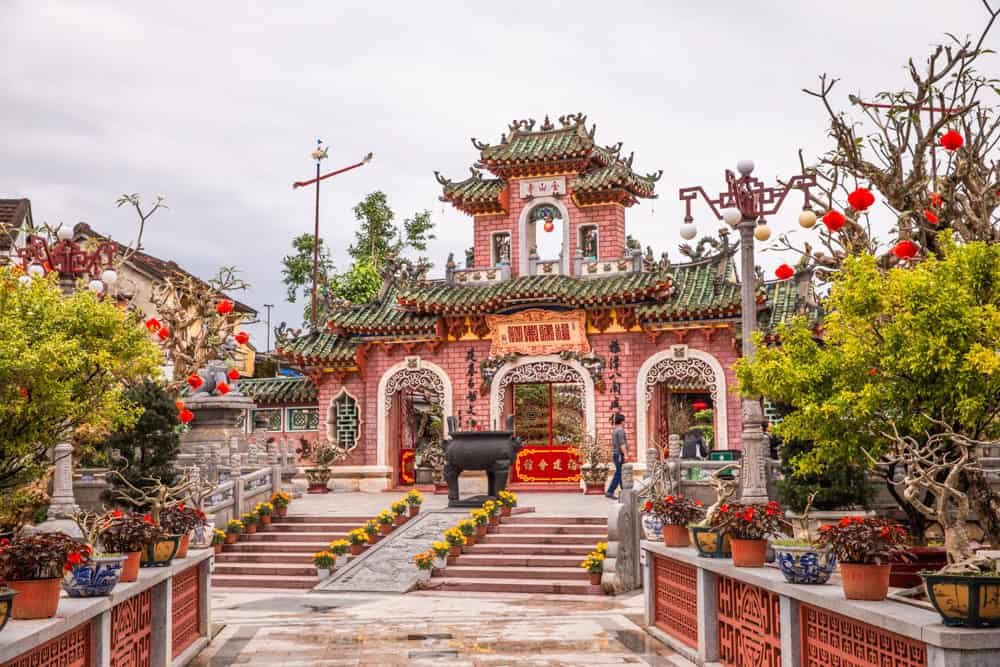
- Afternoon: Dive into the Hoi An Ancient Town. Visit the Japanese Bridge, Assembly Hall of the Fujian Chinese Congregation, and other historic houses. Get your measurements taken at a tailor.
- Evening: Dinner at a riverside restaurant, followed by a Thu Bon River lantern boat ride. Explore the Night Market.
- Day 2: Culture & Cuisine
- Morning: Hoi An cooking class, including a market visit.
- Afternoon: Relax by the pool or head back to the tailors for a first fitting. Cycle through the rice paddies outside town.
- Evening: Enjoy some live music in town or catch a traditional performance. Get another fitting if needed.
- Day 3: Beach Bliss & Departure Prep
- Morning: Cycle or taxi to An Bang Beach for swimming, sunbathing, and a seafood lunch.
- Afternoon: Last-minute souvenir shopping (maybe a silk lantern?) and tailored clothes pickup.
- Evening: Enjoy your last Cao Lau, then head back to Da Nang for your flight or onward journey.
5-Day Hoi An & Surroundings Itinerary (Deep Dive & Day Trips)
With an extra couple of days, you can truly explore the region.
- Days 1-3: Follow the 3-day itinerary above.
- Day 4: My Son & Craft Villages
- Morning: Early start for a trip to My Son Sanctuary. Consider a tour that includes a river journey back to Hoi An.
- Afternoon: Visit Thanh Ha Pottery Village or Kim Bong Carpentry Village for a glimpse of local crafts.
- Evening: Relax, reflect, and enjoy a quiet dinner in one of the Ancient Town’s less touristy spots.
- Day 5: Coconut Forest Fun & Relaxed Exploration
- Morning: Head out for a lively coconut boat tour in the Bay Mau Coconut Forest.
- Afternoon: Enjoy a leisurely coffee at a riverside cafe. Perhaps a final browse for art or gifts.
- Evening: A farewell dinner, savoring your favorite Vietnamese food.
Budget Breakdown for Hoi An (Daily Estimates)
Prices are approximations and can vary greatly depending on negotiation skills, specific choices, and how much you splurge on tailoring!
| Expense Type | Budget Traveler | Mid-Range Traveler | Luxury Traveler |
|---|---|---|---|
| Accommodation | $10-$20 (hostel dorm/basic guesthouse) | $30-$70 (boutique hotel/nice guesthouse with pool) | $80-$200+ (resort, luxury hotel) |
| Food & Drink | $10-$15 (street food, local restaurants, beer) | $20-$40 (mix of local & tourist-friendly restaurants, coffee, cocktails) | $50-$100+ (fine dining, extensive drinks) |
| Activities/Tours | $5-$15 (walking, bike rentals, basic entrance fees) | $20-$50 (cooking class, river cruise, My Son tour) | $60-$150+ (private tours, spa treatments, premium experiences) |
| Transport (Local) | $0-$5 (walking, bike) | $5-$10 (some taxis/Grab, cyclo rides) | $10-$20 (more frequent taxis, private car for short trips) |
| Miscellaneous (Shopping/Tailor) | $0-$20 (small souvenirs) | $50-$200 (a few tailor-made items, decent souvenirs) | $200-$500+ (multiple tailor-made outfits, art, high-end gifts) |
| Daily Total (Excl. Intl. Flights) | $25-$75 | $75-$170 | $200-$500+ |
Local Festivals & Events
Hoi An is famous for its vibrant festivals!
- Hoi An Lantern Festival: This happens on the 14th day of every lunar month when the Ancient Town turns off its electric lights and glows purely by the light of thousands of silk lanterns. The Thu Bon River is awash with floating candles. It’s absolutely magical. Check the lunar calendar for specific dates.
- Tet Nguyen Dan (Lunar New Year): If you’re lucky enough to visit during Tet (late January/early February, dates vary), it’s a huge celebration. The town is decorated, but many businesses may close for a few days.
- Mid-Autumn Festival (Tết Trung Thu): Usually in September or October, this is a children’s festival (though adults love it too!). Expect lion dances and more lanterns.
Safety Tips for Travelers & Avoiding Scams
Hoi An is generally a very safe place, but like anywhere, a few sensible precautions go a long way:
- Bargaining: It’s common practice in markets and for cyclos. Always negotiate prices beforehand. For tailors, be clear on what’s included and get a written quote.
- Motorbikes: Be careful crossing streets and if renting a scooter, wear a helmet and drive cautiously. Traffic can be chaotic.
- Pickpocketing: While not rampant, it can happen in crowded areas. Keep your valuables secure and out of sight.
- Taxis/Grabs: Insist on using a meter or agree on a fare upfront. Grab is generally reliable as the price is fixed in the app.
- Sun and Hydration: It gets hot! Drink plenty of water and use sunscreen.
Sustainable Tourism Practices in Hoi An
As a UNESCO World Heritage Site, Hoi An is working to preserve its charm. Here’s how you can help:
- Reduce Plastic: Carry a reusable water bottle. Many hotels offer free refills. Say no to plastic straws.
- Support Local: Eat at local eateries, buy from small craft shops, and choose guesthouses run by local families.
- Respect Culture: Dress modestly when visiting temples and pagodas. Be mindful of noise levels, especially in residential areas.
- Eco-Tours: Look for tour operators offering responsible tours, like cycling tours through villages that support local communities directly.
Visa Requirements for US Citizens Travelling to Vietnam
For US citizens, a visa is required to enter Vietnam. There are a few ways to get one:
- E-Visa: This is generally the easiest for tourists. Apply online through the official Vietnam e-visa portal. It typically takes 3-5 business days to process.
- Visa on Arrival (VOA): You’ll need to apply for an approval letter from a licensed Vietnamese agency before you travel. You then present this letter at the airport in Vietnam to get your visa stamped.
- Through a Vietnamese Embassy/Consulate: You can apply for a visa in advance at a Vietnamese embassy or consulate in the US.
Always check the latest requirements well before your trip, as regulations can change!
Less Touristy but Authentic Experiences
Want to get off the main tourist trail just a little?
- Early Morning Market Visit: Head to the central market before 7 AM. It’s bustling with locals, a truly authentic sight, and a photographer’s dream.
- Explore Cam Kim Island: Take a short ferry ride (or cycle across a bridge) to Cam Kim Island. It’s quieter, green, and home to the Kim Bong Carpentry Village.
- Riverside Cafes Off the Beaten Path: Instead of the main riverfront, explore the cafes further along the Thu Bon River, especially those on the opposite bank to the Ancient Town. They offer stunning views and fewer crowds.
- Farming & Fishing Tours: Many local agencies offer tours that let you experience a day in the life of a Vietnamese farmer or fisherman. You can learn to plant rice or cast a fishing net.
“The magic of Hoi An isn’t just in its beauty, but in its ability to make you feel like you’ve stepped into a cherished memory, even if it’s your first time there.”
Frequently Asked Questions
Is Hoi An worth visiting?
Absolutely, Hoi An is consistently ranked as one of the best cities to visit in Asia. Its charming Ancient Town, delicious food, rich history, and vibrant culture make it an unforgettable destination for any traveler.
How many days do you need in Hoi An?
I recommend at least 3 full days to experience the main attractions like the Hoi An Ancient Town, take a cooking class, enjoy the beach, and get some tailoring done. If you want to include day trips to My Son or the Cham Islands, 4-5 days would be ideal.
How do I get from Da Nang to Hoi An?
The easiest ways are by taxi or Grab (about 45 minutes, $15-20 USD). Many hotels also arrange private transfers. A more budget-friendly option is the local public bus.
What is the best time of year to visit Hoi An?
The dry season (February to August) is generally best, with pleasant weather especially from March to May. While June-August can be very hot, the wet season (September to January) with its occasional rains can also be charming and less crowded.
Is Hoi An too touristy?
Hoi An is popular, especially the Ancient Town around lunchtime and in the evenings. However, by visiting early mornings, exploring side streets, and taking part in local activities like market tours or village visits, you can easily find authentic experiences away from the main crowds.
What are the must-try foods in Hoi An?
Don’t leave without trying Cao Lau (Hoi An’s unique noodle dish), Bánh Mì from a renowned stall, delicate White Rose dumplings, and refreshing Com Ga (chicken rice). Street food adventures are a must!
Ready to Plan Your Hoi An Adventure?
Hoi An truly is a place that captures your heart. From the glow of its silk lanterns to the flavors of its incredible Vietnamese food, you’re in for a treat. Use this Hoi An travel guide to plan an adventure that feels both effortless and deeply enriching. Happy travels with TravelMapGuide!








One Response