Ever felt a little lost trying to plan a trip to a city as immense and vibrant as Bangkok? You’re not alone. Figuring out where to even begin in this sprawling metropolis can feel like trying to sip from a firehose. Good news: you don’t have to be overwhelmed anymore. This comprehensive Bangkok travel guide is your friendly expert, ready to show you the real city, beyond just the postcard shots.
It’s easy to get stuck in tourist traps or miss out on the incredible local experiences that make Bangkok truly unforgettable. I’ve spent months wandering its streets, tasting its food, and yes, sometimes getting gloriously lost. So, let’s ditch the generic advice and dive into making your trip to Bangkok genuinely epic, whether you’re here for three days or two weeks.
Bangkok Travel Guide: Ditching the Tourist Traps for Real Adventure
Bangkok is a city of delicious paradoxes: ancient temples sit next to gleaming skyscrapers, street vendors cook up Michelin-starred flavors, and serene canals crisscross bustling markets. It’s a place that demands you engage all your senses. This isn’t just about ticking off a list; it’s about feeling the pulse of one of the world’s most exciting cities.
Why Most Bangkok Itineraries Miss the Mark
Many visitors zip through the main attractions and leave feeling like they’ve seen ‘Bangkok’ without really *experiencing* it. They stick to the familiar, missing out on the spontaneous moments and local interactions that truly define a trip here. This usually happens because they haven’t planned for the sheer scale and diversity of things to do, or they haven’t learned how to navigate the city’s unique rhythms.
This guide aims to change that. We’ll cover everything from the must-see sights to the whispered secrets, helping you build a Bangkok itinerary that suits your style and budget. You’ll learn how to eat like a local, explore with confidence, and truly connect with this amazing city, ensuring your Bangkok travel guide experience is one for the books.
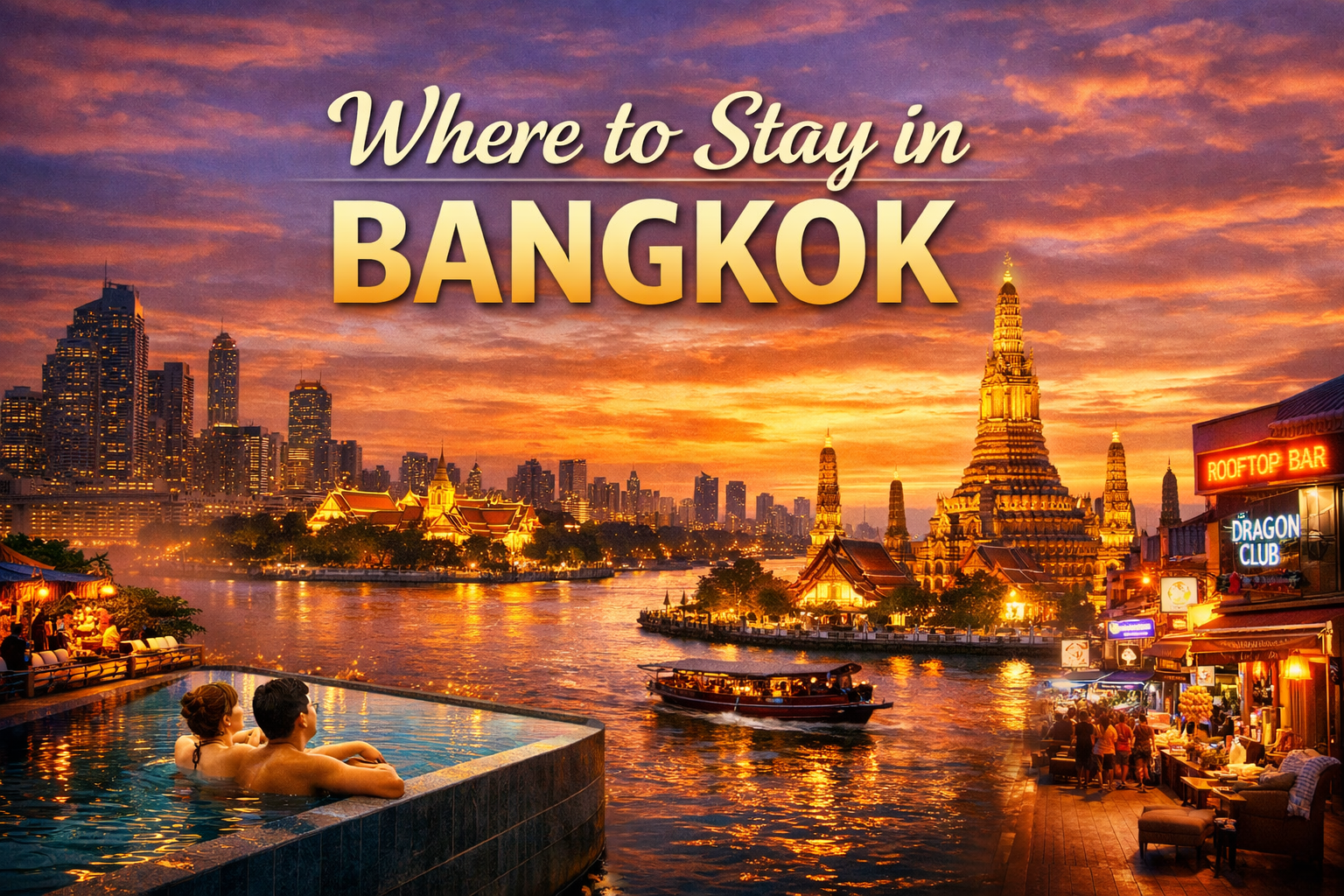
Where to Stay in Bangkok: Picking Your Perfect Hub
Choosing your accommodation is one of the most important decisions for your Bangkok adventure. The city is huge, and each neighborhood has its own distinct personality. Your choice will greatly impact your daily commutes and the overall vibe of your trip.
- Sukhumvit: This area is modern, cosmopolitan, and always buzzing. It’s great for nightlife, upscale shopping malls, and fantastic restaurants. Plus, the BTS Skytrain runs right through it, making transportation easy. You’ll find everything from luxury hotels to budget hostels here.
- Silom: Bangkok’s financial district by day transforms into a vibrant dining and entertainment hub at night. It’s well-connected by both BTS and MRT (subway), offering a good balance of city life and convenience. Patpong night market is here, but don’t let that define the whole area.
- Riverside: If you’re looking for stunning views, romantic dinners, and easy access to the Grand Palace, Wat Arun, and Wat Pho via boat, this is your spot. It’s quieter than Sukhumvit but offers a touch of old-world charm, often with five-star hotels.
- Old City (Rattanakosin): For those who want to be right in the heart of history, near the major temples and Khaosan Road. It’s less connected by public transport (no BTS/MRT), so you’ll rely more on taxis, tuk-tuks, or river boats. Great for budget travelers and backpackers, but it can be loud.
To help you decide, here’s a quick comparison of popular Bangkok accommodation styles for your budget:
| Area/Style | Vibe & Key Features | Avg. Price/Night (USD) | Best For | Why it fits your Bangkok travel guide plan |
|---|---|---|---|---|
| Sukhumvit Hostel (e.g., The Yard Hostel) | Social, modern, good access to nightlife & BTS. Clean, communal spaces. | $15 – $30 | Budget travelers, solo explorers, social butterflies. | Affordable base for urban exploration, easy transport. |
| Riverside Boutique (e.g., Sala Rattanakosin) | Elegant, historical views, serene, close to temples via boat. | $100 – $250 | Couples, luxury seekers, cultural immersion. | Romantic stays, stunning Wat Arun views, unique charm. |
| Silom Mid-range (e.g., Pullman Bangkok G) | Business & leisure mix, good dining, convenient transport. Rooftop pools common. | $70 – $150 | Families, business travelers, those seeking comfort & convenience. | Central location, balanced experience, easy to get around. |
| Old City Guesthouse (e.g., Baan Nampetch) | Authentic, local feel, close to major historical sites & Khaosan Road. Basic amenities. | $30 – $60 | Culture enthusiasts, backpackers, short stays focused on history. | Immersive local experience, walk to temples, very budget-friendly. |
Getting Around Bangkok Without Losing Your Cool
Bangkok’s traffic is legendary, but thankfully, the city has an excellent public transportation system that can help you avoid most of the gridlock.
- BTS Skytrain & MRT Subway: These are your best friends for getting around quickly and cheaply. They’re clean, efficient, and air-conditioned. Buy a one-day pass if you plan on a lot of travel, or just individual tokens.
- Grab (Ride-sharing App): Similar to Uber, Grab is incredibly popular and reliable. You can order cars, taxis, or even Grab bikes. It’s great for longer distances or when public transport doesn’t reach. Just remember, traffic can still be an issue.
- Tuk-tuks: These iconic open-air three-wheelers are fun for short distances and a definite Bangkok experience. However, always negotiate the price *before* you get in. Be prepared for a bumpy, exhilarating ride!
- Chao Phraya Express Boat: For attractions along the river (like Wat Arun or the Grand Palace), the orange-flagged public boat is an amazing way to travel. It’s cheap, scenic, and avoids traffic entirely.
- Motorbike Taxis: For solo travelers in a hurry, these can weave through traffic like nothing else. Again, agree on the price beforehand, and hold on tight!
Your Bangkok Itinerary: From Quick Bites to Deep Dives
No Bangkok travel guide would be complete without some suggested itineraries. Here are a couple of ideas, but remember to adjust them based on your interests and pace.
3-Day Bangkok Blitz: The Essentials
This itinerary is perfect for a quick taste of the city, hitting the major highlights:
Day 1: Royal Grandeur & River Views
- Morning: Start early at the Grand Palace & Wat Phra Kaew (Emerald Buddha). Allow 2-3 hours.
- Lunch: Grab some delicious street food near the palace.
- Afternoon: Cross the river to Wat Arun (Temple of Dawn) for stunning views, then take a ferry back to Wat Pho (Reclining Buddha).
- Evening: Enjoy a riverfront dinner and perhaps a sunset longtail boat ride.
Day 2: Markets, Meals & Modern Vibes
- Morning: Dive into Chatuchak Weekend Market (if it’s the weekend) or Or Tor Kor Market (any day, for incredible food).
- Lunch: Feast at the market!
- Afternoon: Explore Sukhumvit for some modern shopping or a relaxing Thai massage.
- Evening: Experience Bangkok’s rooftop bar scene for incredible city views.
Day 3: Local Life & Last Bites
- Morning: Take a Klong (canal) tour to see a different side of Bangkok, away from the main streets. This is a real glimpse into local life.
- Lunch: Seek out a local favorite, maybe boat noodles in Victory Monument area.
- Afternoon: Visit Jim Thompson House for a dose of history and beautiful Thai architecture.
- Evening: Enjoy a final street food feast and soak in the atmosphere.
5-Day Bangkok Deep Dive: More Layers, More Flavor
With five days, you can slow down a bit and explore more niche interests.
Days 1-3: Follow the 3-day itinerary above.
Day 4: Art, History & Hidden Alleys
- Morning: Explore the charming streets of Chinatown (Yaowarat), sample some legendary snacks and visit temples like Wat Traimit.
- Lunch: Another Chinatown food adventure!
- Afternoon: Discover Bangkok’s burgeoning art scene in neighborhoods like Charoenkrung or visit the quirky Papaya Vintage Shop.
- Evening: Explore some of Bangkok’s speakeasy bars hidden throughout the city.
Day 5: Culture, Cooking & Calm
- Morning: Take a Thai cooking class. It’s a fantastic way to understand the cuisine and culture.
- Lunch: Eat your delicious creations!
- Afternoon: Visit Lumpini Park for a tranquil escape, watch the monitor lizards, or even rent a paddle boat.
- Evening: Enjoy a relaxing dinner, perhaps at a restaurant with live traditional Thai music.
This extended Bali travel insights can also offer inspiration for balancing cultural exploration with relaxation.
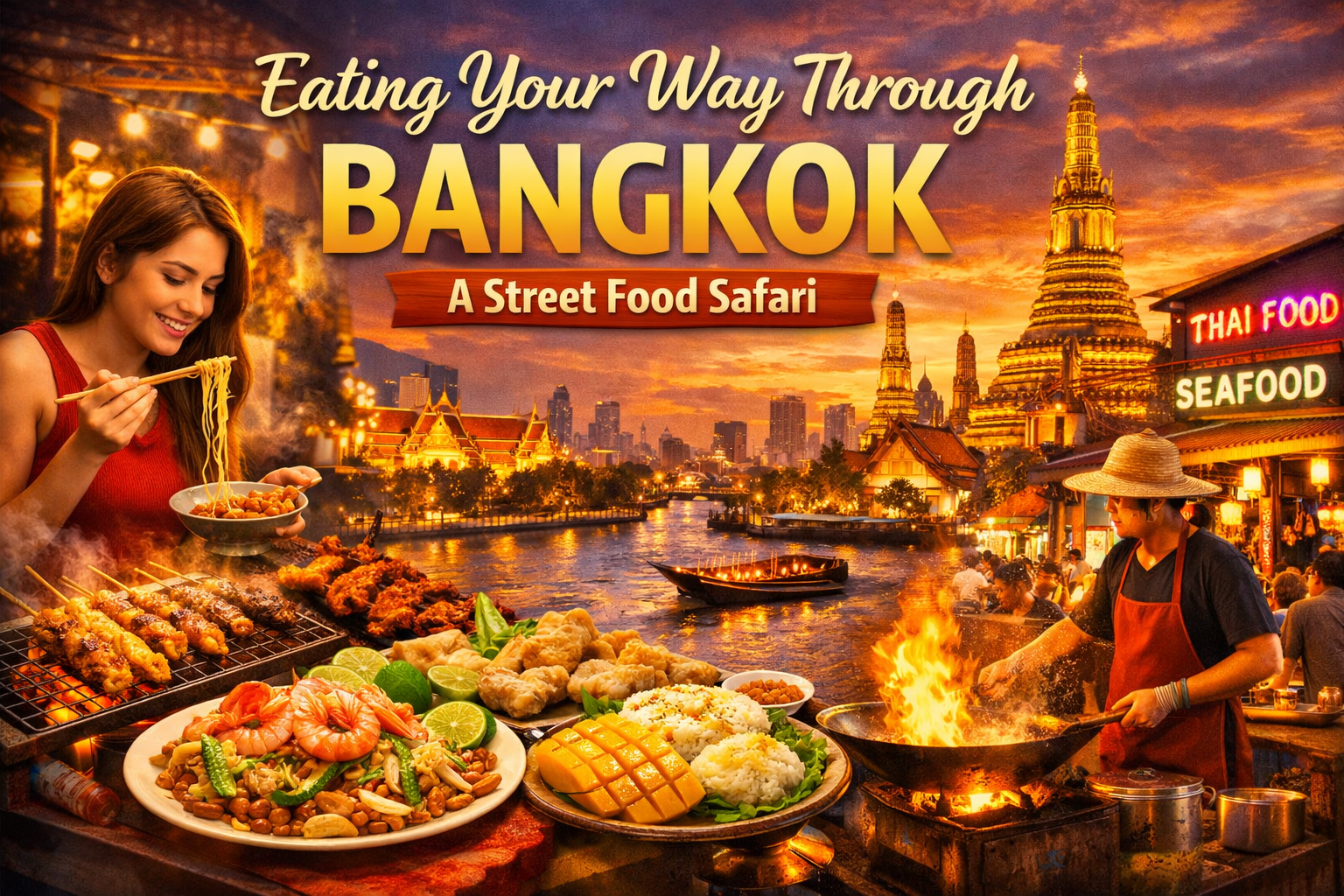
Eating Your Way Through Bangkok: A Street Food Safari
If there’s one thing Bangkok is universally famous for, it’s the food. Street food in particular is an art form here, and you absolutely must dive in. Don’t be shy; some of the best meals you’ll ever have will come from a humble cart on the side of the road. Moreover, you’ll find an incredible array of regional dishes, each bursting with flavor.
- Pad Thai: The classic. Try it from a street vendor for the most authentic experience. Thipsamai is famous, but any busy stall will likely be excellent.
- Mango Sticky Rice (Khao Niao Mamuang): A dessert masterpiece. Sweet sticky rice, fresh mango, and a drizzle of coconut milk. Pure heaven.
- Boat Noodles (Kuay Teow Rua): Small, flavorful bowls of noodle soup, traditionally sold from boats. The broth is rich and often has pig’s blood, giving it a unique depth. Try several bowls!
- Som Tum (Green Papaya Salad): Spicy, sour, sweet, and crunchy. A refreshing kick, especially in the heat.
- Gai Yang (Grilled Chicken) & Khao Niao (Sticky Rice): A perfect combination. The smoky grilled chicken with the accompanying sticky rice is a staple.
Don’t be afraid to try markets like Or Tor Kor (near Chatuchak) for incredible quality produce and prepared foods, or the numerous night markets for a vibrant eating experience. Trust your nose, and look for stalls with long lines of locals – that’s usually a good sign! For an alternative urban food scene, Hong Kong’s urban allure also offers amazing culinary adventures.
The Lowdown on Bangkok Temples: Beyond the Mainstream
You can’t come to Bangkok and not visit some of its magnificent temples, known as ‘wats’. These aren’t just tourist attractions; they’re active places of worship, so respect and appropriate dress are crucial. This part of your Bangkok travel guide is essential.
- Grand Palace & Wat Phra Kaew (Emerald Buddha Temple): This complex is truly spectacular, a dazzling display of Thai craftsmanship and devotion. It houses the revered Emerald Buddha. Remember the strict dress code: shoulders and knees must be covered for both men and women. No sleeveless tops, short shorts, or ripped jeans.
- Wat Arun (Temple of Dawn): Easily recognized by its stunning central prang (tower) adorned with colorful porcelain. It’s especially beautiful at sunrise or sunset when bathed in golden light. You can climb partway up for fantastic river views.
- Wat Pho (Temple of the Reclining Buddha): Home to the massive, gold-leaf-covered Reclining Buddha, which is truly awe-inspiring. Wat Pho is also considered the birthplace of traditional Thai massage, and you can get an authentic massage here.
- Wat Saket (The Golden Mount): For panoramic views of Bangkok, climb the 300+ steps to the top of the Golden Mount. It’s a peaceful retreat from the city below, offering a unique perspective. It offers a different, perhaps more contemplative experience than the busy Cambodian temple exploration in Koh Ker.
“Visiting temples in Bangkok isn’t just sightseeing; it’s a step into the heart of Thai spirituality. Take your time, observe the rituals, and soak in the peaceful atmosphere. It’s a chance to truly connect with the culture.”
Bangkok After Dark: Nightlife & Rooftop Views
When the sun goes down, Bangkok comes alive in a whole new way. From sophisticated rooftop bars to bustling night markets and lively clubs, there’s something for everyone.
- Rooftop Bars: Bangkok’s skyline is dotted with incredible rooftop bars offering breathtaking views. Sky Bar at Lebua (famous from The Hangover Part II) is iconic, but also check out Octave Rooftop Bar (Marriott Sukhumvit 57) for a more relaxed vibe, or Vertigo and Moon Bar (Banyan Tree) for another classic. They often have dress codes (smart casual), so leave the flip-flops at the hotel.
- Night Markets: For a more local and relaxed evening, hit up a night market. Jodd Fairs (Rama IX) is currently a very popular spot for street food, live music, and unique shopping. Rot Fai Market (Srinakarin) is another famous one, though a bit further out.
- Live Music & Clubs: Areas like Sukhumvit (especially Soi 11 and Thonglor/Ekkamai) and Silom are packed with bars and clubs catering to all tastes. From jazz clubs to EDM venues, you’ll find it all.
- Khaosan Road: If you’re looking for a full-on backpacker party experience, Khaosan Road is the place. It’s loud, wild, and an unforgettable spectacle.
Beyond the Buzz: Authentic Bangkok & Hidden Gems
While the main attractions are fantastic, some of the most memorable experiences in Bangkok come from stumbling upon something unexpected or seeking out less-touristy spots. This is where your Hanoi’s vibrant scene exploration mindset really pays off.
- Artist’s House Bangkok (Baan Silapin): Tucked away by a klong, this charming wooden house is a traditional puppet theater, gallery, and cafe. It’s a peaceful escape and offers free puppet shows on weekends.
- Khlong Lat Mayom Floating Market: Less touristy than Damnoen Saduak, this market is a genuine local experience. Come for the amazing food, especially the grilled seafood and local desserts. It’s best to visit on a weekend morning.
- Bang Krachao (The Green Lung of Bangkok): Take a short ferry ride across the Chao Phraya River to this lush, undeveloped area. Rent a bicycle and explore the elevated pathways through mangrove forests and small villages. It feels a world away from the city chaos.
- Museum of Floral Culture: A beautifully restored traditional Thai house showcasing the art of floral arrangement. It’s serene, educational, and a feast for the eyes.
Essential Bangkok Travel Tips: What You *Really* Need to Know
Visa Requirements for US Citizens
Good news! For US citizens, Thailand generally offers a visa exemption for stays up to 30 days when entering by air, and up to 15 days when entering by land from neighboring countries. You’ll need a valid passport with at least six months’ validity remaining and proof of onward travel (a flight out of Thailand within the exemption period). You can apply for a visa extension while in Thailand, but it’s often easier to plan your stay within the exemption period or apply for a longer visa beforehand.
However, requirements can change, so always check the official US Embassy in Thailand visa page or the Royal Thai Embassy website for the most current information before your trip. This ensures you have the latest details for your Bangkok travel guide preparations.
Budget Breakdowns: How Much Does Bangkok Cost?
Bangkok can be as cheap or as luxurious as you want it to be. Here’s a rough daily estimate (per person, excluding international flights):
- Budget Traveler ($40-70/day):
- Accommodation: $15-30 (hostel dorm, basic guesthouse)
- Food: $10-20 (street food, local eateries)
- Activities/Entry: $5-15 (temples, parks, free walking tours)
- Transport: $5-10 (BTS/MRT, local buses, occasional Grab)
- Mid-Range Traveler ($80-150/day):
- Accommodation: $50-100 (3-4 star hotel, comfortable boutique)
- Food: $20-40 (mix of street food & nice restaurants)
- Activities/Entry: $15-30 (cooking class, massage, maybe a specific tour)
- Transport: $10-20 (BTS/MRT, more Grab rides, river boats)
- Luxury Traveler ($180+/day):
- Accommodation: $120+ (5-star hotel, resort)
- Food: $50+ (fine dining, rooftop bars, upscale cafes)
- Activities/Entry: $30+ (private tours, spa treatments, special experiences)
- Transport: $20+ (private transfers, frequent Grab Premium, taxis)
Cultural Etiquette & Social Interactions
Thailand is known as the “Land of Smiles,” and a little cultural awareness goes a long way. Always be polite and respectful. The ‘Wai’ (a prayer-like gesture with a slight bow) is the traditional greeting; a small nod is usually fine for tourists. Don’t touch anyone’s head, as it’s considered the most sacred part of the body. Likewise, don’t point your feet at people or religious figures, as feet are considered the lowest and least sacred. When bargaining in markets, do it respectfully and with a smile; don’t be aggressive. You’ll often get a better deal and a happier interaction.
Health and Safety Advice
Bangkok is generally safe, but like any big city, it pays to be aware. Petty theft can occur, so keep an eye on your belongings, especially in crowded markets or on public transport. Always use official taxis (meter on!) or Grab. Avoid deserted areas late at night.
Regarding health: stay hydrated! The heat and humidity are no joke. Drink plenty of bottled water (tap water is not safe to drink). Consider bringing a small first-aid kit with basic medications. Mosquito-borne illnesses like dengue fever are present, so use repellent, especially at dawn and dusk. For serious medical needs, Bangkok has world-class hospitals like Bumrungrad International Hospital, though they can be pricey. Check with your doctor about recommended vaccinations (e.g., Hepatitis A, Typhoid) before you travel.
Tips for Solo Female Travelers
Bangkok is a popular destination for solo female travelers, and generally, it’s very safe. Use common sense: be aware of your surroundings, especially at night. Stick to well-lit, populated areas. Trustworthy transportation is key; always use Grab or metered taxis, and tell someone your itinerary if you’re out late. Dress respectfully, especially at temples. Thai people are generally very helpful and friendly, but it’s always smart to have your guard up slightly, just as you would in any major city.
Accessibility Information for Travelers with Mobility Challenges
Bangkok’s accessibility for travelers with mobility challenges is improving, but it’s still far from perfect. Many BTS/MRT stations now have elevators, but not all. Sidewalks can be uneven, crowded, and often blocked by vendors or parked motorbikes, making wheelchair navigation difficult. Newer malls and hotels are generally accessible. For historical sites like temples, ramps are rare, and many have steps. River boats can also be challenging to board. Planning ahead with accessible tours or specific transportation (like Grab Assist) is advisable. It requires more careful planning, but it’s not impossible to enjoy the city.
Planning Your Trip: When to Go & What to Pack for Bangkok
Best Time to Visit Bangkok
The best time to plan your Bangkok travel guide adventure is during the cool and dry season, which runs from November to February. Temperatures are milder (though still warm), and humidity is lower, making it much more pleasant for sightseeing. This is also peak tourist season, so expect more crowds and slightly higher prices.
- Hot Season (March – May): Very hot and humid. Temperatures can easily soar above 100°F (38°C). If you don’t mind the heat, prices might be a bit lower.
- Rainy Season (June – October): Expect daily downpours, often heavy but usually short-lived. The city can flood in some areas. Humidity is high. However, the rain often cools things down, and there are fewer tourists. Don’t forget that Mekong Delta experiences can also be affected by similar seasonal weather patterns.
Pre-Trip Planning Checklist
Before you even step foot on the plane, here’s a checklist to make sure you’re ready:
- Passport & Visa: Check validity (6+ months) and visa requirements.
- Flights & Accommodation: Book these well in advance, especially for peak season.
- Travel Insurance: Essential for medical emergencies, lost luggage, or trip cancellations.
- Vaccinations: Consult your doctor for recommended shots.
- Currency Exchange: Get some Thai Baht for immediate use, or plan to withdraw from ATMs upon arrival (inform your bank!).
- Phone & Connectivity: Research eSIMs or local SIM cards for easy data access.
- Download Apps: Grab, Google Maps, Google Translate are lifesavers.
- Pack Smart: Light clothing, comfortable walking shoes, modesty for temples, sun protection, insect repellent.
Day Trips from Bangkok: Escaping the City Scramble
While there’s plenty to keep you busy in Bangkok, a day trip can offer a refreshing change of pace and a deeper look into Thai history and culture.
- Ayutthaya: The ancient capital of Siam, a UNESCO World Heritage site, is just a couple of hours away. Rent a bicycle or hire a tuk-tuk to explore the impressive ruins of temples and palaces. It’s a fantastic historical journey.
- Floating Markets (Damnoen Saduak & Amphawa): Damnoen Saduak is the most famous, but also the most touristy. Amphawa Floating Market is a bit more authentic, especially charming in the late afternoon and evening on weekends.
- Kanchanaburi: Home to the infamous Bridge over the River Kwai and the Death Railway. It offers a poignant historical experience, along with beautiful natural scenery, including Erawan National Park’s stunning waterfalls.
Frequently Asked Questions
How many days should I spend in Bangkok?
Ideally, plan for 3 to 5 full days in Bangkok. Three days allows you to hit the major highlights, while five days gives you a chance to explore at a more relaxed pace, explore specific interests like cooking or art, and even fit in a day trip. Anything less feels rushed, anything more allows for deeper immersion.
What are the must-visit attractions in Bangkok?
The absolute must-visits include the Grand Palace & Wat Phra Kaew, Wat Arun, and Wat Pho (Reclining Buddha). Beyond these, exploring a bustling street food market (like Jodd Fairs or Or Tor Kor), taking a Chao Phraya River boat ride, and experiencing a rooftop bar for sunset views are highly recommended for your Bangkok travel guide.
Is Bangkok safe for tourists, especially at night?
Yes, Bangkok is generally very safe for tourists. However, like any large city, it’s wise to be aware of your surroundings, especially at night. Stick to well-lit, populated areas, and use reputable transportation like Grab or metered taxis. Petty theft can occur in crowded places, so keep your belongings secure.
What is the easiest way to get from Bangkok airports to the city center?
From Suvarnabhumi Airport (BKK), the Airport Rail Link (City Line) is the easiest and most affordable option, connecting you to the BTS Skytrain at Phaya Thai station. From Don Mueang Airport (DMK), you can take an A1/A2 bus to connect to the BTS/MRT network, or use a Grab taxi directly to your accommodation.
What are the essential packing items for a trip to Bangkok?
Pack light, breathable clothing (cotton, linen are ideal) due to the heat and humidity. Comfortable walking shoes are a must. Bring modest attire (shoulders and knees covered) for temple visits. Don’t forget sunscreen, a wide-brimmed hat, insect repellent, and a portable charger for your electronics.
Can I drink tap water in Bangkok?
No, it’s generally not recommended to drink tap water in Bangkok. Always stick to bottled water, which is readily available and cheap. Most hotels provide complimentary bottled water daily. Use bottled water for brushing your teeth as well, just to be safe.
Ready to experience the chaos, charm, and deliciousness of Bangkok? I hope this Bangkok travel guide gives you the confidence to plan an incredible adventure. Don’t just visit; immerse yourself. You won’t regret it!
What are you most excited to see or eat in Bangkok? Share your thoughts in the comments below!