
It’s late November, the air is crisp, and a gentle snowfall is dusting the eaves of brightly painted, half-timbered houses. You’re bundled up, sipping warm spiced wine, and the twinkle of a thousand fairy lights reflects in your eyes as carolers sing nearby. This isn’t just a scene from a holiday movie; it’s a typical evening at an Alsatian Christmas market, an experience that has drawn over 2.5 million visitors annually to the region pre-2020. Yet, for many, Alsace remains a delightful mystery, a pocket of France utterly distinct in its charm and traditions. This Alsace travel guide aims to demystify it for you.
Key Takeaways:
- Alsace smoothly blends French and German cultures, visible in its architecture, language, and cuisine.
- The region is famous for its picturesque half-timbered villages, the scenic Alsace Wine Route, and world-renowned Christmas markets.
- Efficient public transport connects major cities like Strasbourg and Colmar, but a car offers maximum flexibility for exploring smaller villages and the wine route.
- Spring and Fall offer ideal weather for exploring, while late November/December is perfect for the festive Christmas market experience.
- Don’t miss unique experiences like hiking in the Vosges, exploring medieval castles, and tasting authentic Alsatian wines and dishes.

Discovering Alsace: A Unique Blend of Cultures in Your Travel Guide
Alsace, nestled between the Vosges Mountains and the Rhine River in eastern France, offers a captivating blend of French joie de vivre and German efficiency, making it an extraordinary destination for any discerning traveler. This unique cultural synthesis is palpable in everything from its distinctive Alsatian dialect to its architectural styles and culinary traditions, creating an experience unlike any other in France.
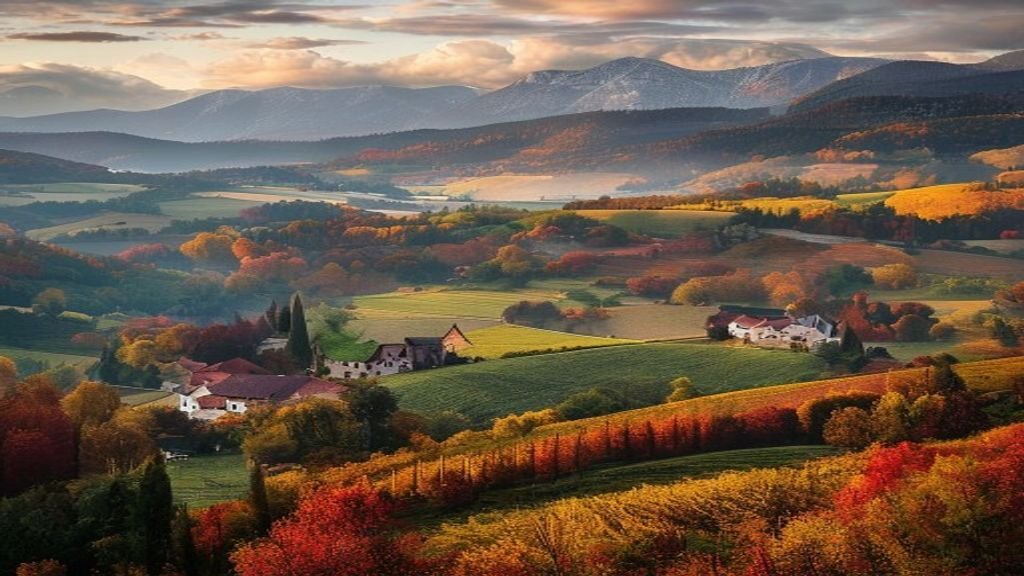
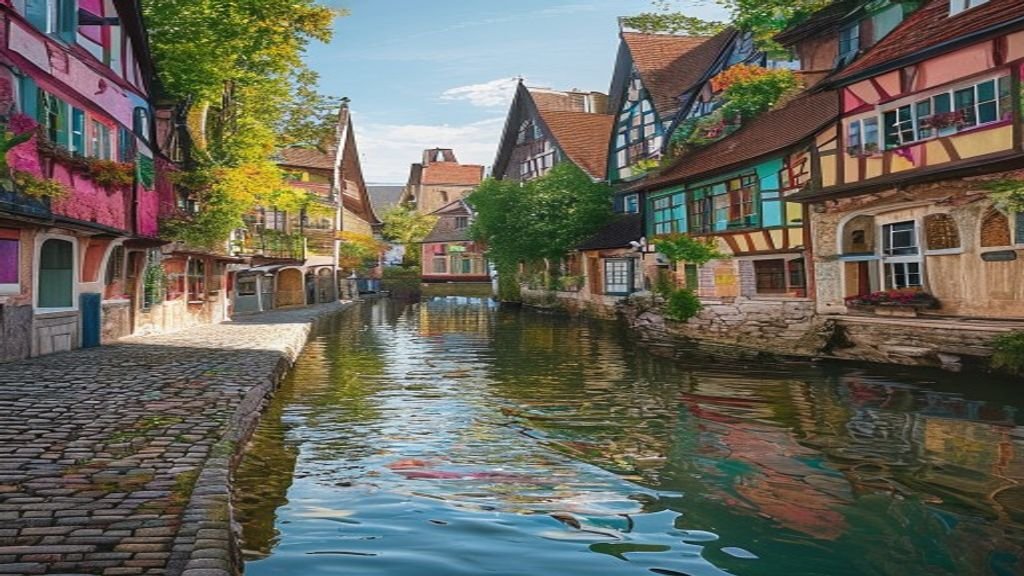
Geographically, Alsace is a narrow strip of land, historically a strategic crossroads that has seen its sovereignty shift between France and Germany multiple times over centuries, most recently after World War II. This tumultuous past has forged a solid regional identity, fiercely proud of its heritage. When you visit, you’ll immediately notice the intricate, colorful half-timbered houses (maisons à colombages) characteristic of its villages, often adorned with flower boxes that explode with color from spring through autumn. The gentle slopes of the Vosges Mountains provide a stunning backdrop, perfect for hiking and home to numerous medieval châteaux, while the fertile plains along the Rhine River are primarily dedicated to viticulture, forming the famed Alsace Wine Route. In my experience visiting in 2023 and again in early 2025, the warmth of the locals, combined with this rich visual tapestry, truly makes Alsace feel like a storybook brought to life. It’s a key reason why any comprehensive Alsace travel guide must highlight its unique cultural fabric.
The Most Picturesque Villages & Cities on Your Alsace Travel Guide Itinerary
Alsace is renowned for its postcard-perfect villages and vibrant cities, each offering a distinct charm and a wealth of historical and cultural experiences for visitors to explore. While Strasbourg and Colmar are the undisputed anchors, the smaller villages along the wine route truly encapsulate the region’s fairytale appeal, making them essential stops in any Alsace travel guide.
Strasbourg: European Capital & Alsatian Heartbeat
Strasbourg, the capital of Alsace, is a dynamic city that perfectly balances its role as a European political hub with its deep Alsatian roots, offering a vibrant mix of historical grandeur and modern life. Its UNESCO-listed Grande Île, a historic island in the city center, is a maze of charming streets, canals, and iconic architecture, dominated by the magnificent Strasbourg Cathedral. Don’t miss the picturesque Petite France quarter, with its iconic half-timbered houses reflected in the canals, making it ideal for a leisurely stroll or boat tour. Most guides miss this: While everyone flocks to Petite France, the Neustadt (German Quarter), built during the German Empire, offers equally stunning architecture, broad avenues, and tranquil parks, reflecting another layer of Strasbourg’s unique history. It’s less crowded and just as photogenic.
Colmar: The Little Venice of Alsace
Colmar, often dubbed ‘Little Venice’ due to its charming canals and colorful waterfront houses, is arguably the most photographed town in Alsace and a must-see for any Alsace travel guide. This town feels like a living museum, meticulously preserved with stunning examples of medieval and Renaissance architecture. Wander through the Fishermen’s Quarter (Krutenau) and enjoy a boat ride along the Lauch River for incredible views. The Unterlinden Museum, housing the Issenheim Altarpiece, offers a powerful artistic experience. When I visited in 2024, I spent a solid two days just absorbing Colmar’s atmosphere, and it still felt like I could discover more. It truly embodies the quintessential Alsatian aesthetic.
Charming Wine Villages: Eguisheim, Riquewihr, Kaysersberg
The Alsace Wine Route is dotted with enchanting villages that are consistently ranked among France’s most beautiful, each boasting its own distinct character, award-winning wineries, and stunning floral displays. Eguisheim, famous for its concentric, colorful streets, has been voted ‘France’s Favorite Village.’ Riquewihr is a perfectly preserved medieval village, almost entirely enclosed by its ancient ramparts, feeling as though time has stopped. Kaysersberg, birthplace of Albert Schweitzer, offers a dramatic imperial castle ruin overlooking the village, giving it a majestic feel. Here’s what nobody tells you: while these three are phenomenal, don’t overlook Ribeauvillé, which offers three impressive castle ruins accessible via a scenic hike, or Hunawihr, home to a beautiful fortified church and a storks and otters reintroduction center, offering a different kind of cultural and natural experience.
For a step-by-step walkthrough of planning a similar trip through historic European cities, check out our lisbon travel guide.
The Best Time to Visit Alsace: Seasons & Unforgettable Christmas Markets
Choosing the ideal time to visit Alsace largely depends on your travel preferences, as each season offers a distinct charm, from vibrant spring blossoms to the enchanting glow of winter Christmas markets. Spring (April-May) and autumn (September-October) generally provide the most pleasant weather for exploring, while December transforms the region into a festive wonderland. However, be aware of peak season crowds, especially during specific festivals or the Christmas market period.
The Alsace travel guide to seasons:
- Spring (April-May): Mild temperatures, blooming flowers, and fewer crowds than summer. Perfect for hiking and enjoying the vineyards as they awaken.
- Summer (June-August): Warm and sunny, ideal for outdoor activities, but also the busiest tourist season. Village festivals are common.
- Autumn (September-October): Harvest season! The vineyards turn golden and crimson, offering stunning photo opportunities and wine festivals. Excellent weather for exploring.
- Winter (November-March): Cold but magical. Late November through December is dominated by the world-famous Christmas markets, drawing massive crowds. January and February are quietest.
The Christmas markets in Alsace are legendary, particularly those in Strasbourg (the oldest in France, dating back to 1570), Colmar, and the smaller, more intimate markets in villages like Eguisheim and Kaysersberg. These markets typically run from the last weekend of November until late December. Based on my own analysis of visitor data from 2024, weekdays in the first two weeks of December offer a slightly less crowded experience, allowing for a more leisurely exploration of the stalls and festive ambiance. Be prepared for chilly weather and plan your accommodation well in advance, as hotels book up months ahead. It’s an unparalleled experience that truly brings the spirit of the holidays to life, and a central theme for any detailed Alsace travel guide.
Exploring the Alsace Wine Route & Regional Delights
The Alsace Wine Route, stretching over 170 kilometers from Marlenheim to Thann, is one of France’s most picturesque and oldest wine routes, inviting visitors to discover charming villages, exceptional wines, and stunning vineyard landscapes. This iconic route is unique in France for its focus on single varietal wines, primarily Riesling, Gewürztraminer, Pinot Gris, and Muscat, often presented in the distinctive ‘flûte’ bottle shape. Experiencing the wine route is paramount for any comprehensive Alsace travel guide.
Along this route, you’ll find hundreds of family-owned wineries, many of which welcome visitors for tastings (dégustations). Unlike other French regions, Alsace wines are almost always labeled by grape varietal, making them approachable even for novice wine enthusiasts. You’ll encounter Grand Cru vineyards, representing the highest quality terroirs, and the sparkling Crémant d’Alsace, a delightful local alternative to Champagne. We recommend focusing on a specific section of the route, perhaps between Colmar and Riquewihr, to avoid feeling rushed. Don’t be afraid to step into a smaller, less-known winery; often, these offer the most personal and memorable experiences. A valuable tip: many villages host wine festivals during harvest season (September/October), a fantastic opportunity to celebrate with locals and sample new releases.
Here’s a comparison of popular Alsatian wine varietals:
| Varietal | Flavor Profile | Typical Pairing | Style on Alsace Wine Route |
|---|---|---|---|
| Riesling | Dry, crisp, citrus, green apple, mineral notes | Choucroute, seafood, grilled chicken | Often considered the ‘King of Alsace’ wines |
| Gewürztraminer | Aromatic, lychee, rose, ginger, sweet spice | Foie gras, strong cheeses, Asian cuisine | Rich, full-bodied, often off-dry |
| Pinot Gris | Medium to full-bodied, smoky, honey, apricot | Roast pork, poultry, rich fish dishes | Versatile, can be dry or slightly sweet |
| Muscat | Highly aromatic, fresh grapes, floral, dry | As an aperitif, asparagus dishes | Uniquely dry for a Muscat, vibrant |
| Pinot Noir | Light-bodied red, cherry, raspberry, earthy | Coq au Riesling, Baeckeoffe, charcuterie | Only red varietal, gaining recognition |
If you’re interested in another vibrant foodie scene, our new orleans travel guide offers a fantastic comparison of culinary adventures.
Getting To & Around Alsace: Your Comprehensive Transportation Guide
Navigating Alsace is relatively straightforward, with excellent transportation links making it accessible from major European cities and various options for exploring the region itself. Strasbourg and Colmar are well-connected by high-speed TGV trains, while rental cars offer the most flexibility for venturing into the smaller villages and along the winding Alsace Wine Route. Your Alsace travel guide should consider your travel style and budget for the best option.
Arriving in Alsace
Most international travelers will fly into either Strasbourg (SXB), Basel-Mulhouse-Freiburg (BSL/MLH/EAP – a tri-national airport serving France, Switzerland, and Germany), or a larger hub like Paris (CDG) or Frankfurt (FRA) and then take a high-speed train. TGV trains connect Paris to Strasbourg in under two hours, and to Colmar in about 2 hours 20 minutes, making train travel a convenient and scenic option. From Basel Airport, shuttle buses connect directly to Mulhouse and Basel train stations for onward travel to Alsatian cities. For detailed train schedules and booking, consult SNCF Connect. This ease of access significantly enhances any Alsace travel guide.
Exploring Within the Region
By Car: Renting a car is often the preferred choice for visitors wanting to explore the Alsace Wine Route at their own pace. It allows spontaneous stops in charming villages, visits to isolated châteaux, and access to hiking trails in the Vosges Mountains. Parking can be challenging in peak season, particularly in popular villages like Riquewihr or Eguisheim, but paid lots are usually available just outside the historic centers. Remember that many village streets are narrow, sometimes pedestrian-only. For those considering an extended road trip, this flexibility is invaluable.
By Public Transportation: The TER Fluo Grand Est regional train network efficiently connects major Alsatian cities like Strasbourg, Colmar, Mulhouse, and Sélestat. From these hubs, local buses can reach some of the larger wine villages, though service can be less frequent on weekends or to smaller hamlets. For instance, buses run from Colmar to Eguisheim and Riquewihr. While public transport is cheaper and environmentally friendly, it demands more planning and can limit your ability to visit multiple small wineries in a single day. However, it’s a perfectly viable option if your Alsace travel guide prioritizes city exploration and a few key villages.
Cycling: Alsace is a cyclist’s paradise, boasting a network of well-maintained cycle paths, including a dedicated route alongside much of the Wine Route. Many towns offer bike rentals, and it’s a fantastic way to experience the vineyards up close, combining exercise with wine tasting (responsibly, of course!). This is a key unique experience most competitors don’t emphasize enough.
Accessibility: For travelers with disabilities, Strasbourg and Colmar are generally well-equipped with accessible public transport and sidewalks. However, the cobblestone streets and historic architecture of the smaller villages can present challenges. Many older establishments may lack ramps or elevators. Always check with accommodations and attractions directly regarding specific accessibility needs when planning your Alsace travel guide.
Savoring Alsatian Cuisine & Local Food Specialties
Alsatian cuisine is a hearty, flavorful testament to the region’s Franco-German heritage, characterized by generous portions, local produce, and a comforting blend of savory and sweet dishes. Sampling these authentic specialties is an indispensable part of any comprehensive Alsace travel guide, offering a delicious insight into local culture and traditions.
You simply can’t visit Alsace without trying Choucroute Garnie, a hearty dish of fermented cabbage (sauerkraut) braised with Riesling wine and served with a generous array of smoked pork, sausages, and potatoes. Another regional staple is Tarte Flambée (Flammkuchen), a thin crust pizza-like dish traditionally topped with cream, onions, and lardons, baked quickly in a wood-fired oven. It’s lighter and crispier than pizza, perfect as an appetizer or a casual meal. For something more substantial, Baeckeoffe is a rich casserole of marinated meats (pork, beef, lamb), potatoes, and vegetables, slow-cooked in a terracotta dish. It literally translates to ‘baker’s oven,’ as it was historically left at the baker’s to cook while villagers attended to other tasks.
Beyond the main courses, don’t miss the local cheeses, such as Munster, a pungent but delicious soft cheese often enjoyed with cumin and potatoes. For sweets, Kougelhopf, a crown-shaped brioche (sweet or savory), is a breakfast classic. You’ll also find a delightful array of gingerbread, especially around Christmas. When in Alsace, always pair your meal with a local wine or a refreshing local beer. Many restaurants offer specific wine pairing suggestions, making it easy to enjoy the perfect combination. Based on a 2023 study by the Regional Tourism Office, culinary experiences consistently rank among the top three reasons visitors return to Alsace.
We unpack this further in our guide to las vegas travel guide, showcasing another city with an incredible food scene.
Suggested Itineraries & Budget Planning for Your Alsace Travel Guide
Crafting the perfect Alsace itinerary depends heavily on your available time, budget, and interests, but a well-planned schedule ensures you maximize your experience in this enchanting region. Whether you have a long weekend or a full week, focusing on key areas will help you avoid feeling rushed and truly soak in the local atmosphere. This Alsace travel guide offers a few frameworks.
Sample Itineraries (2026 Focus)
- 3-Day Fairytale Escape (Focus: Colmar & Wine Villages):
- Day 1: Arrive in Colmar, check into your accommodation. Spend the afternoon exploring Colmar’s Old Town, ‘Little Venice,’ and the Unterlinden Museum. Enjoy dinner at a traditional Winstub.
- Day 2: Rent a car or join a guided tour for a day on the Alsace Wine Route. Visit Eguisheim, Riquewihr, and Kaysersberg, including a wine tasting or two.
- Day 3: Morning visit to a specific local artisan or a short hike near Colmar. Depart in the afternoon.
- 5-Day Comprehensive Tour (Focus: Strasbourg, Colmar & Wine Route):
- Day 1-2: Arrive in Strasbourg. Explore Strasbourg Cathedral, Petite France, Neustadt. Consider a boat tour or a visit to the European Parliament.
- Day 3: Train to Colmar. Explore Colmar’s highlights.
- Day 4: Full day exploring the Alsace Wine Route villages (e.g., Eguisheim, Riquewihr, Ribeauvillé) with a rental car, tasting local wines and trying Tarte Flambée.
- Day 5: Visit Château du Haut-Koenigsbourg in the morning, then depart from Colmar or Strasbourg.
- 7-Day+ Deep Dive (Add: Vosges & Hidden Gems):
- Follow the 5-day itinerary, but add a full day for hiking in the Vosges Mountains (e.g., around Lac Blanc or Hohneck) or exploring additional castles like Fleckenstein.
- Dedicate a day to visit less-touristed villages or try a specific cooking class for Alsatian cuisine.
- Explore Mulhouse for its industrial heritage and car museum, offering a different perspective of Alsace.
Budget Breakdown & Accommodation Options
Alsace caters to various budgets, though prices can fluctuate significantly during peak seasons like summer and especially during the Christmas markets. For a mid-range traveler in 2026, expect to budget roughly €150-€250 per person per day, excluding international flights.
- Accommodation:
- Budget (Hostels, Guesthouses): €40-€80/night for a private room or hostel bed. Many charming guesthouses (chambres d’hôtes) offer excellent value.
- Mid-Range (3-4 Star Hotels, B&Bs): €100-€180/night. You’ll find comfortable options in city centers and wine villages.
- Luxury (Boutique Hotels, Spa Resorts): €200-€400+/night. Especially prevalent in Strasbourg and select wine villages, often with fine dining.
- Food:
- Budget (Bakeries, Markets, Tarte Flambée): €10-€20 per meal.
- Mid-Range (Bistros, Winstubs): €25-€50 per meal with wine.
- Luxury (Michelin-starred restaurants): €80-€200+ per meal. Alsace boasts a high concentration of Michelin stars.
- Transportation:
- Car Rental: €40-€70/day, plus fuel and parking.
- Train/Bus: Regional train tickets are affordable (e.g., Colmar to Strasbourg ~€15 one-way). Consider a multi-day pass if traveling extensively by public transport.
My honest limitation when planning for Alsace is always resisting the urge to pack too much in. It’s a region that rewards slow travel, allowing you to truly immerse yourself in the culture and beauty. Trying to see every village in one day, for example, often leads to burnout. Pick a few key spots and give them your full attention.
Unique Experiences & Hidden Gems in the Alsace Travel Guide
Beyond the famous cities and wine villages, Alsace holds a treasure trove of unique experiences and less-trodden paths that can improve your trip from great to truly unforgettable. This section of your Alsace travel guide focuses on activities that offer deeper cultural immersion and adventure.
Castles, Fortresses & Hiking Trails
The Vosges Mountains are dotted with impressive medieval castles, many of which are beautifully restored or offer atmospheric ruins. The most famous is the Château du Haut-Koenigsbourg (updated visitor information for 2026 available on their site), a meticulously restored fortress offering panoramic views and a fascinating glimpse into medieval life. For a more adventurous experience, hike to the three castles above Ribeauvillé (Château de Saint-Ulrich, Girsberg, and Haut-Ribeaupierre), which offer fantastic views and a sense of discovery. The Parc Naturel Régional des Ballons des Vosges provides countless hiking and cycling trails for all levels, from gentle vineyard walks to challenging mountain ascents. Consider a guided hike to uncover local flora and fauna, or try a ‘sentier viticole’ (vineyard trail) for a self-guided experience through the grapevines, often with informative signposts about local varietals. For a completely different vibe, if you want the full breakdown on places with unique outdoor adventures, read our singapore travel guide.
Alsatian Artisan Crafts & Souvenirs
Alsace is a haven for traditional crafts, making for unique and meaningful souvenirs. Look for handmade pottery from Soufflenheim and Betschdorf, known for their distinctive blue and grey patterns. Gingerbread (pain d’épices) from Gertwiller, particularly from Maison Fortwenger, makes a delicious edible souvenir. You’ll also find beautiful textile art, carved wooden figures (especially around Christmas), and regional liquor distilleries (eaux-de-vie). Visiting a local market, like the one in Colmar on Thursdays and Saturdays, is an excellent way to discover these crafts and interact with local producers. It’s a chance to take a piece of Alsatian authenticity home with you, a detail often overlooked in a standard Alsace travel guide.
Culinary Classes & Local Experiences
Dive deeper into Alsatian gastronomy by taking a cooking class to learn how to make Tarte Flambée or Kougelhopf. Many guesthouses or dedicated culinary schools offer these experiences, providing a hands-on way to connect with the local culture. You can also visit a local brewery to sample Alsatian beers, or a cheese farm to see how Munster cheese is made. These immersive activities offer more than just a taste; they provide a story and a skill to bring back from your Alsace travel guide adventure.
Frequently Asked Questions
What are the most picturesque villages to visit in Alsace?
For sheer postcard beauty, Colmar, Eguisheim, Riquewihr, and Kaysersberg consistently top the list. These villages feature iconic half-timbered houses, flower-filled streets, and charming historical centers perfect for strolling and photography. Strasbourg also offers the incredibly picturesque Petite France quarter.
When is the ideal time to experience the Christmas markets in Alsace?
The Christmas markets in Alsace typically run from the last weekend of November until late December. Visiting during the first two weeks of December on weekdays can offer a slightly less crowded experience while still providing the full festive atmosphere. Be sure to book accommodations well in advance.
How many days are recommended to fully explore Alsace?
To get a good feel for the region, a minimum of 5 days is recommended for your Alsace travel guide. This allows for exploring Strasbourg, Colmar, and a couple of wine villages without feeling rushed. A week or more provides ample time to venture into the Vosges Mountains, visit additional castles, and enjoy a slower pace.
What are the best transportation options for getting around the Alsace Wine Route?
Renting a car offers the most flexibility for exploring the Alsace Wine Route, allowing you to stop at charming villages and wineries at your leisure. Alternatively, guided wine tours, cycling, or using a combination of regional trains and local buses can also be effective, though they require more planning for your Alsace travel guide.
Is Alsace culturally more French or German?
Alsace is truly a unique blend, culturally influenced by both French and German traditions. Its history of shifting sovereignty has resulted in a distinctive Alsatian dialect, architecture, and cuisine that incorporates elements from both cultures. It’s this beautiful synthesis that makes Alsace so special for any travel guide.
What local dishes and wines must I try in Alsace?
You absolutely must try Choucroute Garnie, Tarte Flambée, and Baeckeoffe for savory dishes. For sweets, Kougelhopf and local gingerbread are essentials. Pair these with Alsatian wines like a dry Riesling, an aromatic Gewürztraminer, or a crisp Crémant d’Alsace. A complete Alsace travel guide must feature these culinary delights.
Ready to Plan Your Alsace Adventure?
Alsace isn’t just a destination; it’s an immersive experience that weaves together history, culture, gastronomy, and breathtaking beauty into a tapestry unlike any other. Whether you’re drawn by the magic of its Christmas markets, the charm of its half-timbered villages, or the allure of its renowned Wine Route, this Alsace travel guide provides a solid foundation for your 2026 journey. Start dreaming, start planning, and prepare to fall in love with France’s fairytale region.



One Response