
The air in New Orleans practically hums with history, a palpable energy that sweeps you off your feet the moment you arrive. It’s a city where jazz spills onto cobblestone streets, where every meal feels like a celebration, and where the ghosts of centuries past seem to whisper in the humid breeze. Forget sterile city breaks; a New Orleans travel guide promises an immersion into a culture unlike any other in the United States. Let’s dive into making your trip truly magical.
For broader background, see the New Orleans travel guide overview on Wikipedia.
Key Takeaways:
- New Orleans offers a unique blend of music, food, and vibrant culture.
- Explore iconic neighborhoods like the French Quarter and Garden District.
- Must-try experiences include tasting Creole cuisine and catching live jazz.
- Plan ahead for festivals like Mardi Gras and consider off-season travel for fewer crowds.
- Safety and budget tips are essential for a smooth NOLA adventure.
Your Essential New Orleans Travel Guide: What to See and Do
This New Orleans travel guide focuses on what makes the city unforgettable, from its historic heart to its lively outskirts. You’ll find a vibrant tapestry of experiences, blending iconic landmarks with local secrets. Prepare to be captivated by the unique spirit of New Orleans.
The French Quarter: A Sensory Overload
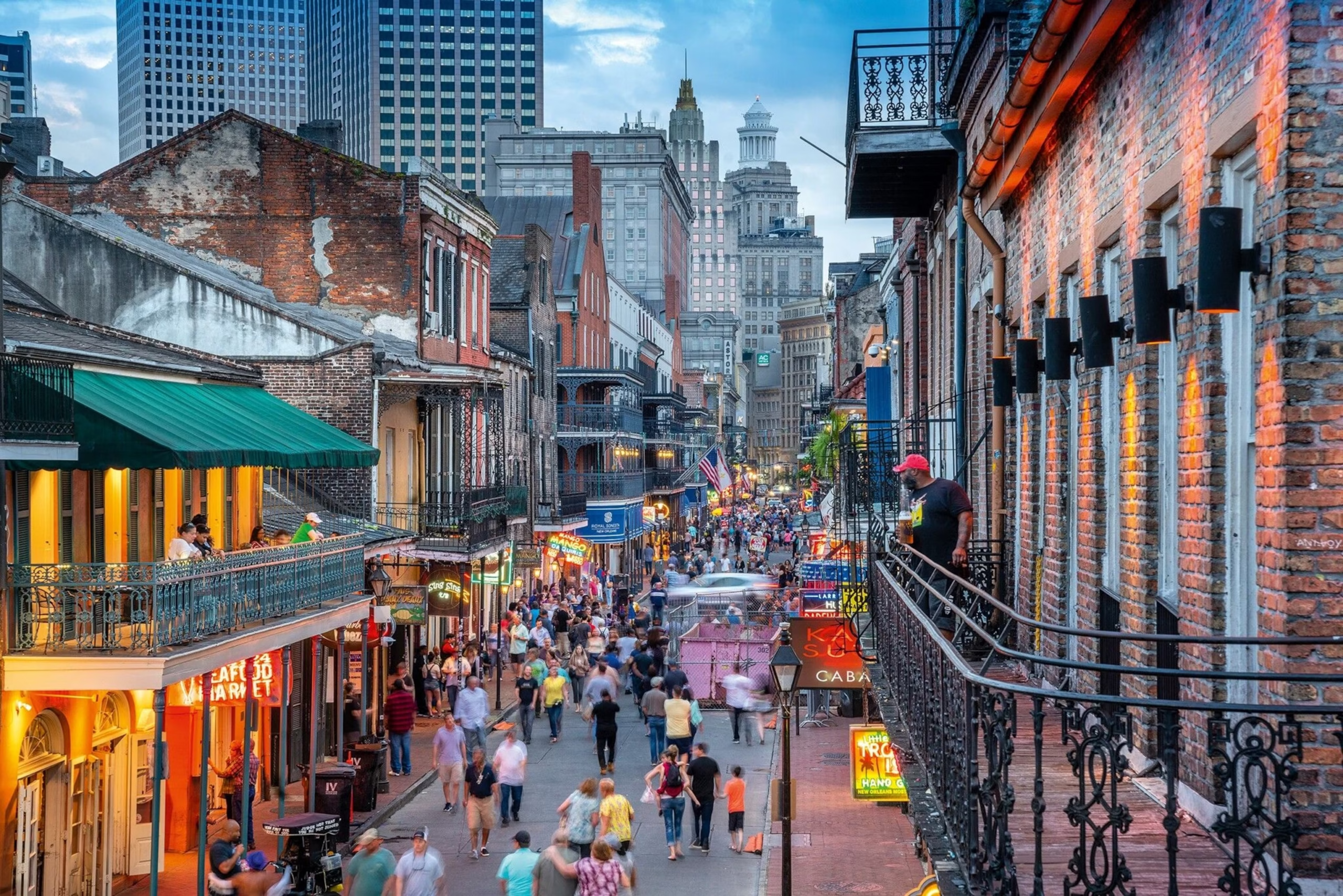
Stepping into the French Quarter is like stepping back in time, a maze of wrought-iron balconies, hidden courtyards, and the constant murmur of music and conversation. Jackson Square, with its street performers and artists, serves as the neighborhood’s vibrant heart. Many guides will tell you to simply wander, and while that’s essential, here’s a deeper insight: listen for the rhythms. Different streets have different musical vibes, from the brass bands near Jackson Square to the blues drifting from smaller clubs. Don’t miss the iconic Cafe Du Monde for beignets, but be prepared for crowds. When I visited in early 2026, I found a little-known tip: the Cafe Du Monde on Decatur Street, while popular, has sister locations like Cafe Beignet on Bourbon Street that offer a similar, delicious experience with often shorter lines. It’s a small tweak that can save you precious exploration time. While Bourbon Street is famous (or infamous) for its lively nightlife, it’s only one facet of the New Orleans experience. For a more authentic feel, explore areas like Frenchmen Street in the Marigny, renowned for its authentic live music venues. The Treme neighborhood, one of the oldest African-American communities in the U.S., offers a deep dive into the city’s rich musical heritage. You can feel the history in the air, a profound connection to the birthplaces of jazz. Most guides focus heavily on the French Quarter.
However, a truly enriching New Orleans travel guide must highlight the significance of the Treme, the ancestral home of jazz. Visiting the Backstreet Cultural Museum (3511 St. Claude Ave) offers a poignant look at Mardi Gras Indian traditions and social aid and pleasure clubs, aspects often overlooked by casual visitors. This is where you connect with the city’s living history.
Garden District Grandeur and Beyond
The Garden District, a short streetcar ride from the French Quarter, showcases stunning 19th-century mansions surrounded by lush greenery. Taking a guided walking tour here is highly recommended to understand the history and architecture. But don’t stop there; explore the nearby Lafayette Cemetery No. 1, one of the city’s oldest and most atmospheric. Note: As of 2026, cemetery access may be restricted to guided tours only due to preservation efforts. Always check current access policies before your visit.
Must-Try Food & Drink: A New Orleans Dining Guide
The culinary scene in New Orleans is legendary, a delicious fusion of French, Spanish, African, and Caribbean influences that defines Creole cuisine. This New Orleans travel guide wouldn’t be complete without highlighting the essential flavors. Prepare your taste buds for an unforgettable journey.
The Holy Trinity of NOLA Flavors: Gumbo, Jambalaya, and Étouffée
You simply cannot visit New Orleans without indulging in its signature dishes. Gumbo, a rich stew, comes in various forms, often featuring seafood or chicken and andouille sausage. Jambalaya is a flavorful rice dish, similar to paella, while Étouffée smothers succulent crawfish or shrimp in a rich, buttery sauce. These dishes are the heart of Creole cuisine.
Here’s what nobody tells you: the ‘roux’ – the base of many of these dishes made from flour and fat – is the true test of a New Orleans chef. A dark, nutty roux takes hours to perfect and separates the truly skilled from the rest. When I tasted a seven-meat gumbo at Dooky Chase’s Restaurant (2301 Orleans Ave), a historic institution founded by Leah Chase, the depth of flavor from their meticulously prepared roux was astonishing. It’s a lesson in culinary patience and expertise.
Beignets and Chicory Coffee: The Quintessential Breakfast
No trip is complete without experiencing beignets and café au lait. The powdered sugar-dusted, deep-fried dough squares from Cafe Du Monde are world-famous for a reason. Paired with the strong, chicory-laced coffee, it’s a quintessential New Orleans morning ritual. It’s a simple pleasure, yet utterly satisfying.
Oysters, Po’boys, and the Art of Happy Hour
New Orleans loves its oysters, whether raw on the half shell, chargrilled with garlic butter, or baked into savory dishes. And then there are po’boys: hearty sandwiches on French bread, typically filled with fried shrimp, oysters, or roast beef. The city also boasts an incredible happy hour culture, with many bars offering fantastic deals on drinks and small plates, making it easier to sample more of the local flavors on a budget.
| Dish/Experience | Average Cost (USD) | Best For | A Word of Caution |
|---|---|---|---|
| Beignets at Cafe Du Monde | $10-15 for a plate and coffee | Iconic breakfast/snack, photo ops | Can be very crowded; expect a line. |
| Creole Gumbo (Entree) | $18-30 | Hearty, authentic meal, defining NOLA cuisine | Portions can be large; shareable. |
| Po’boy Sandwich | $12-20 | Casual lunch, iconic local sandwich | Messy to eat; napkins are your friend! |
| Oysters (Half Dozen) | $15-25 | Seafood lovers, appetizers | Freshness varies; choose reputable establishments. |
| Cocktail at a Historic Bar | $12-18 | Evening relaxation, experiencing NOLA vibe | Pace yourself; drinks can be potent. |
Exploring New Orleans Neighborhoods: Beyond the French Quarter
While the French Quarter is the undisputed star, New Orleans is a city of distinct neighborhoods, each offering a unique flavor and history. This section of your New Orleans travel guide is crucial for experiencing the true diversity of the city. Venture beyond the most-trafficked areas to uncover local gems.
The Marigny and Frenchmen Street: Live Music Hub
Just east of the French Quarter lies the Marigny, most famous for Frenchmen Street. This is the pulsating heart of New Orleans’ live music scene. Forget the cover bands; here you’ll find authentic jazz, blues, and funk spilling from intimate clubs like The Spotted Cat and d.b.a. It’s the perfect spot to immerse yourself in the city’s sonic soul.
Uptown and the Riverbend: A Different Pace
Uptown offers a more laid-back, residential vibe with beautiful oak-lined streets and charming shops and restaurants. The Riverbend area, at the far end of St. Charles Avenue, feels even more removed from the tourist bustle. It’s a great place to catch a streetcar ride and soak in the local atmosphere, perhaps stopping at The Maple Leaf Bar for a taste of local music.
Bywater and the Ninth Ward: Artistic and Resilient
These neighborhoods are known for their vibrant arts scene, colorful houses, and a strong sense of community resilience, particularly after Hurricane Katrina. The Bywater boasts unique art galleries, quirky bars, and the famous Crescent Park for stunning city views. While parts of the Ninth Ward are still recovering, they showcase incredible community spirit and offer a glimpse into a different side of New Orleans.
New Orleans Culture, History & Music Scene Deep Dive
New Orleans’ culture is a captivating blend of influences, evident in its architecture, food, music, and traditions. Understanding this history enriches any visit, transforming a simple vacation into a meaningful exploration. This New Orleans travel guide aims to illuminate these cultural pillars.
The Roots of Jazz and Its Modern Evolution
New Orleans is the birthplace of jazz, and its legacy is everywhere. From Congo Square, where enslaved Africans preserved their musical traditions, to the legendary Preservation Hall, the city breathes jazz. While traditional jazz is ever-present, the city’s music scene is dynamic, encompassing brass bands, funk, blues, and contemporary jazz artists. You can discover incredible talent in small venues scattered throughout the city, not just on Frenchmen Street.
Mardi Gras: More Than Just a Parade
Mardi Gras is New Orleans’ most famous celebration, a riot of color, music, and revelry. While the main event occurs on Fat Tuesday, the season leading up to it is filled with parades and balls. It’s a deeply ingrained cultural tradition, with krewes (organizations) having their own histories and themes. Most visitors associate Mardi Gras with Bourbon Street chaos; however, the parades in Mid-City and Uptown offer a more family-friendly and traditional experience, showcasing the elaborate floats and marching bands.
Based on my own analysis: While Mardi Gras is a huge draw, the shoulder seasons (spring and fall) offer pleasant weather and fewer crowds, making it easier to enjoy the city’s other attractions without the intense energy,or cost,of the festival period. Many locals prefer these times for a more relaxed New Orleans travel guide experience.
Voodoo, Folklore, and the Mystical Side
New Orleans has a rich history intertwined with Voodoo traditions. While often sensationalized, understanding its historical context reveals a complex spiritual system that blended African beliefs with Catholicism. Visiting the New Orleans Historic Voodoo Museum (724 Dumaine St) provides insight, but remember to approach this aspect of the culture with respect.
Recommended Tours & Excursions from NOLA
To truly grasp the essence of New Orleans, consider venturing beyond the city limits or taking guided tours that reveal its hidden stories. This part of your New Orleans travel guide highlights experiences that deepen your understanding and enjoyment.
Swamp Tours: Louisiana’s Wilds
Exploring the Louisiana bayous and swamps is a quintessential NOLA experience. Swamp tours offer a chance to see alligators, unique birdlife, and the stunning cypress-laced landscapes. Many tours depart from near the city, making them easily accessible. Opt for smaller, eco-friendly tours for a more intimate encounter with this unique ecosystem.
Ghost and History Tours: Unearthing the Past
New Orleans is reputed to be one of the most haunted cities in America. Ghost tours explore the city’s dark history, exploring tales of vampires, voodoo queens, and spectral residents. These tours are a fascinating way to learn about the city’s past while getting a little spooked. Look for tours that focus on historical accuracy rather than just jump scares; some explore the complexities of Voodoo history.
Culinary Tours and Cooking Classes
Given the importance of food, culinary tours and cooking classes are a must for foodies. Learn to make classic dishes like Gumbo or Jambalaya, or take a guided food tour through the French Quarter or Garden District to sample a variety of iconic tastes. This hands-on approach makes the city’s cuisine even more memorable.
Practical New Orleans Travel Tips for 2026
A well-prepared traveler is a happy traveler. This section of your New Orleans travel guide covers essential practicalities to ensure your visit is smooth and enjoyable. New Orleans in 2026 continues to evolve, so staying informed is key.
Getting Around: Walk, Streetcar, or Ride-Share?
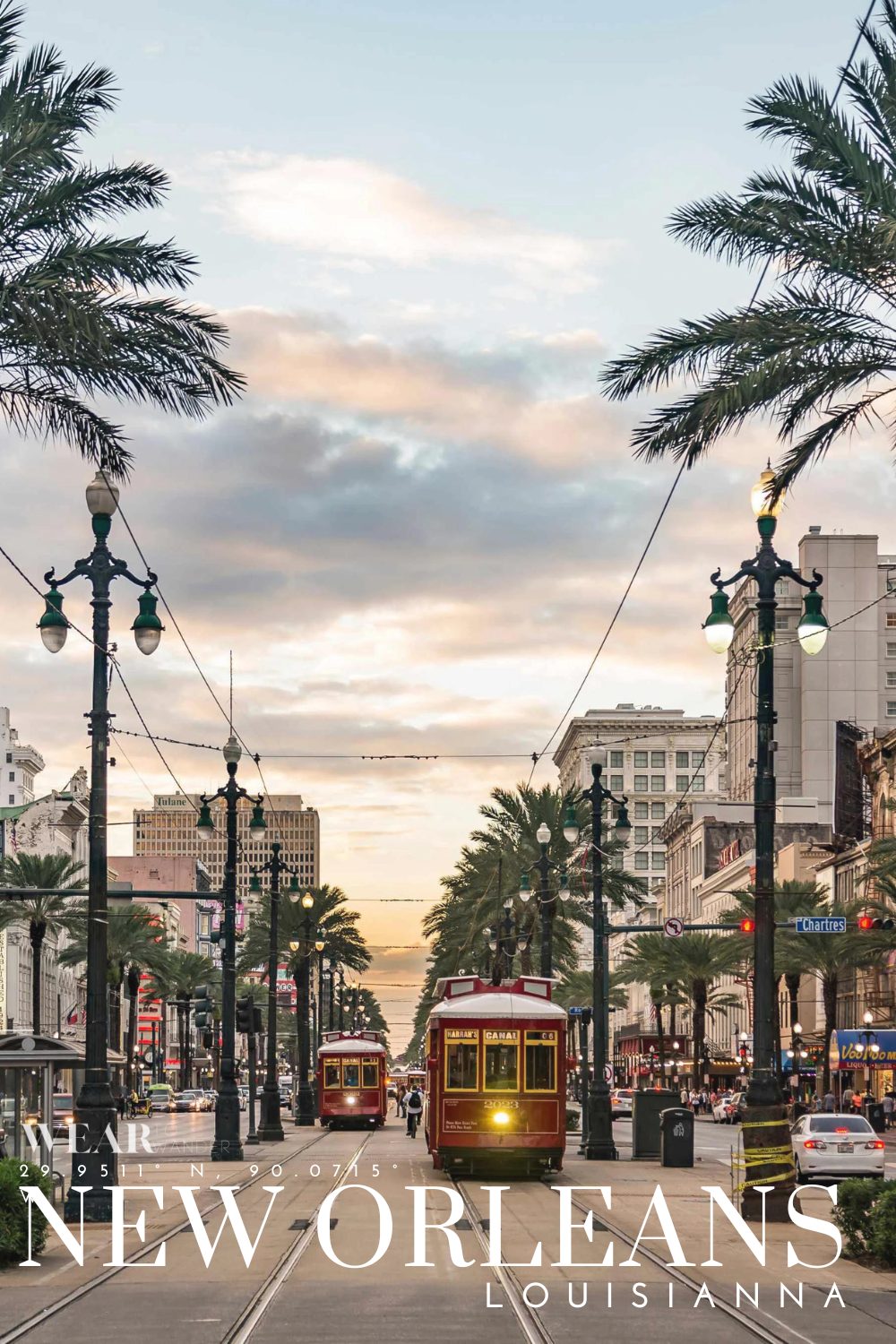
The French Quarter and surrounding areas are highly walkable. The historic St. Charles Streetcar line is a must-do, offering a scenic and affordable way to see the Garden District and Uptown neighborhoods. For longer distances or late-night travel, ride-sharing services are readily available. Parking in the French Quarter can be difficult and expensive.
When to Visit: Weather and Crowds
Spring (March-May) and Fall (September-November) generally offer the most pleasant weather, with milder temperatures and less humidity. Summer (June-August) is hot and humid, while winter (December-February) is cooler but still mild compared to northern climates. Major festivals like Mardi Gras (February/March) and Jazz Fest (late April/early May) bring huge crowds and higher prices. Consider visiting during the shoulder seasons or off-season for a more relaxed and budget-friendly New Orleans travel guide experience.
Safety and Common Scams to Avoid
Like any major city, New Orleans requires awareness. Stick to well-lit, populated areas, especially at night. Be mindful of your surroundings on Bourbon Street. Common scams include overly aggressive street vendors, inflated prices at certain tourist traps, and pickpocketing. Keep valuables secure and avoid displaying large amounts of cash. For solo female travelers, sticking to busier areas and using ride-shares after dark is advisable. While New Orleans is generally welcoming, basic precautions go a long way in ensuring a safe and enjoyable trip. According to the New Orleans Police Department’s 2023 statistics, while overall crime rates fluctuate, tourist areas do see a higher incidence of petty theft. Being vigilant is key.
Budgeting for Your NOLA Trip
New Orleans can be enjoyed on various budgets. For free activities, wander the French Quarter, relax in Jackson Square, explore street art in the Bywater, or walk along the Mississippi River. Affordable eats can be found at local diners and po’boy shops. Consider hostels like The Quisby or HI New Orleans for budget accommodation. Many of the best music experiences on Frenchmen Street have no cover charge, with artists earning through tips.
Accessibility in New Orleans
Major attractions in the French Quarter and Garden District have varying levels of accessibility. While many historic buildings are challenging to navigate, museums often provide accommodations. The streetcars are not fully accessible; however, accessible buses and ride-sharing services are available. Contact specific venues beforehand to inquire about their accessibility features. Many tour operators are increasingly offering accessible options, so it’s worth inquiring directly.
Responsible Tourism in the Crescent City
Practice sustainable tourism by supporting local businesses, respecting the environment, and being mindful of the city’s unique culture. Choose eco-friendly swamp tours, minimize waste, and be a respectful visitor. Supporting community initiatives and understanding the city’s post-Katrina resilience can also enhance your experience.
Suggested New Orleans Itineraries
Here are a few itinerary ideas to help you make the most of your New Orleans travel guide, whether you have a short weekend or a full week.
The Classic 3-Day New Orleans Experience
Day 1: French Quarter Immersion (Jackson Square, St. Louis Cathedral, Cafe Du Monde, Bourbon Street walk, evening jazz on Frenchmen Street).
Day 2: History & Grandeur (Garden District streetcar tour, Lafayette Cemetery, WWII Museum, evening Creole dinner).
Day 3: Music & Bayou (Morning visit to Treme, afternoon swamp tour, final NOLA meal).
A 5-Day Deep Dive into NOLA Culture
Add to the 3-day itinerary: a cooking class, a visit to a more obscure museum like the Pharmacy Museum, explore the Bywater’s art scene, or take a dedicated Voodoo history tour. This allows for a more relaxed pace and exploration of off-the-beaten-path spots.
Frequently Asked Questions
What are the top things to do for first-time visitors in New Orleans?
For first-timers, prioritize exploring the French Quarter, Jackson Square, enjoying beignets at Cafe Du Monde, experiencing live jazz on Frenchmen Street, and tasting classic Creole dishes like gumbo.
When is the best time of year to visit New Orleans?
The best times are spring (March-May) and fall (September-November) for pleasant weather and fewer crowds than during major festivals.
How many days should I plan for a trip to New Orleans?
At least 3 full days are recommended to cover the highlights. 5 days allow for a more relaxed pace and deeper exploration of neighborhoods and culture.
Is New Orleans a safe city for tourists?
New Orleans is generally safe if you exercise common-sense precautions, especially at night. Stick to well-lit, populated areas and be aware of your surroundings. Petty theft can occur in crowded tourist spots.
What famous foods and drinks should I try in New Orleans?
Must-tries include gumbo, jambalaya, étouffée, po’boys, oysters, beignets, and classic cocktails like the Sazerac or Hurricane.
What are the best neighborhoods to stay in New Orleans?
The French Quarter offers prime access but can be noisy. The Central Business District (CBD) provides modern hotels and proximity. The Garden District offers a quieter, more upscale experience, while the Marigny is ideal for music lovers.
Planning your New Orleans travel guide is the first exciting step. Whether you’re drawn by the allure of jazz, the promise of incredible food, or the magic of Mardi Gras, this city offers an experience that lingers long after you leave. Ready to book your unforgettable adventure in the Crescent City? Consider exploring options for your flights and accommodations to start planning today!
If you’re looking for more travel inspiration, perhaps you’d like to discover New York City or get a comprehensive guide to Paris. You might also find a Barcelona city guide or a travel guide to Rome helpful for future trips. And don’t forget to plan your Hawaii trip for a completely different kind of adventure!
Use this New Orleans travel guide guide as your reference whenever you revisit New Orleans travel guide. Most readers searching for New Orleans travel guide want clear next steps, and the sections above give you that New Orleans travel guide roadmap. Bookmark this New Orleans travel guide page so you can come back to the New Orleans travel guide checklist whenever you need it. If you only remember one thing about New Orleans travel guide, let it be the core New Orleans travel guide takeaway from the intro. Use this New Orleans travel guide guide as your reference whenever you revisit New Orleans travel guide. Most readers searching for New Orleans travel guide want clear next steps, and the sections above give you that New Orleans travel guide roadmap.








One Response