
Most tourist advice on the internet is completely stuck in the past. You read the same tired lists telling you to stare at a tiny bronze mermaid and eat an overpriced hot dog. Forget that. The city has evolved wildly, and as we sit here in 2026, reading a standard Copenhagen travel guide from five years ago will leave you broke, lost, and stuck in tourist traps.
Copenhagen is a city of stunning contrasts. We are talking about a place where centuries-old palaces sit right next to a garbage incinerator that doubles as an artificial ski slope. A city where the world’s finest gastronomy trickles down into everyday bakeries, driven by the lasting legacy of Noma. Creating the perfect Copenhagen travel guide requires knowing the nuances of the neighborhoods, understanding how the locals actually move, and accepting that this city is undeniably expensive—but absolutely worth every single krone if you spend it right.
This is not a fluffy top-ten list. This comprehensive Copenhagen travel guide is your actual blueprint for the Danish capital. We are breaking down the exact 2026 inflation-adjusted prices, the unspoken rules of the bike lanes, and the modern architectural marvels that actually deserve your time.
Table of Contents
- Know Before You Go: 2026 Logistics
- The Best Time to Visit Copenhagen
- Getting Around Like a Local
- Top Things to Do in Copenhagen (Beyond the Basics)
- Where to Stay in Copenhagen
- Copenhagen Food: The Post-Noma Era
- Is the Copenhagen Card Worth It?
- The Perfect Copenhagen 3-Day Itinerary
- Interactive Copenhagen Map
- Frequently Asked Questions
Know Before You Go: 2026 Logistics
Any reliable Copenhagen travel guide must start with the cold, hard facts about money and logistics. Denmark is part of the EU, but they do not use the Euro. You will be paying in Danish Kroner (DKK). More importantly, Copenhagen is essentially a cashless society. You can easily spend an entire week here without ever touching a physical coin. Just tap your phone or card everywhere, from the high-end boutiques down to the guy selling roasted almonds on Strøget.
Inflation hit Europe hard over the last few years, and current 2026 prices reflect that. A standard flat white at a trendy specialty coffee shop will run you about 45 to 55 DKK. A casual sit-down dinner with a glass of wine hovers around 300 to 450 DKK per person. Tipping is completely unnecessary. Do not add 20% to your bill. Service is included, and hospitality workers are paid a living wage.
English is spoken flawlessly by almost everyone. Do not stress about the language barrier. Locals switch to English instantly the moment they hear a foreign accent. Plugs are the standard European Type C or K, so bring an adapter if you are flying in from North America or the UK.
The Best Time to Visit Copenhagen
Search for a typical Copenhagen travel guide, and 90% of the photos show people drinking natural wine in the blazing July sun. Summer is beautiful. The harbor baths are full, the days last until 11:00 PM, and the city practically vibrates with energy. But limiting yourself to summer is a massive mistake.
Winter in Copenhagen offers a completely different, deeply authentic vibe. This is the birthplace of hygge. When the skies turn dark by 3:30 PM in December, the city lights millions of candles. Cafes drape sheepskin rugs over their outdoor chairs and serve steaming glasses of gløgg (spiced wine). Winter bathing is practically a religion. You strip down, jump into the freezing harbor, and immediately sprint into a blazing hot waterfront sauna at places like La Banchina. It shocks the nervous system in the best way possible.
Shoulder seasons (May and September) offer the best of both worlds. The air is crisp, the massive summer tourist crowds have thinned out, and hotel prices drop just enough to make a mid-range budget highly workable.
Getting Around Like a Local
You have just landed at Copenhagen Airport (CPH). Do not grab an expensive taxi. Follow the signs for the Metro. Buy a ticket from the red machines or the DOT app, step onto the M2 line, and exactly 15 minutes later you are standing directly in the heart of the city center. It is arguably the most efficient airport transfer on earth. Any Copenhagen travel guide failing to emphasize this is wasting your money.
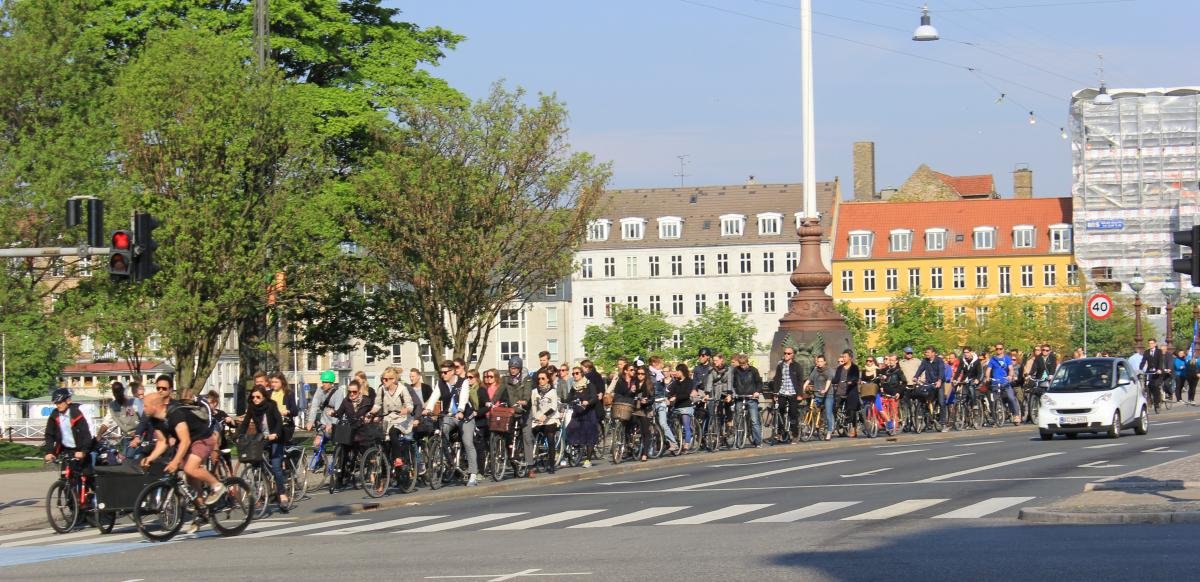
Once you are in the city, you need to ride a bike. The cycling infrastructure here is spectacular. Half the population commutes by bike every single day. Download the Donkey Republic app to rent one of their signature orange bikes scattered around the city. But be warned: the bike lanes are not a playground. They are active commuter highways. Always stay to the right. Never stop abruptly without raising your hand flat in the air to signal. If you drift into the passing lane while taking photos with your phone, you will be swiftly yelled at in Danish.
Accessibility is a massive priority here. The Metro stations are fully equipped with street-level elevators, and buses have ramps that the drivers happily deploy. Families traveling with large strollers or travelers using wheelchairs will find Copenhagen far more navigable than cobblestone-heavy capitals like Rome or Paris.
Top Things to Do in Copenhagen (Beyond the Basics)
Let us get the harsh truth out of the way. Every Copenhagen travel guide lists the Little Mermaid statue as a must-see. Skip it. It is out of the way, incredibly small, and usually surrounded by an impenetrable wall of iPads and selfie sticks. Your time is far too valuable.
Instead, look to the modern, innovative sides of the city. Head over to CopenHill. This is an absolute masterpiece of urban planning. It is a massive waste-to-energy plant that burns city trash to create electricity, but the roof is a fully functional artificial ski slope and hiking trail. You can take an elevator to the top, grab a beer at the summit cafe, and look out over the Øresund strait toward Sweden.
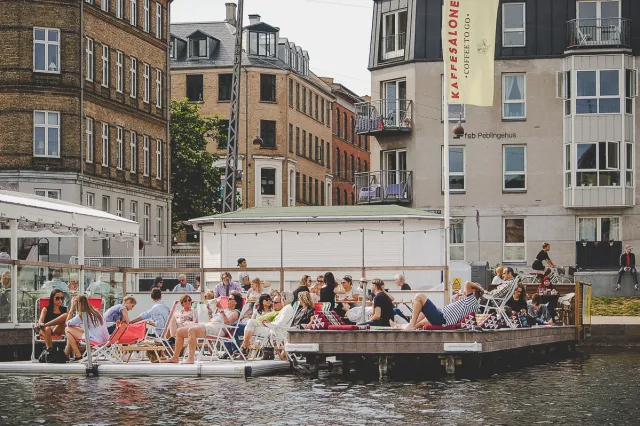
If you want a true taste of local culture, rent an electric GoBoat. You become the captain of a small, silent picnic boat. Pack some local cheeses and wine, and navigate your way through the picturesque canals at your own pace. It offers a totally different perspective than the crowded, pre-recorded tourist boat tours.
Wander through Superkilen park in the Nørrebro neighborhood. This public space is a visual trip, featuring bright red geometric asphalt, Moroccan fountains, and Japanese cherry trees. It is a celebration of the neighborhood’s extreme diversity and a photographer’s absolute dream.
Where to Stay in Copenhagen
Choosing where to base yourself can make or break your trip. A proper Copenhagen travel guide divides the city by personality, not just geography.
Indre By (The Inner City) is where you stay if you want everything within walking distance. You are surrounded by the iconic colored houses of Nyhavn, the royal palaces, and the main shopping streets. It is gorgeous but heavily trafficked by tourists. Hotel d’Angleterre is the ultimate luxury choice here, while Motel One offers brilliant, centrally-located mid-range comfort.
Vesterbro used to be the red-light district. Now, it is the city’s culinary beating heart. It sits right behind the central train station. You will find incredible street art, independent coffee roasters, and endless natural wine bars. The Meatpacking District (Kødbyen) is located here, packing dozens of killer restaurants into old industrial butcher spaces. Stay at the Coco Hotel for a chic, sustainable boutique experience.
Nørrebro is the undisputed hipster capital. It is loud, multicultural, and endlessly fascinating. Vintage clothing stores line the streets alongside incredible Middle Eastern shawarma joints and Michelin-starred tasting menus. This is the area for younger travelers or anyone who wants to experience the raw, unpolished, creative energy of the city.
Frederiksberg is technically its own independent municipality surrounded by Copenhagen. It is quiet, extremely wealthy, and incredibly green. Think wide avenues, massive parks, and high-end bakeries. If you are traveling with family or want a peaceful retreat after a loud day of exploring, this is your haven.
Copenhagen Food: The Post-Noma Era

Any modern Copenhagen travel guide has to address the elephant in the culinary room. René Redzepi’s Noma—the restaurant that essentially invented New Nordic cuisine—closed its doors for regular service to become a giant food lab. But the Noma legacy is everywhere. Alumni from that kitchen have opened dozens of incredible, accessible bistros and bakeries across the city.
Do not leave without eating Smørrebrød. These are traditional open-faced sandwiches built on dense, sour rye bread. But forget the boring cheese slices you make at home. Places like Aamanns serve towering, artistic creations featuring pickled herring, fresh dill, cured egg yolks, and roasted pork belly. It is an explosion of texture and acidity.
You also need to eat a hot dog. Yes, a hot dog. Pølsevogne (sausage wagons) are a staple of Danish culture. Stop by John’s Hotdog Deli outside the central station. Order a classic roasted dog with remoulade, mustard, ketchup, raw onions, crispy fried onions, and sweet pickles. It is cheap, fast, and intensely flavorful.
Finally, the pastries. The hype is real. Get in line at Juno the Bakery in Østerbro for their life-changing cardamom buns. The buttery, flaky dough heavily spiced with fresh cardamom will ruin all other baked goods for you.
Is the Copenhagen Card Worth It?
This is the most common question I see when writing any Copenhagen travel guide. The Copenhagen Card gives you free public transit and entry to over 80 attractions. But at nearly 500 DKK for a 24-hour pass, does the math actually work out in 2026?
The answer is a definitive yes, provided you group your heavy sightseeing into a 24 or 48-hour window. Look at the typical breakdown for a busy tourist day:
| Attraction / Transit | Standard Price (DKK) |
|---|---|
| Tivoli Gardens Entrance | 155 DKK |
| Rosenborg Castle | 130 DKK |
| Canal Boat Tour | 110 DKK |
| Round Tower | 45 DKK |
| Unlimited 24Hr Transit | 90 DKK |
| Total Cost if paid separately | 530 DKK |
By purchasing the card, you immediately save money and eliminate the massive hassle of buying individual tickets everywhere you go. Just download the app, activate the digital card, and scan your phone.
The Perfect Copenhagen 3-Day Itinerary
Structuring your time is critical. A phenomenal Copenhagen travel guide gives you a geographical flow so you do not waste hours crisscrossing the city on the Metro. This Copenhagen 3-day itinerary balances iconic sights with hidden local gems.
Day 1: The Historical Heart
Start your morning with a pastry and black coffee near Kongens Nytorv. Walk down to Nyhavn before 9:00 AM to get photos of the colorful houses without the crushing crowds. Nyhavn’s history dates back to the 17th century, acting as a bustling commercial port packed with sailors. Take a classic canal tour departing right from the harbor. In the afternoon, climb the spiraling equestrian ramp of the Round Tower for panoramic city views. Finish your evening walking through the magical, fairy-light illuminated pathways of Tivoli Gardens. Grab dinner at one of the upscale restaurants inside the park.
Day 2: Castles and Cool Neighborhoods
Kick off day two at Rosenborg Castle to see the Danish Crown Jewels. The surrounding King’s Garden is perfect for a slow morning stroll. Rent a bike and ride over the bridge into Nørrebro. Grab lunch at a vibrant shawarma shop on Nørrebrogade. Spend the afternoon wandering through the Assistens Cemetery, the beautifully overgrown resting place of Hans Christian Andersen. By nightfall, head to Vesterbro’s Meatpacking District. Pick any crowded restaurant—whether it is seafood at Kødbyens Fiskebar or incredible tacos at Hija de Sanchez—and enjoy the buzzing atmosphere.
Day 3: Modern Marvels and Street Food
Take the harbor bus (a public ferry) over to Refshaleøen. This old industrial shipyard is now a creative playground. Spend the morning at CopenHill, either hiking the roof or watching the skiers. For lunch, walk over to Reffen, the largest street food market in the Nordics. Grab a plate of West African peanut stew or a classic burger, sit by the water, and watch the ships roll by. Wrap up your trip with a sunset sauna and cold plunge at a local harbor bath.
Interactive Copenhagen Map
A good Copenhagen travel guide is useless if you cannot find where you are going. When planning things to do Copenhagen, visual mapping is essential. The city is broken up by massive lakes and intricate canals, which can make navigation slightly confusing for first-timers.
To make this totally foolproof, check out the official VisitCopenhagen maps or build your own custom Google Map. Drop pins for your hotel, cluster your food choices by neighborhood, and download the map for offline use. This ensures that when you are wandering through the winding cobblestone streets of Indre By and lose cell service, you can still find your way back to your boutique hotel without panic.
Frequently Asked Questions
Even the most detailed Copenhagen travel guide leaves people with a few hyper-specific questions. Here are the answers to the most common things travelers ask when building their Copenhagen itinerary.
How many days do you actually need in Copenhagen?
Three full days is the absolute sweet spot. It gives you enough time to see the historical center, explore a couple of distinct neighborhoods like Vesterbro and Nørrebro, and take a slower-paced afternoon enjoying the food scene. If you have five days, take a train out to Louisiana Museum of Modern Art or Frederiksborg Castle.
Is Copenhagen safe for solo female travelers?
Yes, it is routinely ranked as one of the safest capital cities in the entire world. Violent crime is extremely rare. You can comfortably walk home or take the Metro alone late at night. Normal city street smarts apply regarding pickpockets in crowded tourist areas, but overall, it is incredibly secure.
Do I need to carry any cash at all?
No. Do not bother exchanging money at the airport. You can buy a single hot dog from a street cart with Apple Pay or a credit card. Keep a card with no foreign transaction fees on you, and you will navigate the entire trip without ever touching a Danish Krone note.
What should I pack for the weather?
Layers. The weather here is notoriously volatile, even in the middle of summer. You might be sweating in a t-shirt at noon and shivering in intense winds by 4:00 PM. Always pack a lightweight rain shell, a warm sweater, and very comfortable walking shoes. Leave the high heels at home; the cobblestones will destroy them.
Why is this Copenhagen travel guide telling me to skip the Little Mermaid?
Because every single local will tell you the exact same thing. It is a 4-foot bronze statue staring at a heavily industrialized harbor. It pulls you way out of the city center. Your time is much better spent eating cardamom buns or exploring the towering modern architecture of the waterfront.








One Response