Did you know that less than 60 years ago, Dubai was a quiet pearl-diving town along the Arabian Gulf? Today, it’s a dazzling metropolis of futuristic skyscrapers, world-class shopping, and adventures that stretch from glittering coastlines to endless desert dunes. Forget what you think you know about desert cities; Dubai is an experience you won’t soon forget, and this Dubai travel guide is your key to unlocking it all.
Many first-time visitors expect only opulent hotels and endless malls, but Dubai offers so much more. It’s a place where ancient traditions blend smoothly with incredible modernity, creating a unique travel destination. If you’re planning a UAE vacation, you’ve picked an exciting spot, and I’m here to share all my best tips and tricks.
Your Essential Dubai Travel Guide: Why Visit?
Why should Dubai be on your travel radar? Well, for starters, it’s a city of superlatives. The tallest building in the world? Check. One of the largest shopping malls? You got it. But beyond the records, Dubai offers a surprising depth of experiences. From thrilling desert safaris to serene walks through historic neighborhoods, there’s truly something for everyone.
You can spend your morning skiing indoors at Mall of the Emirates and your afternoon dune bashing in the Arabian desert. The sheer variety of things to do Dubai presents is mind-boggling. Plus, it’s incredibly safe and clean, making it a comfortable destination for all kinds of travelers, including families with children and solo female adventurers. Therefore, getting your first time Dubai experience just right can make memories for a lifetime.
Choosing the Best Time to Visit Dubai: Weather, Festivals, and Events
Timing your visit can make a huge difference to your Dubai experience. The Dubai weather is a critical factor, as it can get incredibly hot.
- November to March: These are the peak months, offering pleasant temperatures (70-85°F / 21-29°C), perfect for exploring outdoors, hitting the beach, and enjoying a Dubai desert safari. However, prices for hotels and flights are higher, and attractions can be crowded.
- April, May, September, October: These shoulder seasons offer slightly warmer weather (85-100°F / 29-38°C) but fewer crowds and better deals. You can still enjoy most activities, just plan indoor excursions for midday.
- June to August: It’s scorching hot (100°F+ / 38°C+), with high humidity. This is the low season, so you’ll find the best prices. If you’re comfortable with indoor activities and pool days, this could work for a budget travel Dubai trip.
Keep an eye out for major events like the Dubai Shopping Festival (Dec-Jan) or the Dubai Food Festival (Feb-Mar), which can add an extra layer of excitement to your visit.
Visa Requirements and Entry Regulations for US Citizens (and Others)
If you’re a US citizen planning a UAE vacation, you’re in luck! Obtaining a Dubai visa is generally straightforward. For tourist visits of up to 30 days, US citizens typically receive a free visa on arrival at Dubai International Airport (DXB). You just need a passport valid for at least six months beyond your planned departure date.
For citizens of other countries, including the UK, Canada, Australia, and most of Europe, similar visa-on-arrival policies apply. However, it’s always smart to check the official UAE government website for the most up-to-date Dubai visa requirements before you travel. Rules can change, and you wouldn’t want any surprises at immigration.
How to Get to Dubai: Flights, Airlines, and Airport Information
Getting to Dubai is easier than you might think, especially from the United States. Dubai International Airport (DXB) is a massive hub, well-connected globally.
- Airlines: Emirates flights are incredibly popular, offering direct routes from many major US cities like New York, Los Angeles, and Houston. You can expect a comfortable journey with excellent service. Other airlines like United, Delta, Qatar Airways, and Turkish Airlines also offer good connections, often with one stop.
- Arrival: DXB is a modern, efficient airport. Once you land, getting through immigration and customs is usually quick. There are plenty of signs in English, and staff are helpful.
- Transport from Airport: Taxis are readily available right outside the terminals and are reasonably priced. The Dubai Metro also has stations at Terminals 1 and 3, offering a cost-effective way to reach many parts of the city.
Getting Around Dubai: Public Transportation, Taxis, and Car Rentals
Dubai’s transportation system is efficient and diverse. You’ll find it quite simple to get around, regardless of your budget or preference.
Here’s a quick comparison of your best Dubai transportation options to help you plan your Dubai travel guide adventures:
| Option | Pros | Cons | Cost Estimate (per ride/day) | Best For |
|---|---|---|---|---|
| Dubai Metro | Fast, cheap, air-conditioned, covers major attractions. | Limited station coverage, can be crowded during peak hours. | $1.50 – $4 (Nol Card fare) | Budget travelers, avoiding traffic, reaching downtown. |
| Taxis (Dubai Taxi) | Widely available, comfortable, door-to-door service, metered. | Can get pricey for long distances, subject to traffic. | $5 – $30+ (depending on distance) | Convenience, groups, late nights, specific addresses. |
| Ride-sharing (Careem/Uber) | Easy booking via app, often slightly cheaper than taxis. | Subject to surge pricing, internet required. | Similar to taxis, sometimes less. | Tech-savvy travelers, known fixed prices. |
| Bus | Very cheap, extensive network. | Slower, complex routes, less tourist-friendly for first-timers. | $1 – $2 (Nol Card fare) | Budget travel Dubai, exploring local neighborhoods. |
| Car Rental | Flexibility, good for day trips outside city. | Traffic can be heavy, parking fees, navigation can be tricky. | $30 – $80+ per day | Independent explorers, those wanting to visit Sharjah or Al Ain. |
Accessibility for Travelers with Disabilities
Dubai is remarkably accessible. Most modern attractions, malls, and hotels are designed with ramps, lifts, and accessible restrooms. The Dubai Metro has designated spaces for wheelchairs and audible/visual announcements. Many taxis, especially those affiliated with Dubai Taxi, offer wheelchair-accessible options if booked in advance. Moreover, the city continues to improve its infrastructure, making it a comfortable destination for travelers with varying needs.
Top Attractions & Must-Do Activities in Dubai
When you think of things to do Dubai, a few iconic spots likely come to mind. Here are the absolute must-sees for any Dubai itinerary:
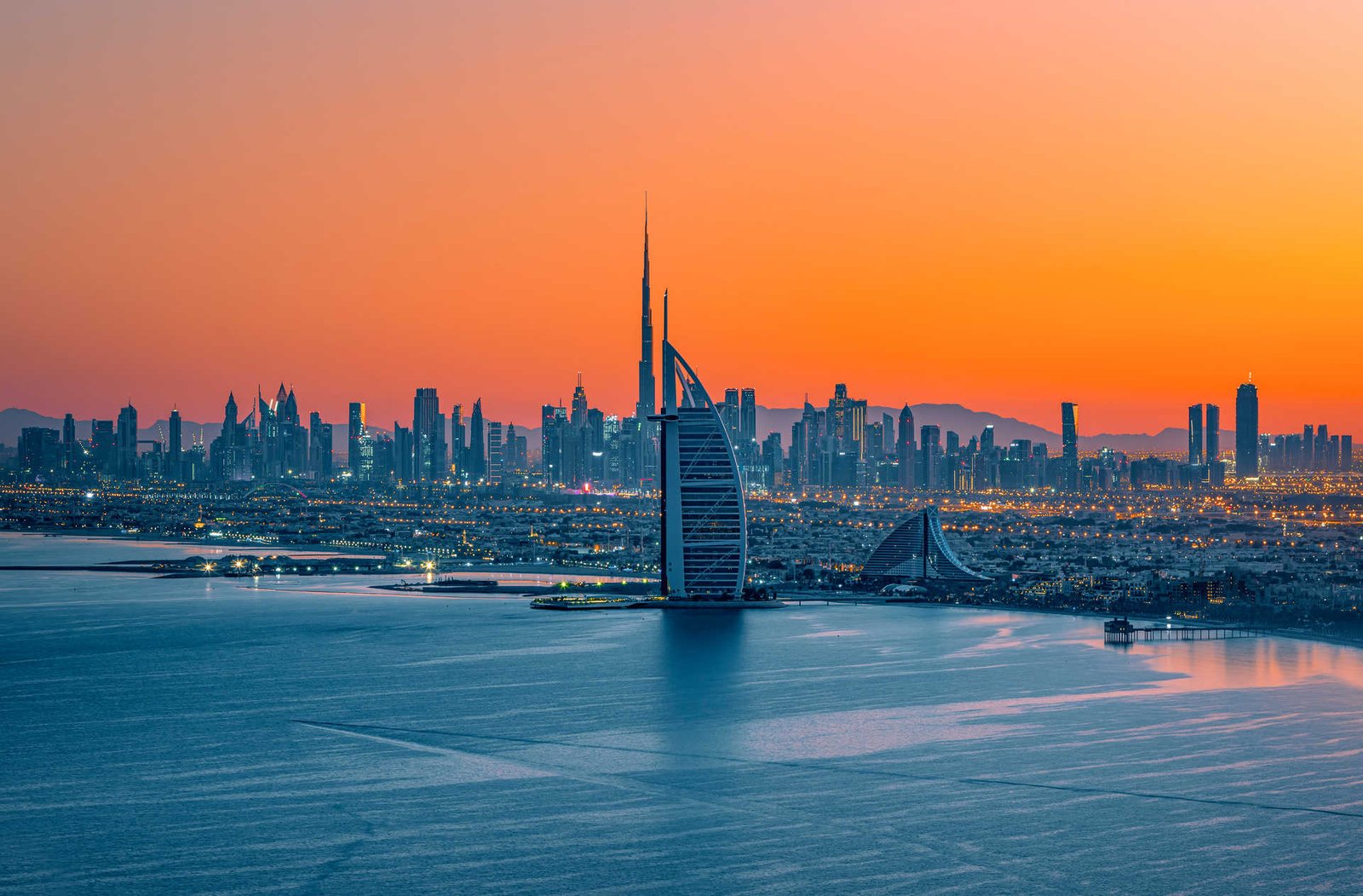
- Burj Khalifa: You simply can’t visit Dubai without seeing the world’s tallest building. Book your Burj Khalifa tickets online well in advance, especially for sunset views. The views from At The Top (levels 124 and 125) or At The Top Sky (level 148) are simply breathtaking.
- The Dubai Mall: More than just a shopping center, it’s an entertainment complex. Here you’ll find the Dubai Aquarium & Underwater Zoo, an Olympic-sized ice rink, and, of course, endless high-end stores. Don’t miss the spectacular Dubai Fountain show outside.
- Dubai Desert Safari: This is a quintessential Dubai experience. Choose from morning, evening, or overnight safaris. Most include dune bashing, camel rides, sandboarding, and often a traditional BBQ dinner with entertainment. This is a crucial part of any Dubai travel guide. Compare it to a Serengeti safari guide for a completely different kind of adventure.
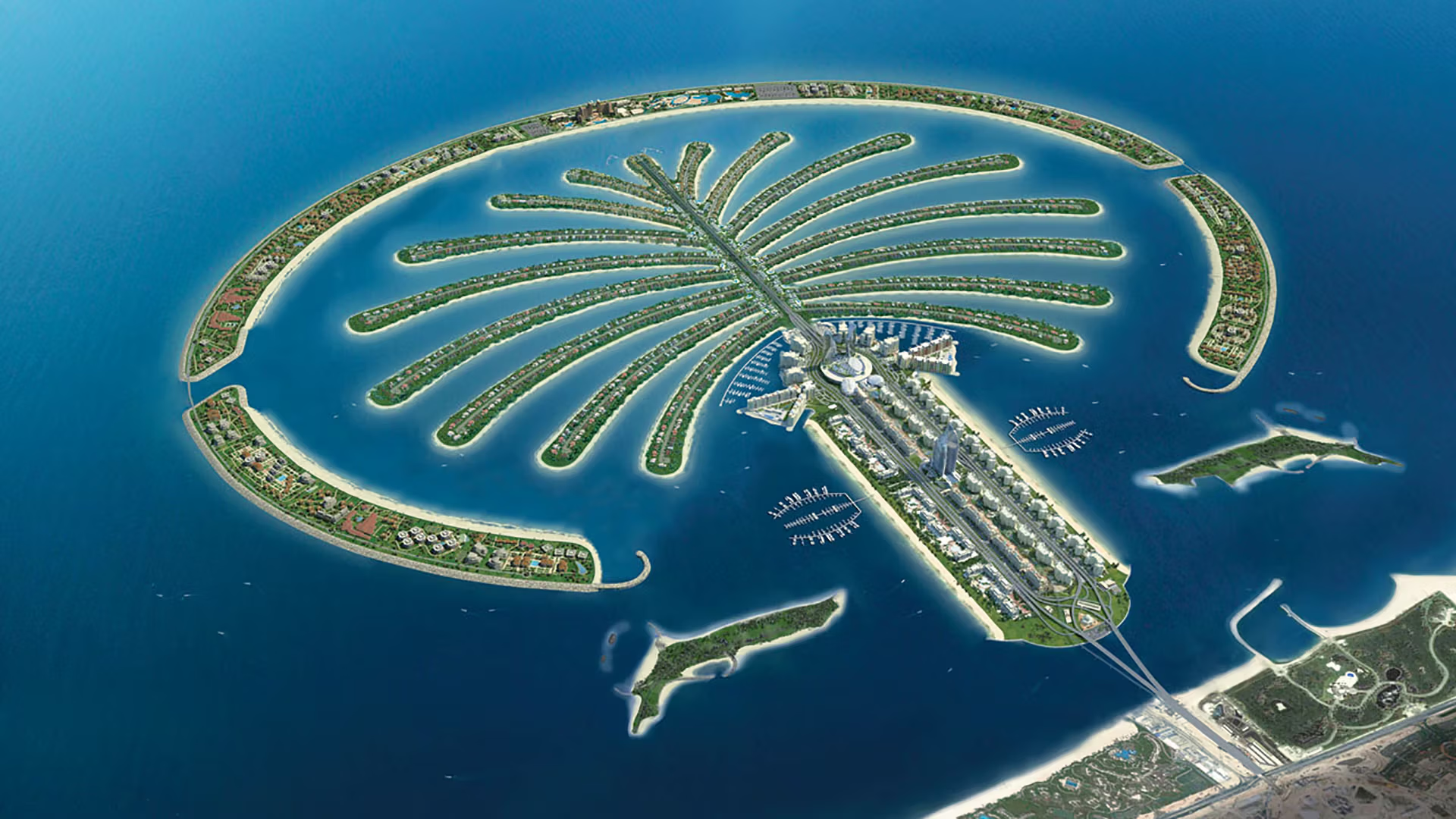
- Palm Jumeirah & Atlantis, The Palm: An engineering marvel, this man-made island is home to luxury resorts like Atlantis. Visit Aquaventure Waterpark for thrilling slides or simply enjoy the stunning views and upscale dining.
- Old Dubai (Al Fahidi Historical Neighbourhood & Souks): Step back in time in the Al Fahidi Historical Neighbourhood. Wander through narrow lanes, visit art galleries, and take an abra (traditional boat) across Dubai Creek to explore the Gold Souk, Spice Souk, and Textile Souk. This is where you’ll find the authentic culture Dubai is built upon.
“Dubai is a city that constantly reinvents itself, but its heart still beats in the souks and along the Creek. Don’t let the skyscrapers distract you from its rich heritage.”
Suggested Dubai Itineraries (e.g., 3-day, 5-day, Week-long)
Crafting the perfect Dubai itinerary depends on how much time you have. Here are some ideas:
3-Day Dubai Itinerary: The Highlights
Perfect for a quick stopover or a first taste of Dubai.
- Day 1: Modern Marvels. Arrive, check into your hotel. Head to the Burj Khalifa (pre-booked tickets!), then explore The Dubai Mall, ending with the Dubai Fountain show.
- Day 2: Desert Adventure. Morning at leisure. Afternoon/evening Dubai desert safari with dinner and entertainment.
- Day 3: Beach & Bliss. Relax at JBR Beach or Kite Beach. Visit Ain Dubai (the world’s largest observation wheel). Enjoy a final gourmet dinner.
5-Day Dubai Itinerary: Depth & Diversity
This gives you more time to explore culture and relaxation.
- Day 1-3: Follow the 3-day itinerary.
- Day 4: Old Dubai & Markets. Explore Al Fahidi Historical Neighbourhood, Dubai Museum, and take an abra ride. Wander through the Gold, Spice, and Textile Souks. Consider an evening Dhow Cruise on Dubai Creek.
- Day 5: Theme Parks & Fun. Spend the day at Atlantis Aquaventure Waterpark or Motiongate Dubai for a dose of adrenaline. Alternatively, visit IMG Worlds of Adventure.
Week-Long Dubai Itinerary: Beyond the Obvious
With a full week, you can really dig deep, including a day trip. This is a truly comprehensive Dubai travel guide experience.
- Day 1-5: Follow the 5-day itinerary.
- Day 6: Day Trip to Sharjah or Al Ain.
- Sharjah: Known as the cultural capital of the UAE. Visit the Sharjah Museum of Islamic Civilization, the Al Noor Mosque, and the Central Souk. It’s a great contrast to the glitz of Dubai.
- Al Ain: A UNESCO World Heritage site, offering a greener, more historical side of the UAE. Explore Al Ain Oasis, Jebel Hafeet mountain, Al Ain Palace Museum, and the Al Ain Camel Market.
- Day 7: Relaxation or Digital Nomad Exploration. Enjoy a spa day, relax by the pool, or explore one of Dubai’s co-working spaces if you’re working remotely. Consider a visit to The Green Planet (an indoor rainforest) for a unique experience.
Where to Stay in Dubai: Neighborhoods and Accommodation Options
Choosing where to stay can really shape your Dubai trip. Here are some of the best hotels Dubai has, categorized by neighborhood:
- Downtown Dubai: Best for first-timers, close to Burj Khalifa, Dubai Mall, and Dubai Fountain. Hotels range from luxury (Armani Hotel, Address Downtown) to comfortable mid-range options.
- Jumeirah Beach Residence (JBR) & Dubai Marina: Ideal for beach lovers, families, and those who enjoy vibrant nightlife. Plenty of restaurants, shops, and direct beach access. Expect hotels like The Ritz-Carlton, JBR and Address Beach Resort.
- Palm Jumeirah: Offers incredible resorts with private beaches and stunning views, like Atlantis The Palm and One&Only Royal Mirage. Perfect for a luxurious, relaxing escape, similar to plan a Maldives trip if you’re seeking pure relaxation.
- Al Fahidi Historical Neighbourhood / Bur Dubai: Great for budget travel Dubai and cultural immersion. You’ll find charming boutique hotels and guesthouses that offer a taste of old Arabia.
- Business Bay: Good for business travelers and those seeking modern hotels at slightly better prices than Downtown, with good metro access.
Dubai Culture and Etiquette: Dress Code, Customs, and Local Laws
Understanding local customs is key to a respectful and enjoyable Dubai experience. While Dubai is quite liberal for a Middle Eastern city, it’s still important to be mindful of its Islamic culture.
- Dress Code: As a tourist, modest dress is generally recommended, especially in public places, religious sites, and Old Dubai. Shoulders and knees should be covered. In hotel resorts and private beaches, swimwear is perfectly fine.
- Public Behavior: Public displays of affection are frowned upon. Alcohol consumption is allowed in licensed venues (hotels, bars, restaurants), but public intoxication is illegal. During the holy month of Ramadan, eating, drinking, and smoking in public during fasting hours are prohibited.
- Respect: Always ask permission before taking photos of people. Be respectful when visiting mosques.
Food Guide: Best Restaurants, Local Cuisine, and Dining Experiences
Dubai’s dining scene is incredibly diverse, offering everything from Michelin-starred restaurants to authentic street food. As a Muslim-majority country, virtually all food served in restaurants is halal, making it easy for visitors with specific dietary needs.
- Local Emirati Cuisine: Don’t leave without trying some local dishes. Harees (slow-cooked wheat and meat), Machboos (spiced rice with meat or fish), and Luqaimat (sweet dumplings) are must-tries. Al Fanar Restaurant & Café offers an authentic experience.
- Fine Dining: Dubai boasts world-class culinary experiences. Think high tea at Burj Al Arab, or dinner with a view at At.mosphere in the Burj Khalifa. You can find almost any cuisine imaginable, from Japanese to Italian to French.
- Street Food & Casual Eats: Explore the vibrant eateries in Karama and Deira for delicious and affordable Indian, Pakistani, and Filipino food. Shawarmas are a cheap and tasty snack you’ll find everywhere.
- Halal Food Guide: Since Dubai is predominantly Muslim, finding halal food is incredibly easy. Most restaurants, even international chains, will serve halal meat. Look for the ‘Halal’ certification if you’re ever in doubt, though it’s usually implied. Many restaurants also clearly mark vegetarian and vegan options on their menus.
Packing Like a Pro: What to Bring for Your Dubai Adventure
Packing for Dubai requires a bit of thought, especially considering the Dubai weather and varied activities. This Dubai travel guide wouldn’t be complete without a packing list.
For the Warm Seasons (April-October):
- Light, breathable fabrics (cotton, linen) for clothing.
- Modest clothing (long skirts, loose pants, shirts that cover shoulders) for public areas and cultural sites.
- Swimsuit for hotel pools and beaches.
- Sunscreen (high SPF!), hat, sunglasses.
- Hydration pack or reusable water bottle.
- Light shawl or cardigan for air-conditioned interiors (malls, hotels).
For the Cooler Seasons (November-March):
- Similar modest clothing, but you might want slightly heavier fabrics for evenings.
- A light jacket or sweater for cooler evenings, especially if doing a desert safari. The desert can get surprisingly chilly at night.
- Comfortable walking shoes are essential, regardless of the season.
General Essentials:
- Universal travel adapter (Type G is common in UAE).
- Portable charger for your phone.
- Basic first-aid kit.
- Copies of important documents (passport, visa).
- Travel insurance details.
- Reusable shopping bag (many stores charge for plastic bags).

Dubai
Off-the-Beaten-Path Experiences and Local Hidden Gems
While the main Dubai attractions map out a fantastic trip, there are also some lesser-known spots worth exploring:
- Al Marmoom Desert Conservation Reserve: If you’re looking for a more eco-friendly desert experience beyond the typical Dubai desert safari, this reserve offers sustainable desert activities, including cycling paths and bird watching, without the dune bashing.
- Hatta: Located about 90 minutes from Dubai, Hatta offers stunning mountain landscapes, kayaking in Hatta Dam, and mountain biking trails. It’s a fantastic day trip for nature lovers.
- The Coffee Museum: Tucked away in Al Fahidi Historical Neighbourhood, this small museum offers a fascinating look at coffee history and brewing traditions. It’s a cozy escape from the bustle.
- Library of the Future (Mohammed Bin Rashid Library): A stunning architectural marvel and a knowledge hub, offering incredible views and quiet spaces.
Working Remotely or Digital Nomad Life in Dubai
Dubai has become an increasingly popular spot for digital nomads and remote workers, thanks to its excellent infrastructure, safe environment, and attractive visa options. The city actively encourages expat talent.
- Visas: The UAE offers a one-year virtual work visa for remote workers, allowing you to live in Dubai while working for an employer outside the UAE. There are also freelance visas and investor visas.
- Co-working Spaces: You’ll find a wide array of co-working spaces, from trendy spots like A4 Space in Alserkal Avenue to more corporate options. Many hotels also offer excellent business facilities.
- Cost of Living: While generally high, it can be managed. Accommodation is the biggest expense, but shared living options are available. Groceries and local transportation can be relatively affordable.
Frequently Asked Questions
What is the best time of year to visit Dubai?
The best time to visit Dubai is from November to March when the weather is mild and pleasant (70-85°F / 21-29°C), perfect for outdoor activities and sightseeing. However, this is also peak season, so expect higher prices and larger crowds.
Do US citizens need a visa to travel to Dubai?
No, US citizens typically do not need a visa in advance for tourist visits to Dubai. A free visa on arrival is granted for stays of up to 30 days. Just ensure your passport is valid for at least six months beyond your planned departure.
What are the top 5 must-see attractions in Dubai?
The top 5 must-see attractions include the Burj Khalifa for incredible views, The Dubai Mall for shopping and entertainment, a thrilling Dubai desert safari, the iconic Palm Jumeirah and Atlantis, The Palm, and the historic Al Fahidi Historical Neighbourhood with its traditional souks.
How much money should I budget for a trip to Dubai?
A mid-range Dubai trip for one person can cost anywhere from $100-$300+ per day, depending on your choices. This includes accommodation, food, activities, and local transportation. Budget travelers can spend less, while luxury experiences can significantly increase costs.
What should I wear in Dubai as a tourist?
As a tourist in Dubai, it’s advisable to dress modestly in public, covering your shoulders and knees, especially in religious sites and older neighborhoods. Swimwear is acceptable at hotel pools and private beaches. Comfort is key, so pack light, breathable fabrics.
Is it safe to travel to Dubai right now?
Yes, Dubai is widely considered one of the safest cities in the world with a very low crime rate. Tourists generally feel very secure exploring the city. Always practice standard travel safety precautions, but overall, it’s a very safe destination.
Ultimately, a trip to Dubai offers a unique blend of experiences you won’t find anywhere else. From standing atop the Burj Khalifa to exploring ancient souks, and then perhaps moving on to explore Tokyo or uncover New York City secrets, the world’s cities are waiting. This Dubai travel guide aims to arm you with all the knowledge you need to make your UAE vacation unforgettable. So, go ahead, start planning that incredible journey, or perhaps consider an extended trip to explore Cairo city nearby!
Ready to experience the magic for yourself? Your Dubai adventure awaits!