
You are bouncing around in the back of an open-air 4×4. Fine red dust coats your boots. The golden hour sun melts over the flat-topped acacia trees. Suddenly, a lion roars so close you feel it rattle in your chest. Goosebumps.
That is the magic of Tanzania. But getting to that perfect moment takes serious planning. If you are searching for a reliable Serengeti safari guide, you have probably noticed a frustrating trend online. Most websites are either aggressive sales pitches from luxury tour operators hiding their true prices, or they are massive walls of text that read like a college biology textbook.
You need facts. You need real numbers. You need practical advice on how to plan this trip without getting completely ripped off. Welcome to the only Serengeti safari guide you will ever need.
In this comprehensive, brutally honest resource, we break down exactly how much a safari costs, where to find the Great Migration without the crushing crowds, and the hidden logistical traps first-timers fall into. Let’s get started.
Quick Facts: Tanzania Travel at a Glance
| Currency | Tanzanian Shilling (TZS) / USD heavily accepted |
| Best Airport | Kilimanjaro International (JRO) |
| Safety Risk Level | Low (Very safe inside the national parks) |
| Primary Focus | The Great Serengeti migration |
Table of Contents
- Understanding the Serengeti: Regions Explained
- The Great Migration: When is the Best Time to Go?
- How Much Does a Serengeti Safari Actually Cost?
- Ethical Safaris & Cultural Respect
- What to Pack for the Serengeti (Beyond the Basics)
- Health, Visas, and Logistics
- Photography Tips for the Bush
- Frequently Asked Questions
Understanding the Serengeti: Regions Explained
The park is massive. Spanning over 5,700 square miles, it is larger than the state of Connecticut. Treating the park as one single destination is the first mistake travelers make. A proper Serengeti safari guide must break the park into its four distinct zones.
Why does this matter? Because wildlife moves. If you book a camp in the south during August, you will be staring at empty grass. Here is exactly how the regions break down.
1. Central Serengeti (Seronera)
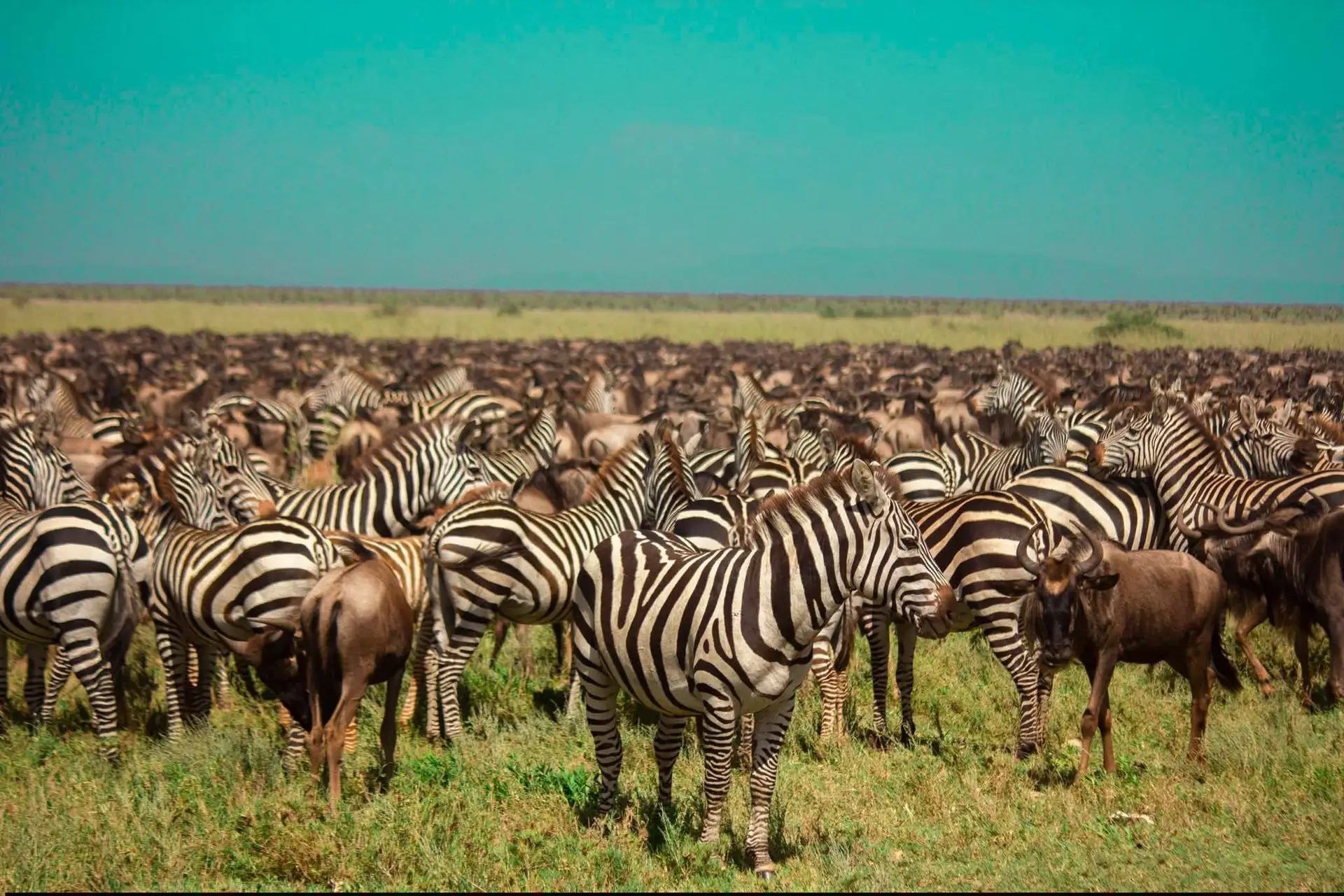
Think of Seronera as the Times Square of the park. It is busy, crowded, and packed with action. Thanks to the Seronera River, there is year-round water. That means year-round predators. If you want to see leopards lounging in sausage trees or prides of lions napping on kopjes (giant rock formations), this is the place.
The Catch: It gets incredibly crowded. Expect to share big cat sightings with 10 to 15 other jeeps.
2. Northern Serengeti (Mara River)
This is the drama zone. Stretching up to the Kenyan border, the North is famous for the Mara River crossings. If you have watched a nature documentary featuring massive crocodiles snatching wildebeests as they swim across raging rapids, it was filmed right here. Every Serengeti safari guide will point you here between July and October.
3. Southern Serengeti (Ndutu)
Technically straddling the Ngorongoro Conservation Area, the short-grass plains of Ndutu are where the magic happens from January to March. This is the calving season. Over 8,000 wildebeest babies are born every single day. Naturally, this attracts an insane concentration of cheetahs and hyenas.
4. Western Corridor (Grumeti)
Often overlooked, the Western Corridor follows the Grumeti River. It offers incredible, off-the-beaten-path game viewing. Massive Nile crocodiles wait here for the herds arriving in May and June. It feels wilder and far less congested than the Central region.
The Great Migration: When is the Best Time to Go?
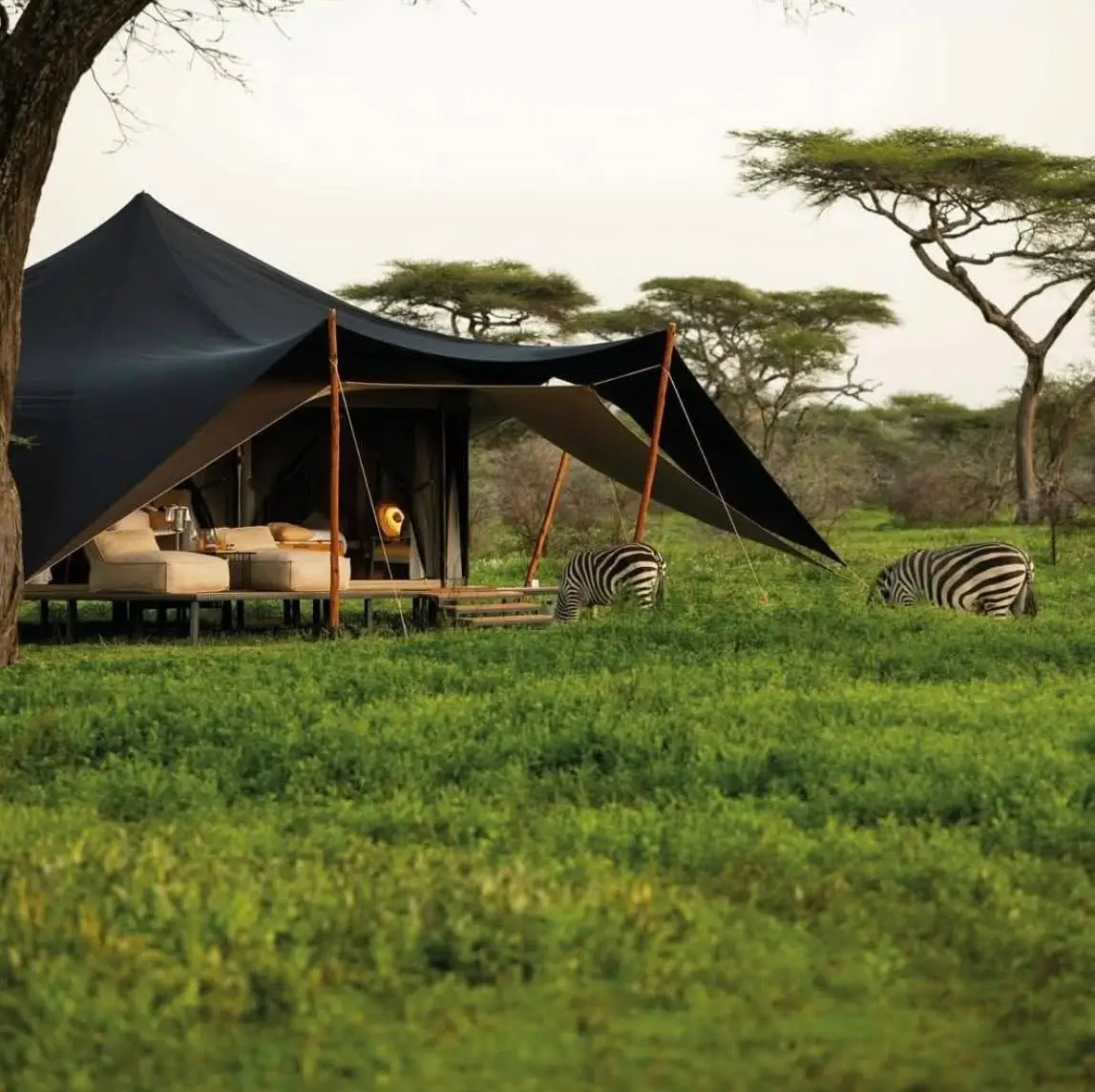
When is the best time for a Tanzania safari? That depends entirely on what you want to see. The Serengeti migration is not a one-time event. It is a continuous, clockwise loop driven entirely by rainfall.
Let’s consult the ultimate calendar for your Serengeti safari guide planning.
- January to March (The Calving Season): The herds are in the South (Ndutu). This is peak baby season. Grass is short, making predator hunting highly visible. This is a spectacular “secret season” alternative to the summer crowds.
- April to May (The Long Rains): Heavy downpours occur. Many luxury camps close entirely. The herds start trekking north through the Central and Western regions. If you do not mind getting wet, you can score massive discounts on safari cost Africa packages.
- June to July (The Grumeti Crossing): The herds pile into the Western Corridor and face their first major obstacle: the Grumeti River. The action is fantastic, and the crowds are moderate.
- August to October (The Mara River Crossings): This is peak season. The herds are up North crossing into the Maasai Mara. It is chaotic, thrilling, and extremely expensive. You must book camps up to a year in advance.
- November to December (The Short Rains): The herds march back down the eastern side of the park toward the southern plains. It is a gorgeous time for photography as the rains clear the dust from the air.
Pro Tip: Do not just chase the river crossings. The sheer volume of tourists in August can ruin the serenity of the bush. Traveling during the “shoulder seasons” (November or February) offers incredible value.
How Much Does a Serengeti Safari Actually Cost?
Most tour operators hide their pricing behind “Inquire Now” buttons. We are not going to do that. A transparent Serengeti safari guide demands honest numbers.
Why is a safari so expensive? It boils down to logistics. You are paying to maintain comfortable, secure lodging in the middle of a literal wilderness. Every drop of fuel, piece of food, and bottle of water has to be trucked in over hundreds of miles of dirt roads.
Here is a realistic breakdown of daily costs per person (excluding international flights):
The 3-Tier Budget Breakdown
- Budget/Overland Camping ($250 – $400 per day): You will sleep in basic dome tents in public campsites. You share a jeep with up to 6 other people. A dedicated cook travels with you to prepare meals over a camp stove.
- Mid-Range Tented Camps ($500 – $800 per day): You sleep in large canvas tents with actual beds, en-suite flushing toilets, and hot bucket showers. Food is excellent, and you likely have a private jeep for your group.
- Ultra-Luxury Lodges ($1,000 to $3,000+ per day): Think infinity pools overlooking the plains, massive soaking tubs, private butlers, and fine dining.
The Hidden Costs They Forget to Tell You
No true Serengeti safari guide is complete without warning you about the mandatory fees. The Tanzanian government heavily taxes park access to fund conservation.
- Park Fees (TANAPA): You must pay approximately $70 to $80 USD per person, per day just to be inside the park boundaries. Check the official Tanzania Tourism board for current seasonal fluctuations.
- Concession Fees: If your lodge is located inside the park, you pay an extra nightly fee (around $60 per night) on top of your room rate.
- Tipping: Tipping is not a bonus; it is expected. Budget $15 to $20 per day, per person for your driver-guide. Budget an additional $10 to $15 per day for the general camp staff (chefs, guards, housekeepers).
Ethical Safaris & Cultural Respect
We need to talk about the impact of our travel. The environment is fragile. A responsible Serengeti safari guide must address how to visit this ecosystem without destroying it.
First, obey the park rules. Your driver might feel pressured to drive off-road to get you closer to a cheetah. Do not ask them to do this. Off-roading destroys delicate root systems and causes massive soil erosion. If a ranger catches your guide, they will face massive fines and could lose their license. Stay on the designated tracks.
Second, choose your camp wisely. Ask your booking agent: Does this camp use solar power? Do they eliminate single-use plastics? Do they employ local Tanzanians from nearby villages, or do they import all their staff from overseas?
Finally, let’s discuss cultural interactions. You will likely encounter the Maasai people. Indigenous communities are not tourist attractions. Avoid “human zoo” experiences where you pay a few dollars to take quick photos of dancing villagers. If you want a genuine cultural exchange, look for lodges that are part-owned by local communities, which aligns with international ecotourism standards. Always ask for permission before pointing a camera at someone.
What to Pack for the Serengeti (Beyond the Basics)
Packing for the bush requires strategy. You do not need a brand-new wardrobe of matching khaki outfits, but you do need to pack smart. Any solid Serengeti safari guide will tell you that light aircraft flights (puddle jumpers) strictly limit luggage to 15kg (33 lbs) in soft-sided duffel bags. Hard-shell suitcases are banned.
Here are our top Serengeti tips for packing:
- Avoid Dark Blue and Black: These colors act like a magnet for the Tsetse fly. Their bite feels like a hot needle and they can carry sleeping sickness. Stick to neutral colors like tan, olive, and light brown.
- Bring a High-Impact Sports Bra: The roads in the national park are notoriously terrible. Colloquially known as the “African massage,” you will be bouncing over deep ruts and rocky dry riverbeds for 8 hours a day.
- Dress in Layers: It is freezing in the morning. At 6:00 AM, you will want a fleece jacket and a beanie. By noon, the equator sun will have you sweating in a t-shirt. Layering is non-negotiable.
- Dust Protection: Bring wet wipes. The dry season dust gets into everything. Your hair, your nose, your camera gear. A simple bandana or neck gaiter to pull over your face when another jeep drives past is a lifesaver.
Health, Visas, and Logistics
You cannot just show up at the border. Africa requires a bit of bureaucratic navigation. Think of this section as your logistical travelmapguide.
Tanzania e-Visa
Most nationalities (including US, UK, and EU citizens) require a tourist visa. Do not wait to get it at the airport. The lines are agonizingly slow. Apply for the Tanzania e-Visa online at least one month before your trip. The website can be glitchy, so be patient. A standard tourist visa costs about $50, while a multiple-entry visa (required for US citizens) costs $100.
Vaccinations and Health
Consult a travel clinic 8 weeks before departure. The big one is Yellow Fever. If you are arriving directly from the US or Europe, Tanzania does not strictly require a Yellow Fever certificate. However, if you have a layover of more than 12 hours in an endemic country (like Kenya or Ethiopia), border officials will demand to see your yellow card. Do not get caught out.
Malaria is a reality here. You will need prescription prophylaxis. Malarone is the most common choice, as it has the fewest side effects. For up-to-date health alerts, always cross-reference with the CDC’s Tanzania travel page.
Photography Tips for the Bush
Your smartphone is amazing, but it will not cut it on safari. A lion might look close to your naked eye, but on a phone screen, it will look like a yellow speck of dust.
To capture National Geographic-style photos, you need the right gear. A vital piece of advice in this Serengeti safari guide: rent a lens if you cannot afford to buy one.
- Focal Length is King: You need a zoom lens with a minimum focal length of 400mm. A 100-400mm or 150-600mm lens is perfect for pulling distant leopards out of the trees.
- Ditch the Tripod: You cannot set up a tripod inside a cramped jeep. Instead, bring a heavy-duty bean bag. You can rest the bean bag on the window sill of the 4×4 to stabilize your heavy lens.
- Protect Your Gear: We mentioned the dust earlier. It will destroy your camera sensor. Never change lenses while the jeep is moving. Bring a pillowcase or a specialized dry bag to cover your camera while driving.
- Extra Batteries: Many tented camps run entirely on solar power. They turn off the generator power late at night. Bring at least three extra camera batteries and a high-capacity power bank.
Planning this trip might feel overwhelming, but reading through this Serengeti safari guide is your first step toward an unforgettable adventure. The sprawling plains, the thundering hooves, and the endless African sky are waiting for you. Pack your binoculars, respect the wildlife, and get ready for the trip of a lifetime.
Frequently Asked Questions
How many days do you need in the Serengeti?
We highly recommend spending a minimum of 3 to 4 full days inside the park. Because the park is so massive, anything less means you will spend your entire trip driving just to reach your camp, leaving barely any time for actual wildlife viewing. This is a golden rule in any reliable Serengeti safari guide.
Is the Serengeti safe for tourists?
Yes, it is exceptionally safe. Crime against tourists inside the national parks is virtually non-existent. Regarding wildlife, as long as you listen to your guide, stay inside the vehicle, and do not wander away from your tented camp at night without a Maasai guard, you are perfectly safe.
Can I do a self-drive safari?
Technically yes, but we strongly advise against it for first-timers. The roads are brutal on vehicles, signage is poor, and if you get a flat tire near a pride of lions, you are on your own. Furthermore, a professional local guide has a radio network and highly trained eyes to spot hidden leopards that you will definitely drive right past.
What is the difference between the Serengeti and the Maasai Mara?
They are essentially the exact same contiguous ecosystem. The Serengeti is located in Tanzania, and the Maasai Mara is the northern extension located in Kenya. The Serengeti is vastly larger (about ten times the size), meaning crowds are spread out much more than in the smaller Kenyan reserve.
Do I need to be physically fit to go on safari?
Not at all. Standard game drives require very little physical exertion since you are sitting in a vehicle for 6 to 8 hours a day. However, you should be prepared for very bumpy, dusty roads that can be uncomfortable for travelers with severe back or neck issues.
One Response