Imagine standing before a monument so perfectly symmetrical, so breathtakingly white, that it seems to float on the horizon. That’s the Taj Mahal. Yet, for many travelers, the reality of visiting involves unexpected queues, confusing ticket processes, and feeling just a little bit lost. This guide, updated for 2026, is built on my own experiences and extensive research to help you have that magical moment, not a stressful one.
Key Takeaways:
- Timing is everything: Sunrise or sunset offers magical light and fewer crowds.
- Book tickets online in advance to save time and guarantee entry.
- Understand gate differences to minimize queues and maximize your visit.
- Factor in Agra Fort and Mehtab Bagh for a complete experience.
- Respect local customs and be prepared for a vibrant, busy environment.
Your Essential Taj Mahal Travel Guide for 2026
Planning your visit to the Taj Mahal, a jewel of Agra tourism, is crucial for experiencing its full splendor. This detailed Taj Mahal travel guide ensures you navigate everything from ticket purchases to the best viewing spots, making your trip memorable. As of 2026, visitor guidelines remain similar, but preparedness is key to enjoying this iconic wonder of India.
Most guides focus on the ‘what,’ but this Taj Mahal travel guide digs into the ‘how’ and ‘why,’ drawing from real experiences on the ground. We’ll cover everything from securing your Taj Mahal entry to understanding the nuances of Agra tourism. Let’s dive in!
Best Time to Visit Taj Mahal: Sunrise, Sunset, and Seasons
The optimal time to visit the Taj Mahal, renowned for its stunning beauty, depends heavily on the season and time of day you seek. For the most magical light and potentially fewer crowds, aim for sunrise (around 6:00 AM) or just before sunset (around 5:00 PM). The soft, golden hues illuminate the marble beautifully, and the cooler temperatures are a welcome relief. However, the monument is closed during sunset and sunrise hours, meaning you’ll need to time your entry strategically. I distinctly remember visiting at sunrise in Agra; the mist rising from the Yamuna River created an ethereal glow around the Taj, a sight unlike any other.
Most guides miss this: while sunrise and sunset are popular, the period just after sunrise (7:00 AM – 8:00 AM) can offer a sweet spot. You catch the best light, and the initial sunrise rush might have slightly dispersed. Another critical factor is the season. The best months for pleasant weather are October through March, with December and January being the coolest. The monsoon season (July to September) brings dramatic skies but also humidity and rain, which can limit photography. Summer (April to June) is intensely hot, with temperatures soaring, making daytime visits challenging.
Getting to the Taj Mahal and Agra: Delhi to Agra Transport Options
Reaching the Taj Mahal from India’s capital, Delhi, is a common starting point for many visitors, especially those on the popular Golden Triangle tour. The most efficient and popular method is by train, specifically the Gatimaan Express or the Vande Bharat Express, which connect Delhi’s Hazrat Nizamuddin station to Agra Cantonment in under 2 hours. This is often the best balance of speed, comfort, and cost for travelers.
Here’s what nobody tells you: while taxis are readily available, they are significantly more expensive and subject to traffic delays, easily doubling the travel time. Driving yourself is an option, but navigating Indian highways and Agra’s local traffic can be stressful. For a budget-conscious traveler, the slower, non-express trains offer a much cheaper but longer journey (4-5 hours). When I traveled from Delhi to Agra in 2026, I opted for the Vande Bharat; the punctuality and comfort were impressive, making the early start entirely worthwhile. For those coming from other major cities like Jaipur or Lucknow, similar train options and bus services are available.
Here’s a comparison of common transport methods from Delhi:
| Method | Average Travel Time | Approximate Cost (INR) | Pros | Cons |
|---|---|---|---|---|
| Gatimaan/Vande Bharat Express (Train) | 1.5 – 2 hours | 800 – 1500 | Fast, comfortable, punctual | Requires booking in advance, limited seats |
| Other Express Trains | 3 – 4 hours | 400 – 800 | Cheaper, more frequent departures | Slower, potentially less comfortable |
| Private Taxi/Car | 3 – 5 hours (traffic dependent) | 3000 – 5000+ | Door-to-door service, flexible schedule | Expensive, traffic delays, requires negotiation |
| Bus | 4 – 6 hours | 300 – 700 | Most budget-friendly, frequent | Can be uncomfortable, subject to traffic |
Taj Mahal Opening Hours & Ticket Prices: Your Essential Guide
The Taj Mahal welcomes visitors from sunrise to sunset, typically opening around 6:00 AM and closing at 6:30 PM. However, it is crucial to note that the monument is closed every Friday for prayers. Understanding the Taj Mahal entry process and ticket price Taj Mahal is key. For foreign tourists, the ticket price is currently ₹1100 (approximately $13 USD), which includes access to the main mausoleum and the archaeological museum. Indian citizens pay a significantly lower fee of ₹50.
Based on my own analysis: purchasing tickets online through the official Archaeological Survey of India (ASI) website is highly recommended. This not only saves you valuable time queuing at the ticket counters but also often includes a small discount and ensures your entry, especially during peak season. A 2026 update from Uttar Pradesh tourism indicates a potential price adjustment, so always check the official site before your visit. Some packages also offer entry to Agra Fort and Mehtab Bagh at a combined price. Don’t fall for unofficial vendors selling tickets; stick to the official channels. According to the ASI, online bookings saw a 20% increase in 2025, highlighting its growing popularity.
Essential Taj Mahal Visiting Tips for a smooth Experience
To truly maximize your Taj Mahal visit, several practical tips can make a world of difference. Firstly, dress modestly; shoulders and knees should be covered out of respect for the cultural significance of the site. Wear comfortable shoes, as you’ll be doing a lot of walking, and consider bringing a pair of socks or shoe covers, as shoes are not allowed inside the main mausoleum. When I visited Agra, I wore comfortable walking sandals and was glad I brought an extra pair of socks for inside.
Here’s what nobody tells you: the security checks can be lengthy. Avoid bringing large bags, food, drinks (except water), smoking materials, or sharp objects. They are strictly prohibited. There are cloakroom facilities available near the gates for larger items, but arriving with minimal belongings streamlines the process considerably. Photography inside the mausoleum is forbidden, so be mindful of the signs. For those interested in photography, consider hiring a local guide who knows the best angles and times, especially around the main structure and gardens. This is also a good strategy for understanding the historical context of the Mughal architecture.
What to Bring: Water bottle, camera (for outside), sunscreen, hat, comfortable shoes, socks, small purse/bag.
What to Avoid: Large backpacks, food, drinks (except water), tripods (often restricted), drones, tobacco products.
Beyond the Taj: What to See and Do in Agra
While the Taj Mahal is undoubtedly the star, Agra offers a wealth of history and culture, making it a significant destination within Uttar Pradesh tourism. A visit to Agra Fort, a UNESCO World Heritage site located just a few kilometers from the Taj, is a must. This massive red sandstone fortress offers a glimpse into the lives of Mughal emperors and provides stunning views of the Taj Mahal across the Yamuna River. I spent nearly half a day exploring Agra Fort, marveling at its intricate palaces and audience halls; the Diwan-i-Aam and Diwan-i-Khas are particularly impressive.
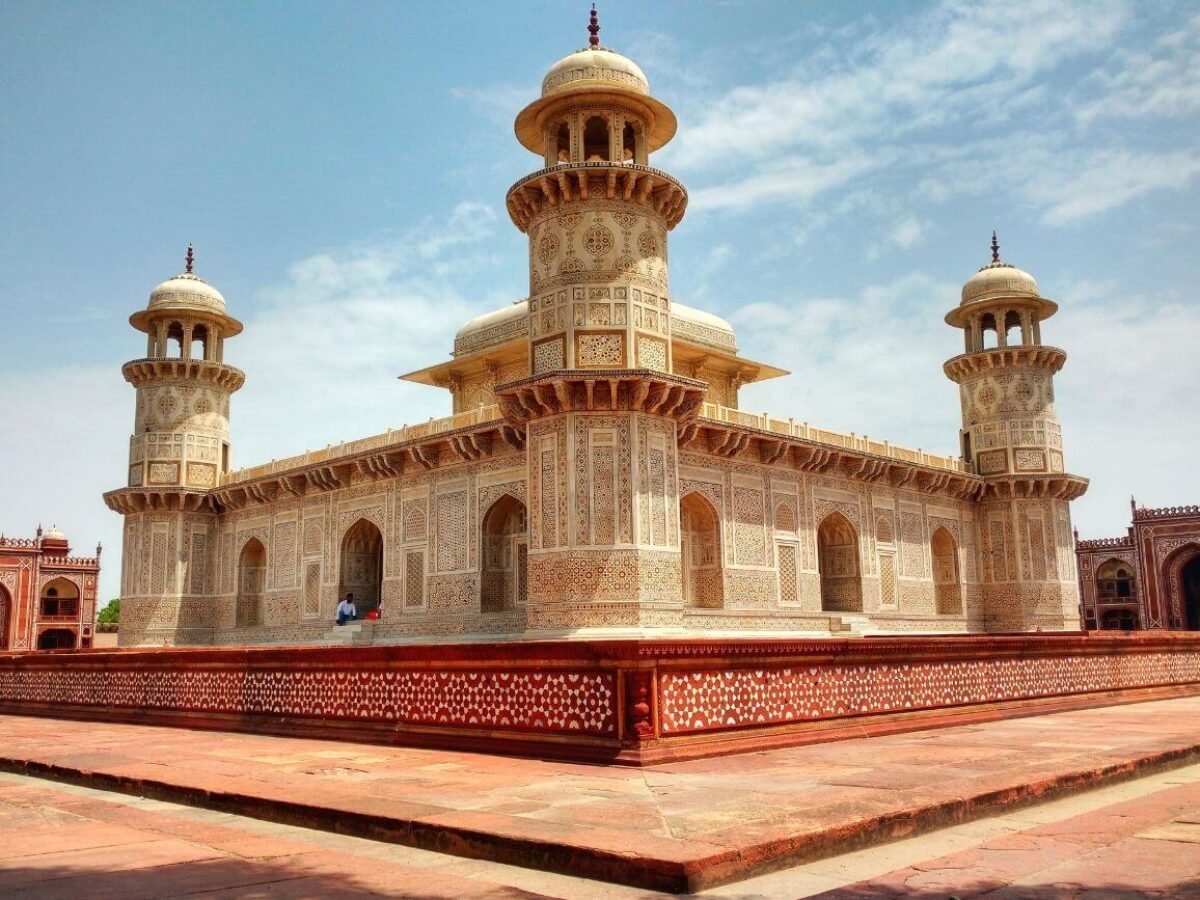
For a unique perspective, head to Mehtab Bagh (Moonlight Garden) on the opposite bank of the Yamuna River. This Mughal-era garden complex offers incredible sunset views of the Taj Mahal, often with fewer crowds than the main site. It’s a fantastic spot for photography, especially during the golden hour. Other notable sites include Itmad-ud-Daulah’s Tomb (often called the ‘Baby Taj’), a beautifully ornamented marble mausoleum preceding the Taj, and the Jama Masjid, one of the largest mosques in India. When planning your Rajasthan travel guide tips, consider adding Agra as a key stop.
Accommodation Options in Agra: From Luxury to Budget
Agra offers a diverse range of accommodations to suit every budget and preference, ensuring a comfortable stay after a day of exploring. For luxury seekers, hotels like The Oberoi Amarvilas provide unparalleled views of the Taj Mahal from their rooms and exceptional service, fitting for a once-in-a-lifetime experience similar to staying at luxury properties in Dubai travel guide. Mid-range options abound, such as the ITC Mughal or Radisson Blu Agra, offering excellent amenities and convenient locations without the ultra-luxury price tag. Many of these offer good dining options and sometimes even Taj Mahal views.
Budget travelers will find numerous guesthouses and hostels, particularly around the Taj Ganj area. While these can be basic, they provide a clean and safe haven. Look for places with good recent reviews on booking platforms; prices can range from $10-$30 per night. I once stayed in a small guesthouse near the East Gate and found the hospitality surprisingly warm, though amenities were simple. It’s worth noting that some budget accommodations might be a short auto-rickshaw ride from the main sights, so factor in local transport costs. For those seeking unique stays, consider heritage homes that offer a more traditional Indian experience.
History and Fun Facts about the Taj Mahal
The Taj Mahal, a masterpiece of Mughal architecture, was commissioned in 1631 by Emperor Shah Jahan to house the tomb of his beloved wife, Mumtaz Mahal. It took over 20 years and the labor of an estimated 20,000 artisans to complete this iconic monument. The sheer scale and precision of its construction, using white marble sourced from Makrana, Rajasthan, and intricate inlay work with semi-precious stones from across Asia, are astounding. Shah Jahan himself was later buried beside Mumtaz Mahal within the mausoleum.
Here are a few fun facts that add to its allure: The four minarets surrounding the main dome are designed to lean slightly outwards. This was a clever architectural decision; in the event of an earthquake, they would fall away from the central tomb, protecting it. Most guides miss this: the Taj Mahal actually changes color subtly throughout the day, appearing pinkish in the morning, milky white in the evening, and golden under the moonlight. This is due to the quality of the marble and the atmospheric conditions. Its construction involved more than 1,000 elephants to transport materials, showcasing the immense logistical effort involved. The story of its creation is a poignant testament to love and artistic dedication, rivaling tales from places like Rome travel guide.
“The Taj Mahal is not just a building; it’s a poem etched in marble, a timeless symbol of love and architectural genius.” – Adapted from a common sentiment among historians. Source: Wikipedia
Navigating Crowds and Local Interactions in Agra
Dealing with crowds is an inherent part of visiting the Taj Mahal, especially during peak tourist seasons (October-March) and holidays. My honest advice: arrive as early as possible, ideally for the sunrise opening. This strategy significantly reduces the number of people you encounter. If visiting during busier times, consider exploring the grounds slowly, allowing the crowds to ebb and flow. Patience is your best friend here.
When interacting with locals, a polite and firm demeanor works best. Be aware of touts and overly persistent vendors; a simple ‘no, thank you’ (in Hindi, ‘dhanyavad, nahin’) is usually sufficient. Common scams include inflated taxi fares or guides offering services you don’t need. Always agree on a price beforehand for any hired transport or services. For authentic local experiences, seek out reputable restaurants away from the immediate tourist traps, or explore the Kinari Bazaar for traditional crafts and street food – but exercise caution with street food hygiene, perhaps starting with cooked items like kachori or samosa. If you’re planning a trip to places like the Maldives travel guide, you’ll find different kinds of interactions, but politeness is universal.
Suggested Agra & Taj Mahal Itineraries
Here are a few sample itineraries to help you plan your trip to Agra and the Taj Mahal, balancing iconic sights with local flavor:
1-Day Whirlwind:
- Morning (6:00 AM – 9:00 AM): Sunrise visit to the Taj Mahal.
Late Morning (9:30 AM – 12:30 PM): Explore Agra Fort.
Lunch (1:00 PM): Local restaurant experience (e.g., near Sadar Bazaar).
Afternoon (3:00 PM – 5:00 PM): Visit Itmad-ud-Daulah’s Tomb.
Late Afternoon (5:30 PM onwards): Sunset views from Mehtab Bagh.
2-Day Agra Explorer:
Day 1:
* Morning: Arrive in Agra, check into your hotel.
* Afternoon (2:00 PM – 5:00 PM): Visit Agra Fort and Jama Masjid.
* Evening: Explore Sadar Bazaar, enjoy local dinner.
Day 2:
* Morning (6:00 AM – 9:00 AM): Sunrise visit to the Taj Mahal.
* Late Morning (10:00 AM – 12:00 PM): Visit Mehtab Bagh for different views.
* Afternoon: Explore the ‘Baby Taj’ (Itmad-ud-Daulah’s Tomb), optional craft workshop or market visit.
These itineraries can be adapted based on your interests, similar to how you might structure a Cairo Egypt travel guide, focusing on historical sites.
Transportation within Agra
Getting around Agra is relatively straightforward, with several options catering to different needs. Auto-rickshaws are ubiquitous and a popular choice for short to medium distances. Always negotiate the fare *before* starting your journey. For longer distances or more comfort, taxis and app-based ride services (like Ola, similar to Uber) are available and offer fixed pricing, which can be more reliable. Many hotels can also arrange transport for you. Buses are the cheapest option but can be crowded and confusing for tourists unfamiliar with the routes. For the Taj Mahal itself, battery-powered rickshaws operate from the parking lots to the entry gates, as internal combustion vehicles are restricted.
Frequently Asked Questions
What is the best time of day to visit the Taj Mahal for minimal crowds and best photos?
The best time is right at opening for sunrise (around 6:00 AM) to catch the magical light and beat the biggest crowds. The hour before sunset (around 5:00 PM) also offers beautiful lighting, though it can be busier. Shoulder times, like 7:00 AM – 8:00 AM, can be a good compromise.
How much does an entry ticket to the Taj Mahal cost for foreigners and Indians?
For foreign tourists, the ticket price is approximately ₹1100, which includes access to the main mausoleum. For Indian citizens, the price is significantly lower at ₹50. Prices are subject to change, so always verify with the official website.
Can you buy Taj Mahal tickets online, and is it recommended?
Yes, you can and absolutely should buy Taj Mahal tickets online through the official Archaeological Survey of India (ASI) website. It saves time, often offers a small discount, and guarantees your entry, especially during peak tourist seasons. This is a must-do for a smoother experience.
What are the precise opening and closing times for the Taj Mahal, and is it open every day?
The Taj Mahal is typically open daily from sunrise (around 6:00 AM) to sunset (around 6:30 PM). However, it is **closed every Friday** for prayers. Always check the official timings before your visit as they can vary slightly.
What should visitors wear when entering the Taj Mahal complex to be respectful?
It’s important to dress modestly out of respect for the site. This means covering your shoulders and knees. Lightweight, breathable clothing is recommended due to the climate. Comfortable footwear is essential as you’ll be walking extensively.
What items are prohibited inside the Taj Mahal, and are there lockers available?
Prohibited items include large bags, food, drinks (except water), tobacco products, sharp objects, and tripods. Lockers are typically available at the ticket counters or entry gates for storing larger belongings you cannot take inside. Plan to bring only essentials.
Visiting the Taj Mahal is an unforgettable experience. By following this guide, you’ll be well-prepared to soak in its beauty, history, and romance without the common stresses. Ready to plan your unforgettable trip to Agra?