
Motorbikes buzzing like angry bees. The heavy, intoxicating smell of charred pork hovering in the humid air. Tiny plastic stools spilling out onto cracked sidewalks. Welcome to Vietnam’s capital. That is exactly what this Hanoi travel guide is for. Whether you are wandering through ancient streets, hunting down the world’s best bowl of pho, or planning a quick escape to the coast, I have you covered.
Hanoi is not a city you simply visit. It’s a city you experience head-on. It hits your senses like a freight train, leaving you simultaneously exhausted and entirely exhilarated. But how do you actually navigate this beautiful chaos without losing your mind?
We are going to cut through the noise. No generic tourist traps. Just a deeply practical, highly opinionated roadmap to squeezing every drop of magic out of this incredible city.
Table of Contents
1. Surviving and Thriving in the Old Quarter
4. Crafting the Perfect Hanoi Itinerary
5. Beyond the City: Halong Bay & Ninh Binh
6. Practical Tips for First-Timers
7. Frequently Asked Questions (FAQ)
1. Surviving and Thriving in the Old Quarter
If Hanoi is a living organism, the Old Quarter is its beating, chaotic heart. You will probably book your hotel here. You will definitely get lost here.
And that is exactly the point.
Historically made up of 36 “Guild Streets,” this labyrinthine neighborhood was organized by trade. Hang Bac street sold silver. Hang Gai sold silk. Hang Ma sold paper goods. Even today, you will turn a corner and suddenly find yourself on a block entirely dedicated to selling stainless steel kitchen sinks.
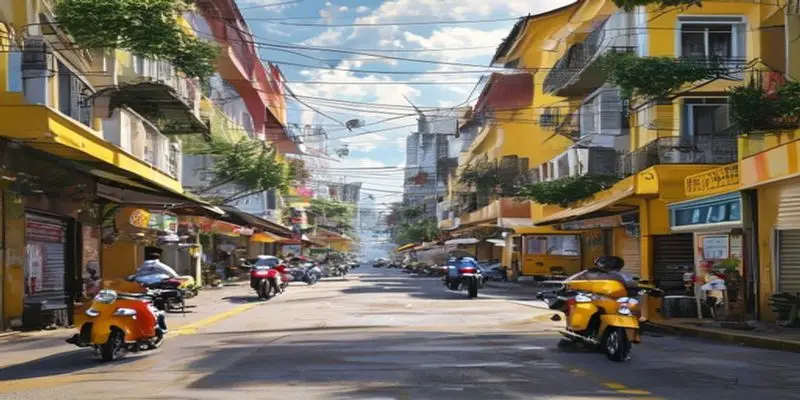
Walking through the Old Quarter requires a specific mindset. Sidewalks exist, but they are not for walking. They are for parking motorbikes, cooking vats of bubbling broth, and drinking bia hoi (cheap draft beer). You will be walking in the street. You will be sharing that street with thousands of motorbikes.
The secret to crossing the street? Be water.
Stop waiting for a clear break in traffic. It will never come. Step off the curb slowly. Walk at a steady, predictable pace. Do not stop. Do not make sudden movements. The sea of motorbikes will simply part and flow around you like a river flowing around a rock. It feels terrifying the first time, but by day three, you will be doing it without looking up from your iced coffee.
2. Top Things to Do in Hanoi
Finding things to do Hanoi style is less about checking off monuments and more about soaking up the atmosphere. But there are a few absolute must-see spots that ground the city in its deep history.
Walk Around Hoan Kiem Lake
This is the geographic and spiritual center of the city. Legend has it that an emperor was given a magical sword by a golden turtle god in this lake to drive out the Ming dynasty. Today, it’s the best place for people-watching.
If you visit on a weekend, the streets surrounding the lake are closed to motorized traffic. The atmosphere transforms completely. Families walk their dogs, teenagers hold impromptu dance battles, and vendors sell glowing toys. It is absolute joy.
Explore the Temple of Literature
Need a break from the honking horns? Step inside Vietnam’s first national university, built in 1070. The Temple of Literature is a stunning example of traditional Vietnamese architecture.
Wandering through its five courtyards, past the ancient stone turtles bearing the names of scholars, you can actually hear yourself think. The contrast between the peaceful gardens and the wild streets outside is jarring in the best way possible.
Navigate Hanoi Train Street
You have seen it on Instagram. A massive, speeding train squeezing through a residential street so narrow that residents have to pull their drying laundry inside. It is thrilling.
But the rules here change constantly. Sometimes the police barricade the entrances due to safety concerns. Pro tip: The best way to experience it legally and safely is to message a Train Street cafe on WhatsApp ahead of time. They will often send an escort to meet you at the barricade and walk you to their shop.
Visit Hoa Lo Prison
Sarcastically dubbed the “Hanoi Hilton” by American POWs during the Vietnam War, this prison was originally built by the French colonists to hold political prisoners. It is a heavy, sobering experience.
The exhibits offer a stark look at the brutal conditions endured by Vietnamese revolutionaries, alongside a somewhat curated look at the treatment of American pilots like John McCain. It provides essential context for understanding the country’s resilience.
3. Hanoi Food Guide
Let’s get one thing straight. You do not come to Vietnam for the fine dining. You come for the street food. Any good Hanoi travel guide will prioritize tiny plastic stools over white tablecloths.
The culinary scene here is heavily influenced by French colonialism, Chinese borders, and a profound respect for fresh herbs. If you are searching for a true Hanoi food guide, start with these non-negotiables.
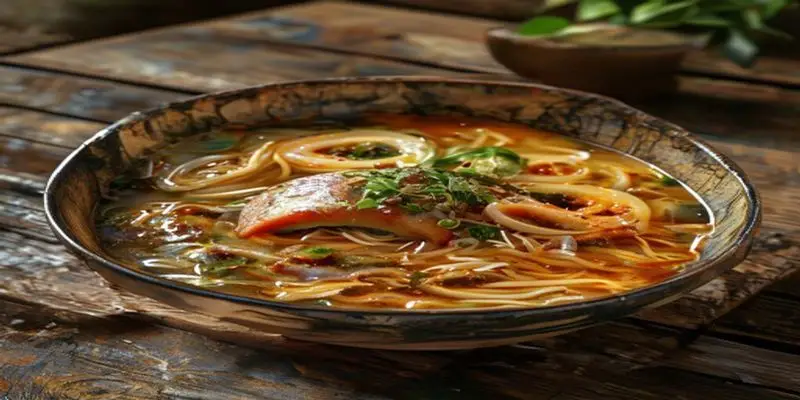
Bun Cha: The Smoky Masterpiece
Pho gets all the international fame, but Bun Cha is the true love of Hanoi. What is it? Fatty pork belly and seasoned pork patties grilled over hot coals, served in a warm, sweet-and-tangy fish sauce broth.
You get a mountain of cold rice noodles and a jungle of fresh greens. Dip the noodles into the broth, add a chili, and take a bite. It is life-changing.
- Where to eat it: Bun Cha Huong Lien. Yes, this is the place where Anthony Bourdain and Barack Obama shared a meal. Yes, it’s slightly touristy now. But the “Obama Combo” still tastes fantastic.
Pho Bo: The Breakfast of Champions
In the north, Pho is typically eaten for breakfast. And Hanoi-style Pho is different from the sweet, herb-heavy southern style you might be used to. The broth here is the star—clear, deeply savory, and simmered with beef bones for hours. It’s served simply, usually just with green onions and a side of fried dough sticks (quay) for dipping.
- Where to eat it: Pho Gia Truyen Bat Dan. Expect a line. Expect gruff service. Do not expect anyone to speak English. Just hand over your cash, grab your bowl, and find a stool.
Ca Phe Trung: Hanoi Egg Coffee
Coffee with egg? It sounds weird until you taste it. Invented in the 1940s during a milk shortage, local baristas whipped egg yolks with sugar and poured it over robusta espresso.
The result? A drink that tastes exactly like liquid tiramisu. It is rich, frothy, and highly caffeinated.
- Where to drink it: Cafe Giang. The son of the inventor still runs this hidden gem. Look for the tiny alleyway entrance in the Old Quarter.
Banh Cuon: The Delicate Steamed Rolls
Watch the women at the front of these shops pour a thin layer of fermented rice batter over a cloth stretched over a pot of boiling water. Seconds later, they lift off a translucent crepe, fill it with minced pork and wood ear mushrooms, and roll it up. Topped with crispy fried shallots, it melts in your mouth.
4. Crafting the Perfect Hanoi Itinerary
Structuring a proper Hanoi itinerary is a balancing act. You want to see the sights without burning out from the noise and heat. Here is a perfectly paced way to tackle the city.
Day 1: The Heartbeat
Start your morning early with a bowl of Pho on the street. Spend the entire morning getting wonderfully lost in the Old Quarter. Duck into Dong Xuan Market to browse the massive wholesale stalls. By mid-day, grab a Banh Mi and sit by Hoan Kiem Lake. End your evening drinking fresh Bia Hoi on “Beer Street” (Ta Hien), watching the chaotic nightlife unfold.
Day 2: History and Elegance
Move out of the Old Quarter and into the French Quarter. Notice how the streets widen and the architecture shifts to grand, yellow colonial villas. Visit the Hoa Lo Prison in the morning. After a heavy lunch of Bun Cha, walk over to the Temple of Literature. In the evening, catch a traditional Water Puppet show—a uniquely northern Vietnamese art form.
Day 3: Cafes and Sunsets
Rent a bicycle or take a Grab out to West Lake (Ho Tay). It’s the largest lake in the city and has a completely different, much more relaxed vibe. Visit the Tran Quoc Pagoda. Spend the afternoon café-hopping. Hanoi has one of the best independent coffee cultures in the world. Drink coconut coffee, chat with locals, and slow your pace down.
5. Beyond the City: Halong Bay & Ninh Binh
Hanoi is a brilliant launchpad for exploring northern Vietnam. If you have the time, getting out of the city limits is highly recommended.
The Classic Halong Bay Day Trip
Can you do a Halong Bay day trip? Yes. Should you? That depends on your schedule.

Cruising past thousands of towering limestone karsts jutting out of emerald waters is a bucket-list experience. Thanks to a new expressway, the drive from Hanoi to the marina has been cut down to about 2.5 hours each way.
A typical day trip leaves Hanoi at 8:00 AM. You board a boat by noon, eat a seafood lunch on deck, explore the massive Sung Sot Cave, kayak through a floating village, and return to Hanoi by 8:00 PM.
The verdict: It is a very long day. If you only have one week in Vietnam, the day trip makes sense. But if you have the luxury of time, book an overnight cruise. Waking up on the water as the morning mist clears off the karsts is pure magic. Also check more details about your next destination Bali.
The Alternative: Ninh Binh
Often called “Halong Bay on land,” Ninh Binh is about two hours south of Hanoi. Instead of towering karsts in the ocean, you have towering karsts erupting from bright green rice paddies.
Take a rowboat tour through the Trang An complex. Local women will row you through flooded caves using their feet to paddle. It is quieter, less polluted, and arguably more stunning than Halong Bay. If you are debating between the two, Ninh Binh is the insider’s choice.
6. Practical Tips for First-Timers
No Hanoi travel guide is complete without the boring—but essential—logistics. Knowing these small details will save you time, money, and headaches.
- Download Grab: Do not hail taxis on the street. You will likely be overcharged. Grab is the Southeast Asian equivalent of Uber. It works flawlessly. You can book cars, or for a cheaper and faster ride, book a Grab motorbike. They even provide the helmet.
- Cash is Still King: High-end hotels and cafes accept credit cards. The woman selling the best noodles you will ever eat on the sidewalk does not. Always carry small bills (10k, 20k, 50k VND notes). Breaking a 500k note at a street stall is a great way to annoy the vendor.
- Get a Local SIM: Do not rely on international roaming. Pick up a Viettel or Vinaphone SIM card right at Noi Bai airport. For about $15, you will get enough high-speed data to last your entire trip. Google Maps is essential for navigating the Old Quarter.
- Watch Your Step: Hanoi sidewalks are uneven, cracked, and full of obstacles. Look down while you walk, not up at the buildings, unless you want to trip over a tiny plastic stool or a boiling pot of pho broth.
- Haggle Politely: At markets like Dong Xuan, haggling is expected. Start at half the quoted price and meet in the middle. Keep a smile on your face. It is a friendly negotiation, not a battle.
7. Frequently Asked Questions (FAQ)
When is the best time to visit Hanoi?
The best time to visit is during the autumn (September to November) or spring (March to April). The weather is mild, the humidity is manageable, and rainfall is minimal. Avoid the summer months (June to August) unless you enjoy sweating through your shirt within five minutes of stepping outside. Winter (December to February) can get surprisingly cold and grey.
Is Hanoi safe for tourists?
Absolutely. Violent crime is exceptionally rare in Hanoi. The biggest risks to tourists are petty theft (like a phone being snatched from your hand by a passing motorbike) and traffic accidents. Keep your phone secure when standing near the street, and always wear a helmet if you ride a scooter.
How many days do I need in Hanoi?
To truly appreciate the city without rushing, plan for three full days. This gives you enough time to explore the Old Quarter, visit the main historical sites, dive deep into the street food culture, and spend an afternoon relaxing by West Lake. Add extra days if you plan on taking day trips.
Can I drink the tap water in Hanoi?
No. Do not drink the tap water anywhere in Vietnam. Stick to bottled water, which is incredibly cheap and available on every corner. Ice in established restaurants and cafes is generally safe, as it is made from filtered water in commercial ice factories. If the ice has a hole in the middle (tube ice), it is safe.
What is the difference between Hanoi and Ho Chi Minh City?
Hanoi (the capital in the north) is older, more traditional, and deeply focused on culture and history. It has four distinct seasons. Ho Chi Minh City (in the south) is the financial hub. It is faster, more modern, heavily influenced by international trends, and hot year-round. Hanoi is a bowl of slow-simmered Pho; Ho Chi Minh City is a double shot of espresso.
So, there you have it. You are armed with the best spots, the essential survival skills, and the appetite required to tackle this incredible city. Stop stressing about getting lost. Embrace the chaos, eat the street food, and let Hanoi show you what it’s made of.








4 Responses
Super helpful tips, tnx next week see you there if you can visit again.