Most bloggers treat Pakse like a glorified bus stop. They tell you to land, rent a motorbike, and immediately flee to the mountains. But what if they are wrong? What if rushing out of town means you miss out on the actual heartbeat of southern Laos?
Welcome to the only Pakse Laos travel guide you will ever need. Period.
We are throwing out the old backpacker clichés. Southern Laos travel has changed significantly since the pandemic, especially with new transit routes opening up. You need a modern, reliable, and highly detailed Pakse Laos travel guide to navigate it properly. We are talking updated 2024 bus routes, honest warnings about scooter rental scams, and exact prices for everything from coconuts to tuk-tuks.
Why should you trust this Pakse Laos travel guide? Because we know what it takes to actually enjoy the city. We know that when you climb the ancient, crumbling stairs of Wat Phou in the blistering heat, grabbing an icy coconut from the vendor near the second tier for exactly 15,000 LAK is a lifesaver. We know the local secrets.
TL;DR: Pakse Quick Facts
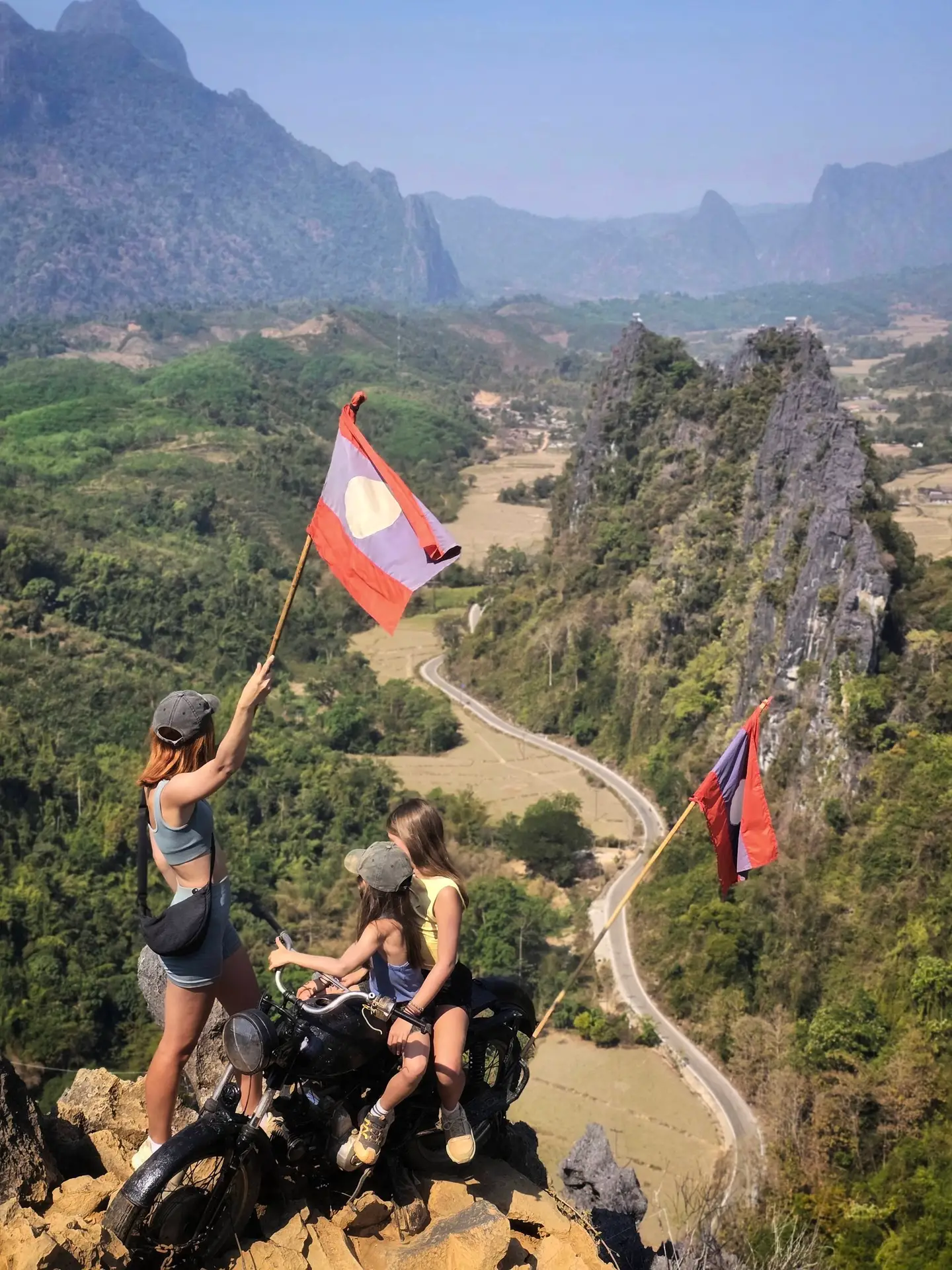
- Best Time to Visit: November to February (Dry, cool season).
- Suggested Days: 3 to 4 days (Use the “Hub and Spoke” strategy).
- Daily Budget: $30-$50 USD for mid-range travelers.
- Top Must-Dos: Bolaven Plateau waterfalls, Wat Phou, Dao Heuang Market.
- Currency: Lao Kip (LAK). Bring pristine US Dollars for exchanges.
Table of Contents
- Is Pakse Worth Visiting?
- Best Things to Do in Pakse (City Guide)
- Best Day Trips from Pakse
- How to Get to Pakse (Updated 2024 Routes)
- Getting Around Pakse Safely
- Where to Stay in Pakse (By Budget)
- Where to Eat & Drink (Including Vegan Options)
- Pakse Travel Tips & Practicalities
- Frequently Asked Questions
Is Pakse Worth Visiting?
Absolutely. The mistake most travelers make is viewing the city strictly as a transit zone. Any comprehensive Pakse Laos travel guide will tell you that the city itself operates beautifully under a “Hub and Spoke” model.
Think of Pakse as your comfortable home base (the hub). You stay in a nice boutique hotel, eat excellent food, and enjoy reliable Wi-Fi. Then, during the day, you venture out on massive day trips (the spokes) to explore ancient ruins and jungles. You return by sunset for a cold Beerlao by the Mekong River.
It beats hauling your heavy backpack to a new, damp jungle guesthouse every single night. Using this Pakse Laos travel guide as your blueprint, you will see how easy it is to balance hardcore adventuring with a comfortable night’s sleep.
Best Things to Do in Pakse (City Guide)
Before you rush off to the surrounding plateaus, you need to know the best Pakse things to do right inside the city limits. This Pakse Laos travel guide highly recommends spending at least one full day exploring the urban core.
Explore Wat Luang
Wat Luang is the largest and most beautifully decorated Buddhist temple in Pakse. Situated right on the banks of the Xe Don River, it offers an incredible sense of peace.
Go early. If you arrive around 6:00 AM, you can witness the traditional alms-giving ceremony. Monks walk silently through the streets collecting offerings. It is profound, quiet, and deeply spiritual. Remember to dress modestly, keeping your shoulders and knees covered.
Shop at Dao Heuang Market
Want to see how locals actually live? Head straight to Dao Heuang Market. It is one of the largest markets in the entire country.
The sensory overload here is wild. You will find massive tables piled high with fresh produce, exotic fruits like rambutan and mangosteen, and a rather graphic meat section. In the back, vendors sell beautiful traditional Lao skirts (sinh) and intricate silver jewelry. It is a fantastic place to practice your haggling skills. Just remember: haggling in Laos should always be done with a smile, never aggressively.
Mekong River Sunsets & Rooftop Bars
You cannot write a proper Pakse Laos travel guide without mentioning the sunsets. The sky over the Mekong River turns violent shades of purple, pink, and orange as the day ends.
Skip the dusty street corners. Head up to the rooftop bar at the Pakse Hotel (Le Panorama). The drinks might cost slightly more than street-level bars, but the panoramic view of the city and the river is worth every single Kip. Order a cocktail, grab a seat by the railing, and watch the fishing boats slowly drift home.
Best Day Trips from Pakse
Now that you know the city, let’s hit the “spokes.” The sheer volume of natural and historical wonders just an hour outside of town is staggering. No Pakse Laos travel guide is complete without detailing these exact excursions.
The Bolaven Plateau (Waterfalls & Coffee)
The Bolaven Plateau is an elevated region famous for two things: roaring Laos waterfalls and world-class coffee. The altitude makes it noticeably cooler than the sweltering plains below.
First, you must see Tad Fane. These spectacular twin waterfalls plunge roughly 120 meters deep into a lush, green gorge. If you are an adrenaline junkie, there is a zipline that flies directly over the massive drop. For something more relaxing, head a few kilometers down the road to Tad Yuang. Here, you can actually walk down to the base of the falls and swim in the icy, refreshing pools.
Next, you absolutely must taste authentic Bolaven Plateau coffee. The volcanic soil and high altitude create the perfect growing conditions for Arabica and Robusta beans. Stop by Mystic Mountain Coffee or any local plantation offering tours. You will learn how the beans are grown, harvested, and roasted. A fresh cup of slow-drip Lao coffee, thickened with sweet condensed milk, will ruin regular coffee for you forever.
The Ancient Ruins of Wat Phou (Champasak)
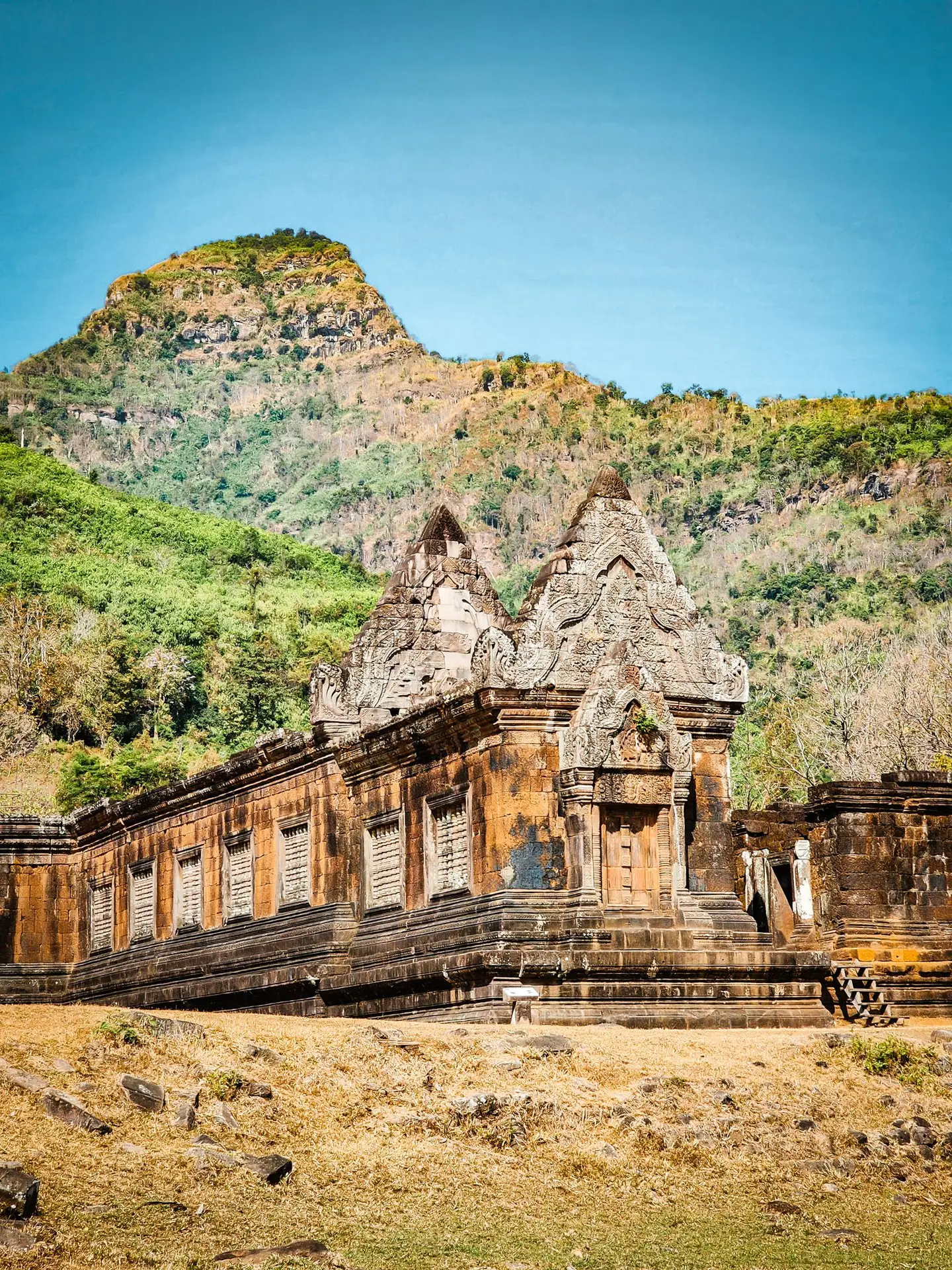
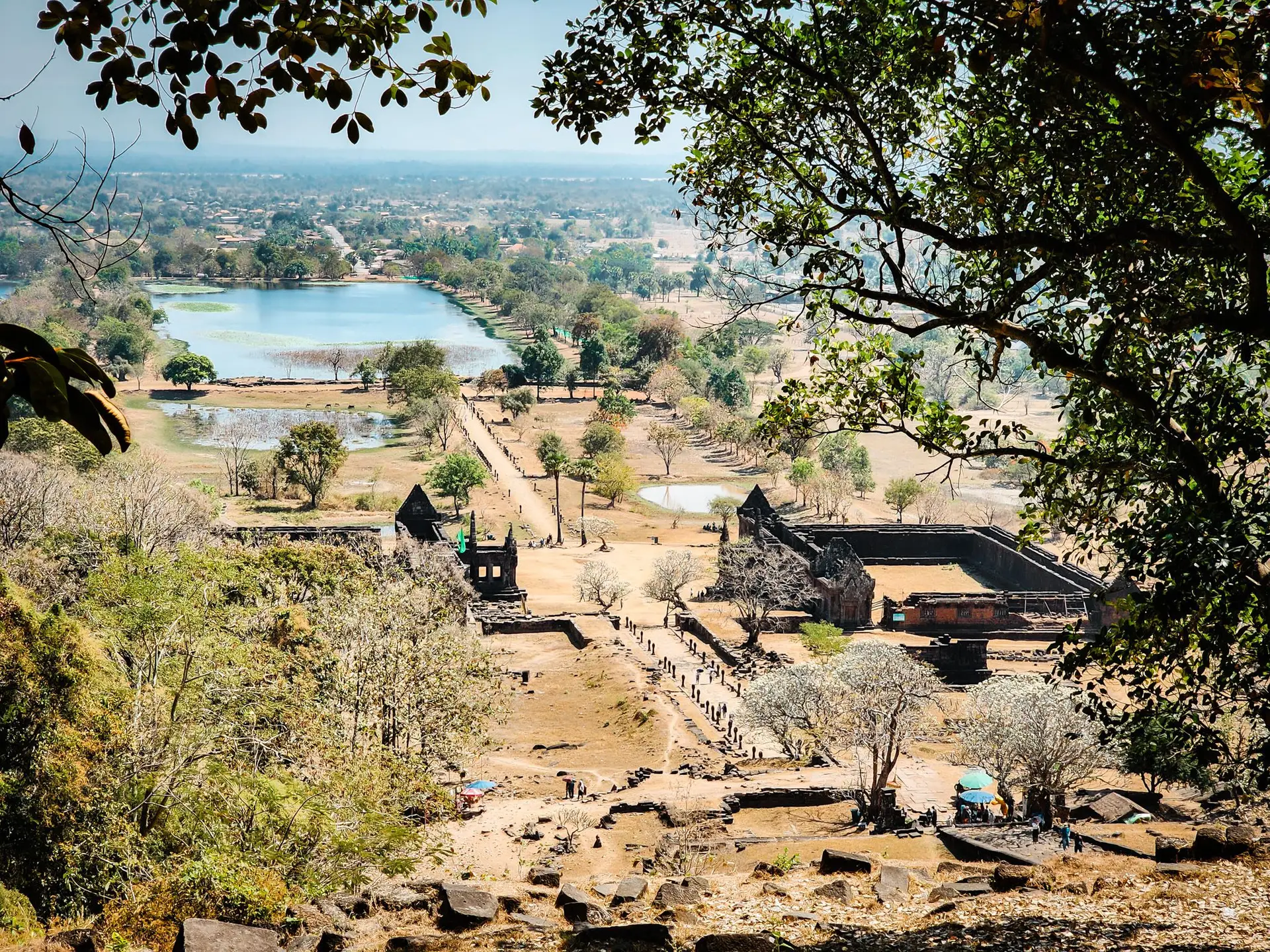
Angkor Wat in Cambodia gets all the glory, but Wat Phou is older. Located about an hour south of Pakse, this incredible UNESCO World Heritage site sits at the base of Mount Phu Kao.
It is a stunning ruined Khmer Hindu temple complex that dates back to the 5th century. You will climb a steep, crumbling stone staircase lined with ancient frangipani trees. At the top, the sanctuary offers sweeping views over the plains down to the Mekong River. As mentioned earlier in this Pakse Laos travel guide, do not forget to buy a fresh coconut for 15,000 LAK from the vendor near the second tier. You will desperately need the hydration.
How to Get to Pakse (Updated 2026 Routes)
Logistics in Southeast Asia shift constantly. Much of the old advice online is dead wrong. Here is exactly how to execute your southern Laos travel plans right now.
Flights to Pakse International Airport (PKZ)
The easiest route. Lao Airlines runs direct, reliable flights from Vientiane, Luang Prabang, and occasionally Siem Reap or Ho Chi Minh City. The airport is tiny. Getting from the baggage claim to a tuk-tuk takes about five minutes. Expect to pay around 50,000 LAK for a ride from the airport to the city center.
The Train & Sleeper Bus Combination
Since the Laos-China Railway opened, traveling from the north (Luang Prabang) to the capital (Vientiane) is incredibly fast. However, the train does not go south to Pakse.
You must take the train to Vientiane, then hop on an overnight sleeper bus. These buses are an experience. You share a tiny, flat bed with whoever holds the ticket next to you. If you are a solo traveler, try to buy two tickets so you get the entire bed to yourself. The journey from Vientiane takes about 10 to 12 hours.
Border Crossing from Thailand (Ubon Ratchathani to Chong Mek)
If you are coming from Thailand, the Chong Mek border crossing is a breeze. Take a van from Ubon Ratchathani to the border. Stamp out of Thailand, walk through the tunnel, and stamp into Laos. Visas on arrival are available here for most nationalities (bring crisp US Dollars and a passport photo). Once on the Laos side, minivans run constantly to Pakse for a few dollars. It takes about an hour.
Getting Around Pakse Safely
This Pakse Laos travel guide would be useless if it didn’t tell you how to navigate the streets. Transportation here is quirky, sometimes frustrating, but entirely manageable once you know the rules.
Renting a Motorbike (And Avoiding Scams)
Renting a scooter is the ultimate form of freedom here. But you must be careful. Never leave your passport as a deposit; offer a cash deposit instead.
We highly recommend renting from “Miss Noy Motorbike” in the city center. Yves and his wife Noy run a tight, honest ship. They even hold a free informational briefing every evening at 6:00 PM, covering road conditions, maps, and safety tips for the loop.
A strict warning: Watch out for the police checkpoint on Route 16W just before the Japanese Bridge. The police frequently stop foreigners. If you do not have an International Driving Permit (IDP) stamped for motorcycles, you will be fined. Pay the fine politely, get your receipt, and move on. Do not argue.
Tuk-Tuks and Loca
For short trips, tuk-tuks are everywhere. Always negotiate the price before you get in. If negotiating exhausts you, download the Loca app. It is the Laotian equivalent of Uber. It connects you directly with drivers, sets a fixed price, and completely removes the stress of language barriers and haggling.
Where to Stay in Pakse (By Budget)
Forget the old narrative that southern Laos travel only caters to budget backpackers. Our comprehensive Pakse Laos travel guide breaks down the best accommodations for every wallet size.
Best Backpacker Hostels
If you want to save money and meet fellow travelers, Sanga Hostel is the gold standard. It is incredibly clean, features air-conditioned dorms with privacy curtains, and has a great on-site cafe. It is the perfect place to find a buddy to split a tuk-tuk to the waterfalls.
Best Mid-Range & Boutique Hotels
For the sweet spot between price and comfort, look at the Pakse Hotel & Restaurant. Housed in a former cinema, this hotel has vintage charm, spotless rooms, and the aforementioned rooftop bar. Another excellent option is Intouch Riverside Hotel, offering spectacular views of the river and a fantastic swimming pool to cool off in.
Best Luxury Stays
Want to treat yourself? Book a room at Le Champasak Grand Hotel. Located right beside the bridge, this sprawling property offers massive rooms, manicured gardens, a massive pool, and exceptional buffet breakfasts. It is an oasis of calm after a loud, dusty day of exploring.
Where to Eat & Drink (Including Vegan Options)
Most blogs fail to mention how good the food scene is here. A top-tier Pakse Laos travel guide must point you toward the best culinary experiences, especially if you have dietary restrictions.
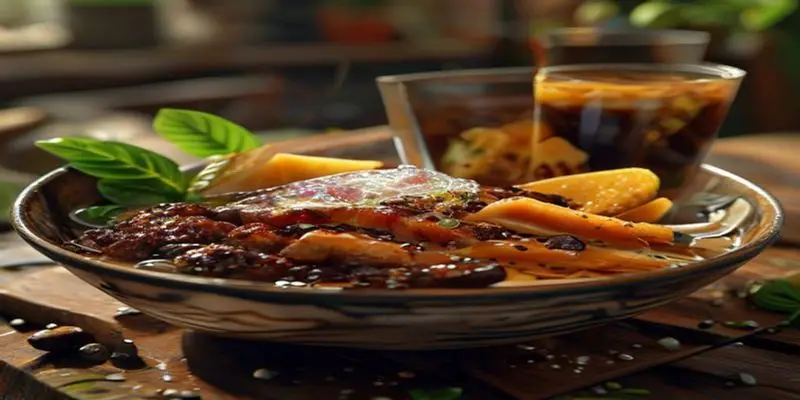
For local food, visit the riverside pop-up restaurants that appear at sunset. Grab a plastic chair and order fresh grilled Mekong river fish, sticky rice, and spicy papaya salad.
Are you vegan or vegetarian? You are in luck. Vida Bakery Cafe is a fantastic expat-run spot that not only serves great coffee but has plenty of plant-based options and excellent Wi-Fi. Dok Mai Lao Trattoria might sound strange—an Italian restaurant in rural Laos?—but their vegetarian pasta and homemade pizzas are genuinely incredible and provide a nice break from rice and noodles.
Pakse Travel Tips & Practicalities
Let’s cover the boring, yet essential, details that keep your trip running smoothly. Reading this section of our Pakse Laos travel guide will save you hours of frustration on the ground.
Best Time of Year to Visit (Weather Breakdown)
According to historical weather data, the optimal time to visit is during the dry season, from November to February. The skies are clear, the humidity drops, and the temperature hovers around a pleasant 28°C (82°F).
March to May is the hot season. It is brutally hot. If you visit then, you will spend most of your day hiding in air conditioning. The wet season (June to October) brings heavy daily downpours. The upside? The Laos waterfalls are at their most violent and spectacular during these months.
ATMs, Cash (LAK), and Wi-Fi Reliability
Cash is still king here. While upscale hotels take credit cards, you need Lao Kip for street food, markets, and tuk-tuks. BCEL Bank has the most reliable ATMs in town and usually offers the highest withdrawal limits. Always carry small bills; breaking a 100,000 LAK note at a tiny street stall is impossible.
Wi-Fi in Pakse is decent but rarely lightning fast. If you need to work remotely, buy a local SIM card. Unitel and Lao Telecom offer excellent 4G coverage. You can buy a tourist SIM right at the airport or in any small mobile shop in town.
Frequently Asked Questions
To wrap up this ultimate Pakse Laos travel guide, let’s address the most common questions travelers ask when planning their trip.
How many days do you need in Pakse?
We highly recommend spending 3 to 4 days here. This gives you one day to explore the city markets and temples, one full day for the Bolaven Plateau coffee and waterfalls, and one day to explore the ruins of Wat Phou. Any less, and you will feel completely rushed.
Is Pakse safe for solo female travelers?
Yes, incredibly safe. Violent crime against tourists is extremely rare in Laos. The biggest risks you face are petty theft (like bag snatching from passing motorbikes) and road accidents. Always wear a helmet, and keep your bag securely strapped across your chest when riding.
What is the difference between Pakse and Luang Prabang?
Luang Prabang is heavily tourist-focused, extremely polished, and visually stunning with its French colonial architecture. Pakse is grittier, much more authentic, and serves as a commercial hub. Luang Prabang is for boutique relaxation; this city is for raw, unfiltered southern Laos travel adventures.
Can I drink the tap water here?
Absolutely not. Do not drink the tap water anywhere in Laos. Stick strictly to bottled water, which is cheap and available on every corner. Ice served in reputable restaurants and cafes is generally safe, as it is produced in commercial ice factories using purified water.
How do I get from Pakse to the 4,000 Islands?
Almost every guesthouse and tour agency in town sells combined bus-and-boat tickets to the 4,000 Islands (Si Phan Don). A minivan picks you up in the morning, drives roughly 2.5 hours south to the village of Nakasang, and transfers you onto a longtail boat heading to Don Det or Don Khon.
There you have it. By following this complete Pakse Laos travel guide, you are perfectly equipped to ditch the outdated advice, avoid the common tourist traps, and experience the magnificent deep south of Laos exactly as it should be seen. Pack your bags, rent that scooter safely, and go find those waterfalls.