
You cross the border from South Africa and the vibe shifts instantly. It’s quieter. Greener. The air feels different. Most people zoom past this tiny kingdom on their way to Mozambique, but that’s a massive mistake. If you’re looking for a place where tradition isn’t just a show for tourists but a way of life, you need this Eswatini travel guide to navigate your journey. Formerly known as Swaziland, this pocket-sized nation is the last absolute monarchy in Africa, and it packs a punch that puts much larger countries to shame.
Why should you care about a country you can drive across in less than three hours? Because size isn’t everything. In one day, you can track white rhinos on foot, buy world-class hand-blown glass, and dance with locals at a cultural festival. This Eswatini travel guide is designed to help you see the soul of the kingdom, not just the highlights. We are going to look at everything from the dusty tracks of Hlane to the misty peaks of the highveld. Are you ready to see why this is Africa’s best-kept secret?
Why You Need an Eswatini Travel Guide Right Now
Eswatini is weird in the best possible way. It is a place where the King still chooses a new wife at a massive dance every year, yet the capital city has high-speed internet and modern malls. When people talk about Swaziland travel, they often focus on the transition of the name, but the heart of the country remains unchanged. It is a land of rolling hills, dramatic mountains, and some of the friendliest people you will ever meet. This Eswatini travel guide aims to show you that you don’t need a massive budget to have a royal experience here.
One of the best Eswatini things to do is simply to slow down. The pace of life here is rhythmic. You’ll see cows crossing the main highway and school children in bright uniforms waving at every passing car. It feels like Africa used to be—unhurried and genuine. Unlike the crowded parks of its neighbors, Eswatini offers an intimacy that is hard to find elsewhere. You aren’t just another tourist in a jeep; you’re a guest in the King’s backyard. That sense of welcome is the foundation of any great Eswatini travel guide.
The Magic of a Hlane Rhino Safari
If there is one thing you cannot miss, it is the Hlane rhino safari. Hlane Royal National Park is the country’s largest protected area, and it is a place of raw, dusty beauty. Imagine sitting on a wooden deck with a cold beer in your hand. Just twenty feet away, a group of massive white rhinos is drinking from a waterhole. No fences. No glass. Just you and the giants. This isn’t a rare occurrence at Hlane; it’s just a Tuesday. Any Eswatini travel guide worth its salt will tell you that this is the best place in the world to see rhinos up close without the crowds of the Kruger.
But what makes a Hlane rhino safari truly special? It’s the walking safaris. Guided by expert rangers, you can hop out of the vehicle and approach these prehistoric creatures on foot. Your heart will hammer against your ribs. The sound of a rhino munching on dry grass is surprisingly loud in the stillness of the bush. It’s an adrenaline rush that makes you feel incredibly small and incredibly alive at the same time. This is why Swaziland travel is so addictive; it offers these raw, unscripted moments that stick with you forever.
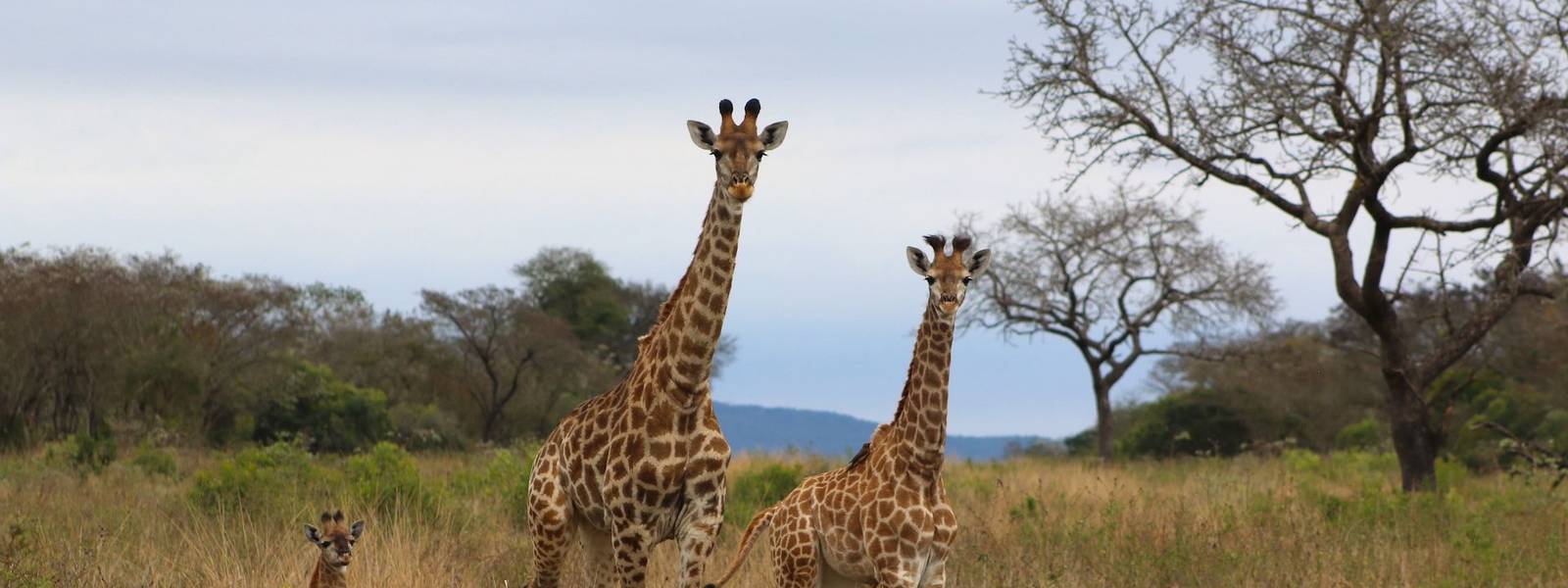
The park is also home to lions and elephants, but the rhinos are the undisputed stars. Because the park is managed by Big Game Parks, the conservation efforts are top-notch. You’re not just seeing animals; you’re supporting a system that has fought hard against poaching. When you follow an Eswatini travel guide to Hlane, you are contributing to the survival of a species. It’s powerful stuff. Don’t forget to look up at night, too. The stars in the bushveld are so bright they almost look fake.
Ngwenya Glass: Art with a Heart
Next on our list of Eswatini things to do is a visit to the mountains near the border. Here, you’ll find Ngwenya glass. This isn’t just a gift shop; it’s a testament to Eswatini’s creativity and commitment to the environment. Every single piece of glass here is made from 100% recycled glass collected by people across the kingdom. From old beer bottles to broken windows, it all gets melted down and transformed into stunning works of art. If you follow this Eswatini travel guide, you have to spend an hour watching the blowers work from the overhead gallery.
The heat from the furnaces is intense. You can see the glow of the molten glass as the master craftsmen spin and shape it into elephants, wine glasses, and intricate ornaments. It’s a dance of fire and breath. Buying Ngwenya glass is one of the most sustainable things you can do while exploring the country. It’s a local success story that has gained international fame, even being sold in high-end stores in London and New York. But here, at the source, it feels personal. This Eswatini travel guide recommends picking up a “crying rhino” figurine—a portion of the sales goes directly to rhino conservation in the country.
The complex surrounding the glass factory is also great for a midday break. There are small boutiques selling handmade chocolates, woven baskets, and local hot sauces. It’s a microcosm of the country’s artisan spirit. When people ask about Swaziland travel souvenirs, this is always the first place I mention. You aren’t just buying a trinket; you’re taking home a piece of the kingdom’s soul. Plus, the café there serves a mean slice of cake with a view of the mountains.
Mlilwane Wildlife Sanctuary: Safari on Foot
Most people think safaris require a giant 4×4 and a guide with a rifle. Mlilwane Wildlife Sanctuary flips that script. This is Eswatini’s pioneer conservation area, and it is uniquely predator-free (well, except for the crocodiles in the lake). This means you can hike, mountain bike, or even go horseback riding among zebras, warthogs, and impalas. This Eswatini travel guide highly suggests renting a bike and pedaling through the plains. There is nothing quite like cycling alongside a herd of blesbok as the sun rises over Execution Rock.
Wait, Execution Rock? Yes, the name is as grim as the view is beautiful. According to legend, this granite peak was where criminals were forced to leap to their deaths. Today, it’s just a challenging hike with a rewarding panorama of the Ezulwini Valley. For those looking for Eswatini things to do that involve a bit of sweat, this is it. The trails are well-marked, but the African sun is no joke. Pack more water than you think you need. This Eswatini travel guide wouldn’t want you turning into a raisin before you see the rest of the park.
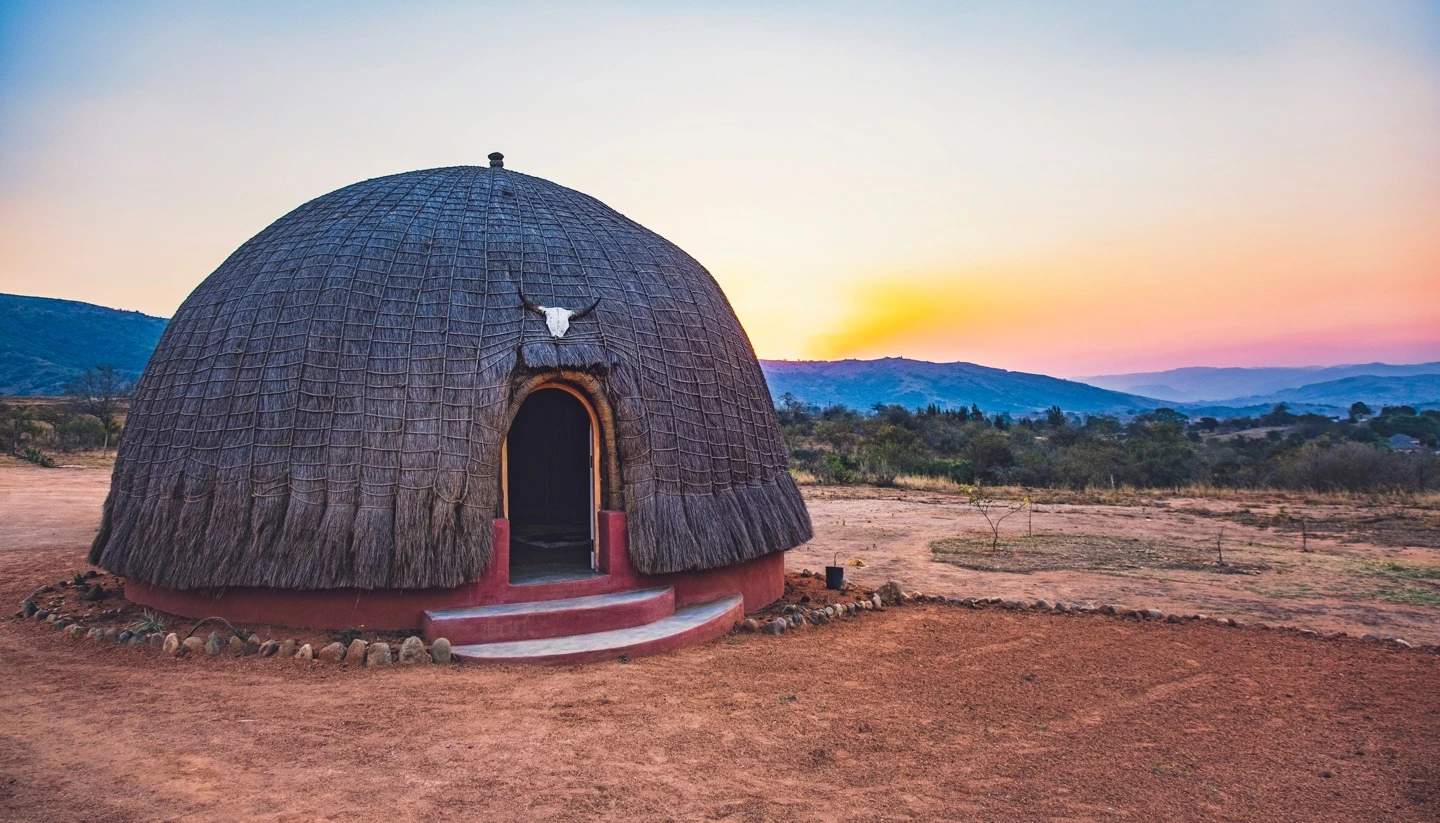
Staying at Mlilwane is also an experience in itself. You can sleep in traditional “beehive” huts—circular grass-thatched structures that are surprisingly cozy. At night, warthogs wander around the camp like stray dogs, and the sound of the wind through the trees is the only playlist you’ll need. It’s the perfect base for any Swaziland travel adventure. It’s rustic, it’s charming, and it’s deeply connected to the earth. If you want luxury, go elsewhere. If you want magic, stay here.
Mantenga Cultural Village and the Spirit of Swaziland Travel
Is cultural tourism usually a bit cheesy? Sometimes. But Mantenga Cultural Village manages to stay on the right side of the line. It is a “living museum” where you can see exactly how a Swazi homestead functioned in the 1850s. This Eswatini travel guide recommends arriving in time for the dance performance. The Sibhaca dance is a high-energy, foot-stomping spectacle that involves incredible flexibility and thunderous drumming. It’s not just for show; these dances are a vital part of Swazi identity.
After the dance, a guide will take you through the village. You’ll learn why the grandmother’s hut is the most important, how traditional beer is brewed, and why the cattle kraal is at the center of the home. It’s a crash course in the social structure of the kingdom. This is a core part of Swaziland travel because it provides context for everything else you see. When you see a man wearing traditional leopard skins at a gas station (it happens!), you’ll understand the pride behind it. This Eswatini travel guide is all about making those connections.
Just a short walk from the village is the Mantenga Falls. It’s a powerful cascade of water tucked away in a lush forest. It’s a great spot for a picnic or just a moment of reflection. The juxtaposition of the vibrant culture and the serene nature is what makes Eswatini things to do so varied. You can go from the intensity of the drums to the spray of the waterfall in ten minutes. That’s the beauty of a small country; everything is just around the corner.
Hiking the Highveld: Malolotja Nature Reserve
If you prefer your mountains rugged and your trails empty, then Malolotja Nature Reserve is your sanctuary. This is the true wilderness of the kingdom. Covering over 18,000 hectares of mountain bushveld, it offers some of the best hiking in Southern Africa. For a comprehensive Eswatini travel guide, we have to mention the multi-day treks here. You can hike for days without seeing another human soul, crossing crystal-clear streams and spotting rare birds like the Blue Swallow.
The scenery is breathtaking. Think deep canyons, high-altitude grasslands, and the oldest mountains in the world. Literally. Some of the rock formations here date back over 3.6 billion years. It’s a humbling place. If you aren’t up for a three-day trek, there are plenty of shorter walks to various waterfalls. For the thrill-seekers, Malolotja also hosts a canopy tour. Zipping through the forest on a cable is a fantastic way to see the terrain from a different angle. It’s a highlight for many on their Swaziland travel itinerary.
Keep an eye out for the flora. The reserve is famous for its wildflowers, including rare proteas and orchids. It’s a botanist’s dream. This Eswatini travel guide warns you, though: the weather in Malolotja can be unpredictable. One minute it’s sunny, and the next, a thick mist rolls in, swallowing the peaks. It’s moody, dramatic, and absolutely gorgeous. If you want to feel like you’ve reached the edge of the world, this is where you go.
Practical Logistics for Your Eswatini Travel Guide
Planning a trip is more than just picking pretty spots. You need the nuts and bolts. First off, let’s talk about money. Eswatini uses the Lilangeni (plural: Emalangeni), which is pegged 1:1 to the South African Rand. In fact, you can use Rand everywhere in the country, but you’ll often get your change in Emalangeni. Just remember to spend your local coins before you leave, as they are hard to exchange elsewhere. This is a vital tip for any Eswatini travel guide.
Getting around is relatively easy. The roads are generally in good condition, though you should watch out for “speed bumps”—and by that, I mean goats and cows. Car rental is the way to go if you want freedom. However, if you’re feeling adventurous, you can use the local “kombis” (minibuses). They are cheap, crowded, and play loud music, making them a Swaziland travel experience in their own right. Just tell the driver where you’re going, and they’ll make sure you get there… eventually.
When it comes to visas, most Western travelers (US, UK, EU, Canada) don’t need one for short stays. Just show up at the border with a valid passport. Speaking of borders, they aren’t open 24/7. Most close around 6:00 PM or 8:00 PM, so don’t get caught out! This Eswatini travel guide recommends checking the official tourism website for the latest hours. Also, the food! You have to try “Sishwala”—a thick porridge served with meat or vegetables. It’s the ultimate comfort food after a long day of exploring Eswatini things to do.
Finally, let’s talk about safety. Eswatini is widely considered one of the safest countries in Africa. While you should always use common sense—don’t leave your camera on the car seat—the level of violent crime is very low. It’s a place where you can breathe easy. This Eswatini travel guide wouldn’t be complete without mentioning the “Eswatini time” concept. Things might move a bit slower than you’re used to. Don’t fight it. Embrace the rhythm, and you’ll have a much better time.
Is Eswatini perfect? No. It has its challenges, like any other nation. But the blend of ancient tradition and modern warmth is something you won’t find anywhere else. Whether you are staring down a rhino on a Hlane rhino safari or watching the sunset over the Malolotja mountains, this kingdom will get under your skin. It’s not just a destination; it’s a feeling. Use this Eswatini travel guide to start your journey, but let the country itself lead the way. You might just find yourself coming back sooner than you think.
If you’re looking for more info, check out the Wikipedia page for Eswatini to understand the history of the name change and the monarchy. Understanding the past helps you appreciate the present. And remember, the best Eswatini travel guide is the one you write yourself as you wander through the valleys and mountains of this incredible land. Swaziland travel is an invitation to see the world differently. Take it.
Frequently Asked Questions
Is Eswatini safe for solo travelers?
Yes, Eswatini is generally very safe for solo travelers. The people are incredibly welcoming and helpful. However, like anywhere, avoid walking alone at night in urban centers like Mbabane or Manzini. Stick to well-lit areas and use reputable transport. This Eswatini travel guide encourages solo exploration, as it often leads to more meaningful interactions with locals.
Do I need a 4×4 for an Eswatini travel guide itinerary?
For most of the major attractions like Mlilwane, Mantenga, and Ngwenya Glass, a standard sedan is perfectly fine. The main roads are paved and well-maintained. However, if you plan on exploring the deeper parts of Hlane or Malolotja, especially during the rainy season, a vehicle with higher ground clearance is recommended. Most Hlane rhino safari drives are done in park vehicles anyway.
What is the best time of year to visit?
The best time for wildlife viewing is during the dry winter months (May to September). The vegetation is thinner, and animals gather around waterholes, making them easier to spot. If you are more into hiking and lush scenery, the summer months (October to April) are beautiful, though it can get quite hot and humid. This Eswatini travel guide recommends the “shoulder” months of May and September for the best of both worlds.
Can I use South African Rand in Eswatini?
Absolutely. The South African Rand (ZAR) is accepted everywhere at a 1:1 ratio. You don’t actually need to exchange your money for Emalangeni. However, be aware that you will likely receive Emalangeni as change. While these are fine to use within the country, you cannot use them back in South Africa, so try to spend them before you cross the border. This is a common Swaziland travel tip for first-timers.
How many days do I need in Eswatini?
While you can see the highlights in 3 days, this Eswatini travel guide recommends at least 5 to 7 days. This allows you to visit Hlane for a safari, hike in Malolotja, shop at Ngwenya Glass, and soak in the culture at Mantenga without feeling rushed. It’s a small country, but there are so many Eswatini things to do that you’ll want the extra time to explore properly.


One Response