Ever felt like the world is getting a bit too crowded? Like every “hidden gem” you see on Instagram is actually packed with tourists holding selfie sticks? I felt that way too. Then I found the Solomon Islands. It is wild. It is raw. It is exactly what you need if you want to escape the ordinary. This Solomon Islands travel guide is here to help you navigate a place where time seems to move at the speed of a drifting coconut.
Most people can’t even point to these islands on a map. They are tucked away in the South Pacific, east of Papua New Guinea. But for those who make the trip, the rewards are massive. We are talking about world-class Solomon Islands diving, haunting WWII wrecks Pacific history buffs dream about, and water so clear you’ll think your boat is floating on air. But how do you actually get around? What should you eat? Is it safe? Stick with me. This Solomon Islands travel guide covers everything from the bustling streets of Honiara to the quietest lagoons in the Western Province.
Table of Contents
Why You Need a Solomon Islands Travel Guide Now
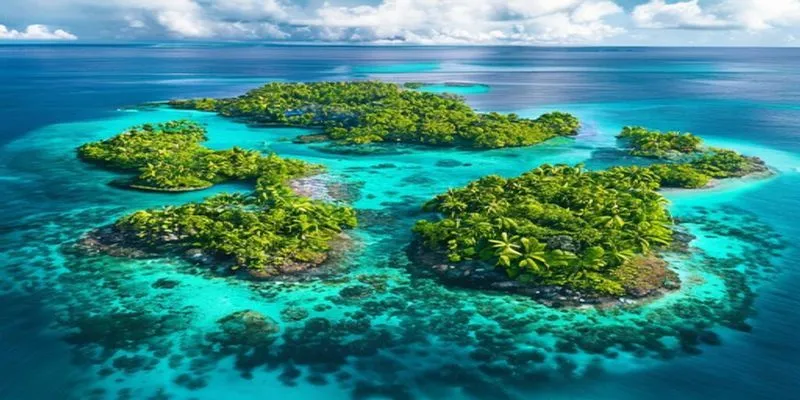
Let’s be honest. This isn’t Fiji. There are no massive high-rise resorts here. You won’t find a buffet line with five different types of pasta. Instead, you get authenticity. You get a Solomon Islands travel guide that points you toward eco-lodges built over the water and local markets where the pineapples taste like sunshine. The Solomon Islands are a collection of nearly 1,000 islands, and each one has its own personality. Some are volcanic and rugged. Others are flat coral atolls that barely peek above the waves.
Why go now? Because it’s changing. While it remains one of the least visited countries in the world, word is getting out. This Solomon Islands travel guide aims to show you how to see the “Hapi Isles” before they become the “Busy Isles.” You’ll encounter the Wantok system—a beautiful cultural concept of mutual responsibility and family ties. It’s a place where a smile goes further than a credit card. If you are looking for a Solomon Islands travel guide that focuses on luxury spas, you might be in the wrong place. But if you want adventure? You’re exactly where you need to be.
Honiara: More Than Just a Gateway
Most travelers land in Honiara, the capital city on the island of Guadalcanal, and try to leave as fast as possible. Big mistake. While Honiara is gritty and loud, it’s the heartbeat of the nation. Any good Solomon Islands travel guide will tell you to spend at least two days here. Why? Because the history is literally under your feet. This was the site of some of the most intense fighting in World War II. You can visit the Guadalcanal American Memorial for a view of the city that will take your breath away.
Walk through the Central Market. It’s a sensory overload. You’ll see stacks of betel nuts, piles of fresh tuna, and vibrant shell money. Shell money is still used in parts of the islands for traditional ceremonies! This Solomon Islands travel guide recommends trying the local “fish and chips”—usually fresh snapper fried to perfection right at the market stalls. Is it fancy? No. Is it delicious? Absolutely. Honiara is where you find your bearings before heading out to the remote reaches of the archipelago.
If you have a spare afternoon in Honiara, hire a taxi to take you to the Vilu Military Museum. It’s an open-air collection of planes and artillery pieces being slowly reclaimed by the jungle. It’s eerie and beautiful at the same time. This is a staple recommendation in any Solomon Islands travel guide because it sets the stage for the rest of your trip. You start to realize that this paradise has a very heavy history.
The Ghostly Magic of Iron Bottom Sound
Imagine a stretch of water so filled with sunken ships and planes that it actually changed the local magnetic field. That is Iron Bottom Sound. For history buffs, this is the Holy Grail. Our Solomon Islands travel guide wouldn’t be complete without mentioning the sheer volume of WWII wrecks Pacific history enthusiasts can find here. Between 1942 and 1943, dozens of ships and hundreds of aircraft went down in these waters.
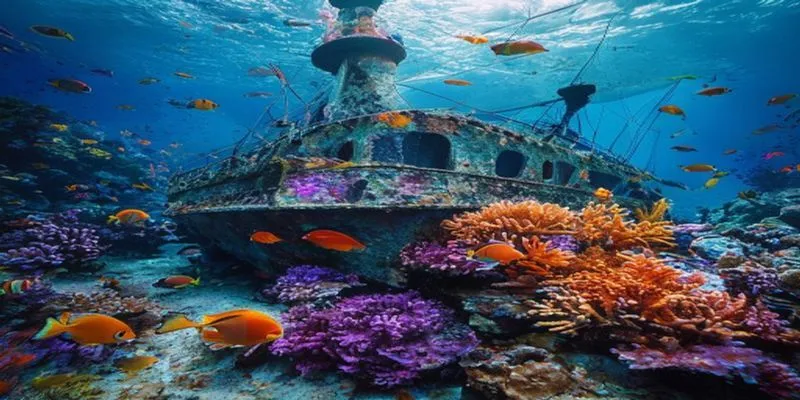
Some of these wrecks are deep—too deep for recreational divers. But many are sitting in shallow water, just waiting for a snorkeler with a bit of courage. The Bonegi wrecks (Hirokawa Maru and Kinugawa Maru) are located just a short drive from Honiara. You can literally walk off the beach and swim into a massive Japanese freighter. It’s mind-blowing. In this Solomon Islands travel guide, we emphasize that these aren’t just rust piles; they are living reefs. Corals have claimed the steel, and schools of fish now inhabit the engine rooms.
When you look out over the calm waters of Iron Bottom Sound today, it’s hard to imagine the chaos of the past. But that’s the beauty of it. The islands have a way of healing. Nature takes back what was lost. Using this Solomon Islands travel guide, you can plan a boat trip to see these sites from above or below. Just remember to be respectful. These sites are often considered war graves, and the local people hold them in high regard. It’s not just a tourist attraction; it’s a memorial.
Diving into Paradise: Solomon Islands Diving 101
If you’re a diver, you probably already know about this place. If you aren’t, you might become one after reading this Solomon Islands travel guide. The Solomon Islands diving scene is world-class for one simple reason: diversity. You can dive a wreck in the morning and a pristine coral wall in the afternoon. The Coral Triangle starts right here, meaning the biodiversity is off the charts. We are talking about over 500 species of coral and thousands of species of fish.
Where should you go? Munda and Gizo in the Western Province are the heavy hitters. In Munda, you can dive the “Alice in Wonderland” reef, which looks exactly like it sounds—massive mushroom-shaped corals that seem to go on forever. This Solomon Islands travel guide highly recommends the Leru Cut. It’s a narrow canyon that cuts deep into an island. You swim into the dark, look up, and see the jungle canopy through a sliver of light. It’s a spiritual experience, honestly.
What about the big stuff? Sharks are everywhere, but don’t worry—they are mostly reef sharks and hammerheads who couldn’t care less about you. You might also spot manta rays or even the occasional whale shark if your timing is right. This Solomon Islands travel guide suggests booking a liveaboard boat if you want the absolute best Solomon Islands diving. It allows you to reach the remote reefs of the Russell Islands and Mary Island, where the fish populations are so dense you can barely see your dive buddy.
- Top Dive Site: Bonegi I & II (Guadalcanal)
- Top Dive Site: Grand Central Station (Gizo)
- Top Dive Site: Custom Caves (Russell Islands)
- Top Dive Site: Kennedy Island (Where JFK was stranded!)
Exploring the Spooky Skull Island
Ready for something a little different? Let’s head to the Vona Vona Lagoon. This is where you’ll find the infamous Skull Island. Now, before you get worried, this isn’t a movie set. It’s a sacred site. For centuries, the people of the Western Province practiced headhunting. It was a part of their culture and spiritual belief system. This Solomon Islands travel guide wants to make sure you visit this place with the right mindset.
You’ll need a local guide to take you there by boat. As you approach the small island, the jungle closes in. Inside a small wooden structure, you’ll see rows of skulls, some dating back hundreds of years. They belong to both local chiefs and their enemies. It’s a stark reminder of the islands’ fierce history. Our Solomon Islands travel guide tips: Always ask for permission before taking photos, and never touch anything. This is a place of deep “tambu” (taboo).
The experience is surreal. One minute you are snorkeling in bright blue water, and the next, you are standing face-to-face with the past. It’s this contrast that makes the Solomon Islands so special. They don’t hide their history. They live with it. This Solomon Islands travel guide encourages you to talk to your guide about the stories behind the skulls. The oral traditions here are incredibly rich and provide a context you won’t find in any textbook. To understand the Pacific, you have to understand its warriors.
Essential Logistics: Money, Transport, and Timing
Now for the “boring” but necessary stuff. You can’t just wing it here. This Solomon Islands travel guide is all about preparation. First, let’s talk money. The local currency is the Solomon Islands Dollar (SBD). In Honiara, you’ll find ATMs, but once you leave the capital, cash is king. Very few places in the outer islands accept credit cards. If they do, expect a hefty surcharge. Always carry more cash than you think you’ll need.
Transport is an adventure in itself. You’ll likely be flying on Solomon Airlines in small Twin Otter planes. These flights are beautiful—you get a bird’s eye view of the reefs—but they can be prone to delays. Be flexible. Between islands, you’ll use “banana boats” (small motorized skiffs). They are fun, but you will get wet. This Solomon Islands travel guide suggests bringing a high-quality dry bag for your electronics. Trust me on this one.
When should you go? The best time is during the dry season, from May to October. The weather is cooler, and the sea is calmer. However, this is also the most popular time. If you don’t mind a bit of rain, the shoulder seasons can be great too. Just avoid the peak of the wet season (January to March) unless you enjoy being stuck inside during a tropical downpour. This Solomon Islands travel guide also reminds you to take malaria precautions. The Solomon Islands are a high-risk area, so consult your doctor before you leave.
Finally, let’s talk about the internet. Or the lack of it. While you can get a local SIM card in Honiara, the connection in the outer islands is spotty at best. View it as a blessing. Use this Solomon Islands travel guide to plan your route, then put your phone away. You are in one of the most beautiful places on Earth. The emails can wait.
Quick Travel Checklist:
- Visas: Most Western travelers get a visitor permit on arrival, but check the latest government advice first.
- Health: Pack plenty of mosquito repellent and sunblock. The sun here is brutal.
- Gear: Bring your own mask and snorkel. Even if you rent gear, having your own well-fitting mask makes Solomon Islands diving much better.
- Respect: Learn a few words in Pijin. “Halo” (Hello) and “Tanggio” (Thank you) go a long way.
The Solomon Islands aren’t for everyone. If you need 5-star service and paved roads everywhere, you might be disappointed. But if you want to see things that few people ever will? If you want to dive on WWII wrecks Pacific explorers only talk about in hushed tones? Then this Solomon Islands travel guide is your ticket to a world you thought didn’t exist anymore. It’s a place that stays with you long after the salt has washed off your skin. It’s a place that challenges you and rewards you in equal measure.
So, what are you waiting for? Start planning. Use this Solomon Islands travel guide as your foundation and build your own adventure. Whether you are trekking through the jungle of Malaita or sitting on a beach in Gizo, you are going to see something spectacular. The Hapi Isles are waiting for you, and honestly, they’ve been waiting for a long time.
Frequently Asked Questions
Q: Is the Solomon Islands safe for solo travelers?
A: Generally, yes. The people are incredibly friendly. However, like any destination, you should stay aware of your surroundings, especially in Honiara at night. In the outer islands, it is very safe, but always respect local “tambu” areas.
Q: How expensive is a trip using this Solomon Islands travel guide?
A: It’s more expensive than Southeast Asia but cheaper than a high-end resort in Bora Bora. Logistics like domestic flights and boat charters add up. Budget for around $150-$200 USD per day for a comfortable mid-range experience.
Q: Can I see WWII wrecks without being a scuba diver?
A: Absolutely! Many WWII wrecks Pacific sites are shallow enough for snorkeling. The Bonegi wrecks and several planes in the Western Province are visible from the surface. You can also visit land-based museums in Honiara and Munda.
Q: What is the food like in the Solomon Islands?
A: It’s fresh and simple. Expect lots of seafood, sweet potatoes (kumara), taro, and tropical fruits. In Honiara, you can find international cuisine, but in the provinces, you’ll be eating what is caught or grown locally that day.
Q: Do I need to book everything in advance?
A: For Honiara and popular eco-lodges in Munda or Gizo, yes. The number of beds is limited. This Solomon Islands travel guide recommends booking your domestic flights and main accommodation at least 2-3 months before you arrive.