
India is intense. It hits you all at once. The noise. The heat. The overwhelming colors. But absolutely nothing prepares you for the sheer, magnificent scale of the desert state. You are likely here because you need a reliable Rajasthan travel guide. One that tells you the absolute truth.
Most blogs sugarcoat the experience. They show you beautiful women in flowing dresses spinning in front of ancient palaces. What they conveniently leave out is exactly how you are supposed to navigate the notoriously complex Indian railway system to get to that palace. Or how to dodge the aggressive gemstone scammers waiting outside the gates.
A truly useful Rajasthan travel guide shouldn’t just show you pretty pictures. It needs to give you the granular, boots-on-the-ground logistics. You need to know what a private driver actually costs, how to find ethical animal encounters, and where the tourists aren’t.
This is the definitive Rajasthan travel guide for the modern traveler. We are skipping the fluff. Whether you are a backpacker on a shoestring budget or looking to sleep in actual maharaja palaces, this guide has you covered.
Quick Fact Box
Best Time to Visit: October to March (Winter months).
Ideal Trip Length: 10 to 14 days.
Main Airports: Jaipur International Airport (JAI), New Delhi (DEL – just a short train ride away).
Currency: Indian Rupee (INR). Roughly ₹83 = $1 USD.
Language: Hindi and Rajasthani. English is widely spoken in tourist areas.
Table of Contents
- Best Time to Visit Rajasthan
- How to Get Around Rajasthan (The Missing Logistics)
- Where to Go: The Classics vs. The Offbeat
- Suggested Rajasthan Itineraries
- Rajasthan Travel Costs & Budgeting
- Safety, Scams & Cultural Etiquette
- What to Eat in Rajasthan
- Frequently Asked Questions
Best Time to Visit Rajasthan
Timing your trip to India is everything. A massive mistake many first-timers make is ignoring the extreme weather variations. A complete Rajasthan travel guide must stress this: the desert gets unbearably hot.
Weather Breakdown by Season
October to March (The Golden Window): This is peak season. The days are sunny and warm (around 25°C or 77°F), and the nights are remarkably cool. If you are packing for a December or January trip, bring a warm jacket. The desert gets shockingly cold after the sun goes down.
April to June (The Scorcher): Avoid this unless you absolutely have to go. Temperatures easily exceed 45°C (113°F). Exploring forts and palaces in this heat is a miserable, exhausting experience.
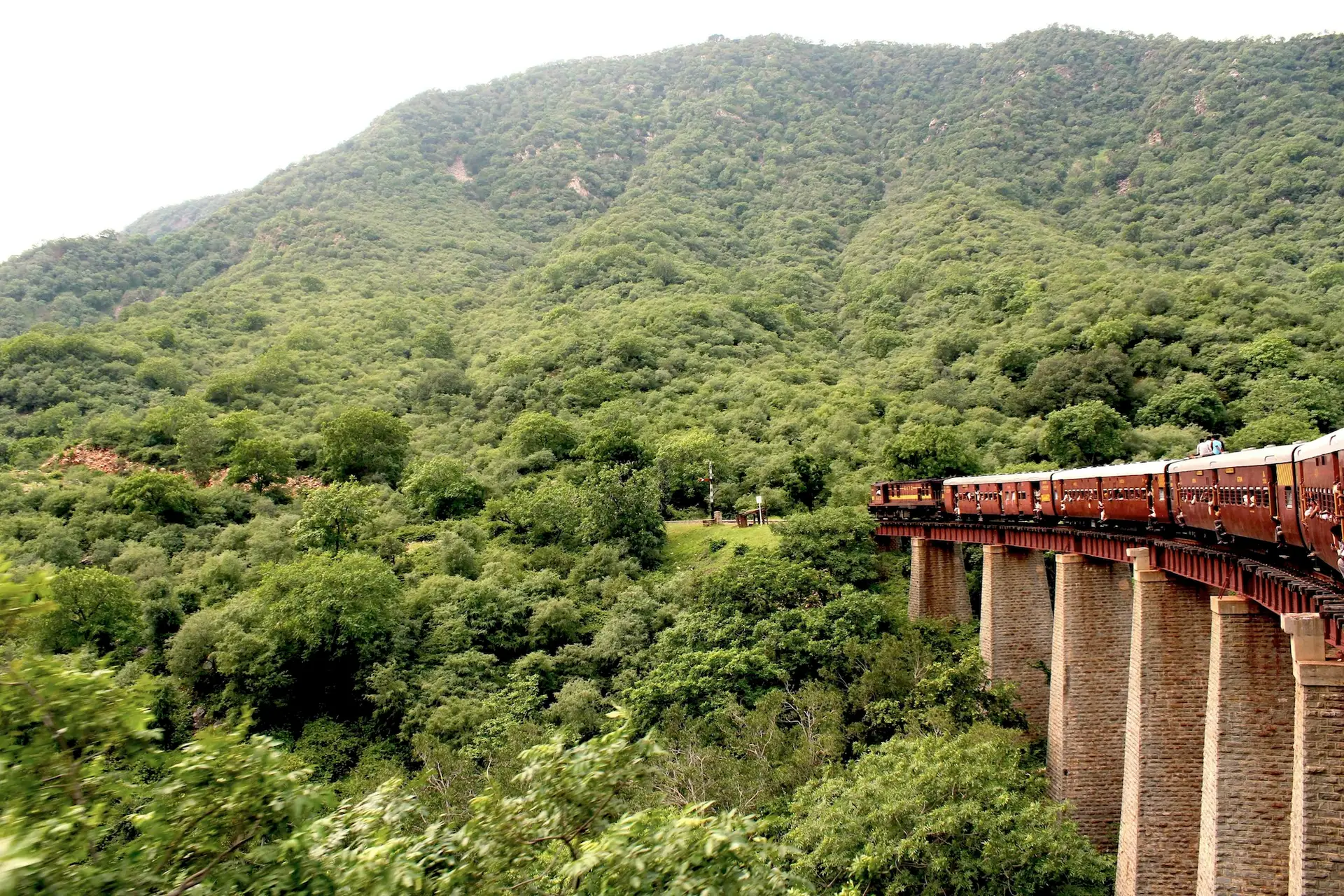
July to September (The Monsoon): It does not rain heavily here compared to the rest of India, but the humidity skyrockets. However, the Aravalli hills turn a gorgeous, lush green, making places like Udaipur quite beautiful. Prices are also significantly lower.
Major Festivals
Trying to align your trip with a local festival is a fantastic idea. Diwali (the Festival of Lights) usually falls in October or November. Jaipur is illuminated with millions of clay lamps. Holi (the Festival of Colors) happens in March. It is chaotic, wet, and incredibly fun. The Pushkar Camel Fair in November is legendary, drawing thousands of livestock traders and musicians to the tiny holy town.
How to Get Around Rajasthan (The Missing Logistics)
This is where every other Rajasthan travel guide drops the ball. They tell you to “just take a train.” But how do you actually do that? Transport in India can be incredibly frustrating if you don’t know the inside tricks. If you already visit in Rajasthan then must try this after complete the tour, then go to Cleanest Village Asia, Mawlynnong India Travel Guide.
Navigating Indian Railways
Train travel here is iconic. It is also a bureaucratic nightmare for foreigners. The official website is IRCTC. Creating an account requires an international mobile number verification, which frequently breaks.
The Fix: Use aggregator apps like 12Go Asia or MakeMyTrip. They charge a small markup but save you hours of frustration.
Classes Explained: Never book general or sleeper class unless you are a hardcore survivalist. You want to book AC tiers. AC1 is a private cabin. AC2 (two-tier) offers open bunks with curtains for privacy. AC3 (three-tier) is more crowded but perfectly fine for daytime travel.
The Secret Weapon: The Foreign Tourist Quota (FTQ). Indian Railways reserves a small number of seats specifically for foreigners on major routes. If a train says “Waitlisted,” you can often get a confirmed seat by showing up at the International Tourist Bureau at the New Delhi Railway Station with your passport.
Hiring a Private Driver
This is the most popular way to execute a Rajasthan itinerary. It is surprisingly affordable and offers total freedom. A standard air-conditioned sedan (like a Swift Dzire) will cost you between ₹3,500 to ₹4,500 ($42 – $54 USD) per day. This price includes the driver’s food, accommodation, tolls, and fuel.
Do not haggle this down to nothing. If you pay too little, the driver will make up the difference by forcing you into overpriced souvenir shops where they get a commission. Tip your driver at the end of the trip—around ₹500 per day is standard for good service.
Intercity Buses
Buses are excellent for short hops where trains are inconvenient. Download the RedBus app. It works flawlessly. Look for RSRTC (Rajasthan State Road Transport Corporation) Volvo AC buses or private operators like Zingbus. They are comfortable, cheap, and run frequently.
| Route | Distance | By Car (Approx.) | By Train (Approx.) |
|---|---|---|---|
| Jaipur to Jodhpur | 330 km | 6 Hours | 5 Hours |
| Jodhpur to Udaipur | 250 km | 5 Hours | No direct train |
| Udaipur to Jaisalmer | 490 km | 9.5 Hours | No direct train |
| Delhi to Jaipur | 280 km | 4.5 Hours | 4 Hours |
Where to Go: The Classics vs. The Offbeat
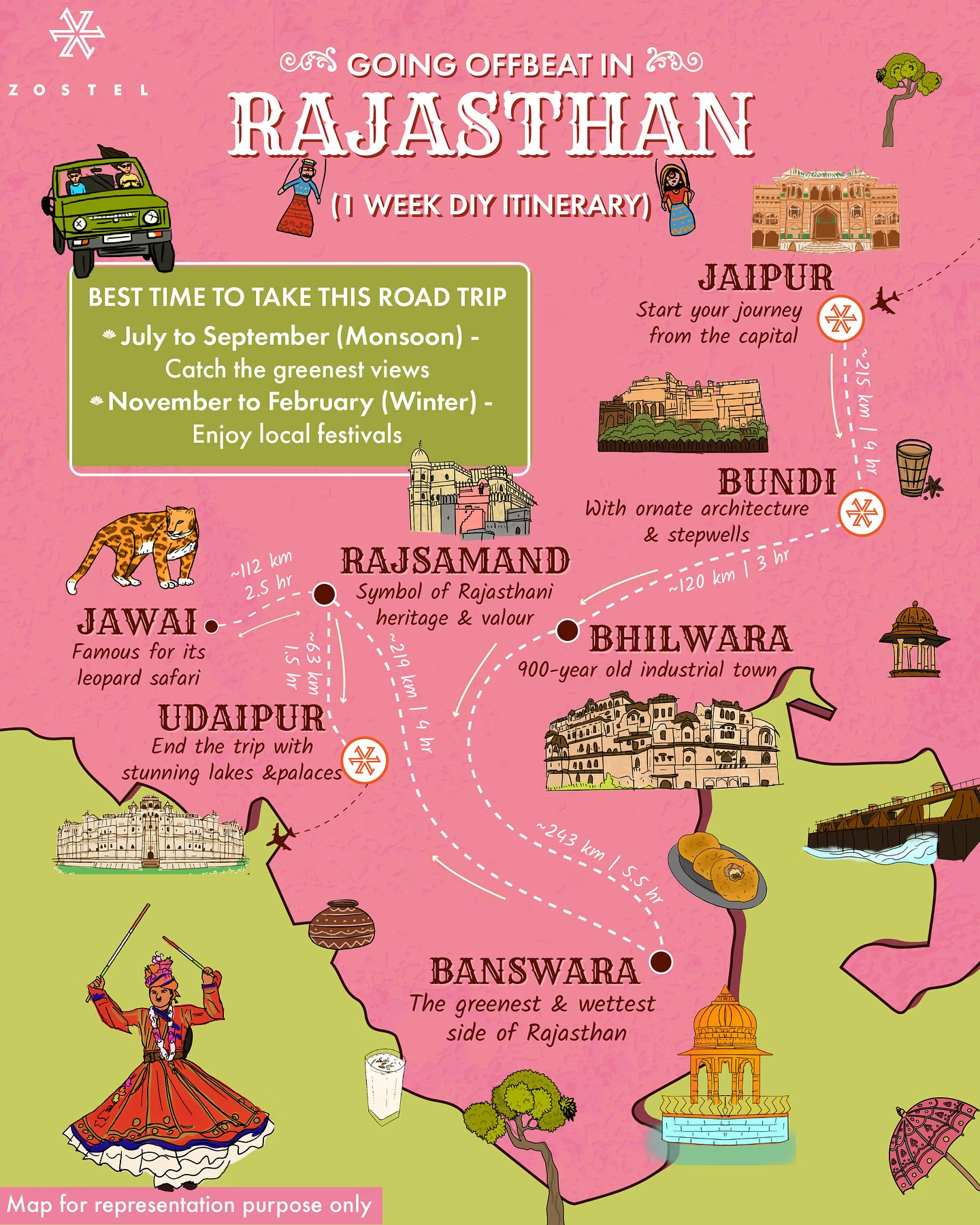
Every standard Rajasthan travel guide outlines the “Golden Triangle India” route. It is famous for a reason. However, the true magic of this state lies just a few hours outside the major cities. Here is how to balance the heavy hitters with hidden gems for your India desert travel.
The Golden Route
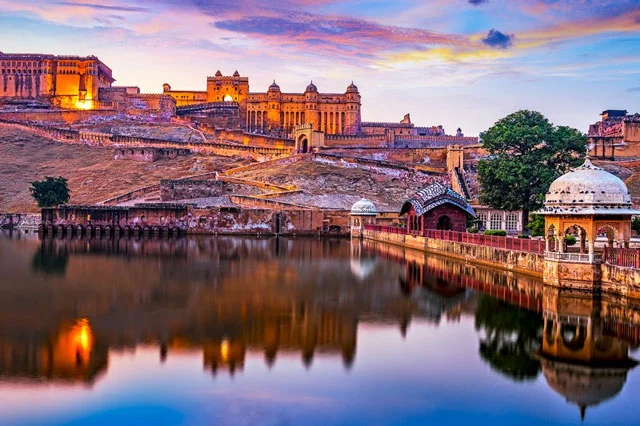
Jaipur: The Pink City. This is usually your starting point. It is frantic, heavily polluted, and absolutely stunning. You must see the Amer Fort, the intricate honeycomb façade of the Hawa Mahal, and the City Palace. Spend two days here, no more.
Jodhpur: The Blue City. Dominated by the imposing Mehrangarh Fort, which is arguably the best-maintained fort in all of India. The audio guide here is exceptional. Wander through the blue-painted alleyways of the old city and hunt for stepwells (baoris).
Udaipur: The City of Lakes. This is the romantic heart of the state. It feels entirely different from the desert cities. Boat rides on Lake Pichola are mandatory. The architecture is pure Mewar brilliance, filled with heritage havelis converted into boutique hotels.
Jaisalmer: The Golden City. Located deep in the Thar Desert near the Pakistan border. The Jaisalmer Fort is a living fort—people still live, work, and run businesses inside its ancient walls. This is your hub for a Thar Desert safari.
Off the Beaten Path
If you want a Rajasthan travel guide that actually shows you something unique, add these to your list:
Shekhawati: Located in northern Rajasthan, this region is an open-air art gallery. Wealthy merchants built massive mansions (havelis) in the 18th and 19th centuries and painted every square inch with intricate frescoes. According to historical records, many of these are slowly crumbling, making it a fleeting marvel to witness.
Jawai: Forget the crowded tiger safaris at Ranthambore. Head to Jawai. Here, wild leopards roam freely among massive granite boulders and actively coexist with the local Rabari herdsmen. It is one of the most unique wildlife experiences on earth.
Bundi: Want the blue city vibe without the massive crowds of Jodhpur? Go to Bundi. It is quiet, crumbling, and packed with ancient stepwells and a stunning, albeit decaying, palace covered in monkey troops.
Suggested Rajasthan Itineraries
How many days do you need? A proper Rajasthan travel guide should offer flexible options. Distances are vast. Trying to cram six cities into a week is a recipe for severe burnout.
The 7-Day Highlights (For Time-Strapped Travelers)
If you only have one week, stick to the classics. Do not attempt to reach Jaisalmer; it is simply too far west.
- Day 1-2: Jaipur. Arrive, explore Amer Fort, City Palace, and watch the sunset at Nahargarh Fort.
- Day 3: Travel to Jodhpur. Hire a driver or take the morning train.
- Day 4: Jodhpur. Explore Mehrangarh Fort, Jaswant Thada, and walk the blue streets.
- Day 5: Drive to Udaipur. Stop at the incredible Ranakpur Jain Temple along the way.
- Day 6-7: Udaipur. Relax by Lake Pichola, visit the City Palace, and fly out from Udaipur airport.
The 14-Day Deep Dive (The Ideal Route)
This is the definitive Rajasthan itinerary. It mixes fast-paced cities with quiet desert retreats.
- Day 1-2: Jaipur. (The essential Rajput architecture intro).
- Day 3: Pushkar. (Drive from Jaipur. See the holy lake and Brahma temple).
- Day 4-5: Jodhpur. (The Blue City exploration).
- Day 6: Jaisalmer City. (Drive deep into the desert. Explore the living fort).
- Day 7: Thar Desert Safari. (Spend a night in a desert camp under the stars).
- Day 8: Jawai. (Drive south. Afternoon leopard safari).
- Day 9: Kumbhalgarh. (Visit the massive fort with the second-longest continuous wall in the world).
- Day 10-12: Udaipur. (Unwind by the lakes, enjoy a cooking class, shop for miniature paintings).
- Day 13-14: Bundi. (Train or drive east. Explore the quiet stepwells before heading back to Delhi).
Rajasthan Travel Costs & Budgeting
Any honest Rajasthan travel guide must talk numbers. India is generally inexpensive, but Rajasthan offers extreme luxury if you want it. Here is what to expect per person, per day:
The Backpacker (₹2,000 – ₹3,000 / $25 – $35 USD): You are staying in hostels (Zostel is a great chain here), eating at local street stalls or dhabas, and taking public buses or sleeper trains. Your biggest expense will be monument entry fees.
The Mid-Range Traveler (₹6,000 – ₹10,000 / $70 – $120 USD): This is the sweet spot. You can stay in stunning, centuries-old heritage havelis with courtyards and swimming pools. You are hiring private drivers for intercity travel and eating at nice rooftop restaurants with fort views.
The Luxury Maharajas (₹25,000+ / $300+ USD): The sky is the limit. Rajasthan is home to some of the world’s best luxury hotels, like the Taj Lake Palace in Udaipur or Umaid Bhawan in Jodhpur. You can easily spend thousands of dollars a night living like actual royalty.
Safety, Scams & Cultural Etiquette
Let’s address the elephant in the room. Scams happen here. A comprehensive Rajasthan travel guide will prepare you so you can confidently wave them off.
Common Tourist Scams in Rajasthan
The Gemstone Export Scam: This usually happens in Jaipur. A friendly local strikes up a conversation. Over a few days, they convince you to help them mail gemstones back to your home country to “avoid export taxes,” promising you a cut. You pay a deposit. The gems are worthless colored glass. Never engage in business propositions with strangers.
The Fake Ticketing Office: In Delhi and Jaipur, auto-rickshaw drivers will tell you the train station is closed, burned down, or requires a special permit. They will drive you to a “government tourist office” which is actually a private travel agency that will overcharge you by 500% for a private car. Walk past everyone straight into the train station.
The “My Uncle’s Shop” Hustle: Your driver or guide will insist on stopping at a specific shop for “looking only, no pressure.” You will be pressured. Just politely decline and state firmly that you do not want to go shopping.
Female Traveler Safety
Rajasthan is highly patriarchal. Female travelers will experience staring. It is annoying, but mostly born out of curiosity rather than malice. Dress conservatively. Cover your shoulders and knees; flowing cotton clothing is perfect for the heat anyway. Avoid wandering in empty alleyways late at night, and always book AC classes on trains so you are with middle-class families rather than in crowded, male-dominated general carriages.
Responsible Tourism
This Rajasthan travel guide explicitly advises against the elephant rides at Amer Fort in Jaipur. The heavy wooden saddles (howdahs) damage their spines, and the training methods are often brutal. Choose to hike up the hill or take a jeep. Support ethical wildlife sanctuaries instead, or focus on seeing animals in the wild on safaris.
What to Eat in Rajasthan
The food here is rich, spicy, and heavily vegetarian due to historical and religious influences. The desert environment means fresh vegetables were traditionally scarce, so locals relied on lentils, beans, and heavy use of ghee (clarified butter). Your Rajasthan travel guide isn’t complete without a food checklist.
Dal Bhati Churma: The state dish. Hard wheat rolls (bhati) baked over a fire, crushed, and drowned in spicy lentil soup (dal) and sweet crumbled wheat (churma).
Laal Maas: A fiery mutton curry originating from the royal kitchens. It gets its brilliant red color from Mathania chilies. Do not attempt this unless you have a high tolerance for spice.
Ghevar: A disc-shaped sweet cake made from flour and soaked in sugar syrup, usually topped with saffron and nuts. It is absolutely delicious and wildly unhealthy.
Frequently Asked Questions
Even with an extensive Rajasthan travel guide, travelers always have a few lingering questions. Let’s clear them up.
Is Rajasthan safe for tourists?
Yes, it is generally very safe. Violent crime against tourists is extremely rare. Your biggest annoyances will be aggressive touts, overcharging, and petty scams. Keep your wits about you, use a reliable TravelMapGuide, and you will be fine.
How many days are enough for a Rajasthan itinerary?
You need a minimum of 7 days to see just the Golden Triangle India highlights (Delhi, Agra, Jaipur) plus one other city. For a proper India desert travel experience, 10 to 14 days is highly recommended to prevent travel fatigue.
Which is better, Jodhpur or Jaisalmer?
They offer entirely different vibes. Jodhpur is a bustling city with the most magnificent fort in the state. Jaisalmer is much smaller, remote, and offers direct access to the Thar Desert sand dunes. If you want a desert camp experience, pick Jaisalmer.
Can I drink the tap water in Rajasthan?
Absolutely not. Do not drink the tap water anywhere in India. Rely on sealed bottled water, or bring a high-quality water purifier bottle (like a Grayl or LifeStraw) to reduce plastic waste.
What should I pack for India desert travel?
Pack light, breathable cotton or linen clothing. Bring a scarf (useful for covering your head in temples or blocking dust), comfortable walking shoes for the forts, and a warm fleece or jacket if traveling between November and February, as desert nights are freezing.
Planning your trip doesn’t have to be overwhelming. Keep this Rajasthan travel guide bookmarked, trust your gut when dealing with touts, and prepare yourself for one of the most visually stunning adventures of your life. The land of kings is waiting.





One Response