You’ve probably seen the iconic photos: vibrant orange torii gates stretching into the mist, graceful geisha slipping down a cobblestone alley, or towering bamboo stalks creating an otherworldly green glow. That’s Kyoto, Japan, a city that effortlessly blends ancient history with serene beauty, but it’s also a place many first-timers find overwhelming to plan.
Forget the generic travel brochures, because this isn’t your average rundown. I’ve spent months wandering Kyoto’s backstreets, sipping matcha in hidden tea houses, and getting delightfully lost among its 1,600 Buddhist temples and 400 Shinto shrines. I’ve seen the magic, and I’ve learned the tricks.
This **Kyoto travel guide** is your secret weapon, a truly useful blueprint designed to help you experience the real Kyoto, whether you’re chasing cherry blossoms, soaking in an onsen, or just want to know where to find the best ramen. We’ll cover everything from tricky etiquette to hidden gems, ensuring your trip is nothing short of spectacular.
Kyoto Travel Guide: Planning Your Unforgettable Journey
Before you even think about which temple to visit first, let’s get the big picture sorted. Planning a trip to Kyoto, or any major Japanese city, really benefits from a bit of foresight. Knowing the best time to visit and how you’ll get around can make all the difference, transforming a good trip into an amazing one.
When to Go: Timing Your Kyoto Adventure for Pure Magic
Kyoto shines brightest in certain seasons, each offering a distinct personality. The “best time” truly depends on what kind of experience you’re hoping for. Consider these factors when picking your dates.
Spring (March-May): Cherry Blossoms and Crowds
Ah, spring in Kyoto! This is when the city truly becomes a living postcard. The cherry blossoms (sakura) typically bloom in late March to early April, painting the city in delicate pink and white hues. It’s absolutely breathtaking, I won’t lie.
However, everyone else knows this too. Expect massive crowds, higher prices for flights and accommodation, and booking everything well in advance. If you dream of seeing the sakura, it’s worth it, but be prepared for the hustle and bustle.
Summer (June-August): Festivals and Humidity
Kyoto summers are hot and humid, with temperatures often climbing into the 90s (30s Celsius). Still, this season also brings some of Japan’s most spectacular festivals, like the Gion Matsuri in July. This ancient festival features huge, ornate floats parading through the city.
If you don’t mind the heat, the vibrant energy of these festivals can be a unique draw. Just remember to hydrate constantly and seek out air-conditioned havens between sightseeing adventures.
Autumn (September-November): Fiery Leaves and Perfect Weather
My personal favorite, autumn in Kyoto is simply stunning. The maple leaves (koyo) turn brilliant shades of red, orange, and gold, especially from mid-November to early December. The weather is generally crisp and clear, perfect for walking and exploring.
It’s another popular season, so you’ll still find crowds, but often a bit less intense than spring. This is an ideal time for photography and enjoying the natural beauty of Kyoto’s many gardens and temples.
Winter (December-February): Serenity and Snow
Winter is the quietest season, offering a more serene and introspective Kyoto experience. While it can be chilly, sometimes even with light snowfall, the fewer tourists mean you can enjoy popular sites like Fushimi Inari Taisha or Kiyomizu-dera with a sense of peace.
The temples look particularly striking dusted with snow. Plus, you’ll find better deals on accommodation. Don’t forget your layers, though!
How to Get to Kyoto Without a Hitch
Kyoto is incredibly well-connected, making it easy to reach from anywhere in Japan. Most international visitors will fly into one of two major airports:
From Narita (NRT) or Haneda (HND) to Kyoto
If you fly into Tokyo’s airports, Narita (NRT) or Haneda (HND), your best bet is the Shinkansen (bullet train). First, you’ll need to get to Tokyo Station. From Narita, the Narita Express (N𠆞X) is direct and comfortable. From Haneda, take the Keikyu Line or Tokyo Monorail to a major JR station.
From Tokyo Station, hop on a Tokaido Shinkansen (Nozomi, Hikari, or Kodama). The Nozomi is the fastest, reaching Kyoto in about 2 hours and 15 minutes. If you have a Japan Rail Pass details, remember it’s not valid on the Nozomi, so you’ll need to take the Hikari or Kodama, which take a bit longer but are still very efficient. You can also explore Tokyo first if you wish.
From Kansai International Airport (KIX) to Kyoto
This is the most direct and convenient option if Kyoto is your first stop in Japan. KIX is Osaka’s main international airport. From KIX, the Haruka Express train takes you directly to Kyoto Station in about 75-80 minutes.
This train is covered by the JR Pass. There are also limousine buses available, which can be useful if you have a lot of luggage, though they can be slower due to traffic.
Getting Around Kyoto: Master the Local Transport
Kyoto’s attractions are spread out, so you’ll definitely be relying on public transport. Understanding the system is key to a smooth Kyoto travel guide experience. Here’s the lowdown:
Buses: Your Best Bet for Iconic Sights
Kyoto’s bus network is extensive and often the most convenient way to reach many temples and districts like Kiyomizu-dera, Gion, or Arashiyama. Fares are usually a flat rate (around 230 JPY per ride within the city center). You pay when you exit, either with exact change or by tapping an IC card (ICOCA, Suica, Pasmo).
The Kyoto City Bus One-Day Pass (700 JPY) is often a great deal if you plan on taking three or more bus rides in a day.
Subway: Quick, But Limited
Kyoto has two subway lines: the Karasuma Line (north-south) and the Tozai Line (east-west). They’re fast and efficient, but they don’t cover as many tourist spots directly as the buses. However, they’re excellent for getting to major hubs like Kyoto Station or connecting between different parts of the city quickly.
Taxis: Convenience at a Price
Taxis are readily available and can be a good option for short distances or when traveling with a group. They’re also handy late at night when buses stop running. However, they can add up quickly, especially if you’re hitting multiple attractions. Most drivers don’t speak much English, so have your destination written in Japanese or use a translation app.
Cycling: Explore Kyoto Like a Local
Kyoto is relatively flat in its central areas, making cycling a fantastic way to explore. You can rent bikes from many shops near Kyoto Station or in popular tourist areas. It offers a unique perspective and allows you to stumble upon hidden cafes and shrines.
Remember to cycle on the left, use lights at night, and park in designated areas. It’s an excellent way to cover a lot of ground in areas like Arashiyama.
Here’s a quick comparison of your main transportation choices:
| Mode | Cost (Avg per ride) | Speed | Coverage | Best For |
|---|---|---|---|---|
| Bus | ~230 JPY (or 700 JPY day pass) | Moderate (traffic dependent) | Extensive, direct to many sites | Sightseeing major attractions, budget-conscious, getting to temples not near subway |
| Subway | ~210-360 JPY | Fast & reliable | Limited routes, good for city hubs | Quick travel between major stations, avoiding traffic |
| Taxi | ~500-1000 JPY+ (base fare 500-600 JPY) | Fast & door-to-door | Anywhere | Short distances, groups, late nights, specific addresses |
| Walking | Free | Slow & leisurely | Limited area | Exploring specific districts (Gion, Higashiyama), discovering hidden spots |
| Cycling | ~1000-1500 JPY (day rental) | Moderate | Central Kyoto, river paths | Independent exploration, active travelers, reaching some less accessible spots |
Where to Stay: Finding Your Perfect Kyoto Home Base
Choosing your accommodation wisely can significantly enhance your Kyoto travel guide experience. Each neighborhood offers a different vibe and different conveniences.
Gion & Higashiyama: Traditional Charm, Tourist Hub
If you’re dreaming of traditional Kyoto, this is it. Staying here means you’re steps away from ancient temples, narrow alleyways, and the chance to spot a geiko or maiko (Kyoto’s geisha). It’s incredibly picturesque but can be pricier and very busy during peak seasons.
Kyoto Station Area: Convenience Central
This area is perfect for efficiency. You’re right at the transportation hub, making day trips to Nara or Osaka incredibly easy. There are plenty of hotels, shops, and restaurants, and it’s very modern. However, it lacks the traditional charm of other districts.
Kawaramachi & Shijo: Shopping and Nightlife
For those who love shopping, modern dining, and a lively atmosphere, this central area is ideal. It’s bustling, well-connected by subway and bus, and offers a huge range of restaurants and entertainment options. It’s a great spot if you’re looking for nightlife in Kyoto.
Arashiyama: Nature’s Retreat
If peace and natural beauty are your priorities, staying in Arashiyama could be a wonderful choice. You’ll wake up right by the Bamboo Grove and Tenryu-ji Temple. It’s further from the city center, so consider travel time if you plan to explore other districts extensively.
Accommodation Types: From Ryokans to Modern Hotels
- Ryokan: A traditional Japanese inn. Staying in a ryokan is an experience in itself, often including a futon on tatami mats, a multi-course kaiseki dinner, and sometimes private onsen baths. It’s a splurge but truly unforgettable.
- Hotels: From luxurious five-star establishments to comfortable business hotels, Kyoto has a full range. Look for places with good access to public transport.
- Machiya: Restored traditional wooden townhouses, often available for rent. They offer a unique, authentic stay with more space and privacy, perfect for families or longer visits.
- Hostels/Guesthouses: Excellent budget-friendly options, especially for solo travelers. They’re great for meeting other travelers and often offer organized activities.
Kyoto Itineraries: Crafting Your Dream Trip
How many days do you really need? That’s the million-dollar question for any Kyoto travel guide! Here are a few itinerary suggestions, from a quick dash to a deeper dive.
Kyoto in a Flash: 1-Day Wonders
If you only have one day (perhaps as a day trip from Osaka), focus on the essentials:
- Morning: Fushimi Inari Taisha. Arrive early (before 8 AM) to beat the crowds and walk through the iconic red torii gates.
- Lunch: Grab some street food near Fushimi Inari or head towards Gion.
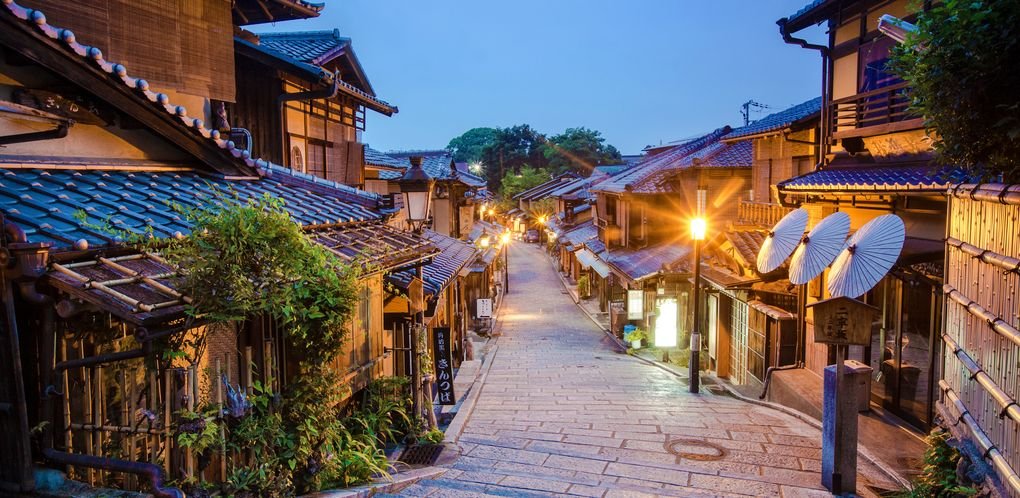
- Afternoon: Explore Higashiyama District. Walk along Sannenzaka and Ninenzaka streets, visit Kiyomizu-dera Temple for panoramic views, and wander through Gion, hoping to spot a geiko.
- Evening: Enjoy a traditional Kyoto dinner in Gion or Pontocho Alley.
Two Days, Two Faces: Traditional & Modern Kyoto
Day 1: East Kyoto & Tradition
- Morning: Start at Kiyomizu-dera Temple, then descend through Higashiyama’s charming streets, exploring shops and cafes.
- Lunch: Enjoy lunch in Gion.
- Afternoon: Wander through Gion, visit Yasaka Shrine, and then explore Nishiki Market for a sensory overload.
- Evening: A traditional Kyoto dining experience, perhaps a multi-course kaiseki meal if your budget allows.
Day 2: West Kyoto & Nature
- Morning: Head to Arashiyama. Explore the Bamboo Grove, visit Tenryu-ji Temple (a UNESCO World Heritage site), and cross the Togetsukyo Bridge. Consider a boat ride on the Hozugawa River.
- Lunch: Try some local Arashiyama specialty like Yudofu (boiled tofu).
- Afternoon: Visit Kinkaku-ji (Golden Pavilion). If time permits, also visit Ryoan-ji’s famous rock garden.
- Evening: Relaxed dinner near your accommodation.
The Perfect Three-Day Kyoto Exploration
Follow the 2-day itinerary, then add a third day for more depth:
Day 3: Shoguns & Serenity
- Morning: Visit Nijo Castle, the former residence of Tokugawa shoguns, known for its “nightingale floors.”
- Lunch: Find a cozy spot near the castle or head towards the Imperial Palace area.
- Afternoon: Explore the Kyoto Imperial Palace grounds (some areas require prior booking, but the park is free to wander). Alternatively, visit the Kyoto Manga Museum (great for families!).
- Evening: Enjoy a cooking class to learn about Kyoto cuisine, or catch a cultural performance.
Four Days or More: Deeper Dives and Hidden Gems
With four days or more, you can really savor Kyoto and venture to some hidden gems or take a fantastic day trip. This is where your Kyoto itinerary can get truly personalized.
- Revisit a favorite spot, perhaps Fushimi Inari at sunset.
- Explore a less-known area like Kurama and Kifune (see “Hidden Gems” below).
- Take a day trip to Nara to see the adorable deer and Todai-ji Temple.
- Indulge in a full-day tea ceremony or learn about traditional crafts.
- Spend more time exploring Nishiki Market, trying all the snacks.
Top Things to Do & See in Kyoto: Unmissable Attractions
Kyoto is bursting with incredible sights. Here are the absolute must-sees for any Kyoto travel guide.
Fushimi Inari Taisha: The Thousand Torii Gates
This is arguably Kyoto’s most iconic image. Thousands of vermillion torii gates wind their way up Mount Inari. It’s an active shrine dedicated to Inari, the Shinto god of rice and sake. The full loop takes about 2-3 hours, but even walking partway is rewarding. Go early (before 8 AM) or late (after 4 PM) for fewer crowds and magical light.
Arashiyama Bamboo Grove & Tenryu-ji Temple
Walking through the soaring bamboo stalks of the Arashiyama Bamboo Grove feels like entering another world. It’s breathtakingly beautiful. Don’t miss Tenryu-ji Temple, a UNESCO World Heritage site right next to the grove, with stunning gardens. Also nearby is the Iwatayama Monkey Park, where you can feed wild monkeys!
Kiyomizu-dera Temple: Iconic Views
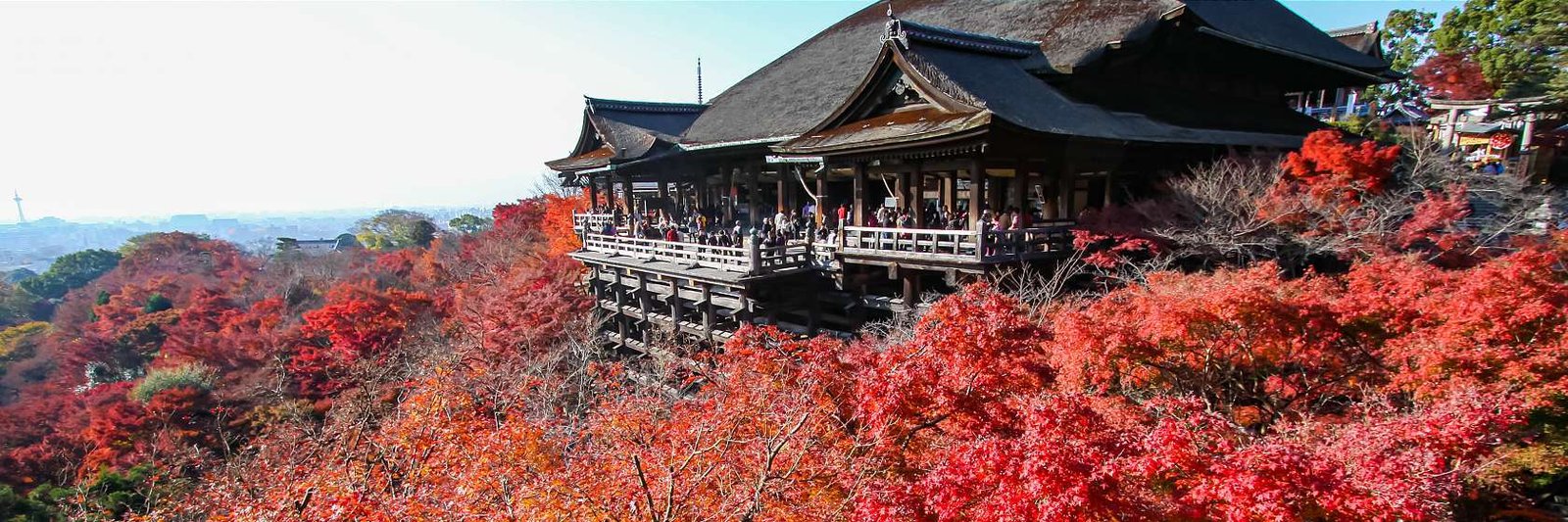
This famous temple, another UNESCO site, offers spectacular views of Kyoto from its large wooden terrace, which is built without a single nail. It’s especially popular during cherry blossom season and autumn leaves. The Otowa Waterfall, where visitors drink for health, longevity, and success, is also here.
Gion District: Geisha Spotting and Old World Charm
Gion is Kyoto’s most famous geisha district. Wander its traditional wooden machiya houses, particularly around Hanami-koji Street, in the early evening for the best chance of spotting a geiko or maiko. Remember to be respectful: no flash photography, and always ask permission if you wish to take a photo. You can learn more about this by referring to a Hong Kong city guide which shares similar principles of respectful tourism.
Kinkaku-ji (Golden Pavilion) & Ginkaku-ji (Silver Pavilion)
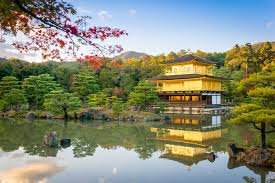
These two temples, while not geographically close, are often visited together. Kinkaku-ji is a stunning Zen temple almost entirely covered in gold leaf, set amidst a beautiful pond. Ginkaku-ji, while not actually silver, offers serene moss gardens and a unique sand garden, embodying a different aesthetic of Wabi-Sabi.
Nijo Castle: Shogun History
A UNESCO World Heritage site, Nijo Castle was built in 1603 as the Kyoto residence of the first Tokugawa Shogun. It’s famous for its “nightingale floors,” which squeak to alert residents of intruders, and its magnificent wall paintings. A fascinating glimpse into Japan’s feudal past.
Ryoan-ji: Zen Rock Garden Serenity
Home to Japan’s most famous rock garden, Ryoan-ji is a place for quiet contemplation. The garden consists of 15 carefully placed rocks on a bed of white gravel, arranged so that from any vantage point, at least one rock is always hidden from view. It’s a simple yet profound experience.
Beyond the Postcards: Kyoto’s Hidden Gems & Unique Experiences
Want to go beyond the usual Kyoto travel guide recommendations? Here are some spots I love that offer a different perspective.
Otagi Nenbutsu-ji Temple: The 1,200 Rakan Statues
Tucked away near Arashiyama, this temple is truly special. It features 1,200 unique Rakan statues (disciples of Buddha), each with its own expression, carved by parishioners under the guidance of sculptor Kocho Nishimura. It’s whimsical, moving, and rarely crowded. It evokes a similar sense of discovery as a Cambodian temple exploration.
Kurama-dera Temple & Kifune Shrine: Mountain Magic
For a dose of nature and spiritual hiking, take a short train ride north to Kurama. You can hike from Kurama-dera Temple (believed to be home to a mythical creature) through a mystical forest to Kifune Shrine, famous for its red lanterns and steps leading up to the shrine. It’s a refreshing escape from the city buzz.
Pontocho Alley: Atmospheric Evenings
While not exactly “hidden,” Pontocho offers a wonderfully atmospheric alternative to Gion for an evening stroll and dinner. This narrow alley runs parallel to the Kamo River and is lined with traditional restaurants, bars, and tea houses, many with balconies overlooking the river. It’s a beautiful spot, especially when lit up at night.
Nishiki Market: Kyoto’s Kitchen
This “kitchen of Kyoto” is a must for foodies. It’s a vibrant, narrow shopping street lined with over a hundred shops and restaurants selling everything from fresh seafood and local produce to traditional Japanese sweets and pickles. Come hungry and ready to sample everything!
Eating & Drinking in Kyoto: A Culinary Journey
Kyoto cuisine is refined and often focuses on seasonal ingredients. Get ready to tempt your taste buds.
Kyoto Cuisine: Kaiseki, Tofu, & Matcha
- Kaiseki: This is a traditional multi-course Japanese dinner, emphasizing seasonal ingredients, meticulous preparation, and beautiful presentation. It’s an art form and can be quite expensive, but it’s an incredible experience.
- Yudofu (Boiled Tofu): Especially popular in areas like Arashiyama, this simple dish highlights the delicate flavor and texture of fresh tofu.
- Matcha: Kyoto is famous for its green tea. Enjoy a traditional tea ceremony, visit a matcha cafe, or try matcha-flavored desserts and sweets.
- Ramen & Udon: You’ll find excellent ramen shops all over Kyoto, from rich tonkotsu to lighter shoyu broths. Udon (thick wheat noodles) is another popular comfort food.
Restaurant Recommendations & Budget Tips
For budget eats, look for ramen shops, udon noodle houses, and casual eateries around Kyoto Station or in the Kawaramachi area. Department store basements (depachika) offer amazing take-out options, perfect for a picnic. For mid-range, explore Pontocho or the side streets of Gion. For a splurge, consider a ryokan stay that includes dinner or a dedicated kaiseki restaurant.
Don’t be afraid to try small, local places that might not have English menus; a quick Google Translate scan can often help you find delicious, authentic food. This is a common tip that even a Hanoi city guide would share.
Day Trips from Kyoto: Expand Your Horizons
Kyoto’s central location makes it an ideal base for exploring other fascinating parts of Japan. A good Kyoto travel guide should always include these options.
Nara: Deer Parks and Giant Buddhas
Just a 45-minute train ride away, Nara is famous for its friendly, bowing wild deer that roam Nara Park. Here you’ll also find Todai-ji Temple, home to a massive bronze Buddha statue, and Kasuga Taisha Shrine, with thousands of lanterns. It’s a charming and easily manageable day trip.
Osaka: Foodie Paradise and Modern City Vibes
Only 15-30 minutes by train, Osaka offers a stark contrast to Kyoto’s tranquility. It’s a bustling, modern metropolis renowned for its vibrant food scene (“Kuidaore” or “eat until you drop”). Explore Dotonbori for neon lights and street food, visit Osaka Castle, or head to Universal Studios Japan. A day trip here really rounds out your Japan experience, similar to how you might discover Bali for a different vibe.
Hiroshima & Miyajima: History and Iconic Views
While a longer day trip (about 1.5-2 hours by Shinkansen each way), it’s absolutely doable and incredibly rewarding. Visit the Peace Memorial Park and Museum in Hiroshima for a poignant look at history. Then, take a ferry to Miyajima Island to see the iconic “floating” torii gate of Itsukushima Shrine. It’s a powerful and beautiful experience.
Essential Tips for First-Time Visitors: Travel Smart
To make your Kyoto trip as smooth as possible, here are some invaluable tips. This Kyoto travel guide aims to cover all the bases.
Cultural Etiquette & Temple Manners
Respect is paramount in Japan. A little effort to understand local customs goes a long way and will be genuinely appreciated.
- Temples & Shrines: Take off your shoes before entering temple halls. Remain quiet and respectful. Do not take photos in areas where it’s prohibited (look for signs). At Shinto shrines, purify your hands and mouth at the chozuya (water basin) before approaching the main hall.
- Public Transport: Keep your phone on silent mode (or vibrate) and avoid talking loudly. Eating and drinking are generally frowned upon. Offer your seat to the elderly or pregnant.
- General: Don’t tip in Japan; it can be considered rude. Bowing is common; a slight nod is usually sufficient for tourists. Be punctual.
- Onsen (Hot Springs): Wash thoroughly before entering the bath. Tattoos are often prohibited or require covers (check policies). No swimsuits.
Budgeting for Your Kyoto Trip
Kyoto can be as expensive or as affordable as you make it. Here’s a rough breakdown:
- Budget Backpacker (60-90 USD/day): Stay in hostels (20-40 USD), eat convenience store food (onigiri, instant ramen, bento boxes) or cheap local eateries (5-10 USD/meal). Use bus day passes for transport. Entrance fees for major temples (3-7 USD each).
- Mid-Range Traveler (120-200 USD/day): Stay in business hotels or guesthouses (60-120 USD). Enjoy a mix of casual restaurants and a few nicer meals (10-25 USD/meal). Utilize public transport, maybe a few taxis. Attend a tea ceremony or cooking class.
- Luxury Traveler (300+ USD/day): Stay in high-end hotels, traditional ryokans, or machiya rentals (150-500+ USD). Indulge in kaiseki dinners (50-150+ USD/meal). Use taxis more frequently, perhaps even a private guide. Enjoy exclusive cultural experiences.
These figures exclude international flights. The biggest cost variables are accommodation and dining choices.
Packing Essentials: What to Bring
- Comfortable Walking Shoes: You’ll be doing a lot of walking!
- Layers: Especially in spring and autumn, temperatures can vary.
- Small Umbrella/Rain Jacket: Rain can happen anytime.
- Portable Charger: For your phone’s map and camera.
- Cash (JPY): While cards are accepted, many smaller shops and temples prefer cash.
- Universal Adapter: For charging your electronics.
- Reusable Water Bottle: Stay hydrated!
Language Barriers & Handy Phrases
Don’t worry too much about language; most major tourist spots have English signage, and staff often speak basic English. However, knowing a few phrases is helpful:
- Hello: Konnichiwa
- Thank you: Arigato gozaimasu
- Excuse me/Sorry: Sumimasen
- Yes/No: Hai/Iie
- Do you speak English?: Eigo ga hanasemasu ka?
Download Google Translate’s Japanese offline pack. It’s a lifesaver for menus and signs, much like when exploring a charming Hoi An market.
Accessibility in Kyoto
Kyoto is generally more accessible than some other older Japanese cities, but challenges remain. Many major train stations have elevators and accessible restrooms. Newer buses are often equipped with ramps. However, older temples and shrines often have steps, gravel paths, and uneven surfaces.
- Accessible Sites: Kiyomizu-dera (main hall is accessible via a slope), Fushimi Inari (lower paths are flat and accessible), Kyoto Railway Museum, Kyoto Aquarium.
- Resources: Check websites like Accessible Japan for detailed information on specific attractions and transportation.
Solo Travel in Kyoto: Safety & Socializing
Kyoto is incredibly safe for solo travelers, even at night. You’ll feel very comfortable exploring on your own. It’s a great place for self-reflection and soaking in culture. To meet people, stay in guesthouses with common areas, join a walking tour, or participate in cultural experiences like cooking classes or tea ceremonies.
Traveling with Kids in Kyoto: Family-Friendly Fun
Kyoto offers plenty for families! Kids will love the deer in Nara (a day trip), the monkeys in Arashiyama, and the hands-on exhibits at the Kyoto Railway Museum. Consider a kimono rental for a fun photo op. Many restaurants cater to families, and public transport is reliable. Just be prepared for a lot of walking and maybe bring a compact stroller.
Dealing with Travel Issues: Medical & Lost Items
In case of a medical emergency, dial 119 for an ambulance or 110 for police. Many hotels can help you find an English-speaking doctor or clinic. For lost items, check with the nearest police box (koban) or the lost and found office at train stations. Always have travel insurance!
Festivals & Events Through the Year
Kyoto’s festival calendar is packed!
- January: Hatsumode (first shrine visit of the year)
- May: Aoi Matsuri (Hollyhock Festival), one of Kyoto’s three biggest festivals, featuring an elegant procession.
- July: Gion Matsuri, a month-long celebration culminating in grand float parades.
- August: Gozan Okuribi (Daimonji), where huge bonfires in the shape of kanji characters are lit on mountainsides.
- October: Jidai Matsuri (Festival of Ages), a historical parade showcasing costumes from different periods of Japanese history.
Check local tourism sites for exact dates and details, as these can vary slightly each year.
Frequently Asked Questions
What is the best time of year to visit Kyoto?
The best times are spring (late March to early April) for cherry blossoms and autumn (mid-November to early December) for vibrant fall foliage. Both offer pleasant weather but are also the busiest. If you prefer fewer crowds and cooler temperatures, winter (December-February) can be beautiful, especially if you experience light snowfall.
How many days are enough to explore Kyoto?
For a first-time visitor, three to four full days in Kyoto is ideal. This allows you to cover the major attractions, explore different districts, and perhaps even fit in a day trip to Nara or Osaka. If you have less time, a concentrated two-day Kyoto itinerary is still very rewarding.
What are the top must-see sights in Kyoto for a first-time visitor?
For a first-timer, definitely prioritize Fushimi Inari Taisha (torii gates), Kiyomizu-dera Temple (views), Arashiyama Bamboo Grove, Kinkaku-ji (Golden Pavilion), and a stroll through the Gion District. These offer a fantastic overview of Kyoto’s iconic beauty and culture.
What are the best ways to get around Kyoto?
The best way to get around Kyoto is by combining buses and the subway. Buses offer extensive coverage to many attractions, while the subway is fast for longer distances between major hubs. Consider a bus day pass if you plan multiple rides. Taxis are convenient but more expensive.
Is Kyoto an expensive city to visit?
Kyoto can be as expensive or as affordable as you make it. Accommodation is usually the biggest cost, but hostels and business hotels offer budget-friendly options. Food can be inexpensive if you eat at casual eateries or convenience stores, but fine dining, like kaiseki, can be a splurge. Public transport is very affordable.
What traditional foods should I try when visiting Kyoto?
When in Kyoto, you absolutely must try kaiseki cuisine for a refined culinary experience, yudofu (boiled tofu) for a taste of local simplicity, and of course, matcha tea and its related sweets. Also, explore Nishiki Market for local street food and traditional snacks like yatsuhashi (sweet mochi).
So, there you have it. Kyoto isn’t just a destination; it’s an experience, a journey back in time, and an immersion in unparalleled beauty and tradition. With this Kyoto travel guide in hand, you’re not just planning a trip; you’re crafting memories that will last a lifetime. Go forth, explore, and let Kyoto enchant you!