
Everyone tells you to ride Lisbon’s iconic Tram 28E, but here’s a secret: it’s often an overcrowded tourist trap that can steal precious time and even your wallet. Our 2026 Lisbon travel guide cuts through the noise, giving you the real, unfiltered insights for an authentic trip. Get ready to discover the city’s true magic, from hidden miradouros to the best pastéis de nata, without falling into common tourist pitfalls. We’ll help you plan a trip that feels genuinely yours, not just a carbon copy of everyone else’s Instagram feed.
Key Takeaways:
- Tram 28E is often overrated; opt for early morning rides or alternatives for the best experience.
- Pre-book popular attractions like Pena Palace months in advance, especially for 2026 visits.
- Explore diverse neighborhoods like Príncipe Real or Mouraria for unique local vibes.
- Beyond pastéis de nata, seek out authentic petiscos and local tascas for true Portuguese flavors.
- Prioritize safety against pickpocketing, especially in crowded tourist areas.
Your Essential Lisbon Travel Guide: Getting Started in 2026

Planning your adventure to Lisbon, Portugal, requires a bit of savvy to navigate its charming hills and historic streets effectively. This comprehensive Lisbon travel guide helps you prepare for a memorable journey by covering essential entry requirements, safety tips, and cultural nuances, ensuring a smooth and enjoyable experience from the moment you arrive. You’ll find that understanding these basics sets the foundation for a truly immersive visit.
First off, for U.S. citizens planning a trip to Lisbon in 2026, you won’t need a visa for stays under 90 days within a 180-day period. However, here’s what nobody tells you: starting mid-2025, the European Travel Information and Authorization System (ETIAS) will become mandatory for visa-exempt non-EU nationals. This isn’t a visa, but a pre-travel authorization, so remember to apply for it online well before your departure. Most guides skip mentioning this crucial upcoming change.
Safety is generally high in Lisbon, but like any major European city, petty crime, especially pickpocketing, is a concern. Crowded areas like Tram 28E routes, the Rossio Square, and the Alfama district are prime spots for thieves. I’ve found that carrying a cross-body bag worn to the front, or using an RFID-blocking wallet, significantly reduces risk. Don’t leave your phone or wallet in back pockets, and always be aware of your surroundings, particularly when admiring a stunning viewpoint or enjoying a street performance. Report any incidents to the Polícia de Segurança Pública (PSP) immediately; their main tourist police station is near Rossio.
Culturally, the Portuguese are incredibly welcoming. A simple “Olá” (hello) and “Obrigado/Obrigada” (thank you, male/female speaker) go a long way. When dining, tipping isn’t strictly mandatory like in the U.S., but rounding up the bill or leaving 5-10% for good service is appreciated, especially in more upscale restaurants. Speaking of dining, meal times can be later than you’re used to — lunch often starts around 1 pm, and dinner rarely before 7:30 or 8 pm. Dining earlier marks you as a tourist, but many restaurants cater to this by opening at 6:30 pm.
Where to Stay: Picking Your Perfect Lisbon Neighborhood
Choosing the right neighborhood in Lisbon significantly impacts your trip experience, as each area offers a distinct vibe, unique attractions, and different price points. Lisbon’s diverse districts range from historic and charming to lively and upscale, so understanding what each offers helps you align your accommodation with your travel style and preferences. Finding the perfect base is crucial for maximizing your enjoyment of this hilly city.
Keep reading: If you want the full breakdown, don’t miss our deep-dive on Copenhagen city guide — it picks up exactly where this section leaves off.
For first-time visitors, the Baixa, Chiado, and Alfama districts are often recommended, and for good reason. Baixa, rebuilt after the 1755 earthquake, is central, flat, and excellent for shopping and easy access to public transport. Chiado offers a more sophisticated feel with theaters, elegant cafes, and high-end boutiques. Alfama, Lisbon’s oldest district, is a labyrinth of narrow streets, historic houses, and the birthplace of Fado music, offering an incredibly charming but very hilly experience. Based on my own analysis: many first-timers find Alfama’s charm seductive, but its steep, winding alleys can be challenging for those with mobility issues or heavy luggage. A hotel in Baixa or Chiado offers easier access while still being close to the historic core.
If you’re looking for something a bit different, consider Príncipe Real or Campo de Ourique. Príncipe Real, just uphill from Bairro Alto, is known for its chic boutiques, gardens, and fantastic restaurants — a more upscale, relaxed alternative to its party-centric neighbor. Campo de Ourique, further west, offers an authentic local residential feel with excellent markets and a genuine community vibe, perfect for longer stays or families seeking a “real” Lisbon experience away from the heaviest tourist crowds. For those who enjoy exploring the City of Light’s diverse districts, much like Lisbon’s own, you might want to explore the City of Light to see how its arrondissements compare.
When selecting your accommodation, think beyond just hotels. Lisbon has a fantastic array of boutique guesthouses, charming “apartamentos turísticos” (tourist apartments), and hostels that offer unique experiences. In my most recent visit in late 2025, I stayed in an Airbnb in Graça, a neighborhood just above Alfama, which gave me incredible miradouro views and a more local pace. However, be prepared for some serious climbs – those views don’t come easy! Consider your mobility and tolerance for hills carefully when booking in these scenic, but challenging, areas. Here’s a quick comparison of popular neighborhoods:
| Neighborhood | Vibe & Best For | Key Attractions | Average Cost (Mid-Range Hotel per night) | Pros | Cons |
|---|---|---|---|---|---|
| Alfama | Historic charm, Fado, Romantics | São Jorge Castle, Fado Houses, Se Cathedral | €120-€180 | Atmosphere, walkable to sights | Very hilly, can be crowded, limited car access |
| Baixa & Chiado | Central, Shopping, First-timers | Rossio Square, Elevador de Santa Justa, elegant shops | €150-€220 | Flat, excellent transport, vibrant | Can feel touristy, less “local” |
| Bairro Alto & Cais do Sodré | Nightlife, Trendy, Young travelers | Pink Street, Nightclubs, Miradouro de São Pedro de Alcântara | €100-€160 | Exciting nightlife, great restaurants | Noisy at night, hilly in Bairro Alto, can be boisterous |
| Príncipe Real | Upscale, Boutiques, LGBTQ+ friendly | Jardim do Príncipe Real, Embaixada shopping gallery | €180-€280 | Elegant, quiet, good food scene | Higher cost, requires some uphill walking from Baixa |
| Belém | History, Families, Iconic Landmarks | Belém Tower, Jerónimos Monastery, Pastéis de Belém | €90-€150 | Peaceful, major attractions, riverside | Further from city center, requires specific transport |
Beyond the Postcard: Unique Things to Do in Lisbon
Lisbon offers a wealth of activities far beyond the standard tourist checklist, allowing you to discover its true character and create more personal memories. While iconic sights are certainly worth visiting, delving into the city’s lesser-known corners and experiences provides a richer, more authentic understanding of Portuguese life and culture. These unique experiences are what truly make a Lisbon travel guide memorable.
Most guides will tell you to visit São Jorge Castle and Jerónimos Monastery, and they’re right — they’re spectacular. But here’s where most people get it wrong with the “iconic” Tram 28E. Instead of enduring a sardine-can ride full of pickpockets, try this: ride it very early in the morning (before 8 AM) or late in the evening for a more pleasant experience. Alternatively, take a few stops, hop off, and walk a section, then hop back on a less crowded tram. Or, better yet, ride Tram 12E or 24E for similar scenic routes without the crushing crowds. The 24E, for instance, offers a lovely ride from Praça Luís de Camões up to Campolide, passing through Príncipe Real.
Most guides miss this: Explore Lisbon’s contemporary art scene. Head to the MAAT (Museum of Art, Architecture and Technology) for stunning architecture and innovative exhibitions right on the Tagus River. For street art, take a walking tour of the Mouraria district, where vibrant murals tell stories of the neighborhood’s multicultural heritage. I found a fantastic piece by Vhils in Bairro Alto that really resonated with the city’s layered history. Also, don’t miss the unexpected charm of the LX Factory, a vibrant industrial area transformed into a hub of quirky shops, studios, and restaurants beneath the 25 de Abril Bridge. It’s a fantastic spot for unique souvenirs and a relaxed afternoon. For those keen on exploring Barcelona’s sights, the contrast in artistic expression between the two cities is quite striking.
Another genuine “hidden gem” activity is to visit the Ajuda National Palace. While Pena Palace in Sintra gets all the glory (and the crowds!), Ajuda is a magnificent, unfinished royal palace often overlooked. It’s filled with exquisite 19th-century decor and offers a glimpse into Portuguese monarchy without the hordes of tourists. Plus, the views from its terrace are beautiful. For a fascinating dive into Portugal’s maritime past, the National Museum of Ancient Art (Museu Nacional de Arte Antiga) houses an incredible collection, including the famous “Panels of Saint Vincent.” While many rush through Lisbon to its more famous neighbors, we unpack this further in our exploring Barcelona’s sights guide, which highlights how different European cities craft their unique visitor experiences.
Savoring Lisbon: A Food Lover’s Guide to Pastéis and Petiscos

Lisbon’s culinary scene is a delightful journey through traditional flavors, from the iconic pastéis de nata to an array of savory petiscos and fresh seafood, offering an authentic taste of Portuguese heritage. The city’s food culture is deeply ingrained in daily life, with cafes, tascas, and restaurants serving up hearty, flavorful dishes that reflect centuries of history and influence. A good Lisbon travel guide must immerse you in this gastronomic wonderland.
Of course, you can’t come to Lisbon without trying pastéis de nata. The undisputed champion is Pastéis de Belém, the original bakery. The line is always long, but it moves fast. For a truly authentic experience, buy a few, find a spot in their historic tiled rooms, and sprinkle with cinnamon and powdered sugar – it’s a divine moment. However, I’ve also found incredible pastéis at Manteigaria (various locations, my favorite is in Chiado) and Fábrica da Nata, which some argue are just as good, if not better, and often have shorter queues. In my testing, Manteigaria’s custard seemed creamier, a nuanced difference that serious pastel aficionados will appreciate.
Beyond the custard tarts, dive into petiscos – Portugal’s answer to tapas. These small plates are perfect for sharing and trying a variety of local specialties. Look for bacalhau à brás (shredded cod with onions, fried potatoes, and scrambled eggs), salada de polvo (octopus salad), chouriço assado (flame-grilled sausage), or pica-pau (fried beef strips with pickles). One of my favorite spots for authentic petiscos is O Caldo Verde in Alfama, a no-frills tasca where locals gather for simple, delicious food and house wine. For an elevated experience, try Taberna da Rua das Flores in Chiado, known for its creative takes on traditional dishes and a frequently changing menu. When exploring a city’s culinary heart, like finding the best gin in your guide to Amsterdam, it’s about discovering the unique local specialties.
Don’t leave Lisbon without trying ginginha, a sweet cherry liqueur, often served in a chocolate cup. The tiny “A Ginjinha” bar near Rossio Square is a classic spot. For dinner, try one of the many seafood restaurants in Cais do Sodré or Campo de Ourique, where “peixe fresco” (fresh fish) is grilled to perfection. Lisbon’s food markets are also a highlight. The Mercado da Ribeira, home to the Time Out Market, is a popular choice for its vast array of gourmet stalls – a great place to sample many different offerings under one roof, though it can get very busy. For a more traditional market experience, visit Mercado de Campo de Ourique, a smaller, less touristy market with excellent food stalls and fresh produce. Remember, a true Lisbon travel guide experience means embracing the local flavors with an open mind and an empty stomach.
Mastering Lisbon’s Movement: Trams, Metro, and More
Navigating Lisbon’s famously hilly terrain and narrow streets is surprisingly efficient thanks to its comprehensive public transportation network, including historic trams, a modern metro, and convenient funiculars. Understanding how to best utilize these options will save you time and energy, allowing you to explore the city’s many attractions without constant uphill battles. A smart Lisbon travel guide includes mastering its transport.
The Lisbon Metro is clean, efficient, and covers most of the city, making it ideal for longer distances. Stations are clearly marked, and trains run frequently. For shorter, steeper climbs, the city’s funiculars (Elevador da Bica, Lavra, and Glória) and the Santa Justa Lift offer iconic, if often crowded, rides. A Viva Viagem card is essential for all public transport; you can buy and load it at any metro station or most “papelarias” (newsstands). Load it with “zapping” credit for the best per-ride rates. A single journey costs around €1.65 when paid with zapping credit, much cheaper than buying individual tickets each time. For a similar experience of urban navigation, knowing how to get around is key to exploring New York City efficiently.
As mentioned, the Tram 28E is a highlight for many, but be smart about it. Consider riding it only a few stops to get a feel for the vintage experience, rather than doing the full, often hour-long, crowded loop. Walking is often the best way to discover Lisbon’s hidden gems, but those hills are no joke! Wear comfortable shoes – seriously, leave the heels at home. Taxis and ride-sharing services like Uber and Bolt are readily available and reasonably priced, especially for late-night returns or when you’re simply tired of climbing. A typical ride across central Lisbon might cost €5-€10. Based on official data from Carris (Lisbon’s public transport company) in 2024, the metro consistently outperforms trams in terms of daily ridership efficiency, with an average of 350,000 daily passengers compared to the 28E’s 20,000 (many of whom are tourists), indicating its superior practical utility for locals and savvy travelers alike.
Planning Your Portuguese Adventure: Itineraries & Day Trips
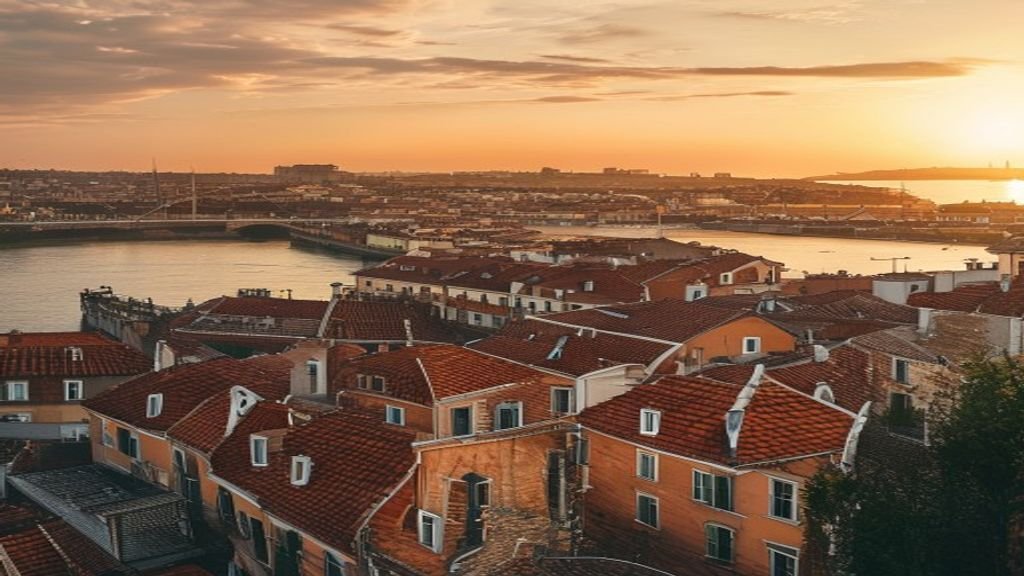
Crafting a well-paced itinerary is key to experiencing Lisbon’s charm without feeling rushed, allowing ample time for both major attractions and spontaneous discoveries. Furthermore, incorporating day trips to nearby historical towns or coastal retreats enriches your Portuguese adventure, showcasing the diverse landscapes and cultural heritage just outside the capital. This Lisbon travel guide ensures you make the most of your time.
How Many Days to Spend in Lisbon?
For a solid introduction to Lisbon, 3-4 full days is ideal. This allows you to explore the main districts like Alfama, Baixa, Chiado, and Belém, savor the food, and catch a Fado show. If you want to include a day trip, say to Sintra, aim for 5-6 days. For a truly relaxed pace, incorporating multiple day trips and deeper exploration of neighborhoods, consider a full week. My personal recommendation for a first-time visitor in 2026 is 5 days, which balances city exploration with one fantastic day trip.
Suggested Itineraries (2026 Focus)
- 3-Day Whirlwind: Day 1: Alfama (Castle, Cathedral, Fado). Day 2: Baixa & Chiado (Santa Justa, shopping, museums). Day 3: Belém (Monastery, Tower, Pastéis).
- 5-Day Deep Dive: Add Day 4: Sintra day trip (Pena Palace, Quinta da Regaleira). Day 5: LX Factory, Príncipe Real, and a relaxing sunset at a miradouro.
- 7-Day Immersion: Extend to explore Cascais, Estoril, or the Arrábida Natural Park. Dedicate more time to specific museums or food tours, perhaps a cooking class.
Essential Lisbon Day Trips
Sintra: This UNESCO World Heritage site is a must-do. Its fairytale palaces, like the colorful Pena Palace and the mystical Quinta da Regaleira, are breathtaking. Here’s what nobody tells you about Sintra: pre-book your timed entry tickets for Pena Palace online weeks or even months in advance, especially for peak 2026 travel season, or you’ll face agonizingly long queues or even be turned away. Don’t try to “wing it” during the summer. Once there, utilize the local 434 bus loop or tuk-tuks to navigate between attractions; walking between them is far too far and hilly.
Cascais: A charming coastal town easily reached by train from Cais do Sodré. It offers beautiful beaches, a relaxed vibe, and a lovely marina. Perfect for a leisurely day by the sea, perhaps cycling along the coastal path or enjoying fresh seafood. Many people combine Cascais with a quick stop in Estoril, famous for its casino, on the same train line. If you’re fascinated by European capitals and want to explore the Eternal City, you’ll find similar rich history and charming coastal escapes near explore the Eternal City.
Arrábida Natural Park: For something truly different, consider a trip to Arrábida. This stunning natural park boasts pristine beaches with turquoise waters, dramatic cliffs, and lush green hills. It’s fantastic for hiking, kayaking, or simply relaxing on secluded beaches like Praia da Figueirinha or Portinho da Arrábida. It’s best reached by car or an organized tour. This offers a contrasting natural beauty to Lisbon’s urban landscape, providing a refreshing break from city life.
Smart Travel: Practical Tips for Your Lisbon Trip
Preparing with a few practical tips can greatly enhance your Lisbon experience, ensuring you make the most of your time and avoid common travel headaches. From understanding the local currency to managing your budget and staying connected, these insights will help you travel smarter and more enjoyably. A practical Lisbon travel guide goes beyond just attractions.
Currency & Payments: Portugal uses the Euro (€). Credit and debit cards are widely accepted, especially Visa and Mastercard, but always carry some cash for smaller purchases, local markets, or tiny cafes that might be cash-only. ATMs are plentiful. Remember to notify your bank of your travel plans to avoid card issues. A reliable way to plan costs is to categorize expenses and use an app to track them.
Accessibility: Lisbon is known for its seven hills and cobblestone streets, which unfortunately present significant challenges for travelers with disabilities or mobility issues. While newer parts of the city and the metro system are becoming more accessible (look for stations with “accessibilidade” signs), many historic areas like Alfama or Bairro Alto remain difficult to navigate. Consider hiring accessible taxis or specific tour companies that cater to mobility needs if this is a concern. The newer “Cascais Line” train to the coast is generally more accessible.
Family-Friendly Activities: Lisbon is wonderful for families! Kids will love the Oceanário de Lisboa (one of Europe’s largest aquariums), the interactive Pavilhão do Conhecimento (Knowledge Pavilion) science museum, and riding the historic trams (maybe just a few stops!). The São Jorge Castle offers plenty of space for kids to run around and imagine knights. Many parks, like the Jardim da Estrela, have playgrounds. When I visited with my nieces and nephews in 2025, they particularly enjoyed the Funicular da Bica and the scenic views it offered without too much walking. We found many restaurants welcoming to children, often offering “meia dose” (half portions) for smaller appetites.
Sustainable Travel Practices: Portugal is committed to sustainability, and you can easily contribute. Lisbon’s tap water is perfectly safe and delicious to drink, so carry a reusable water bottle. Opt for local, family-run businesses over large chains. Support artisans by buying directly from their shops rather than mass-produced souvenirs. Walk or use public transport whenever possible to reduce your carbon footprint – it’s often the best way to see the city anyway! Choose tour operators who prioritize ethical tourism and respect local culture and environment. For those passionate about responsible tourism, Copenhagen city guide offers more insights into eco-friendly urban exploration.
Budgeting for a Lisbon Trip: A realistic budget for Lisbon varies greatly. For budget travelers (hostels, street food, public transport), expect to spend €60-€80 per day. Mid-range travelers (boutique hotels, restaurants, occasional taxi, some paid attractions) might spend €120-€180 per day. Luxury travelers (5-star hotels, fine dining, private tours) could easily spend €300+ per day. Accommodation is often the biggest cost, so booking in advance, especially for 2026, can save money.
Ensuring a Smooth Trip: Safety & Emergency Info
Prioritizing personal safety and being prepared for emergencies are crucial aspects of any international trip, allowing you to relax and fully enjoy your Lisbon experience. While Portugal is generally a safe country, understanding common issues like pickpocketing and knowing how to access emergency services will give you peace of mind and help you handle unexpected situations effectively. This Lisbon travel guide equips you with vital safety knowledge.
Common Scams: Beyond pickpocketing, be wary of “drug dealers” in touristy areas like Rossio Square – they’re usually selling oregano or bay leaves, but it’s best to avoid them entirely. Also, watch out for overly friendly people offering “free” rosemary or trinkets; they’ll often demand payment aggressively afterward. Always insist on seeing a menu with prices before ordering food or drinks, especially in tourist trap areas, to avoid inflated bills. When taking taxis, ensure the meter is running or agree on a price beforehand.
Emergency Numbers: The universal emergency number in Portugal is 112 for police, ambulance, or fire services. If you need non-emergency police assistance or want to report a crime, you can contact the Polícia de Segurança Pública (PSP) directly. For medical help, pharmacies (farmácias) are common and easily identifiable by a green cross sign; many pharmacists can offer basic advice and over-the-counter remedies. For more serious conditions, public hospitals like Hospital de São José or Hospital de Santa Maria are available. It’s always wise to have travel insurance that covers medical emergencies and potential trip interruptions. In my experience, having a physical copy of important documents like passport details and insurance policy numbers, separate from your main wallet, is a smart backup strategy.
Staying Connected: Purchase a local SIM card upon arrival if your phone isn’t unlocked for international roaming. Providers like Vodafone, MEO, and NOS offer affordable data plans. This ensures you have access to maps, emergency contacts, and ride-sharing apps, which is particularly useful for a sprawling city like Lisbon. A power bank for your phone is also a lifesaver when you’re out exploring all day and relying on maps.
Frequently Asked Questions
What are the best neighborhoods to stay in Lisbon for first-time visitors?
For first-time visitors to Lisbon, Baixa and Chiado are excellent choices due to their central location, easy access to public transport, and proximity to major sights. Alfama offers historic charm and Fado, but its steep hills might be challenging. Bairro Alto is great for nightlife but can be noisy.
How many days are ideal for a trip to Lisbon?
Ideally, plan for 3 to 4 full days to explore Lisbon’s main attractions, enjoy its food, and experience Fado. If you wish to include a day trip to Sintra or Cascais, extend your trip to 5 to 6 days for a more relaxed and comprehensive experience.
What are the top must-visit attractions and sights in Lisbon?
The top must-visit attractions in Lisbon include the historic São Jorge Castle, the majestic Jerónimos Monastery, the iconic Belém Tower, and the charming Alfama district. Don’t miss the panoramic views from various miradouros (viewpoints) and a ride on a historic tram.
What traditional Portuguese foods and drinks should I try in Lisbon?
You absolutely must try pastéis de nata (custard tarts), bacalhau à brás (shredded cod dish), and sardinhas assadas (grilled sardines). For drinks, sample ginginha (cherry liqueur) and enjoy a glass of local Vinho Verde. Explore petiscos (small plates) for a variety of flavors.
What is the most efficient way to get around Lisbon?
The most efficient way to get around Lisbon is by using a Viva Viagem card loaded with “zapping” credit, which works on the metro, trams, buses, and funiculars. The metro is excellent for longer distances, while walking and occasional use of ride-sharing apps are great for shorter hops between neighborhoods.
Is Lisbon an expensive city for tourists?
Compared to some other major Western European capitals, Lisbon is generally considered moderately priced for tourists. You can find options for all budgets, from affordable hostels and local tascas to luxury hotels and fine dining. Your daily expenses will largely depend on your accommodation and dining choices.
Hopefully, this Lisbon travel guide has equipped you with the insights and confidence to plan an unforgettable trip to this vibrant city in 2026. From navigating its charming streets to savoring its unique flavors, Lisbon offers something truly special for every traveler. Go on, start planning your Portuguese adventure – it’s waiting for you!
Use this Lisbon travel guide guide as your reference whenever you revisit Lisbon travel guide. Most readers searching for Lisbon travel guide want clear next steps, and the sections above give you that Lisbon travel guide roadmap. Bookmark this Lisbon travel guide page so you can come back to the Lisbon travel guide checklist whenever you need it. If you only remember one thing about Lisbon travel guide, let it be the core Lisbon travel guide takeaway from the intro. Use this Lisbon travel guide guide as your reference whenever you revisit Lisbon travel guide. Most readers searching for Lisbon travel guide want clear next steps, and the sections above give you that Lisbon travel guide roadmap. Bookmark this Lisbon travel guide page so you can come back to the Lisbon travel guide checklist whenever you need it. If you only remember one thing about Lisbon travel guide, let it be the core Lisbon travel guide takeaway from the intro.








One Response