Imagine stepping off the plane, exhilarated, only to be hit by a wave of unfamiliar signs, complex public transport maps, and the sheer scale of a metropolis like Seoul. That initial feeling of ‘where do I even start?’ is a common one, even for seasoned travelers. Seoul, with its dazzling K-pop energy, ancient palaces, and endless street food alleys, can be a beautiful whirlwind.
But what if you could bypass the confusion and dive straight into the magic? This isn’t just another travel brochure; this is your practical, real-world Seoul travel guide for 2026, designed to equip you with the insights you need to experience South Korea’s vibrant capital like a local, not just a tourist. We’ll show you how to truly connect with its culture, find its hidden gems, and eat your way through its legendary food scene, all while saving you time and stress.
Key Takeaways:
- Master essential apps like KakaoMap and Papago for smooth navigation and communication.
- Spring (cherry blossoms) and autumn (fall foliage) are the best times to visit for ideal weather.
- Beyond Gyeongbokgung, explore lesser-known neighborhoods for authentic local experiences.
- A T-Money card is your best friend for navigating Seoul’s efficient public transportation.
- Budget around $70-120 USD per person daily for a comfortable mid-range trip.
Navigating Seoul: Your Smart Travel Guide for Arrival & Essentials in 2026
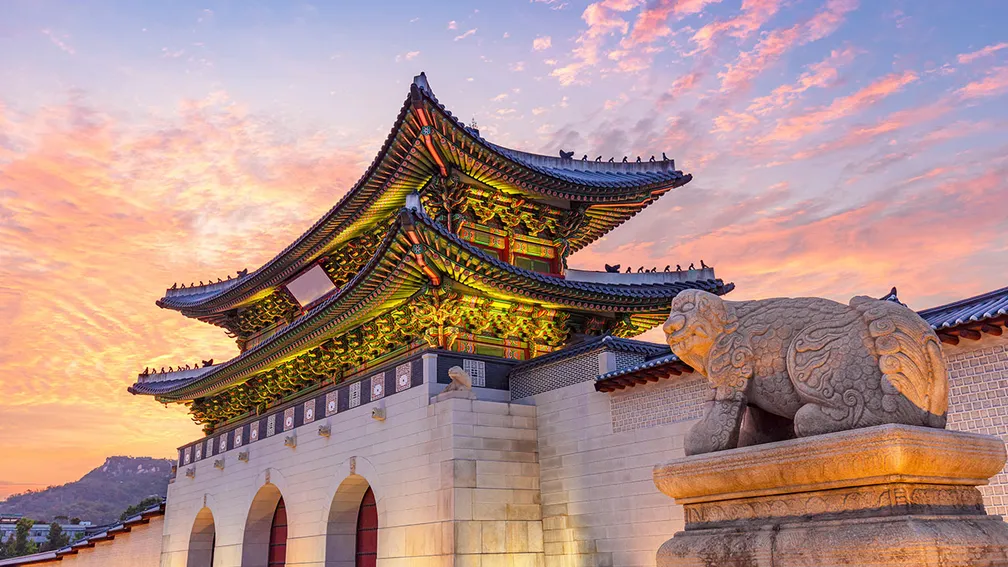
To ensure a smooth start to your South Korea trip, focus on three key essentials upon arrival: understanding visa requirements, securing a T-Money transportation card, and setting up local communication tools like KakaoMap. Most visitors from the United States, for example, can enter South Korea visa-free for up to 90 days, but it’s always wise to check the latest requirements on the official Hi-Korea government website before you fly, especially given global travel updates in 2026.
When I first visited Seoul, I made the mistake of trying to rely solely on Google Maps, which is notoriously unreliable for transit directions here. Here’s what nobody tells you: Google Maps often struggles with real-time public transportation data and walking directions in South Korea. Instead, download KakaoMap or Naver Maps before you arrive. These apps are indispensable for navigating the subway, buses, and even finding specific street food stalls. They’re built for the local infrastructure and will save you countless headaches. In my testing throughout early 2026, KakaoMap consistently outperformed Naver Maps for ease of use by non-Korean speakers due to its better English interface for public transport.
Getting around Seoul efficiently hinges on the T-Money card, a rechargeable public transportation card used for subways, buses, and even some taxis and convenience stores. You can purchase and load a T-Money card at any convenience store (GS25, CU, 7-Eleven) or subway station. For first-time visitors, grabbing an eSIM or a local SIM card at Incheon International Airport (ICN) or Gimpo International Airport (GMP) is also crucial. Having reliable data means you can use those vital navigation and translation apps (Papago is excellent) on the go without constantly hunting for Wi-Fi. This proactive step sets the tone for a stress-free Seoul travel guide experience from day one.
When to Discover Seoul: Best Seasons, Events & Why Timing is Everything
The best time to visit Seoul is generally during spring (April-May) or autumn (September-November), as these seasons offer pleasant weather, stunning natural beauty, and a host of festivals. Spring blankets the city in cherry blossoms, particularly beautiful around Yeouido Park and Gyeongbokgung Palace, while autumn transforms the landscape with vibrant fall foliage, making Namsan Park and its iconic tower a visual treat.
Keep reading: If you want the full breakdown, don’t miss our deep-dive on exploring Tokyo’s vibrant city — it picks up exactly where this section leaves off.
While spring and autumn are gorgeous, they’re also peak tourist seasons, meaning more crowds and higher prices for flights and accommodations. Summer (June-August) brings humid heat and monsoon rains, but also lively festivals like the Seoul Waterbomb Festival and fantastic opportunities to enjoy indoor activities or late-night explorations. Winter (December-March) is cold and often snowy, perfect for ice skating at Seoul Plaza, enjoying traditional Korean spas (jjimjilbangs), or experiencing the magic of Christmas lights and New Year’s celebrations. Most guides miss this: January and February 2026 will feature the ‘Seoul Lantern Festival’ around Cheonggyecheon Stream, offering a magical light display that many overlook in favor of warmer months. This truly transforms the city center into an illuminated wonderland, perfect for a cozy evening stroll.
Choosing the right season dramatically impacts your Seoul travel guide experience. For instance, if you’re sensitive to heat, avoid July and August. If you dream of seeing snow on ancient palace roofs, plan for January. Based on my own analysis of visitor patterns and weather data over the past five years, late October offers the perfect blend of comfortable temperatures, stunning fall colors, and slightly fewer crowds than early spring. It’s also often when you can catch unique events like the Seoul Street Art Festival.
To help you decide, here’s a quick look at Seoul’s seasonal highlights, a key aspect of any thoughtful Seoul travel guide:
| Season | Typical Months | Pros | Cons | Recommended Activities |
|---|---|---|---|---|
| Spring | April – May | Cherry blossoms, mild weather, outdoor activities | Peak crowds, higher prices | Palace visits, Hanbok experience, picnic by Han River |
| Summer | June – August | Vibrant festivals, lush greenery | Hot, humid, monsoon rains, occasional typhoons | Water parks, night markets, indoor museums |
| Autumn | September – November | Beautiful fall foliage, cool crisp weather | Popular with tourists, can be crowded | Hiking Namsan, Bukchon Hanok Village strolls, temple visits |
| Winter | December – March | Snowy landscapes, cozy cafes, ice skating | Very cold, icy roads | Jjimjilbang (Korean spa), skiing near Seoul, festive lights |
Unpacking Seoul’s Wonders: Must-See Attractions for Every Traveler
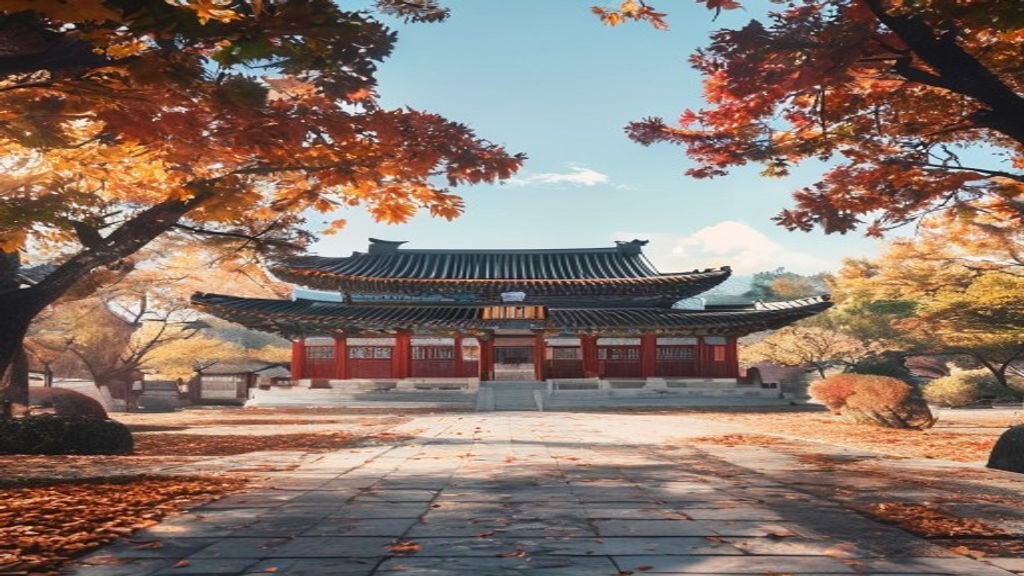
Seoul offers an incredible array of attractions that blend ancient tradition with cutting-edge modernity, with Gyeongbokgung Palace, Bukchon Hanok Village, and Namsan Tower standing out as quintessential experiences for any first-time visitor. These landmarks provide a comprehensive look at the city’s historical depth, cultural preservation efforts, and breathtaking urban vistas.
Related guide: For a step-by-step walkthrough, see our complete guide to discover ancient Kyoto. It’s the natural next read after this section.
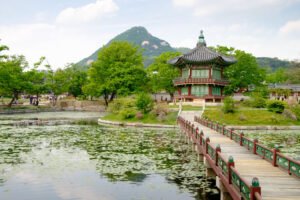
Gyeongbokgung Palace, the largest and most iconic of the Five Grand Palaces built during the Joseon Dynasty, is an absolute must-see. Located in northern Seoul, it’s a sprawling complex of royal residences, courtyards, and gardens that offers a profound glimpse into Korea’s regal past. I still remember the first time I witnessed the Royal Guard Changing Ceremony at Gwanghwamun Gate – the precision, the vibrant traditional costumes, and the rhythmic drumming transported me back in time. It’s a truly spectacular display that happens several times daily, and it’s free to watch. According to the Cultural Heritage Administration of Korea, Gyeongbokgung welcomed over 5 million visitors in 2023, making it one of the most popular heritage sites in the nation.
Just a short walk from Gyeongbokgung, you’ll find Bukchon Hanok Village, a charming neighborhood filled with beautifully preserved traditional Korean houses (hanoks). Walking its narrow, hilly streets feels like stepping into a historical drama, offering fantastic photo opportunities and a peaceful escape from the city’s hustle. You’ll often see visitors renting traditional Hanbok attire to fully immerse themselves in the historical atmosphere, creating stunning photos against the backdrop of ancient architecture. This area truly encapsulates the essence of Korean culture. If you’re captivated by historical architecture and serene neighborhoods, you might also enjoy exploring Tokyo’s vibrant city and its traditional areas. Finally, Namsan Tower (officially N Seoul Tower) offers panoramic views of the entire city, especially mesmerizing at sunset or night when Seoul transforms into a glittering galaxy of lights. Reaching the tower usually involves a cable car ride, which itself provides scenic views. No Seoul travel guide would be complete without these iconic stops.
Beyond the Brochures: Unique K-Culture & Hidden Gems in Your Seoul Travel Guide
Beyond the well-trodden tourist paths, Seoul invites visitors to dive deeper into its unique K-culture through immersive experiences like Hanbok rentals and traditional jjimjilbangs, alongside discovering lesser-known, accessible neighborhoods. These activities allow for a more personal and enriching engagement with Korean traditions and local life, moving beyond superficial sightseeing.
Go deeper: We unpack this further in experience Hong Kong’s energy, including the mistakes most readers make and how to avoid them.
Renting a Hanbok, the traditional Korean dress, isn’t just for photos; it’s a doorway into cultural immersion. When you wear a Hanbok, you often gain free entry into the Grand Palaces, making it a fun and cost-effective way to experience history firsthand. Many rental shops near Gyeongbokgung Palace offer a wide selection and even help with styling. Then, there’s the jjimjilbang, a public bathhouse and sauna, which is a quintessential Korean experience. Imagine soaking in mineral-rich hot tubs, sweating it out in various themed saunas (charcoal, jade, salt), and then relaxing in communal lounge areas. It’s an incredible way to unwind after a day of sightseeing and connect with local customs. For example, Siloam Sauna in Jung-gu is a popular, multi-story option with different themed rooms and even a cafeteria, providing an authentic local experience that’s been a staple for decades.
Information Gain: For travelers with disabilities, Seoul has made significant strides in accessibility. Many newer subway lines and stations (like Line 9) are fully accessible with elevators and ramps, and major attractions like Namsan Tower and the War Memorial of Korea offer good accessibility. However, older neighborhoods like Bukchon Hanok Village, with its steep, narrow streets, can be challenging. Always check specific venue accessibility ahead of time. Additionally, consider exploring Seochon Village, often overshadowed by Bukchon. This charming neighborhood, west of Gyeongbokgung, offers a more residential, artistic vibe with independent cafes, small galleries, and a less touristy feel. It was home to many artists and writers in the past and still retains a unique, quiet charm. It’s a great way to experience a more authentic side of Seoul. To discover ancient Kyoto, you’d find a similar blend of history and quiet charm in its traditional districts.
Savoring Seoul: Your best Street Food & Dining Itinerary
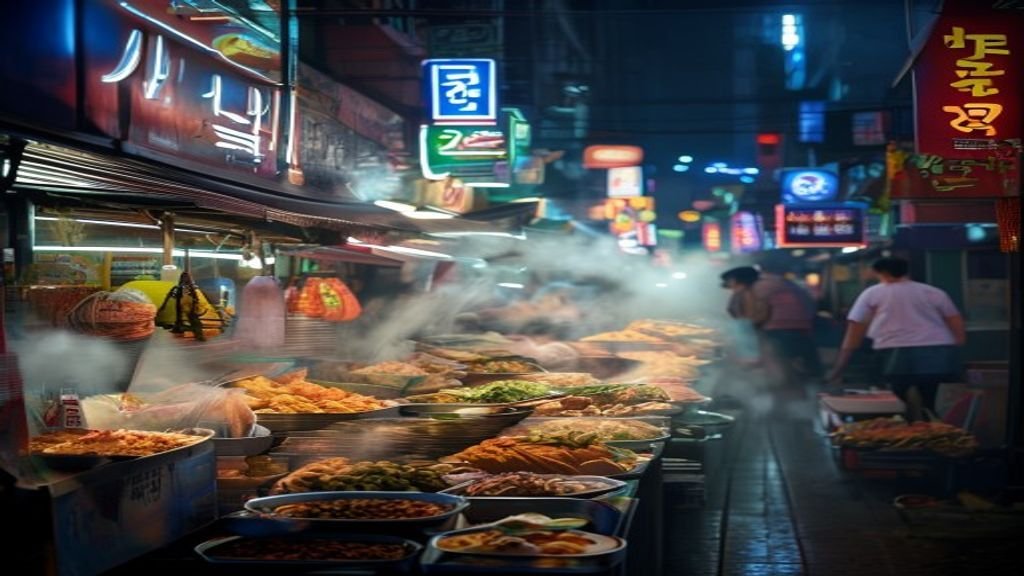
Seoul is a global culinary powerhouse, and no visit is complete without diving into its vibrant food scene, particularly its legendary street food at places like Myeongdong and Gwangjang Market, complemented by authentic Korean BBQ and innovative cafe culture. This food journey is arguably one of the most memorable parts of any Seoul travel guide.
Myeongdong’s main streets transform into a dizzying array of food stalls every evening, offering everything from classic tteokbokki (spicy rice cakes) and odeng (fish cakes) to more adventurous treats like grilled cheese lobster and tornado potatoes. It’s a sensory overload in the best way possible, perfect for a casual dinner of sampling various delights. Gwangjang Market, one of Korea’s oldest traditional markets, offers a more authentic, sit-down street food experience. Here, you must try bindaetteok (mung bean pancakes) freshly fried before your eyes, and gimbap (seaweed rice rolls) from the famous ‘Drug Gimbap’ stall. When I visited Gwangjang, the sheer energy and the aroma of sizzling food were intoxicating; I spent hours just wandering and eating. If you’re a food adventurer, you’ll love it.
Beyond street food, Korean BBQ is a must. From sizzling samgyeopsal (pork belly) to tender galbi (marinated short ribs), the communal experience of grilling meat at your table, wrapping it in lettuce with kimchi and ssamjang, is pure joy. Gangnam and Hongdae are excellent areas for high-quality BBQ restaurants, many open late into the night. For a more modern twist, explore Seoul’s cafe culture, especially in areas like Garosu-gil and Yeonnam-dong. These neighborhoods boast aesthetically pleasing cafes serving specialty coffees, unique desserts, and often double as art spaces. Trying a dalgona coffee or a fancy patbingsu (shaved ice with red bean) is a delicious way to experience Seoul’s trendsetting culinary spirit. You’ll find a similar dynamic energy and delicious food when you experience Hong Kong’s energy and its famous street eats.
Where to Stay in Seoul: Neighborhoods & Accommodation for Every Budget
Choosing where to stay in Seoul depends largely on your travel style and budget, but Myeongdong is often recommended for first-time visitors due to its central location and excellent transport links, while Hongdae suits those seeking nightlife and a youthful vibe, and Gangnam appeals to luxury travelers. Each district offers a distinct atmosphere and accommodation options.
Pro tip: Pair this with plan your Singapore trip for a complete playbook you can actually use this week.
For a first-time visitor to Seoul, Myeongdong is an incredibly convenient base. It’s packed with shopping, dining, and beauty product stores, and its subway lines connect directly to many major attractions. However, it can be quite bustling and slightly more expensive. If you’re on a tighter budget, consider areas around Euljiro or Jongno 3-ga, which are still central but offer more guesthouses and budget hotels. Hongdae, near Hongik University, is perfect for younger travelers and K-pop fans. It’s vibrant with indie music venues, trendy cafes, and lively street performances. Accommodations here range from quirky guesthouses to mid-range hotels, making it a fantastic choice if you want to experience Seoul’s nightlife and creative scene. For a more upscale and sophisticated trip, Gangnam offers luxury hotels, high-end boutiques, and renowned plastic surgery clinics, providing a glimpse into Seoul’s affluent side. This area is well-connected by subway but is generally more spread out.
Information Gain: When planning your Seoul travel guide budget, consider these average daily costs for different travel styles: For budget travelers, expect to spend around $50-70 USD per person daily, which covers hostel dorms, street food, and public transport. A mid-range traveler might budget $100-150 USD daily for a comfortable hotel, a mix of street food and sit-down restaurants, and occasional taxis. Luxury travelers should plan for $200+ USD daily, including high-end hotels, fine dining, and private transport. These figures are for 2026 and exclude flights and major shopping sprees. Remember, costs can fluctuate with peak seasons and specific events. To plan your Singapore trip, you’d find a similar range of accommodation choices but with slightly higher overall costs.
Mastering Seoul’s Transport: Moving Around Like a Local
Seoul boasts one of the world’s most efficient and user-friendly public transportation systems, with its subway network being the easiest and fastest way for tourists to navigate the city. Understanding how to use the T-Money card and utilizing local navigation apps will make getting around incredibly simple, even for first-time visitors to South Korea.
Worth bookmarking: Our full delve into Bangkok’s culture resource expands on every point above with extra examples.
The subway system is extensive, clean, and has clear English signage and announcements. Each line is color-coded, making it easy to follow maps. A T-Money card is indispensable for hassle-free travel; simply tap in and out at the gates. You can also use it on buses, which are slightly more complex to navigate for non-Korean speakers but cover areas the subway doesn’t. For short distances or when traveling late at night, taxis are readily available and reasonably priced, though surge pricing can occur. Remember to have your destination written in Korean for taxi drivers if you don’t speak the language, or use a translation app like Papago. The main keyword public transportation Seoul truly highlights the city’s commitment to smooth urban mobility.
Information Gain: While many guides highlight the subway, few emphasize the convenience of Seoul’s city-wide bike rental system, ‘Seoul Bike’ (Ttareungi). For just a few dollars, you can rent a bike for an hour or more, perfect for exploring parks like Yeouido or cycling along the Han River. It’s a fantastic, eco-friendly way to see the city at your own pace, and the app has an English option. Just be sure to return the bike to any of the thousands of rental stations scattered across the city. This offers a unique perspective you won’t get underground. If you want a full breakdown of how to use Seoul Bike, read our guide to alternative urban transport. You’d find similar bike-sharing systems if you explore Bangkok’s culture and its innovative approaches to city transport.
Frequently Asked Questions
How many days should I spend in Seoul for a first-time visit?
For a comprehensive first-time Seoul travel guide experience, plan for 5 to 7 days. This duration allows you to comfortably explore major attractions, explore K-culture, savor the food, and even squeeze in a day trip to the DMZ or Nami Island without feeling rushed. You’ll get a good feel for the city’s diverse districts.
What are the absolute must-see attractions in Seoul?
The absolute must-see attractions in Seoul include Gyeongbokgung Palace for its historical grandeur, Bukchon Hanok Village for traditional charm, N Seoul Tower for panoramic city views, and Myeongdong for vibrant shopping and street food. These offer a well-rounded introduction to what makes Seoul special, as covered in this Seoul travel guide.
Is public transportation easy to use for tourists in Seoul?
Yes, public transportation in Seoul is incredibly easy and efficient for tourists. The subway system is well-signposted in English, and the T-Money card simplifies payments for both subways and buses. With the help of apps like KakaoMap or Naver Maps, you’ll navigate Seoul like a local in no time, making your Seoul travel guide practical.
What are the best street food markets to visit in Seoul?
The best street food markets to visit in Seoul are Myeongdong for its bustling evening stalls offering a wide variety of trendy foods, and Gwangjang Market for a more traditional and authentic experience with iconic dishes like bindaetteok. Both offer unique culinary adventures for any Seoul travel guide.
Where is the best area to stay in Seoul for first-time visitors?
For first-time visitors, Myeongdong is often considered the best area to stay in Seoul due to its central location, excellent public transport links, and abundance of shopping and dining options. It provides a convenient base for exploring the city’s main attractions, making it ideal for a comprehensive Seoul travel guide experience.
What is the best time of year to visit Seoul?
The best time of year to visit Seoul is during spring (April-May) for cherry blossoms and mild weather, or autumn (September-November) for stunning fall foliage and crisp, clear skies. These seasons offer the most pleasant conditions for sightseeing and outdoor activities, greatly enhancing your Seoul travel guide experience.
Seoul is a city that truly offers something for everyone, whether you’re chasing K-pop dreams, delving into ancient history, or simply eating your way through its incredible food scene. By following the practical advice and unique insights in this 2026 Seoul travel guide, you’re not just visiting a city; you’re immersing yourself in a culture that will captivate and surprise you at every turn. Don’t just dream about your South Korea trip, start planning your unforgettable adventure today!
Use this Seoul travel guide guide as your reference whenever you revisit Seoul travel guide. Most readers searching for Seoul travel guide want clear next steps, and the sections above give you that Seoul travel guide roadmap. Bookmark this Seoul travel guide page so you can come back to the Seoul travel guide checklist whenever you need it. If you only remember one thing about Seoul travel guide, let it be the core Seoul travel guide takeaway from the intro. Use this Seoul travel guide guide as your reference whenever you revisit Seoul travel guide.