
After visiting Japan eight times and spending six months living in a remarkably tiny Shinjuku apartment, I have made every rookie mistake possible. I have gotten hopelessly lost in underground transit mazes. I have missed out on sold-out cafes. I have accidentally ordered chicken cartilage thinking it was breast meat. You name it, I have messed it up.
You are probably feeling overwhelmed right now. That is totally normal. Planning a trip to Japan is intensely intimidating. But you do not need to panic. I wrote this comprehensive Tokyo travel guide to save you from the stress, the endless Google tabs, and the outdated advice floating around the internet.
Most blogs give you generic fluff. They tell you to buy passes you do not need. They ignore the fact that the city has completely changed post-2023. This is not just another standard Tokyo travel guide. This is a highly strategic, boots-on-the-ground manual.
TL;DR: Tokyo at a Glance
- Best Time to Go: Late March (Cherry Blossoms) or November (Autumn Leaves). Avoid the sweltering heat of August.
- Average Daily Budget: $100 – $150 USD per person (excluding flights/hotels) thanks to the currently weak Yen.
- The 3 Things to Book Immediately: Your flight, your hotel (4-6 months out), and hyper-popular attraction tickets (exactly 30 days out).
If you are serious about having the trip of a lifetime, this Tokyo travel guide is your new best friend. Grab a cup of coffee. Let us break down everything you actually need to know.
Table of Contents
- Tokyo Pre-Trip Checklist: What to Book and When
- How to Get Around Tokyo (Without Getting Lost)
- Where to Stay in Tokyo: A Neighborhood Matchmaker
- Modular Tokyo Itineraries for Every Trip
- The Ultimate Tokyo Food Guide (Beyond Basic Sushi)
- Essential Japanese Etiquette for Tourists
- Frequently Asked Questions
Tokyo Pre-Trip Checklist: What to Book and When
Tokyo demands preparation. You cannot just show up and expect to walk into the city’s best attractions. Spontaneity is dead in modern Japanese tourism.
If you rely on an outdated Tokyo travel guide, you will miss out on the best experiences. Theme cafes, observation decks, and interactive art exhibits sell out weeks in advance. You must set calendar alarms. But how do you actually do that? You follow this exact booking timeline.
Attraction Booking Timelines
Do not let your dream itinerary crumble. Here is a matrix of the most notoriously difficult tickets to secure:
| Attraction | Booking Window Opens | Danger Level |
|---|---|---|
| Shibuya Sky (Sunset Slots) | Exactly 4 weeks in advance. | High. Sunset slots vanish in hours. |
| Ghibli Museum | 10:00 AM JST on the 10th of the previous month. | Extreme. The server will crash. Be persistent. |
| teamLab Borderless (Azabudai Hills) | Roughly 2 months in advance. | Medium. Book a few weeks out. |
| Pokémon Cafe / Kirby Cafe | Exactly 31 days in advance at 6:00 PM JST. | Extreme. Have multiple browsers open. |
Visa Requirements & Visit Japan Web
Do you want to stand in a slow, agonizing customs line for two hours after a 14-hour flight? Absolutely not. Before you depart, you must fill out your digital customs and immigration forms.
Japan uses a centralized portal called Visit Japan Web. Create an account about a week before your flight. Input your passport details, your hotel address, and answer the basic customs questions. The system will generate QR codes. Screenshot these QR codes immediately. Airport Wi-Fi can be spotty, and having these screenshots will let you breeze past hundreds of unprepared tourists.
This single tip will start your vacation off perfectly. Let’s keep moving through this Tokyo travel guide.
How to Get Around Tokyo (Without Getting Lost)
Think of the local transit system like a giant, neon-lit underground ant farm designed by a mad scientist. It is incredibly efficient, but highly intimidating. You will get lost. Accept it now. However, armed with this Tokyo travel guide, your mistakes will be minor detours rather than massive headaches.
The 2026 Suica/Pasmo Card Shortage (And the Apple Wallet Hack)
Almost every older Tokyo travel guide tells you to buy a physical Suica or Pasmo IC card when you land. There is a huge problem. Japan is currently facing a massive semiconductor chip shortage. Physical cards are frequently suspended from sale.
The Solution: If you have an iPhone, open your Apple Wallet. Tap the “+” button. Select “Transit Card.” Scroll down to Japan and select Suica, Pasmo, or ICOCA. You can load money directly onto your phone using a foreign Mastercard or Amex (Visa sometimes faces 3D-secure blocks). You can now just tap your phone on the ticket gates. It works even if your phone battery dies (via power reserve). This is a phenomenal time-saver.
If you have an Android device purchased outside of Japan, this digital trick will not work due to hardware differences. You will need to purchase a tourist-only “Welcome Suica” at the airport machines, which expires after 28 days.
Narita vs. Haneda Airport: Step-by-Step City Transfers
Landing in a new country is exhausting. Navigating to your hotel shouldn’t be. Here is exactly how to handle your airport transfer:
- From Haneda (HND): Haneda is much closer to the city. Take the Tokyo Monorail to Hamamatsucho Station, then transfer to the Yamanote Line to reach major hubs like Tokyo Station or Shibuya. Total time: 30-40 minutes. Cost: Around 700 Yen.
- From Narita (NRT): Narita is practically in a different prefecture. If you are staying on the east side (Ueno, Asakusa), take the Keisei Skyliner. It is fast and comfortable. If you are staying on the west side (Shinjuku, Shibuya), take the Narita Express (N’EX). Total time: 60-90 minutes. Cost: Around 3,000 Yen.
Do You Need the JR Pass for Tokyo? (Spoiler: No)
I am going to save you hundreds of dollars right now. A glaring flaw in almost every other Tokyo travel guide is the blanket advice to buy a Japan Rail Pass. In late 2023, the official JR Pass experienced a staggering 70% price hike.
If you are only staying in the capital city, or just doing a simple round-trip to Kyoto, do not buy the JR Pass. You will lose money. Pay out of pocket for local subway rides (which only cost about $1.50 USD per trip) and buy individual bullet train tickets on the SmartEX app.
Where to Stay in Tokyo: A Neighborhood Matchmaker
Choosing your base camp is the most important decision in this entire Tokyo travel guide. The city is not a single, unified entity. It is a cluster of distinct micro-cities, each with its own personality, architecture, and vibe. Commuting across town takes 45 minutes. You want to wake up in the neighborhood that fits your travel style.
Let us play matchmaker with the top Tokyo neighborhoods.
Shinjuku (Best for Nightlife & First-Timers)
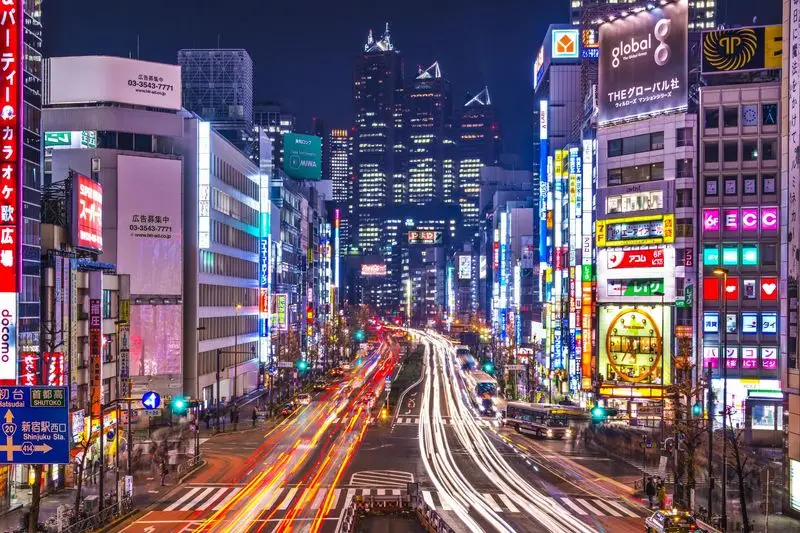
Shinjuku is the neon-drenched metropolis you see in movies. It boasts the busiest railway station in the world. Stay here if you want endless izakayas in Omoide Yokocho, late-night ramen, and bright lights. It is loud, chaotic, and exhilarating. It is perfect for young couples and solo travelers looking for nightlife.
Shibuya (Best for Shopping & Youth Culture)
Home to the famous Scramble Crossing. Shibuya is trendy, fast-paced, and fashion-forward. If you want to spend your days shopping at Mega Don Quijote, hunting for vintage clothes, and drinking at stylish rooftop bars, Shibuya is your spot. It feels slightly younger and more pop-culture-focused than Shinjuku.
Asakusa (Best for Budget & Traditional Charm)
Do you prefer temples over skyscrapers? Asakusa is the historical heart of the city, home to the stunning Senso-ji Temple. The buildings are shorter. The pace is slower. It is remarkably family-friendly. Because it is slightly removed from the central Yamanote train loop, hotels here are noticeably cheaper. Stay here for a budget-friendly, cultural experience.
Ginza (Best for Luxury & Foodies)
Ginza is the Fifth Avenue of Japan. It is impeccably clean, highly sophisticated, and incredibly wealthy. Stay here if you want to eat at Michelin-starred sushi counters, shop at flagship designer boutiques, and enjoy quiet, luxurious hotel rooms. The streets are closed to traffic on weekends, creating a beautiful pedestrian promenade.
Modular Tokyo Itineraries for Every Trip
You cannot see everything. Accept this fact early to preserve your sanity. A great Tokyo travel guide provides flexible frameworks. Building a successful Tokyo itinerary requires grouping activities geographically. If you try to visit Harajuku in the morning and Asakusa in the afternoon, you will waste hours on a train.
Here are two modular structures for the best things to do Tokyo has to offer. Pair these with a reliable TravelMapGuide app on your phone for flawless navigation.
The 3-Day Highlight Reel
If you only have a few days before heading to Kyoto or Osaka, focus exclusively on the heavy hitters.
- Day 1: The West Side (Neon & Pop Culture). Start in Harajuku. Eat crepes on Takeshita Street. Walk down to Shibuya to see the Scramble Crossing and go up Shibuya Sky at sunset. End your night eating street food in Shinjuku.
- Day 2: The East Side (Tradition & Tech). Wake up early for Asakusa’s Senso-ji Temple before the crowds arrive. Take the scenic river cruise down to Odaiba to see the life-sized Gundam statue. Spend the evening exploring the anime shops of Akihabara.
- Day 3: The Center (Art & Luxury). Visit the interactive teamLab Borderless museum in the morning. Walk through the luxurious streets of Ginza. Have a high-end sushi lunch. Spend the late afternoon relaxing in the expansive gardens of the Imperial Palace.
The 5-Day Deep Dive
With five days, your Tokyo itinerary can breathe. You can explore hidden districts.
- Days 1-3: Follow the Highlight Reel above.
- Day 4: Shimokitazawa & Nakameguro. Head to Shimokitazawa, the bohemian, hipster capital of the city. Spend hours thrifting for vintage clothes and drinking artisanal coffee. In the evening, walk along the Nakameguro river, famous for its boutique bars and quiet, local atmosphere.
- Day 5: Day Trip to Kamakura or Hakone. Escape the concrete jungle. Take a one-hour train to Kamakura to see the Giant Buddha and surf beaches. Alternatively, head to Hakone for views of Mount Fuji and a relaxing soak in a traditional hot spring (onsen).
The Ultimate Tokyo Food Guide (Beyond Basic Sushi)
We need to talk about food. For many people, eating is the primary reason they book a flight to Japan. While sushi and ramen are universally beloved, limiting yourself to just those two dishes is a culinary tragedy.
This section of our Tokyo travel guide will push you out of your comfort zone. The Tokyo food guide scene is arguably the best in the world, holding more Michelin stars than Paris.
Must-Try Local Dishes
Expand your palate with these incredible local staples:
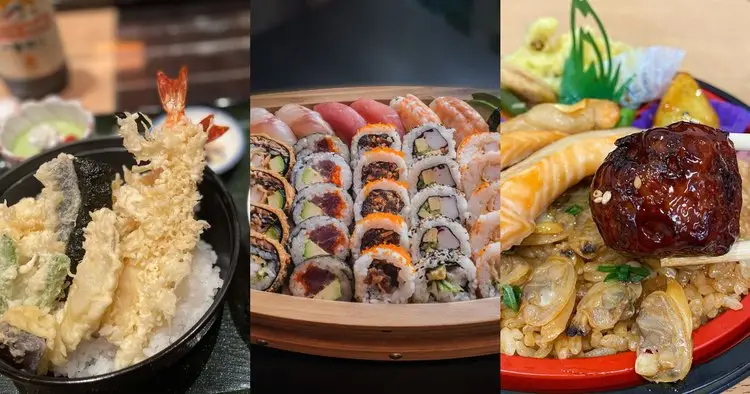
- Tsukemen (Dipping Ramen): Instead of noodles sitting in hot broth, they are served cold on the side. You dip the thick, chewy noodles into an intensely rich, concentrated seafood and pork broth. It is mind-blowing.
- Monjayaki: The messy, delicious cousin of Okonomiyaki. You cook it yourself on a hot iron griddle built into your table. Head to “Monja Street” in the Tsukishima district for the most authentic experience.
- Yakitori: Skewered chicken grilled over white-hot Binchotan charcoal. Order a cold beer, sit shoulder-to-shoulder with local businessmen in a tiny alleyway, and eat every part of the bird.
Navigating Tokyo with Dietary Restrictions
This is where many travelers panic. Most editions of a standard Tokyo travel guide completely ignore vegetarians. Japanese cuisine relies heavily on dashi (a broth made from fish flakes). It sneaks into almost everything, including seemingly innocent soy sauce dips and potato salads.
If you are Vegan, you must be proactive. Do not expect normal restaurants to accommodate you on the fly. Download the HappyCow app immediately. It is an absolute lifesaver for finding verified vegan and vegetarian spots. Look for specialized Buddhist temple cuisine, known as Shojin Ryori, which is entirely plant-based and incredibly refined.
For Gluten-Free travelers, soy sauce is your biggest enemy, as traditional Japanese soy sauce contains wheat. Carry a printed allergy card written in Japanese to show waiters. Look for restaurants serving 100% buckwheat soba or dedicated gluten-free bakeries which are slowly gaining popularity in areas like Roppongi and Shibuya.
For Halal travelers, the landscape is improving rapidly. Neighborhoods like Asakusa and Shinjuku now feature dedicated Halal ramen shops and yakiniku (BBQ) spots certified by the Japan Halal Foundation.
Essential Japanese Etiquette for Tourists
Japan is a society built on mutual respect and strict social harmony. You do not want to be “that” loud, obnoxious tourist. Following basic etiquette is just as important as knowing the best restaurants in your Tokyo travel guide.
You do not need to memorize a textbook of rules, but you should adhere strictly to these cultural norms:
- No Tipping. Ever. Tipping does not exist in Japan. If you leave money on the table, the waiter will chase you down the street thinking you forgot your change. Excellent service is simply part of the price.
- Train Silence. Trains are sanctuaries of quiet commuting. Do not talk loudly. Put your phone on silent. Do not take phone calls while riding the subway. Keep your voice to a hushed whisper if you must converse.
- Chopstick Manners. Never stick your chopsticks vertically into a bowl of rice. This resembles a funeral ritual. Never pass food directly from your chopsticks to someone else’s chopsticks.
- Trash Cans are Myths. Public trash cans were largely removed from the streets years ago. You are expected to carry your garbage with you until you return to your hotel or find a convenience store. Bring a small plastic bag in your backpack for this exact purpose.
By respecting these simple rules, you show appreciation for the local culture. Locals will notice, and they will treat you with incredible kindness.
Frequently Asked Questions
Even the most comprehensive Tokyo travel guide cannot predict every single worry. Let us address the most common anxieties travelers face when planning their trip.
You made it to the end. You now possess the strategic knowledge to bypass the tourist traps, navigate the labyrinth of train lines, and eat like a local. Bookmark this Tokyo travel guide. Save the maps. Set your booking alarms. The greatest city in the world is waiting for you.







3 Responses