
Most travelers land at Velana International Airport, grab their luggage, and immediately hop on a seaplane. They vanish into the turquoise horizon. Big mistake. By skipping the capital city, you are missing the actual beating heart of the Maldives. Welcome to Malé.
This tiny, densely packed island is bursting with culture, history, and incredible street food. It is an urban jungle floating in the middle of the Indian Ocean. If you want to experience the real Kaafu Atoll, you need a solid strategy. That is exactly why we created this definitive Travelmapguide. Think of it as your ultimate insider playbook for 2026.
But how do you actually navigate this concrete maze? How do you find the best local cafes hidden down narrow alleys? We have mapped out everything you need.
Grab a cup of black tea, sit back, and let’s plan your island adventure. Your ultimate Travelmapguide starts right here.
Why You Need a Solid TravelMapGuide for Malé in 2026
Think of Malé as the engine room of a luxury yacht. While the resorts are the sun decks where everyone lounges, Malé is where the actual work happens. It is loud. It is chaotic. It is absolutely brilliant.
In 2026, the capital is more vibrant than ever. The skyline is evolving, new cafes are opening weekly, and the infrastructure is rapidly modernizing. However, this rapid growth makes the city slightly overwhelming for first-time visitors. A standard guidebook won’t cut it anymore. You need a dynamic, up-to-date Travelmapguide.
Without a proper Travelmapguide, you might find yourself wandering aimlessly in the midday heat. The streets are essentially a labyrinth. Motorbikes zip past you with inches to spare. The scent of salt and exotic spices hangs heavy in the air.
By using a structured Travelmapguide, you turn that chaos into a beautifully curated adventure. You will know exactly where to go, what time to get there, and what to eat when you arrive.
Getting Around: Your Essential Malé Travelmapguide
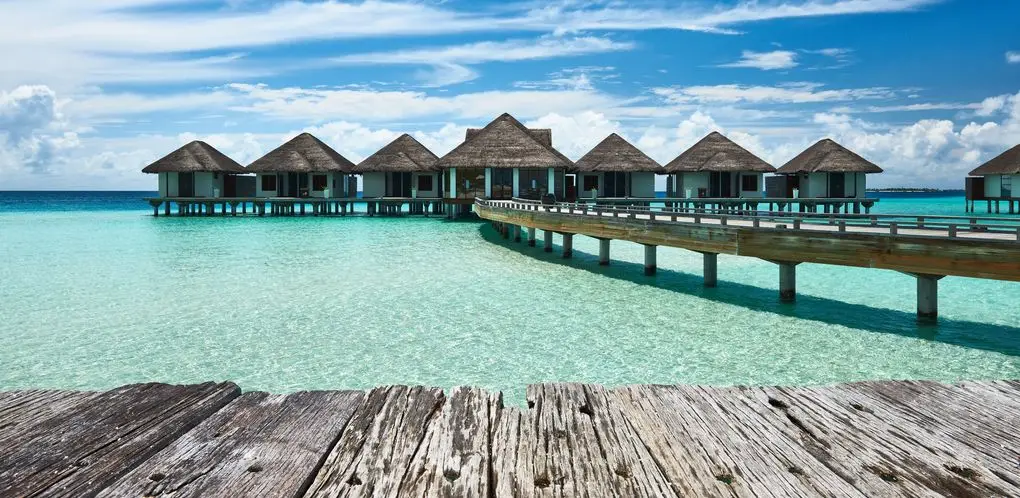
Transportation in Malé is unique. The island is only about 8.3 square kilometers. You could technically walk around the entire perimeter in a few hours. But do you really want to do that under the blazing equatorial sun?
Walking is great for short distances. In fact, relying on your own two feet is the best way to discover hidden street art and tiny neighborhood bakeries. Just make sure your Travelmapguide app is loaded with offline maps. The grid system here is notoriously confusing.
Need to go further? Taxis are cheap and everywhere. Key takeaway: Most taxi rides within the city cost a flat rate. You don’t need to worry about the meter running up while sitting in traffic. And trust me, there will be traffic.
If you really want to travel like a local, you have to understand the bus system. The modern mini-buses are air-conditioned and highly efficient. A quick glance at your personalized Travelmapguide will show you the exact routes connecting the ferry terminals to the main shopping districts.
Top Things to Do in Malé (Beyond the Layover)
Don’t treat this city as just a waiting room for your resort transfer. There is serious history here. Any good Travelmapguide will insist you spend at least two full days exploring the sights.
The Grand Friday Mosque and Islamic Centre
This is the architectural crown jewel of the island. You simply cannot visit the capital without seeing it. The golden dome dominates the skyline, shining brightly against the blue sky.
Constructed from stunning white marble, the mosque can hold over 5,000 worshippers. It is a place of deep peace amid the city’s hustle. Key takeaway: Dress modestly. Men must wear long trousers, and women must cover their shoulders and knees. Pin this rule to your Travelmapguide right now.
Non-Muslims are welcome to visit outside of prayer times. The intricate wood carvings and Arabic calligraphy inside are breathtaking. It is a masterclass in Islamic architecture.
The Malé Fish Market: Sensory Overload
Are you ready for some raw, unfiltered local culture? Head straight to the waterfront. The Malé Fish Market is an experience you will never forget. It is fast, slippery, and endlessly fascinating.
Fishermen pull up in traditional dhonis, unloading massive yellowfin tuna directly onto the tiled floors. The haggling is intense. Knives flash as experts fillet giant fish in seconds. A detailed Travelmapguide will tell you the best time to visit is mid-afternoon when the daily catch arrives.
Bring your camera, but stay out of the way. These guys are working fast. Watching the market operate is like watching a highly choreographed dance.
Artificial Beach: Urban Sand and Surf
Yes, you read that correctly. The capital has an artificial beach. Because the island is surrounded by seawalls, the locals carved out a specific cove just for swimming and socializing.
It is located on the eastern side of the island. This spot is incredibly popular with families, especially in the late afternoon. Add it to your Travelmapguide for a relaxing sunset stroll. You will find impromptu football matches, live music, and teenagers showing off their swimming tricks.
Keep in mind that this is a public beach in a strict Muslim country. Bikinis are not allowed here. Wear a t-shirt and shorts over your swimwear to respect local customs.
National Museum & Sultan Park
Want to understand how the Maldives became what it is today? The National Museum is your answer. Located in the beautiful Sultan Park, this modern building houses a massive collection of artifacts.
You will find royal antiques, ancient weaponry, and intricately carved wooden doors. It is a deep dive into the nation’s pre-Islamic Buddhist history and its eventual conversion to Islam. According to our updated Travelmapguide data, you should budget at least two hours for this exhibit.
After the museum, take a walk through Sultan Park. The towering trees and lush greenery provide a rare, shady oasis in the middle of the concrete city.
Where to Stay: The Ultimate Travelmapguide Hotel Picks
Finding a good hotel in Malé requires a bit of strategy. Space is at an absolute premium. Rooms tend to be smaller than what you might expect elsewhere. But what they lack in square footage, they make up for in incredible hospitality.
If you want luxury, Jen Maldives Malé by Shangri-La is the undisputed king. It features a stunning rooftop infinity pool overlooking the ocean. Filtering through your Travelmapguide options, this is the best spot for sunset mocktails and panoramic views.
Looking for a solid mid-range option? Check out the Samann Grand. The rooms have private balconies, which is a rare treat in this city. The breakfast spread here is legendary among frequent travelers.
For budget-conscious travelers, Maagiri Hotel offers excellent value. It is located right across from the ferry terminals. This makes it a highly strategic pin on your Travelmapguide if you have an early morning boat to catch.
- Luxury: Jen Maldives Malé by Shangri-La
- Boutique/Mid-Range: Samann Grand
- Transit/Budget: Maagiri Hotel
- Local Vibe: The Somerset Hotel
Eating Like a Local in Kaafu Atoll
If you leave the Maldives without eating a traditional local breakfast, you have failed. Seriously. The food here is a magnificent collision of Indian, Sri Lankan, and Arabic influences.
The star of the show is Mas Huni. It is a finely chopped mixture of smoked tuna, fresh coconut, red onions, and fiery chilies. You scoop it up with warm, flat roshi bread. Every reliable Travelmapguide will rank this as the number one culinary must-do.
Where do you find it? Skip the fancy hotel buffets. Head to a local “hotaa” (cafe). These busy little diners are where the city actually congregates. Order a plate of Mas Huni and a cup of sugary black tea. It will cost you pennies and taste like a million dollars.
For dinner, mark Garudhiya on your Travelmapguide. This is a fragrant, clear fish broth served with rice, lime, and chili. It is the ultimate Maldivian comfort food. After a long day of walking the humid streets, a bowl of Garudhiya will bring you right back to life.
Café Culture: The Hidden Gem of Your Travelmapguide
Here is a secret that most tourists don’t know. Malé has a world-class coffee culture. The city is packed with trendy, air-conditioned cafes pouring exceptional flat whites and pour-overs.
Because alcohol is strictly prohibited on the local islands, the cafe becomes the social pub. This is where business is done, dates happen, and friends argue over football. A well-researched Travelmapguide will point you toward spots like Meraki Coffee Roasters.
Meraki was the first specialty coffee roaster in the country. The industrial-chic vibe feels like it belongs in Brooklyn or Melbourne. Grab an iced latte, open up your laptop or your Travelmapguide, and enjoy some world-class people watching.
Navigating the Islands: A Travelmapguide to Ferries and Bridges
Malé is not an isolated bubble. It is the hub of the entire nation’s transport network. Understanding how to get out of the city is just as important as knowing how to get around it.
The Sinamalé Bridge changed everything. Opened a few years ago, this massive over-water highway connects Malé to Hulhulé (the airport island) and Hulhumalé (the sprawling, man-made sister island). Key takeaway: You can now take a taxi directly from the airport to your city hotel.
But what about the ferries? They are still the cheapest and most romantic way to travel. Your Travelmapguide should definitely include a quick trip to Villingili. This neighboring island is just a 10-minute ferry ride away.
Villingili is the polar opposite of Malé. Motorized vehicles are banned. The streets are lined with trees, and the beaches are quiet. It is the perfect escape when the capital gets too noisy. Keep your Travelmapguide handy to check the return ferry schedules, though they run almost constantly.
Pro Tips for Your 2026 Malé Itinerary
Traveling to a densely populated Islamic capital requires a bit of preparation. You cannot just wing it. A few smart adjustments will make your trip infinitely smoother.
First, let’s talk about money. The local currency is the Maldivian Rufiyaa (MVR). While US Dollars are accepted almost everywhere, the exchange rate you get at small shops is terrible. A top-tier Travelmapguide recommendation: Withdraw a small amount of MVR from an ATM for buying street snacks and ferry tickets.
Second, stay connected. Do not rely on hotel Wi-Fi when you are out exploring. Pick up a tourist SIM card from either Ooredoo or Dhiraagu right at the airport arrivals hall. Having live access to your digital Travelmapguide maps will save you from getting hopelessly lost.
Third, respect the rhythm of Friday. Friday is the holy day in the Maldives. Almost all shops, cafes, and ferries shut down between 11:00 AM and 2:00 PM for the main weekly prayer. The streets completely empty out. Update your Travelmapguide schedule accordingly, or you will find yourself hungry with nowhere to eat.
Finally, remember the alcohol rule. The entire city of Malé is completely dry. You cannot buy a beer at a cafe. You cannot bring a bottle of wine in your luggage. If you want a cocktail, you have to book a transfer to a nearby resort or a specialized safari boat anchored offshore. Any accurate Travelmapguide highlights this strict law.
Frequently Asked Questions (FAQ)
1. How many days do I really need to see Malé?
You can see the main highlights in a single, action-packed day. However, a relaxed Travelmapguide itinerary recommends two days. This gives you enough time to explore the fish market, visit the National Museum, and take a quick ferry over to Villingili without rushing.
2. Is Malé safe for international tourists?
Yes, it is incredibly safe. Violent crime against tourists is extremely rare. The biggest danger you will face is dodging the aggressive motorbikes zooming down narrow streets. Just keep your wits about you, consult your Travelmapguide for safe walking routes, and secure your belongings like you would in any major city.
3. Can I wear a bikini or shorts in Malé?
Bikinis are strictly prohibited everywhere in the capital, including the Artificial Beach. The Maldives is a conservative Muslim country. A good rule of thumb for your Travelmapguide packing list: Both men and women should wear clothing that covers the shoulders and knees while walking around the city.
4. How do I get from Velana International Airport to Malé city center?
It is easier than ever. You have two main options. You can take a 10-minute taxi ride across the Sinamalé Bridge, which drops you directly at your hotel door. Alternatively, you can take the traditional airport ferry, which is incredibly cheap and drops you at the northeastern terminal. Both options are clearly outlined in our Travelmapguide logistics section.
5. What is the best time of year to visit the capital?
The dry season runs from November to April. This is widely considered the best time to visit, offering clear skies and calm seas. However, the wet season (May to October) brings fewer crowds and cheaper hotel rates. Just pack a sturdy umbrella in your day bag and keep your Travelmapguide app protected from sudden tropical downpours.


6 Responses