Let’s be real for a second. You have seen the photos. Those impossibly white buildings spilling down a rugged cliffside, capped with cobalt-blue domes that perfectly match the Aegean Sea. Santorini is a dream. A highly photographed, incredibly popular dream.
But turning that dream into a seamless reality? That takes a bit of work. Winging it on an island this popular is a recipe for standing in long lines, overpaying for lukewarm moussaka, and missing the magic entirely.
Welcome to your ultimate Santorini travel guide. I am going to walk you through exactly how to tackle this volcanic paradise like a seasoned pro.
We will skip the generic fluff. Instead, we are breaking down where to sleep, what to eat, and how to find a quiet corner on an island that welcomes millions of visitors a year. Ready? Let’s get into it.
Table of Contents
- 1. The Anatomy of a Volcanic Paradise
- 2. Where to Rest Your Head: Decoding Santorini Hotels
- 3. Chasing the Legendary Oia Sunset (Without Losing Your Mind)
- 4. The Best Santorini Spots You Probably Haven’t Heard Of
- 5. Crucial Santorini Tips to Save Time and Money
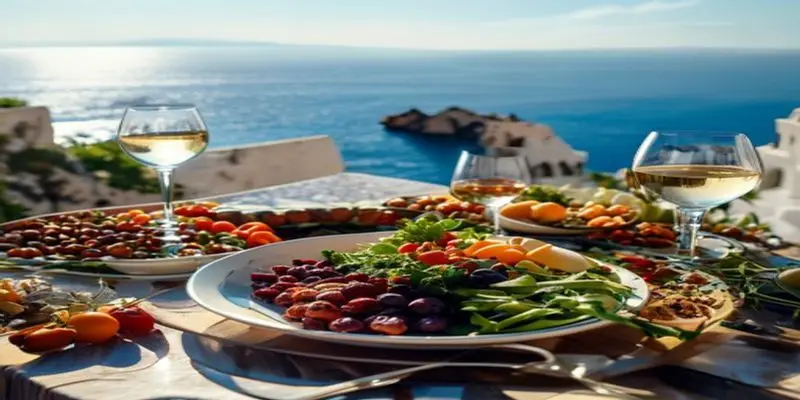
- 6. A Taste of the Volcano: What to Eat and Drink
- 7. Your Foolproof 3-Day Santorini Itinerary
- 8. Frequently Asked Questions
The Anatomy of a Volcanic Paradise
Before you pack your bags, you need to understand what you are actually visiting. Santorini isn’t just a pretty island. It is the rim of a massive, active volcano.
Around 1600 BC, a catastrophic eruption blew the center out of the island. What was left behind was a crescent-moon-shaped sliver of rock. The inner curve of that crescent features towering cliffs that plunge straight into the sea. This is called the caldera.
The outer curve slopes gently down to the water, giving way to volcanic beaches. Black sand. Red rocks. Pumice cliffs.
Why does this geography lesson matter for your trip? Because it dictates absolutely everything about your vacation. The caldera side offers the dramatic, sweeping views and luxury infinity pools you see on Instagram. The beach side offers easier water access and more wallet-friendly prices.
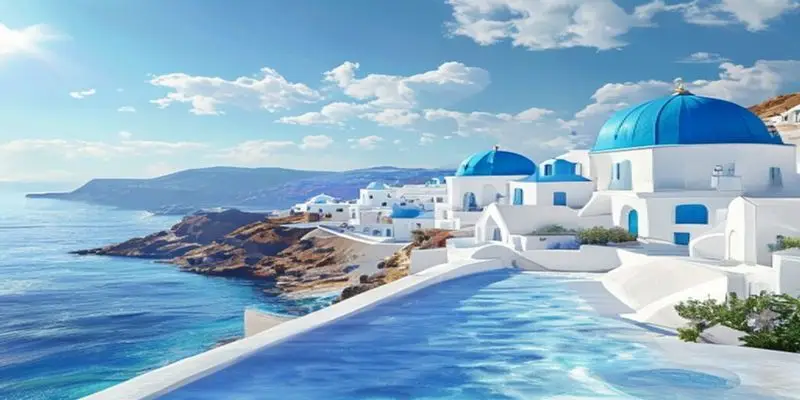
Every good Santorini travel guide will tell you: choose your side wisely. Do you want to wake up staring at a 1,000-foot drop into the ocean, or do you want to roll out of bed and walk onto the sand? Your choice sets the tone for your whole trip.
Where to Rest Your Head: Decoding Santorini Hotels
Booking a room here can feel overwhelming. There are thousands of options, and prices swing wildly. Santorini hotels are famous for their cave-style architecture, but location is everything. Let’s break down the main villages.
Oia: The Postcard Star
Located at the northern tip of the island, Oia is the undisputed heavyweight champion of Santorini views. It is luxurious, romantic, and breathtakingly beautiful.
But here is the catch. It gets incredibly crowded. Every day, cruise ship passengers flood the narrow marble streets. If you book a hotel here, aim for one with a private plunge pool and a secluded terrace. You will want a sanctuary to retreat to when the afternoon crowds peak.
Imerovigli: The Balcony of the Aegean
If you want jaw-dropping caldera views without the suffocating crowds of Oia, Imerovigli is your spot. Sitting at the highest point of the cliffside, it offers the best panoramic views on the island.
It is quieter. It is more relaxed. It is arguably the best place for honeymooners. You get the luxury of elite Santorini hotels but with a fraction of the foot traffic. Plus, you can easily hike from here to Oia or Fira.
Fira: The Bustling Hub
Fira is the capital. It is where the main bus terminal is located, making it incredibly convenient if you plan to explore the island without a rental car.
It is also the center of Santorini’s nightlife. If you want to grab a cocktail, go dancing, and be in the middle of the action, Fira is fantastic. The hotels here range from ultra-luxury on the cliff edge to budget-friendly hostels a few streets back.
Kamari and Perissa: The Beach Towns
Don’t care about a cliffside view? Head east. Kamari and Perissa are the island’s main beach resorts. They boast striking black volcanic sand and waterfront promenades lined with tavernas.
Santorini hotels in these towns are significantly cheaper than those on the caldera. This makes them perfect for families, budget travelers, or anyone who simply wants a traditional beach holiday with a Greek twist.
Chasing the Legendary Oia Sunset (Without Losing Your Mind)
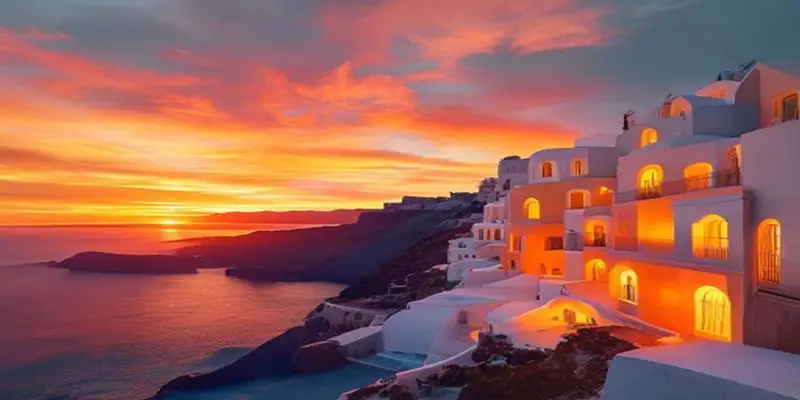
The Oia sunset is mythical. People fly across the globe just to watch the sun melt into the Aegean Sea from this specific vantage point. The sky turns violent shades of orange, pink, and purple. The white buildings glow. It is pure magic. You can also checked similar place like Bali.
Then you look left. And right. And realize you are crammed against three thousand other people, all holding up their phones.
But how do you actually enjoy it? How do you get that serene, perfect moment? You need a strategy.
- Skip the Castle Ruins: The Byzantine Castle ruins in Oia are famous for sunset views. They are also famous for being an absolute mosh pit. Avoid it.
- Book a Catamaran Cruise: This is a game-changer. Watching the sunset from the water, with a glass of local white wine in hand, beats fighting for elbow room on a cliff. You get an unobstructed view of the sun hitting the horizon.
- Make a Strategic Dinner Reservation: Find a cliffside restaurant in Oia or Imerovigli and book a table months in advance. You pay for dinner, but you are really paying for a guaranteed, seated view of the show.
- Head South: Want a secret? The sunset is just as spectacular from the Akrotiri Lighthouse at the southern tip of the island. It is wilder, windier, and far less crowded.
The Best Santorini Spots You Probably Haven’t Heard Of
It is easy to get stuck in the Oia-Fira loop. But the island has so much more to offer if you are willing to venture inland. Some of the best Santorini spots are completely ignored by the masses.
Megalochori
This is a traditional village that feels frozen in time. Think winding cobblestone alleys, bright bougainvillea vines spilling over white walls, and a stunning central square shaded by trees.
It is shockingly quiet. You can sit at a local taverna here, sip Greek coffee, and actually hear the wind blowing. It is a massive contrast to the busy cliffside towns.
Pyrgos
Before Fira took the title, Pyrgos was the capital of Santorini. It is built entirely on a hill, culminating in the ruins of a Venetian castle.
Walking up to the castle is a workout, but the reward is a 360-degree view of the entire island. You can see the caldera on one side and the sloping vineyards on the other. It is an absolute must for your itinerary.
Emporio
Emporio is like walking into a labyrinth. It is the largest village on the island and features a beautifully preserved medieval castle area called the Kasteli.
The houses here are built so close together that the streets are essentially tunnels. It was designed this way to confuse pirates. Today, it mostly just confuses tourists—but getting lost here is half the fun.
Crucial Santorini Tips to Save Time and Money
Any comprehensive Santorini travel guide needs to arm you with practical advice. The island has quirks. Knowing them in advance will save your wallet and your sanity.
1. Leave the stilettos at home. Seriously. The towns are built on cliffs. The streets are made of uneven, slippery cobblestones, and there are thousands of stairs. You need comfortable, grippy walking shoes. Fashion takes a backseat to physics here.
2. Don’t drink the tap water. Santorini has no natural rivers or lakes. The tap water is desalinated seawater. It is safe for brushing your teeth or showering, but it tastes terrible and lacks minerals. Stick to bottled water for drinking.
3. Master the bus system. Taxis on the island are notoriously expensive and scarce. The local KTEL buses, however, are cheap, safe, and air-conditioned.
They all route through Fira. If you want to go from Oia to Kamari, you take a bus to Fira, then switch. It takes a little longer, but it will save you a small fortune. Just remember to bring small euro coins for the fare.
4. Flush with caution. Like many Greek islands, Santorini’s plumbing system is old and narrow. You cannot flush toilet paper down the toilet. You must use the small bins provided next to the toilet. It sounds weird at first, but you get used to it quickly. Ignore this rule, and you will flood your beautiful hotel room.
5. Rent an ATV—but be careful. Renting an ATV (quad bike) is one of the most popular Santorini tips for getting around. It is fun and allows you to explore hidden beaches.
However, the local roads are winding, steep, and shared with massive tour buses. Only rent one if you are a confident driver, always wear your helmet, and never drink and drive. The gravel on the side of the roads is notoriously slippery.
A Taste of the Volcano: What to Eat and Drink
Volcanic soil does strange and wonderful things to agriculture. Santorini gets very little rain, so the crops grow close to the ground, absorbing moisture from the sea mist.
The result? Produce that is incredibly concentrated in flavor. You cannot leave the island without trying these local specialties.
- Tomatokeftedes: These are Santorini tomato fritters. The local cherry tomatoes are roughly chopped, mixed with herbs, battered, and deep-fried. They are crispy, sweet, savory, and entirely addictive.
- Fava: Forget what you know about fava beans. In Santorini, fava is a puree made from yellow split peas. It is served warm, drizzled with copious amounts of local olive oil, and topped with chopped onions and capers. It is the ultimate Greek comfort food.
- White Eggplant: Yes, white. The volcanic soil produces a rare variety of eggplant that has no bitterness whatsoever. You will often find it roasted whole and stuffed with feta and tomatoes.
- Assyrtiko Wine: Santorini is a world-class wine destination. The indigenous Assyrtiko grape produces a crisp, bone-dry white wine with a distinct metallic, salty finish. Because of the heavy winds, the vines are grown in low baskets directly on the ground. Go to a winery like Santo Wines or Venetsanos for a tasting with a caldera view.
Your Foolproof 3-Day Santorini Itinerary
Having a loose plan is the best way to tackle the island. If you have three days, here is exactly how you should spend them to maximize the best Santorini spots.
Day 1: The Caldera Edge
Start your morning early. Get up at 7 AM and explore Oia before the cruise ships arrive. The streets are empty, the light is soft, and you can actually take photos without a hundred photobombers.
Grab breakfast, then tackle the Fira to Oia hike. Or, do it in reverse. It is a stunning 6-mile (10 km) trail that skirts the very edge of the caldera. It takes about 3 hours. Take plenty of water. End your day with a well-deserved dinner in Imerovigli, watching the sunset away from the chaos.
Day 2: History and Wine
Rent a car or ATV and head south. Your first stop is the Akrotiri Archaeological Site. Often called the “Minoan Pompeii,” this ancient city was buried by volcanic ash 3,600 years ago. It is perfectly preserved and entirely indoors under a bio-climatic roof.
After history comes the beach. Just down the road from Akrotiri is the famous Red Beach. The towering red volcanic cliffs are otherworldly. In the late afternoon, head to Megalochori for a wine tasting, followed by dinner in the village square.
Day 3: The Aegean Sea
You cannot truly appreciate the sheer scale of the caldera until you look up at it from the water. Dedicate your final day to a boat tour.
Most catamaran tours include stops at the volcanic hot springs (where the water turns a murky, sulfuric orange), snorkeling near the White Beach, and a massive barbecue lunch cooked right on the boat.
It is relaxing, indulgent, and the perfect way to close out your Santorini travel guide experience.
Frequently Asked Questions
Still have lingering doubts? Let’s clear up some of the most common questions travelers have before touching down in the Aegean.
1. How many days do I need in Santorini?
Three to four days is the sweet spot. It gives you enough time to explore the main towns, take a boat tour, visit the southern beaches, and have a day just to relax by your hotel pool. Anything less than three days feels incredibly rushed.
2. Is Santorini too expensive for budget travelers?
It is certainly one of the most expensive Greek islands, but it can be done on a budget. The trick is staying in towns like Perissa or Kamari instead of Oia or Fira. Eat at local gyro stands (which are delicious and cost under 5 euros) instead of cliffside fine dining, and use the public bus system.
3. Do I need an international driver’s permit to rent a vehicle?
If you are from outside the EU (like the US, Canada, or Australia), yes. Greek law technically requires an International Driving Permit (IDP) to rent a car or an ATV. While some shady rental places might not ask for it, if you get pulled over or get into an accident without one, you will face hefty fines.
4. When is the best time of year to visit?
To strike the perfect balance between good weather and manageable crowds, aim for the shoulder seasons: May to early June, or late September to October. July and August are blisteringly hot, extremely crowded, and feature peak hotel prices. Winter is very quiet, but many restaurants and Santorini hotels close entirely.
5. Can you swim in the caldera?
Yes, but there are no traditional sandy beaches on the caldera side. The water is extremely deep and accessible mostly by boat tours that let you jump off near the volcanic hot springs. For traditional swimming and lounging on the sand, you must go to the eastern or southern side of the island.
Santorini is like a supermodel—stunning, constantly photographed, and occasionally high-maintenance. But when you know how to navigate its quirks, find its hidden corners, and embrace its volcanic history, it delivers a travel experience unlike anywhere else on earth. Pack your bags, book that sunset cruise, and get ready for the trip of a lifetime.